Optical Chemical Structure Recognition
OCSU: Optical Chemical Structure Understanding

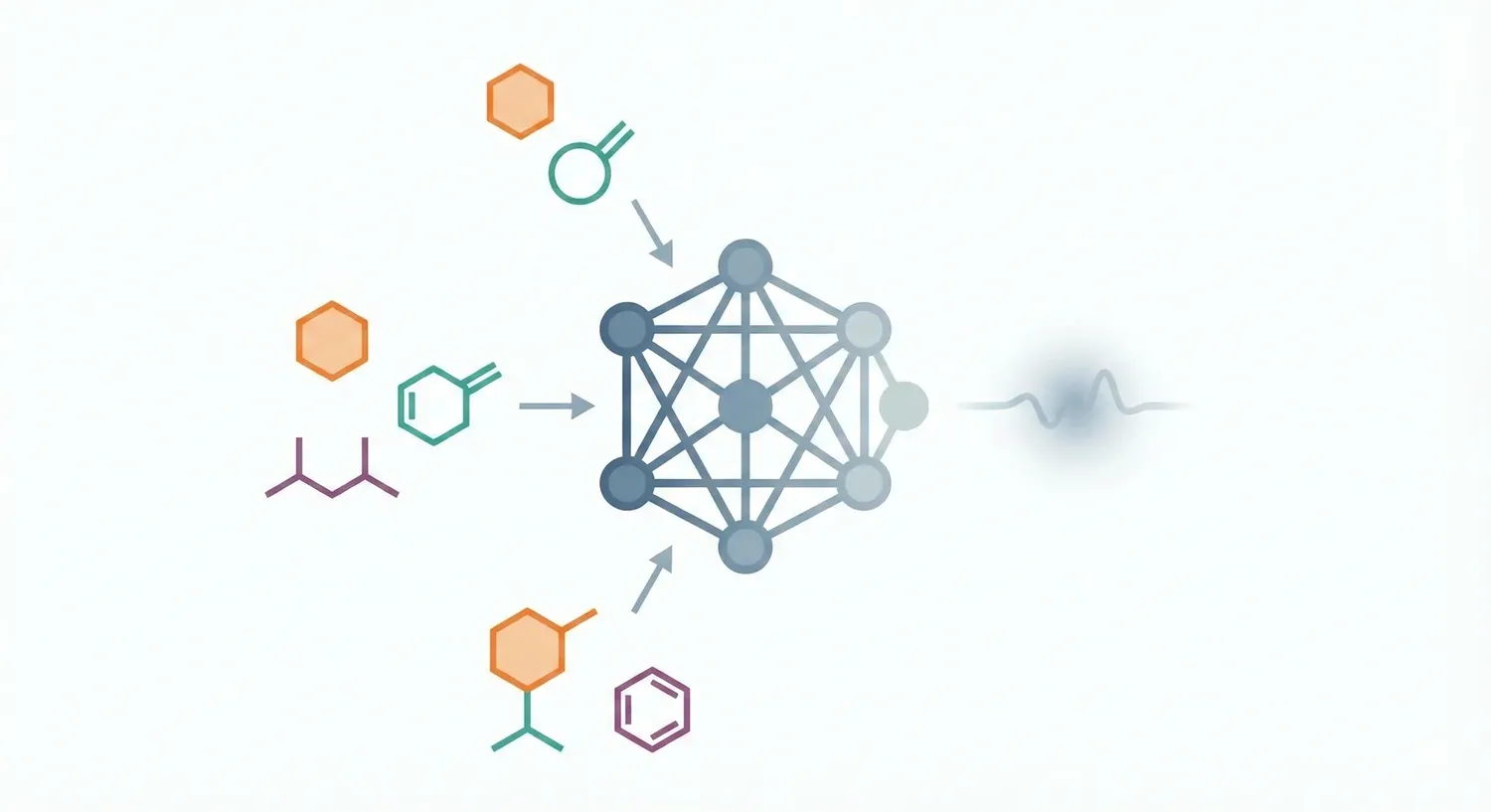
OCSU: Optical Chemical Structure Understanding (2025)

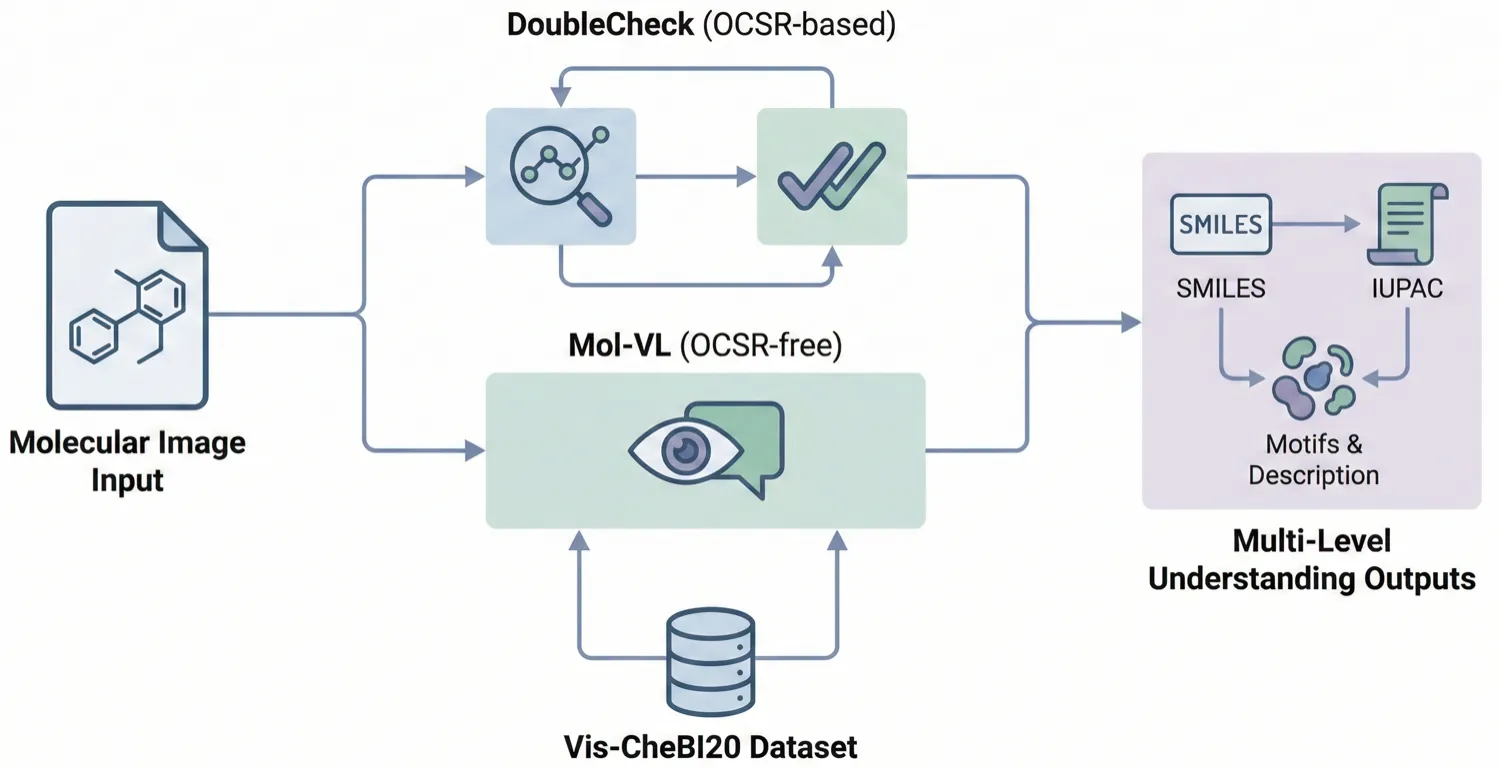
Proposes the ‘Optical Chemical Structure Understanding’ (OCSU) task to translate molecular images into multi-level descriptions (motifs, IUPAC, SMILES). Introduces the Vis-CheBI20 dataset and two paradigms: DoubleCheck (OCSR-based) and Mol-VL (OCSR-free).
Machine Learning
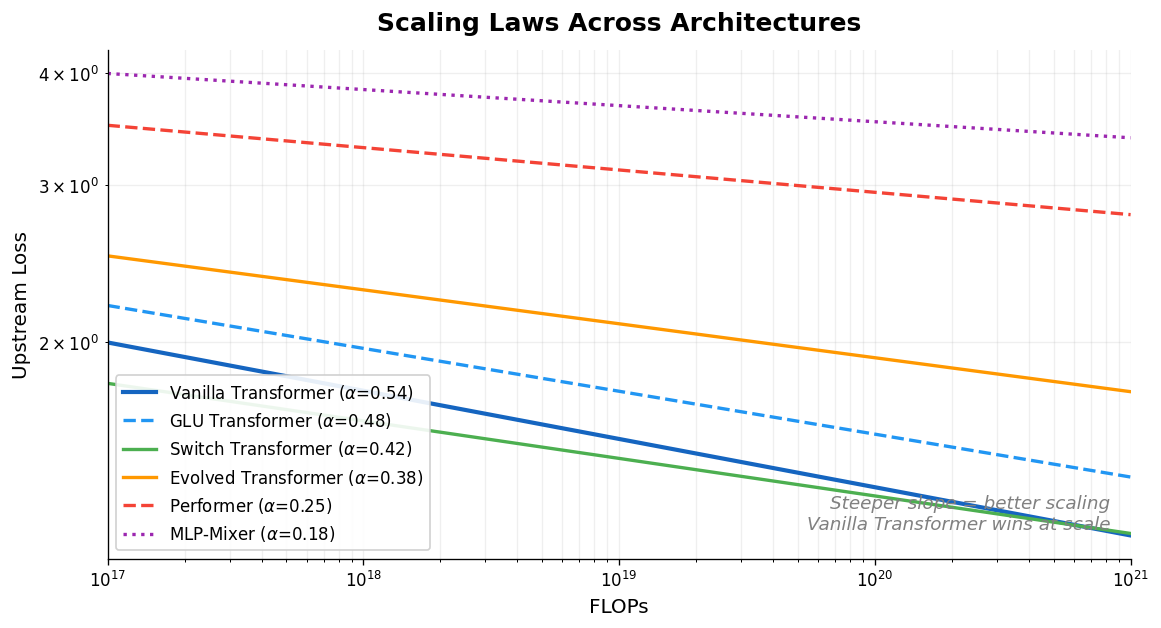
Log-log plot comparing scaling laws across six architectures showing the vanilla Transformer has the steepest slope

Scaling Laws vs Model Architectures: Inductive Bias

Tay et al. systematically compare scaling laws across ten diverse architectures (Transformers, Switch Transformers, Performers, MLP-Mixers, and others), finding that the vanilla Transformer has the best scaling coefficient and that the best-performing architecture changes across compute regions.

Machine Learning
SE(3)-Transformer architecture showing invariant attention weights modulating equivariant value messages on a 3D point cloud

SE(3)-Transformers: Equivariant Attention for 3D Data

Fuchs et al. introduce the SE(3)-Transformer, which combines self-attention with SE(3)-equivariance for 3D point clouds and graphs. Invariant attention weights modulate equivariant value messages from tensor field networks, resolving angular filter constraints while enabling data-adaptive, anisotropic processing.

Machine Learning
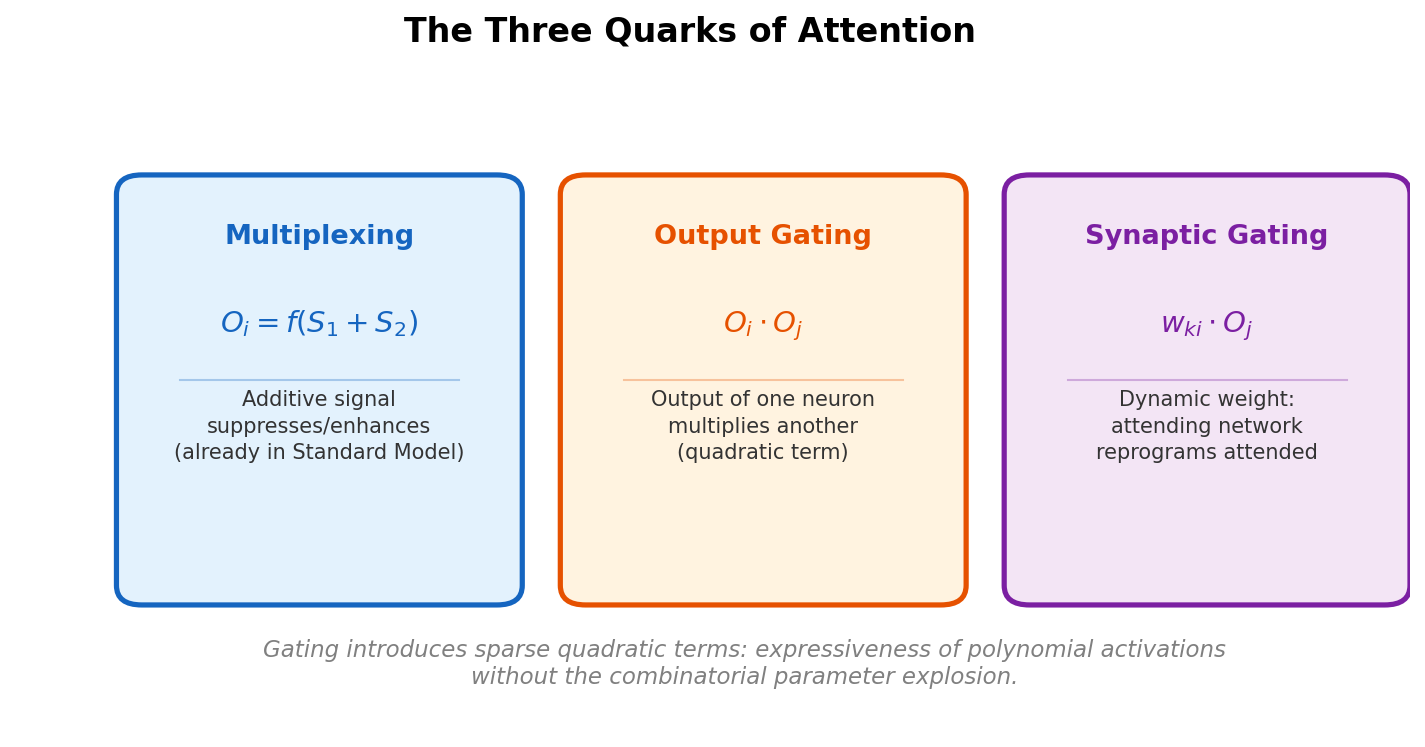
The three quarks of attention: multiplexing (additive), output gating (multiplicative output), and synaptic gating (multiplicative weight)

The Quarks of Attention: Building Blocks of Attention

Baldi and Vershynin systematically classify the fundamental building blocks of attention (activation attention, output gating, synaptic gating) by source, target, and mechanism, then prove capacity bounds showing that gating introduces quadratic terms sparsely, gaining expressiveness without the full cost of polynomial activations.

Document Processing
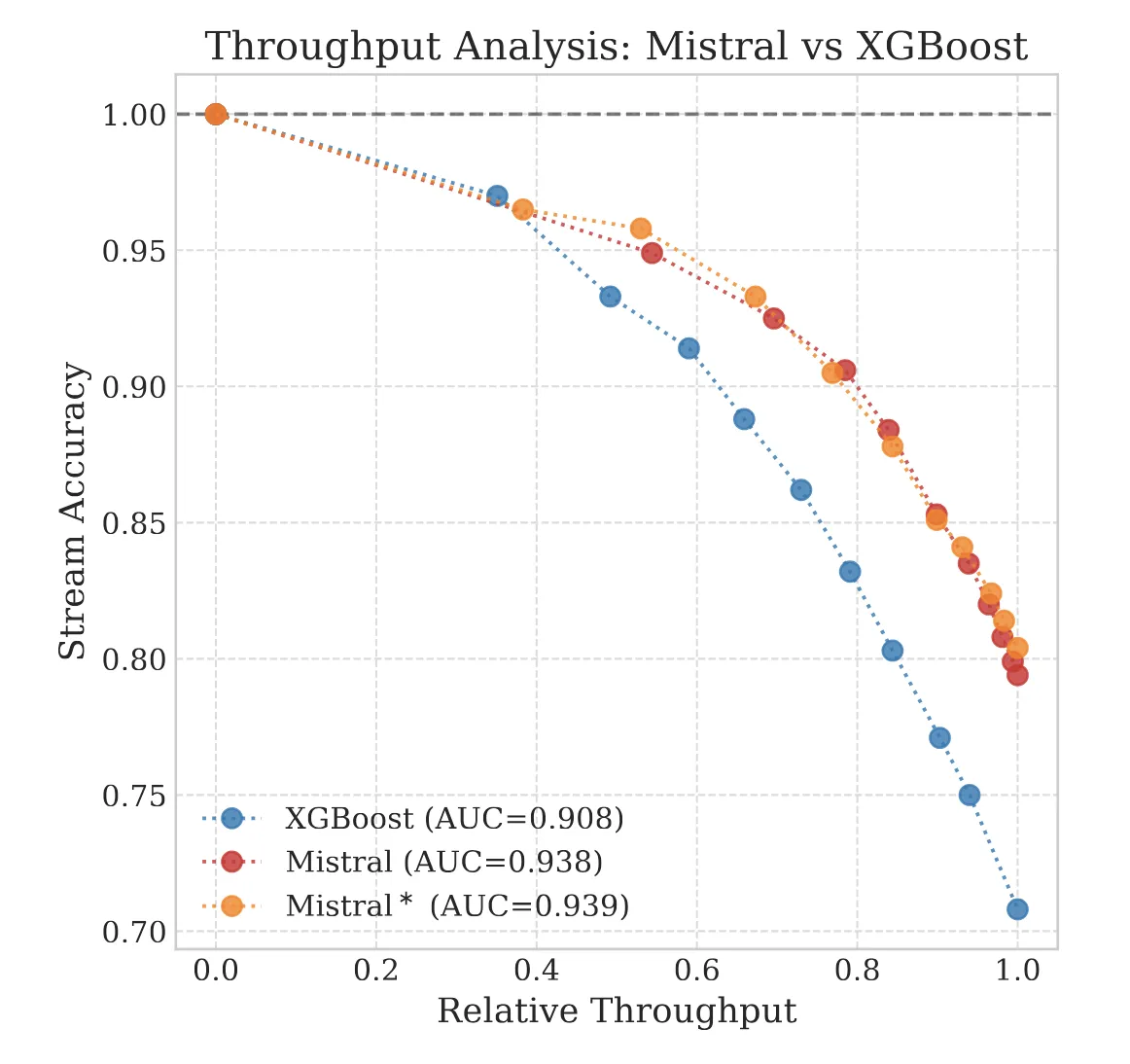
Chart showing the trade-off between accuracy and throughput in document automation

The Reliability Trap: The Limits of 99% Accuracy

We explore the ‘Silent Failure’ mode of LLMs in production: the limits of 99% accuracy for reliability, how confidence decays in long documents, and why standard calibration techniques struggle to fix it.

Document Processing
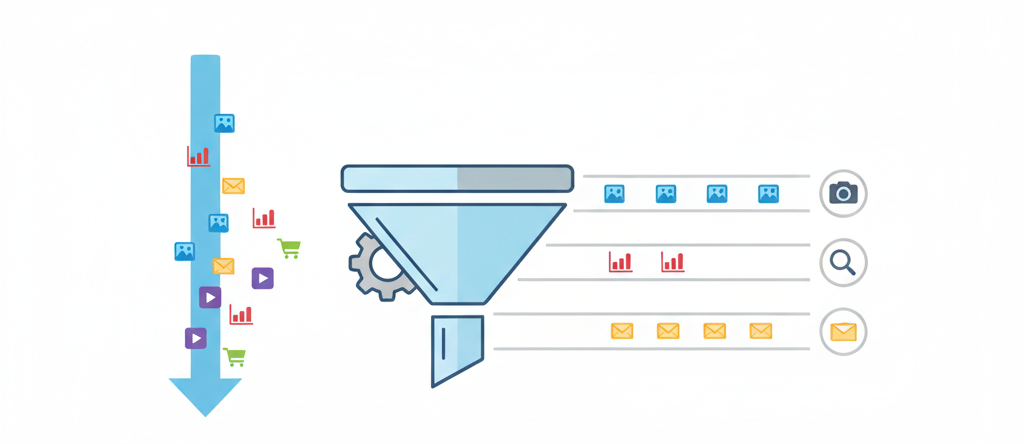
Conceptual diagram of page stream segmentation sorting pages into documents

The Evolution of Page Stream Segmentation: Rules to LLMs

We trace the history of Page Stream Segmentation (PSS) through three eras (Heuristic, Encoder, and Decoder) and explain how privacy-preserving, localized LLMs enable true semantic processing.

Molecular Representations
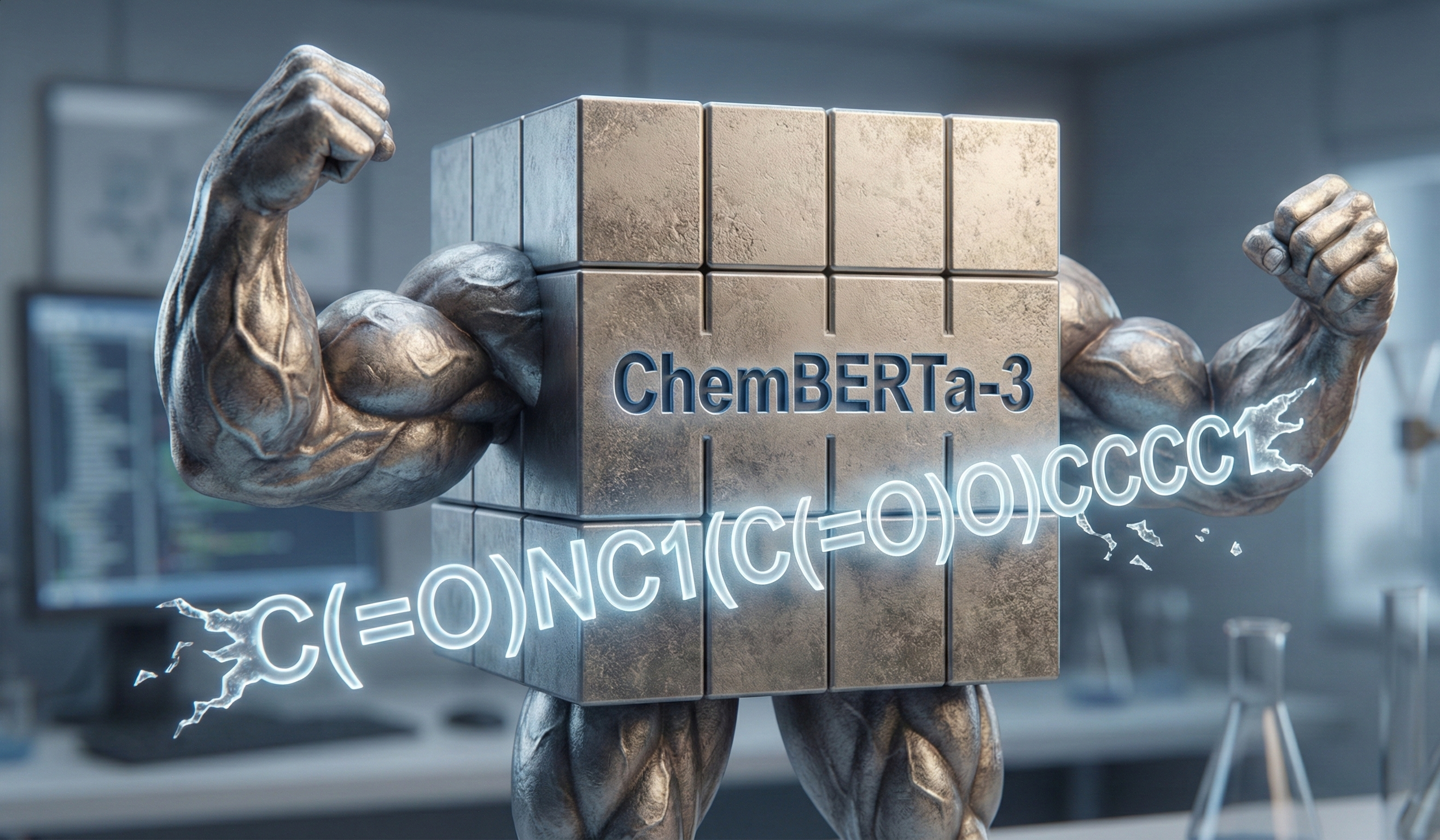
ChemBERTa-3 visualization showing muscular arms lifting a stack of building blocks representing molecular data with SMILES notation, symbolizing the power and scalability of the open-source training framework

ChemBERTa-3: Open Source Chemical Foundation Models

ChemBERTa-3 provides a unified, scalable infrastructure for pretraining and benchmarking chemical foundation models. It addresses reproducibility gaps in previous studies like MoLFormer through standardized scaffold splitting and open-source tooling.

Computational Chemistry
Chemical structures and molecular representations feeding into a neural network model that processes atomized chemical knowledge

ChemDFM-R: Chemical Reasoning LLM with Atomized Knowledge

ChemDFM-R is a 14B-parameter chemical reasoning model that integrates a 101B-token dataset of atomized chemical knowledge. Using a mix-sourced distillation strategy and domain-specific reinforcement learning, it outperforms similarly sized models and DeepSeek-R1 on ChemEval.

Molecular Representations
ChemBERTa-2 visualization showing flowing SMILES strings in blue tones representing molecular data streams

ChemBERTa-2: Scaling Molecular Transformers to 77M

This work investigates the scaling hypothesis for molecular transformers, training RoBERTa models on 77M SMILES from PubChem. It compares Masked Language Modeling (MLM) against Multi-Task Regression (MTR) pretraining, finding that MTR yields better downstream performance but is computationally heavier.

Molecular Generation
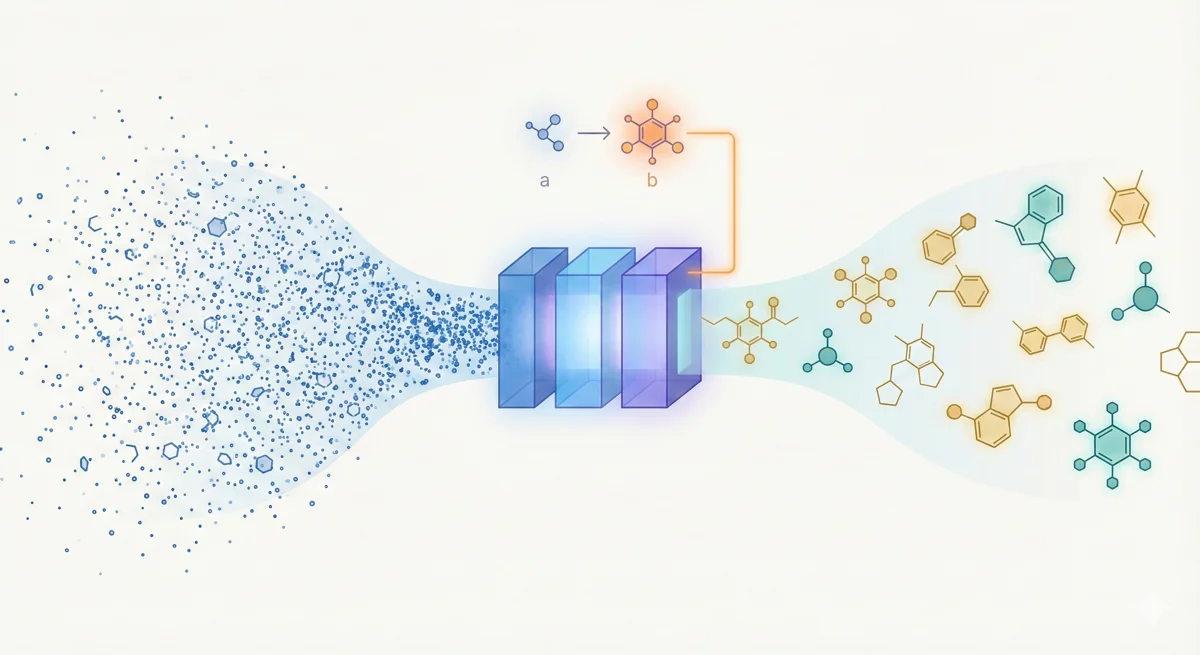
GP-MoLFormer architecture showing large-scale SMILES input, linear-attention transformer decoder, and property optimization via pair-tuning soft prompts

GP-MoLFormer: Molecular Generation via Transformers

This methodological paper proposes a linear-attention transformer decoder trained on 1.1 billion molecules. It introduces pair-tuning for efficient property optimization and establishes empirical scaling laws relating inference compute to generation novelty.

Molecular Representations
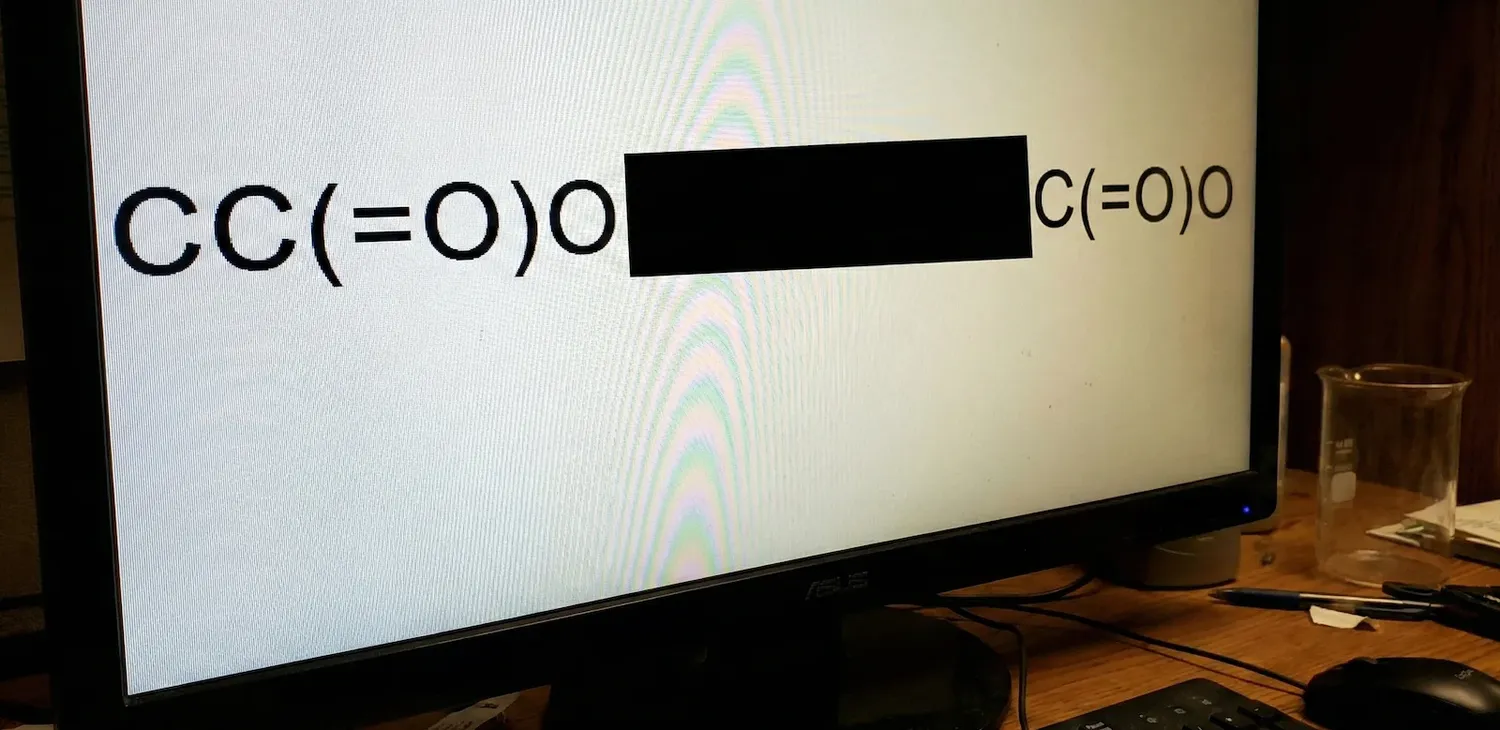
ChemBERTa masked language modeling visualization showing SMILES string CC(=O)O with masked tokens

ChemBERTa: Molecular Property Prediction via Transformers

This paper introduces ChemBERTa, a RoBERTa-based model pretrained on 77M SMILES strings. It systematically evaluates the impact of pretraining dataset size, tokenization strategies, and input representations (SMILES vs. SELFIES) on downstream MoleculeNet tasks, finding that performance scales positively with data size.

Molecular Generation
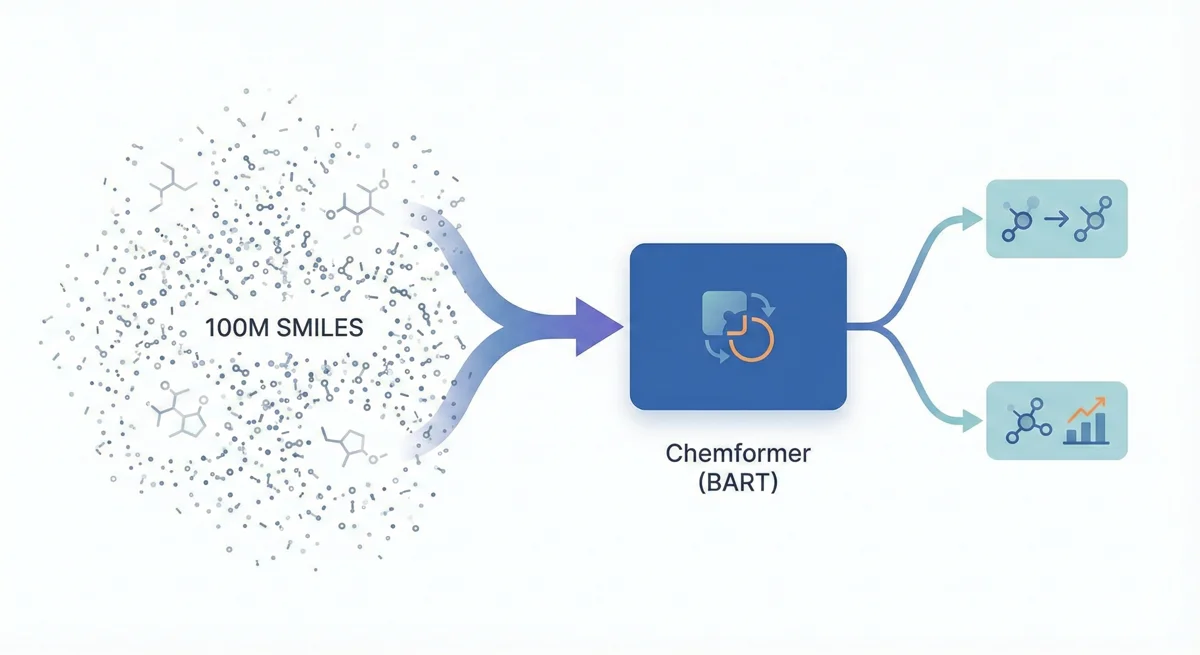
Chemformer pre-training on 100M SMILES strings flowing into BART model, which then enables reaction prediction and property prediction tasks

Chemformer: A Pre-trained Transformer for Comp Chem

This paper introduces Chemformer, a BART-based sequence-to-sequence model pre-trained on 100M molecules using a ‘combined’ masking and augmentation task. It achieves top-1 accuracy on reaction prediction benchmarks while significantly reducing training time through transfer learning.