Computational Chemistry
MolSight: OCSR with RL and Multi-Granularity Learning

MolSight: OCSR with RL and Multi-Granularity Learning

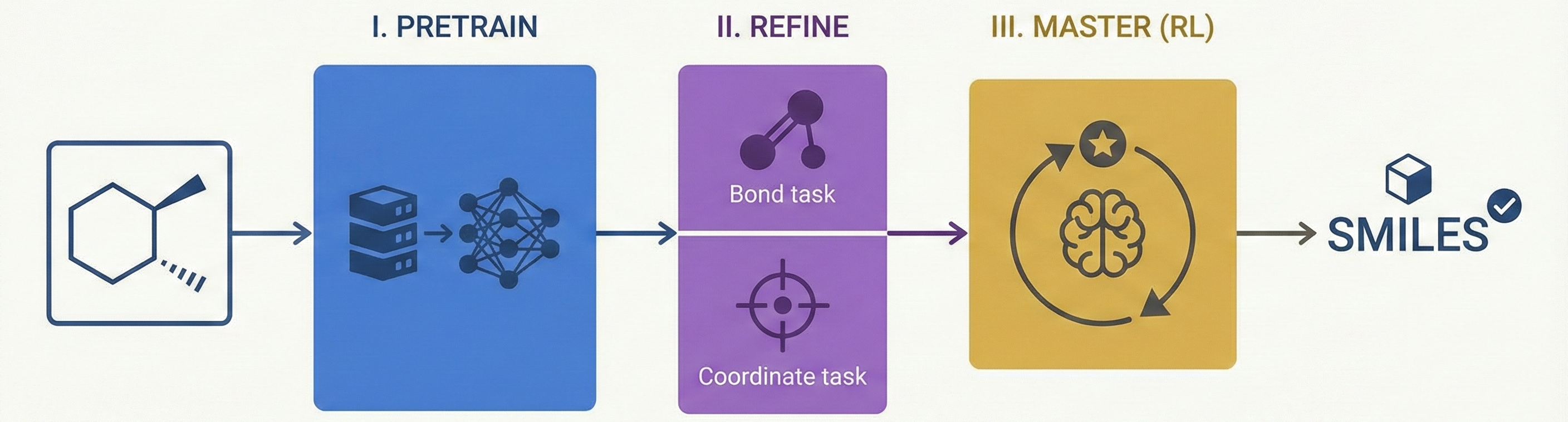
MolSight introduces a three-stage training paradigm for Optical Chemical Structure Recognition (OCSR), utilizing large-scale pretraining, multi-granularity fine-tuning with auxiliary bond and coordinate prediction tasks, and reinforcement learning (GRPO) to achieve state-of-the-art performance in recognizing complex stereochemical structures like chiral centers and cis-trans isomers.
Computational Chemistry
OCSU: Optical Chemical Structure Understanding

OCSU: Optical Chemical Structure Understanding

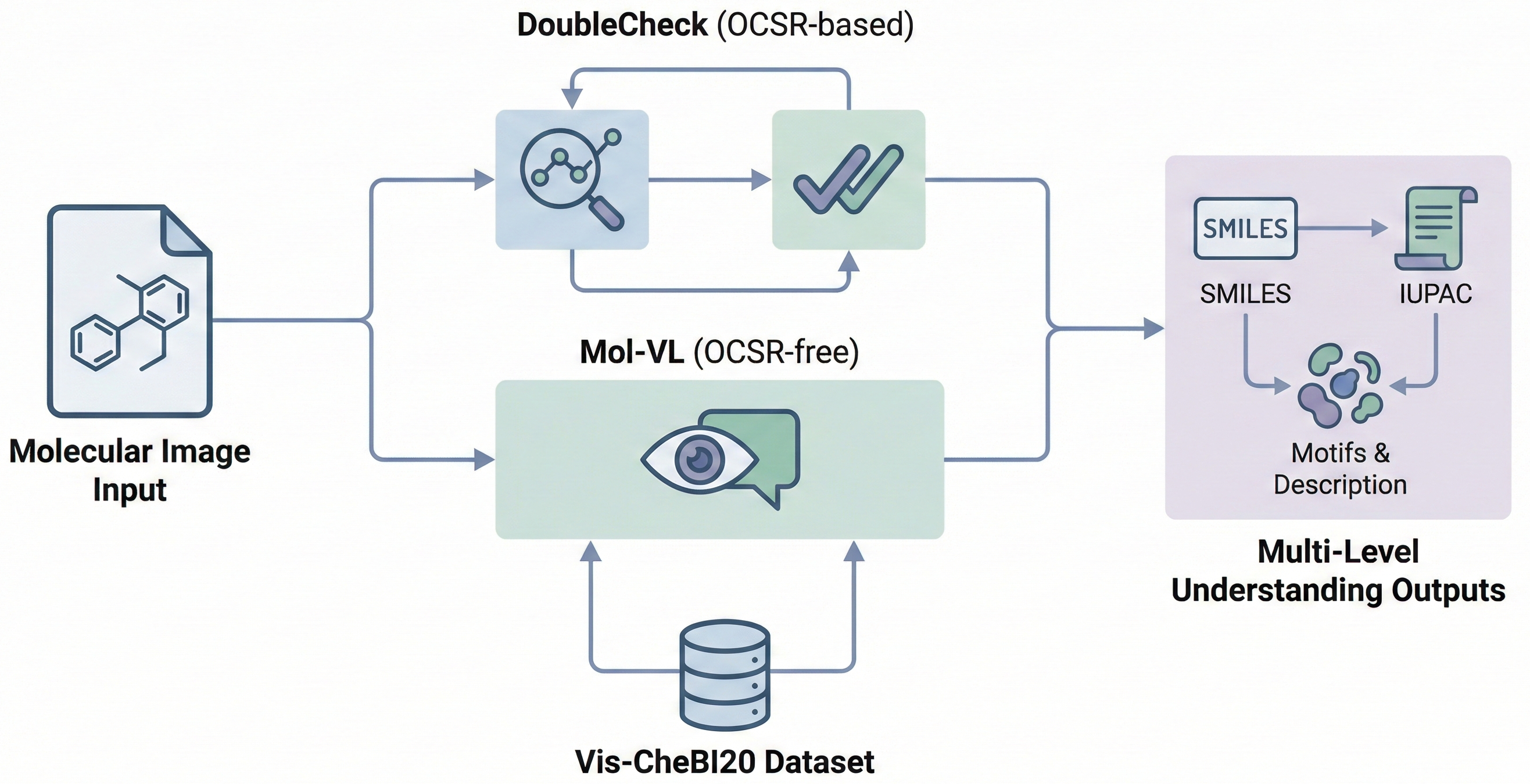
Proposes the ‘Optical Chemical Structure Understanding’ (OCSU) task to translate molecular images into multi-level descriptions (motifs, IUPAC, SMILES). Introduces the Vis-CheBI20 dataset and two paradigms: DoubleCheck (OCSR-based) and Mol-VL (OCSR-free).

Computational Chemistry
DECIMER 1.0: Transformers for Chemical Image Recognition

DECIMER 1.0: Transformers for Chemical Image Recognition

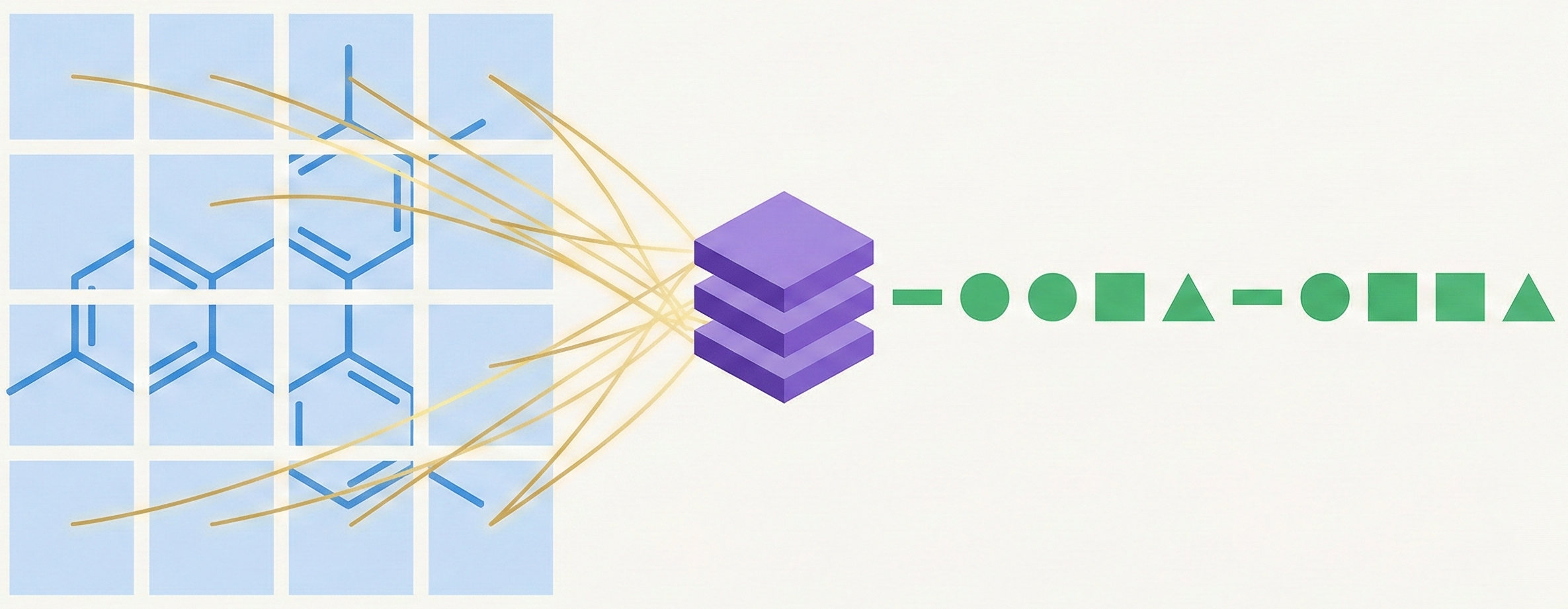
DECIMER 1.0 introduces a Transformer-based architecture coupled with EfficientNet-B3 to solve Optical Chemical Structure Recognition. By leveraging the robust SELFIES representation and scaling training to over 35 million molecules, it achieves state-of-the-art accuracy on synthetic benchmarks, offering an open-source solution for mining chemical data from legacy literature.

Computational Chemistry
End-to-End Transformer for Molecular Image Captioning

End-to-End Transformer for Molecular Image Captioning

This paper introduces a convolution-free, end-to-end transformer model for molecular image translation. By replacing CNN encoders with Vision Transformers, it achieves superior performance on noisy datasets compared to ResNet-LSTM baselines.

Computational Chemistry
ICMDT: Automated Chemical Image Recognition with Deep TNT

ICMDT: Automated Chemical Image Recognition

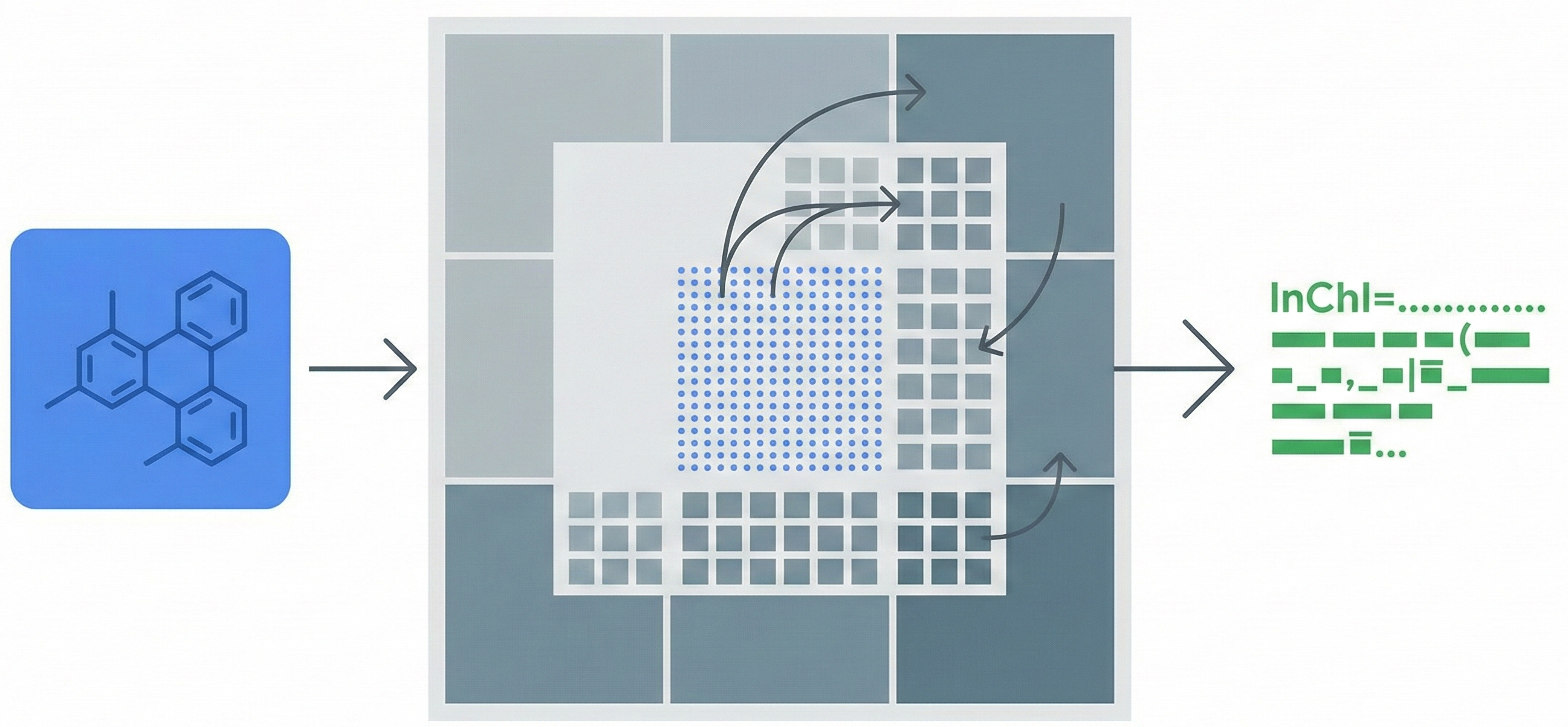
This paper introduces ICMDT, a Transformer-based architecture for molecular translation (image-to-InChI). By enhancing the TNT block to fuse pixel, small patch, and large patch embeddings, the model achieves superior accuracy on the Bristol-Myers Squibb dataset compared to CNN-RNN and standard Transformer baselines.

Computational Chemistry

Image2SMILES: Transformer OCSR with Synthetic Data Pipeline

A Transformer-based system for optical chemical structure recognition introducing a comprehensive data generation pipeline (FG-SMILES, Markush structures, visual contamination) achieving 79% accuracy on real-world images, outperforming rule-based systems like OSRA.

Computational Chemistry

String Representations for Chemical Image Recognition

This methodological study isolates the impact of chemical string representations on image-to-text translation models. It finds that while SMILES offers the highest overall accuracy, SELFIES provides a guarantee of structural validity, offering a trade-off for OCSR tasks.

Computational Chemistry

SwinOCSR: Vision Transformers for Chemical OCR

Proposes an end-to-end architecture replacing standard CNN backbones with Swin Transformer to capture global image context. Introduces Multi-label Focal Loss to handle severe token imbalance in chemical datasets.

Computational Chemistry
Optical chemical structure recognition example

IMG2SMI: Translating Molecular Structure Images to SMILES

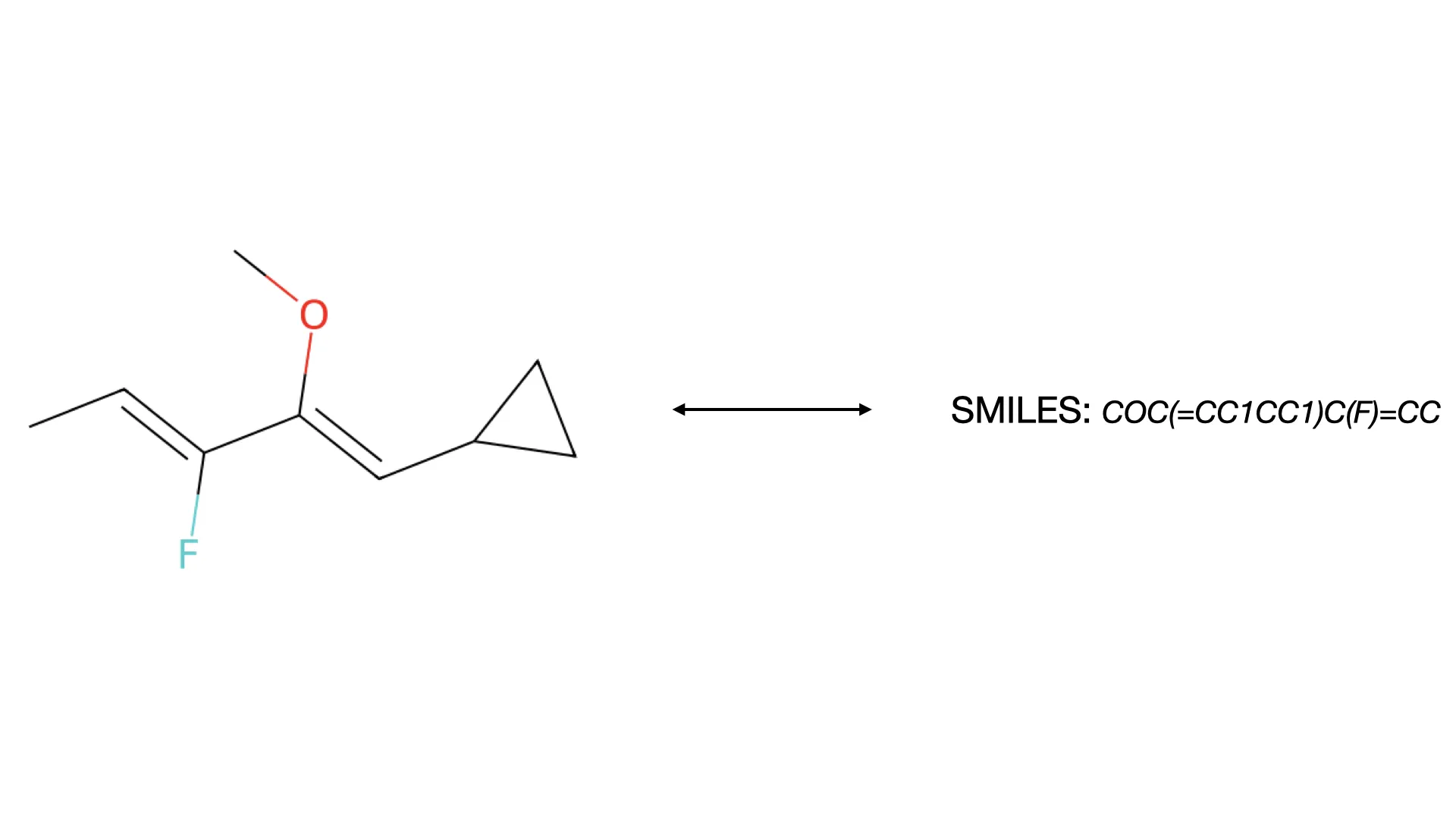
A 2021 image-to-text approach treating OCSR as an image captioning task. It uses Transformers with SELFIES representation to convert molecular structure diagrams into SMILES strings, unlocking visual chemical knowledge from scientific literature.

Computational Chemistry
GTR-CoT: Graph Traversal Chain-of-Thought for Molecules

GTR-CoT: Graph Traversal Chain-of-Thought for Molecules

A 2025 Vision-Language Model for OCSR that uses graph traversal chain-of-thought reasoning to handle chemical abbreviations (Ph, Et, etc.) that break existing systems, achieving state-of-the-art performance by training on data where abbreviations are preserved.

Computational Chemistry
αExtractor extracts structured chemical information from biomedical literature

αExtractor: Chemical Info from Biomedical Literature

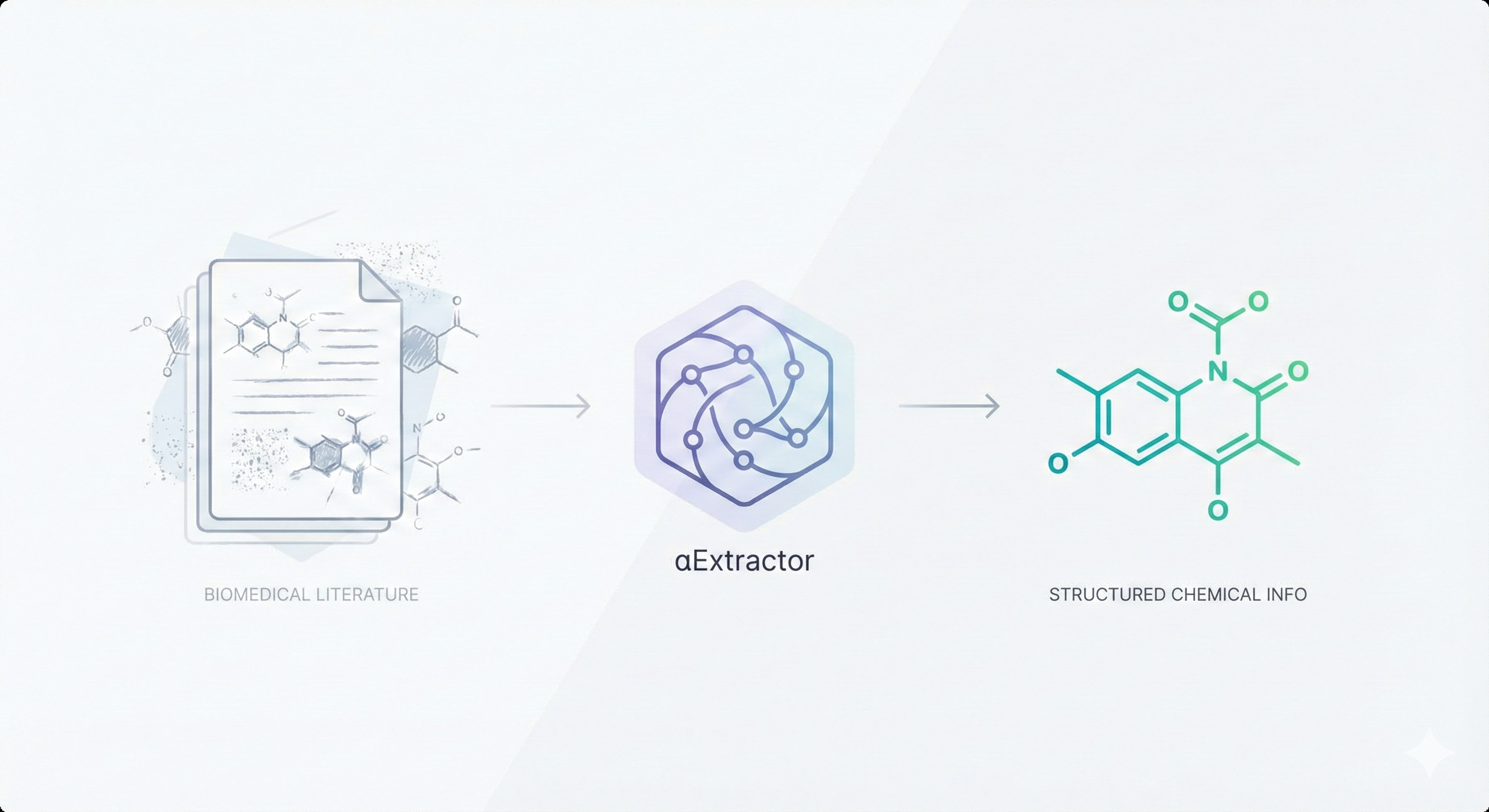
A 2024 deep learning system for optical chemical structure recognition designed specifically for biomedical literature mining, using ResNet-Transformer architecture to handle challenging conditions including low-resolution images, noise, distortions, and even hand-drawn molecular diagrams from scientific documents.

Computational Chemistry
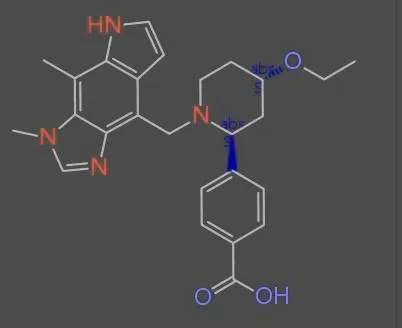
A colored molecule with annotations, representing the diverse drawing styles found in scientific papers that OCSR models must handle.

MolParser-7M & WildMol: Large-Scale OCSR Datasets

The MolParser project introduces two key datasets: MolParser-7M, the largest training dataset for Optical Chemical Structure Recognition (OCSR) with 7.7M pairs of images and E-SMILES strings, and WildMol, a new 20k-sample benchmark for evaluating models on challenging real-world data. The training data uniquely combines millions of diverse synthetic molecules with 400,000 manually annotated in-the-wild samples to significantly enhance model robustness.