Generative Modeling
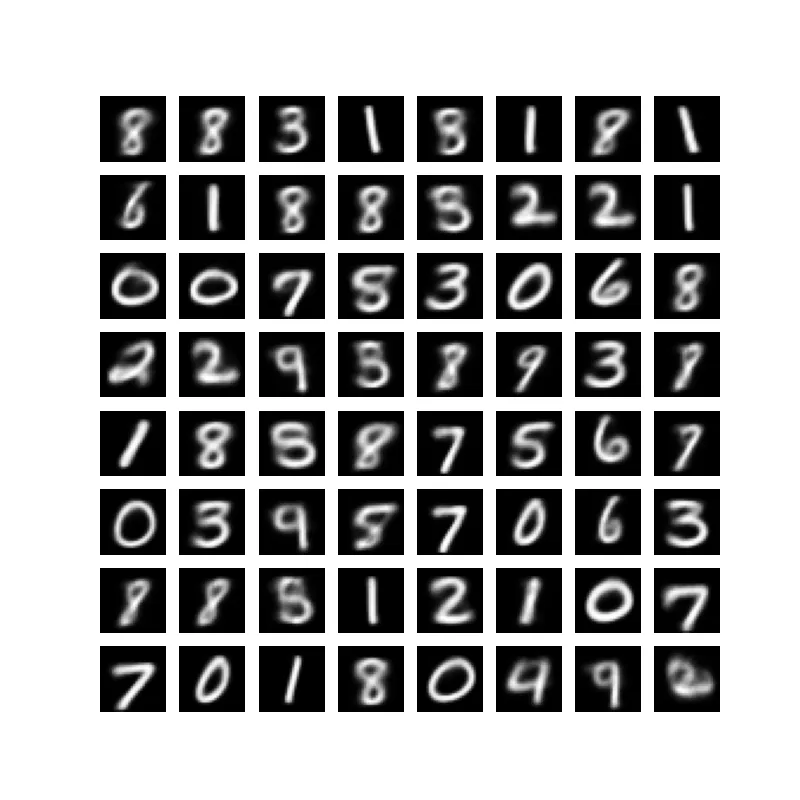
MNIST digit samples generated from a Variational Autoencoder latent space

Importance Weighted Autoencoders: Beyond the Standard VAE

Discover how Importance Weighted Autoencoders (IWAEs) use the same architecture as VAEs with a fundamentally more powerful objective to leverage multiple samples effectively.

Computational Chemistry
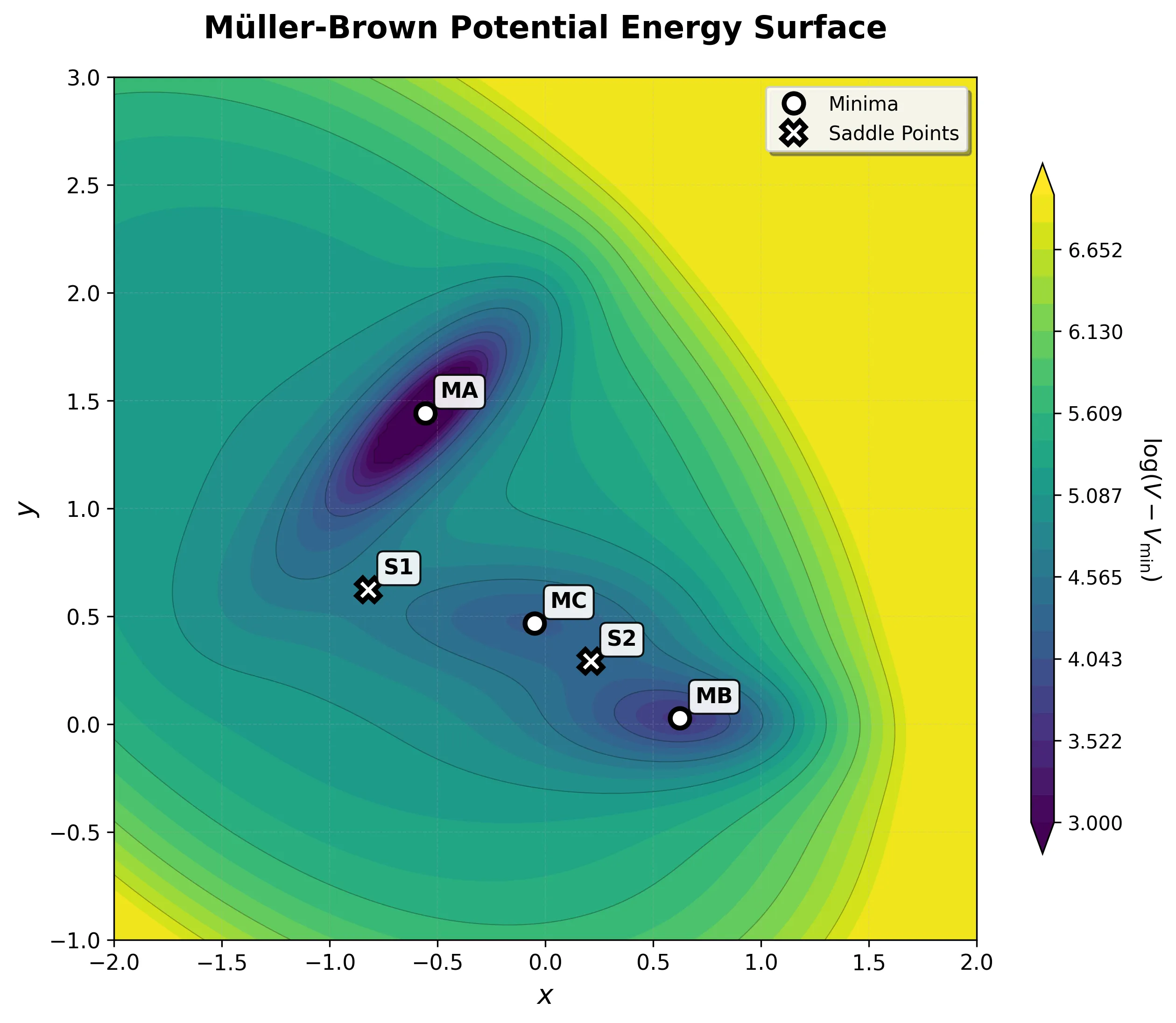
Müller-Brown Potential Energy Surface showing the three minima and two saddle points

Implementing the Müller-Brown Potential in PyTorch

Step-by-step implementation of the classic Müller-Brown potential in PyTorch, with performance comparisons between analytical and automatic differentiation approaches for molecular dynamics and machine learning applications.

Computational Chemistry
Muller-Brown potential energy surface

Müller-Brown Basin MA: Langevin Dynamics Simulation

Observe confined particle motion in the deep reactant well of the Müller-Brown potential. This simulation demonstrates thermal motion within a stable energy minimum at -146.70 kJ/mol.

Computational Chemistry
Muller-Brown potential energy surface

Müller-Brown Basin MB: Langevin Dynamics Simulation

Watch particle dynamics in the product minimum of the Müller-Brown potential. This simulation shows intermediate thermal motion behavior at -108.17 kJ/mol energy level.

Computational Chemistry
Müller-Brown Potential Energy Surface showing the three minima and two saddle points

Müller-Brown Potential: A PyTorch ML Testbed

A high-performance, GPU-accelerated PyTorch testbed for ML-MD algorithms featuring JIT-compiled analytical Jacobian force kernels achieving 3-10x speedup over autograd, robust Langevin dynamics with Velocity-Verlet integration, and modular architecture designed as ground-truth validation for novel machine learning approaches in molecular dynamics.

Computational Chemistry
Muller-Brown potential energy surface

Müller-Brown Transition: Langevin Dynamics Simulation

Experience rare transition events between energy basins in this extended Müller-Brown simulation. Watch as particles overcome energy barriers to explore different regions of the potential energy landscape.

Natural Language Processing
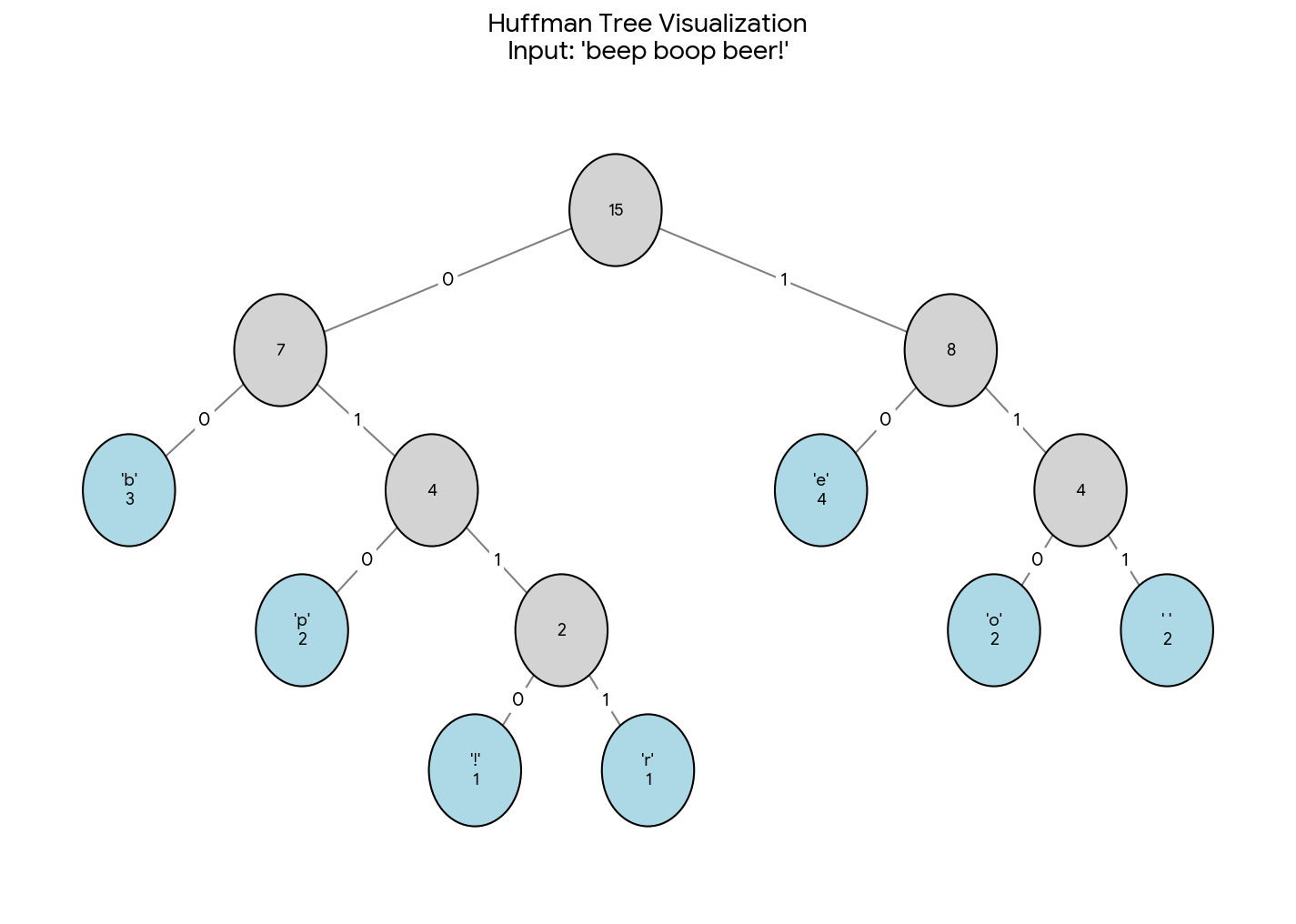
Huffman Tree visualization for the input 'beep boop beer!' showing internal nodes with frequency counts and leaf nodes with characters

High-Performance Word2Vec in Pure PyTorch

A ground-up PyTorch implementation of Word2Vec treating it as a systems engineering challenge, with “tensorized tree” architecture converting pointer-chasing Hierarchical Softmax into dense GPU operations, infinite streaming datasets with Zipfian subsampling, and torch.compile compatibility for production-grade efficiency.

Generative Modeling
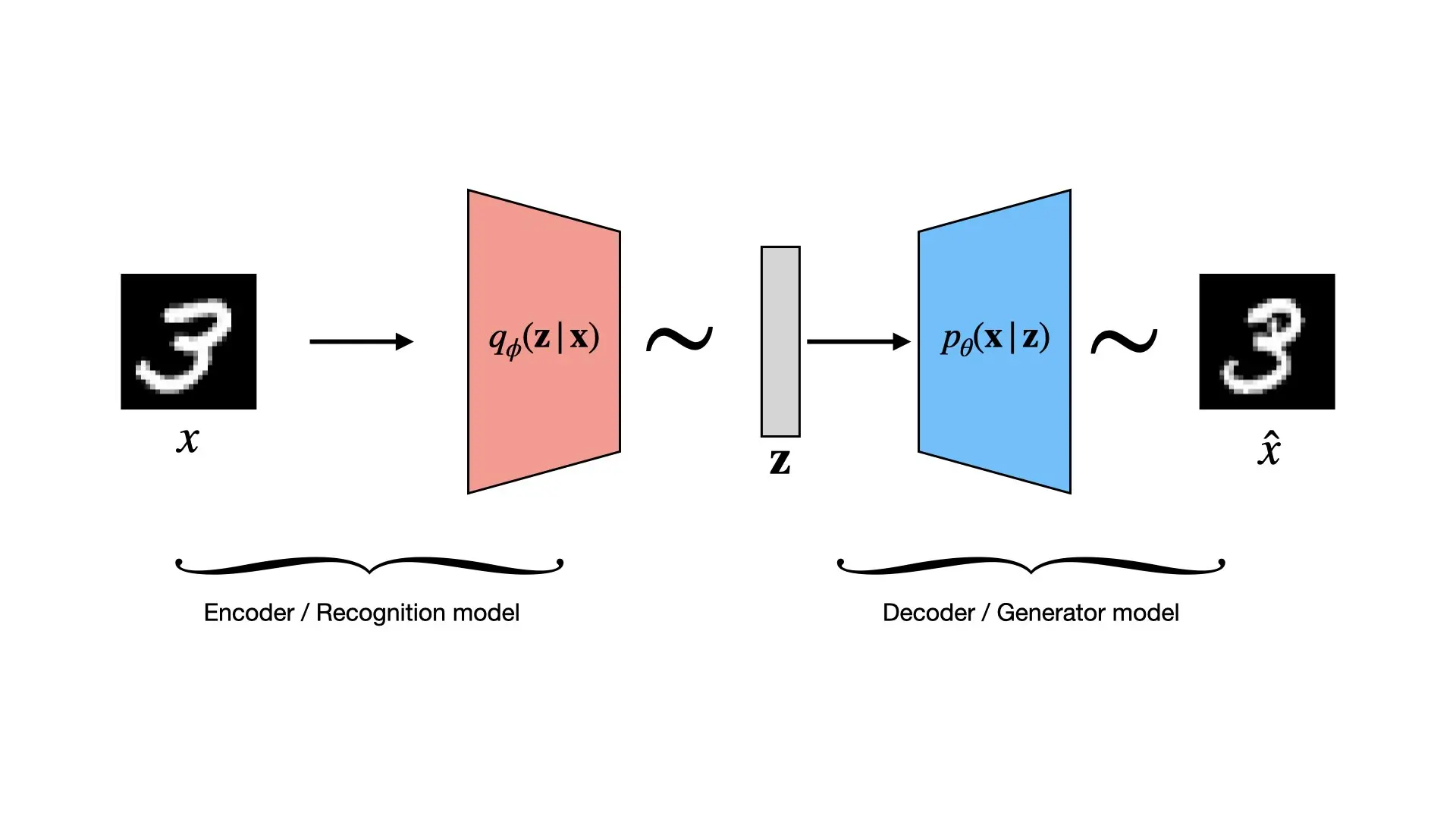
Variational Autoencoder architecture diagram showing encoder, latent space, and decoder

Modern PyTorch VAEs: A Detailed Implementation Guide

A complete guide to implementing modern Variational Autoencoders in PyTorch. Includes a copy-pasteable implementation, explanation of KL annealing to fix posterior collapse, and a deep dive into stable standard deviation parameterizations.

Scientific Computing
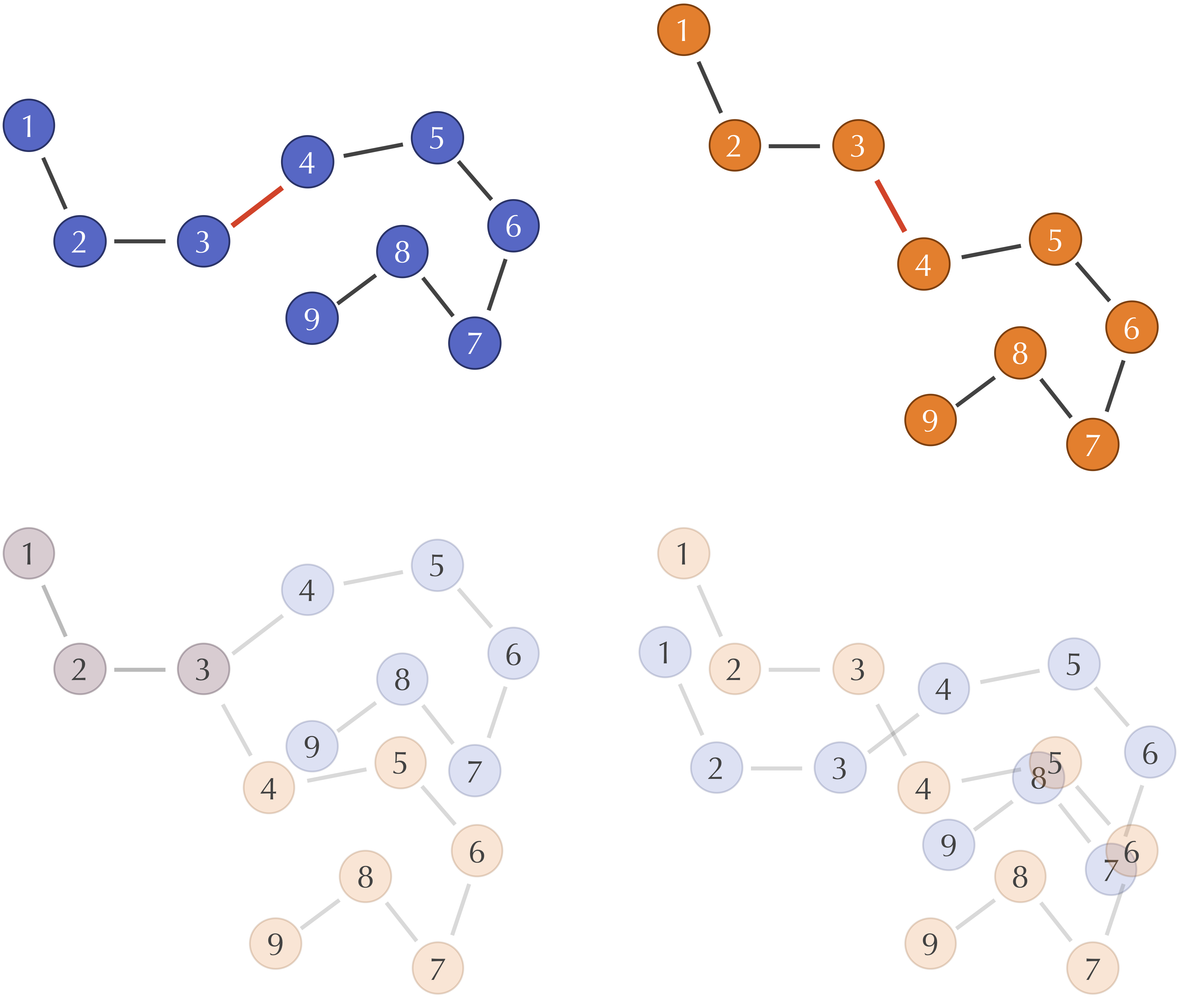
Molecular structure alignment showing protein conformations and RMSD calculation

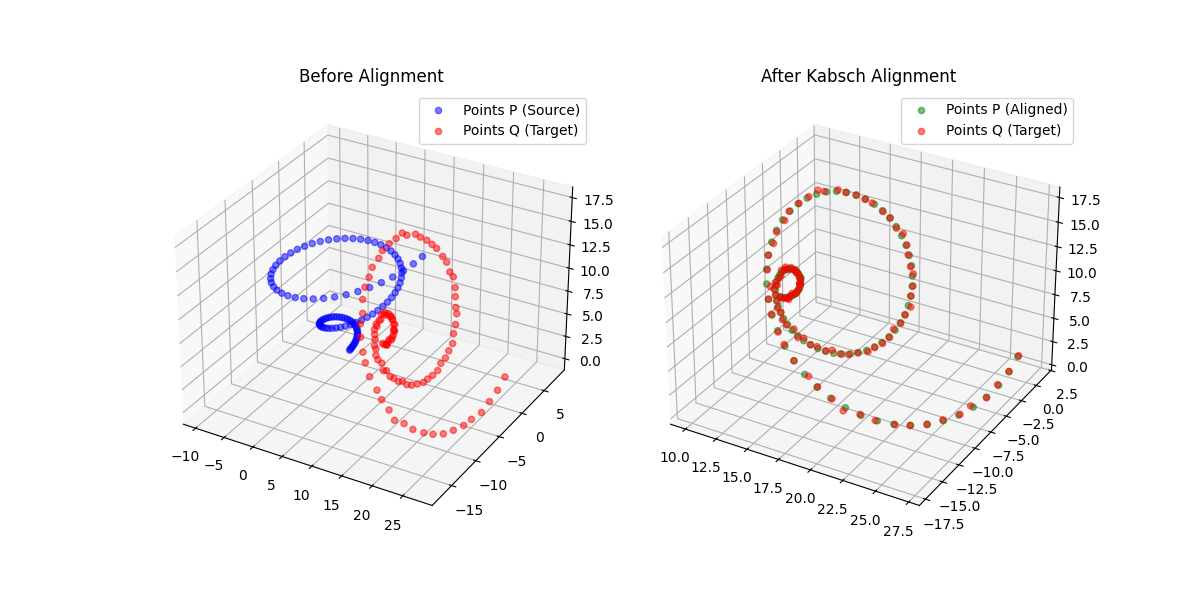
Kabsch Algorithm: NumPy, PyTorch, TensorFlow, and JAX

Learn to align molecular structures and point clouds using the Kabsch algorithm, with differentiable implementations for modern ML frameworks.

Scientific Computing
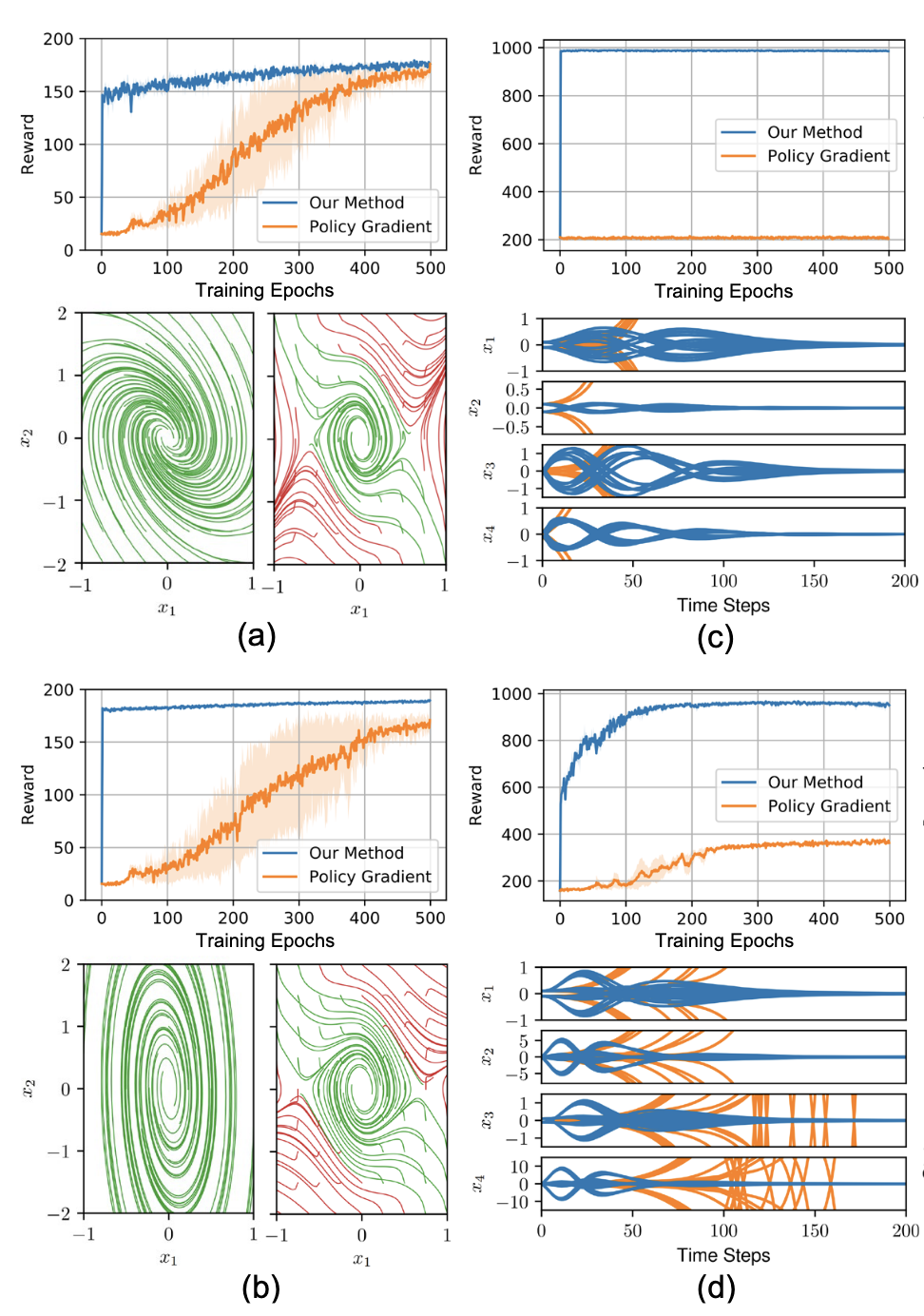
Comparison of IQCRNN (Our Method) vs standard Policy Gradient showing training curves, phase portraits, and state trajectories for control tasks

IQCRNN: Certified Stability for Neural Networks

A PyTorch implementation enforcing strict Lyapunov stability guarantees on recurrent neural network controllers through Integral Quadratic Constraints, bridging 1990s robust control theory with modern deep reinforcement learning by solving semidefinite programs inside the gradient descent loop to provide mathematical certificates of safety.