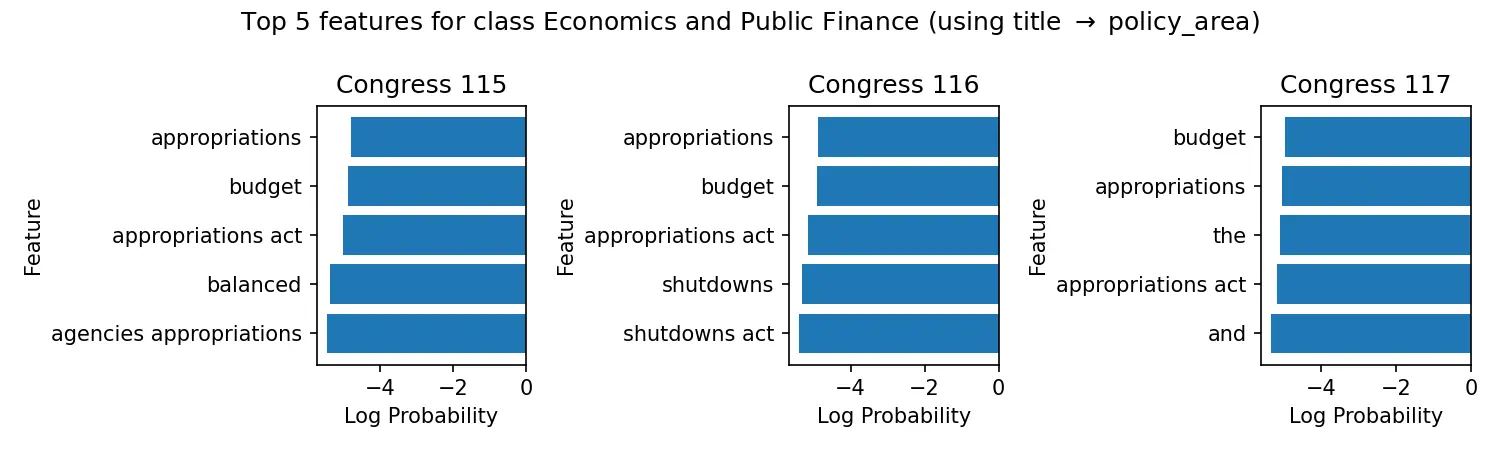
How Does Congress Actually Work? Data from 15K Bills
Only 2% of congressional bills become law. We analyze 15K bills from 2021-2023 to understand what drives legislative success and failure.
Only 2% of congressional bills become law. We analyze 15K bills from 2021-2023 to understand what drives legislative success and failure.
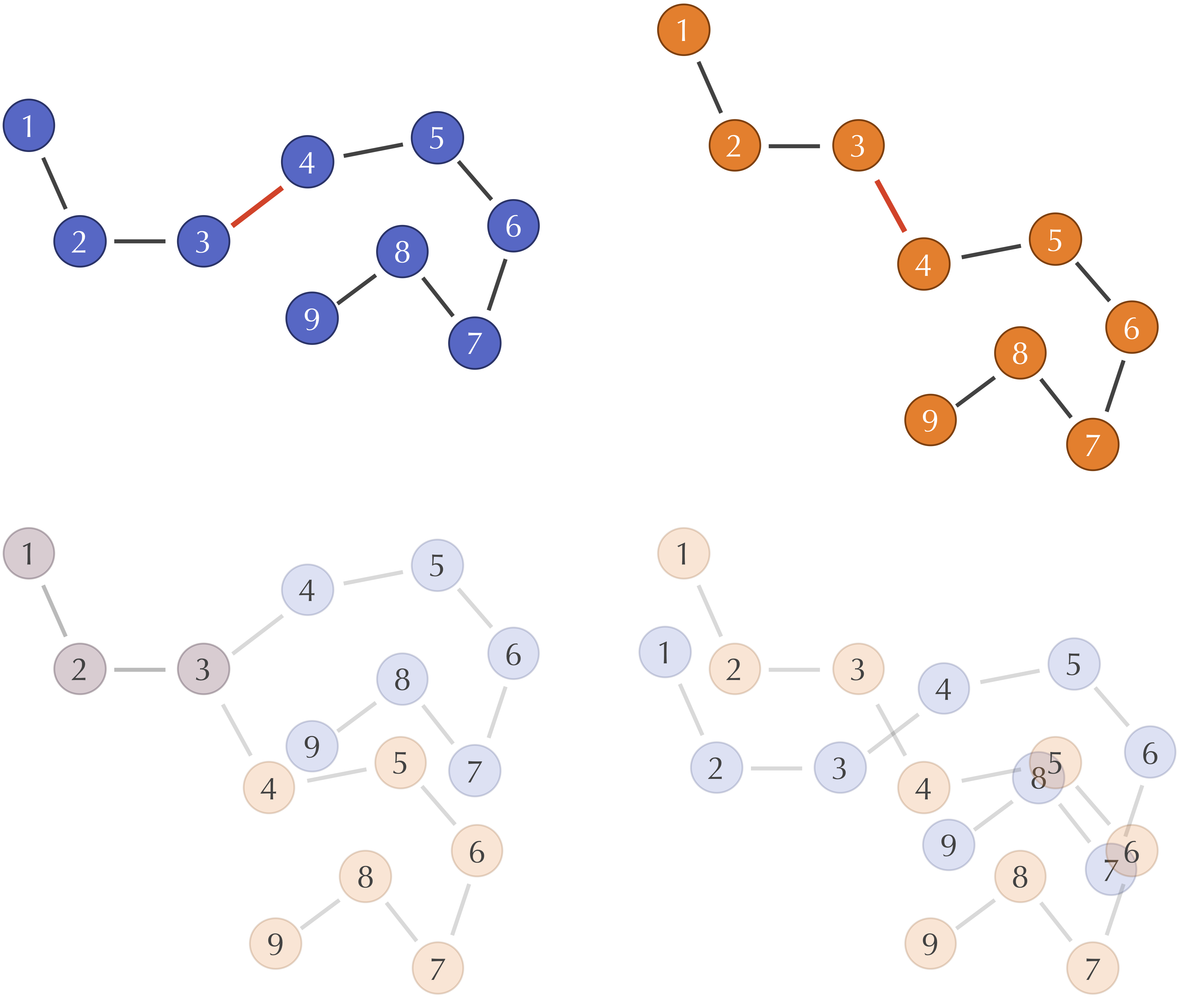
Learn to align molecular structures and point clouds using the Kabsch algorithm, with differentiable implementations for modern ML frameworks.
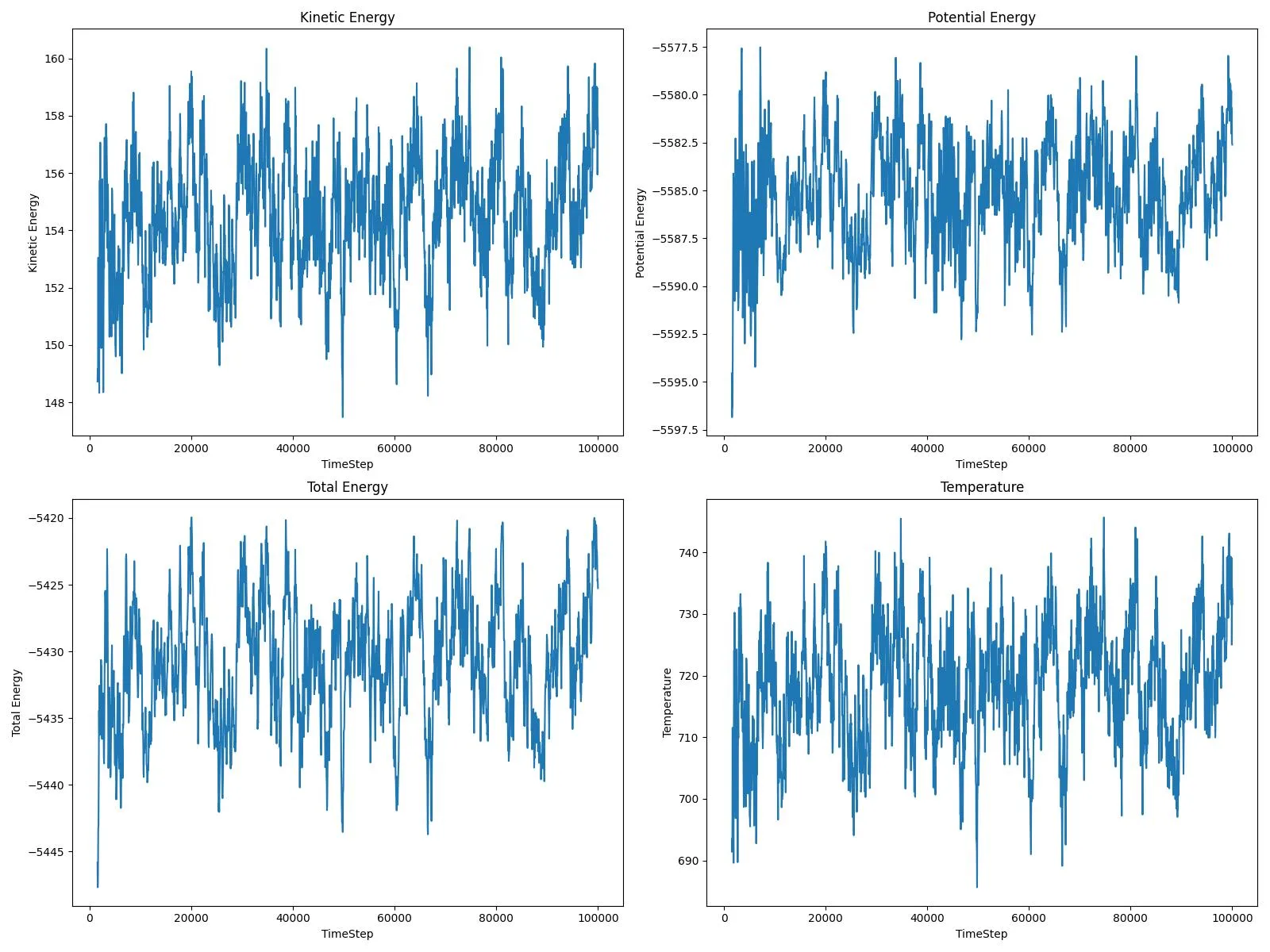
A LAMMPS and EAM workflow simulating adatom diffusion on copper and platinum FCC surfaces, with a Python layer for energy and trajectory diagnostics.
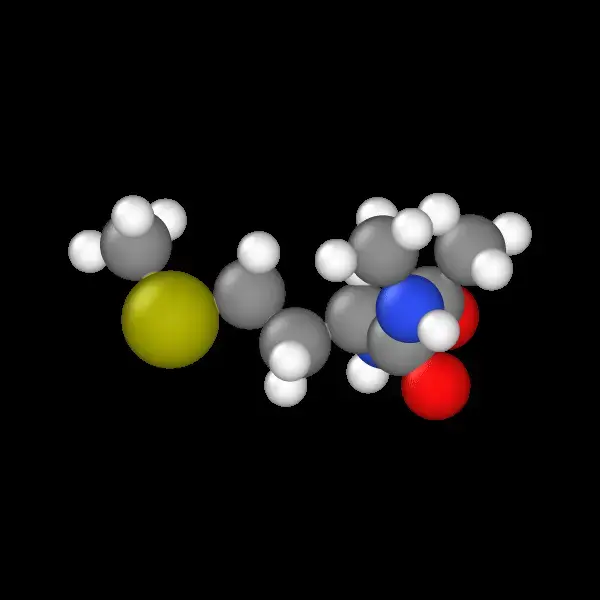
An automated GROMACS pipeline generating ML-ready molecular dynamics datasets: capped dipeptides across nine residues, with atomic forces at 0.1 ps resolution.
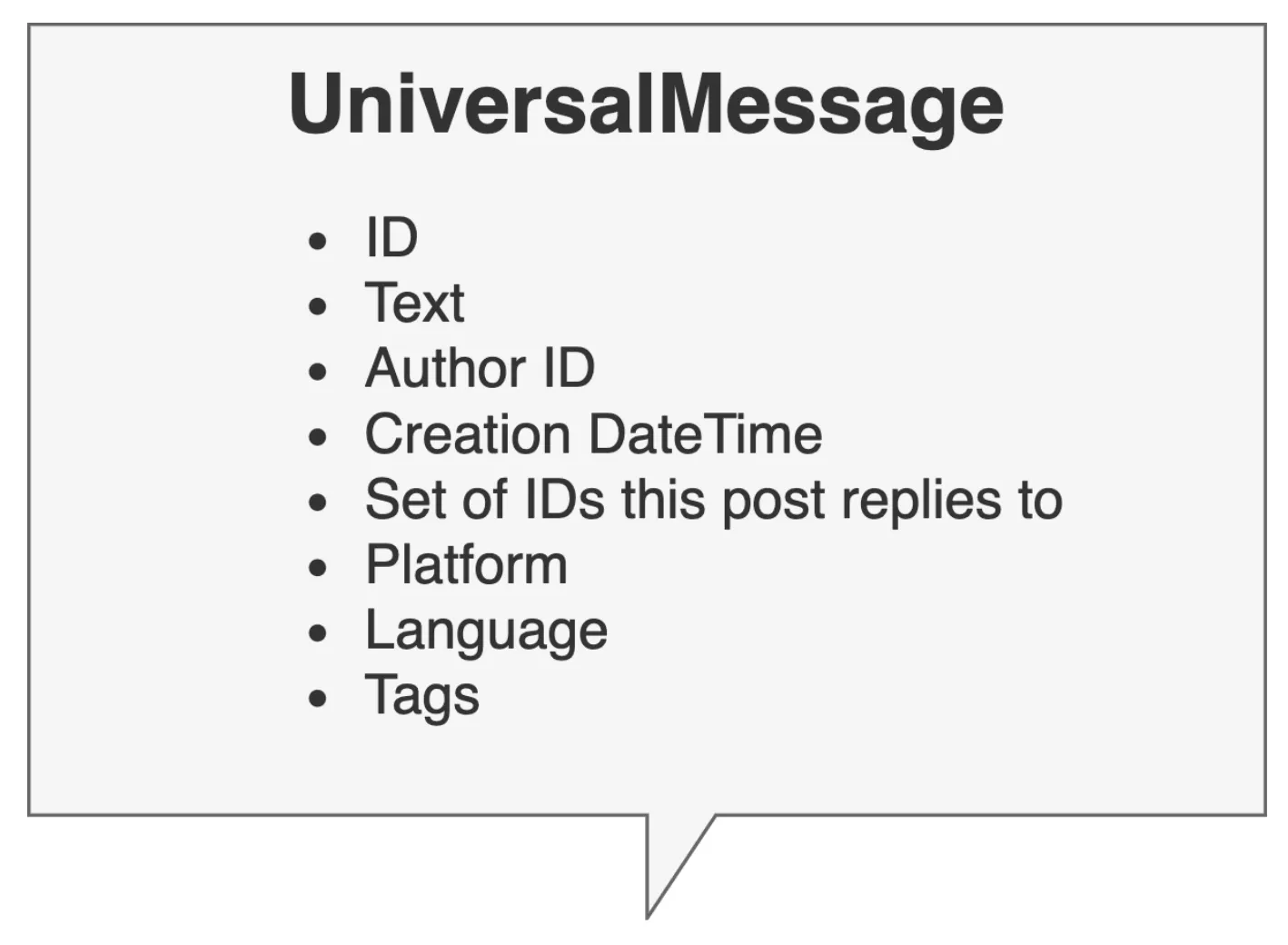
Bachelor’s thesis introducing PyConversations, an open-source library that normalizes over 308 million posts from Twitter, Reddit, Facebook, and 4chan into a unified data model for cross-platform social media research.
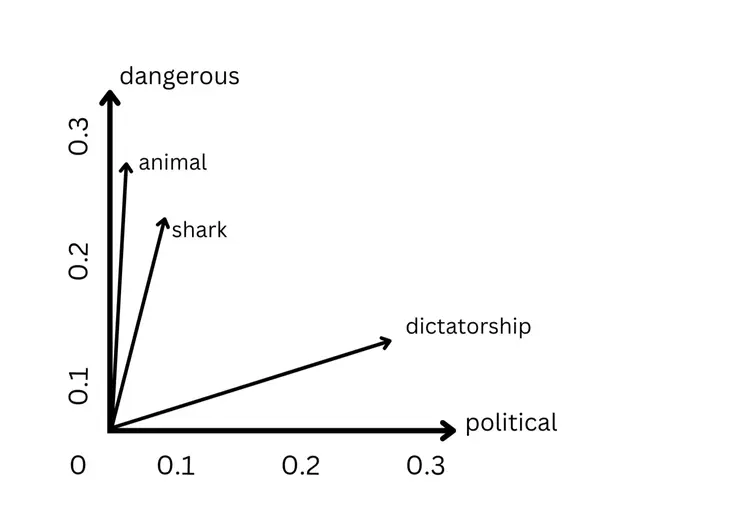
Learn how computers understand words through mathematical vectors, from simple counting methods to contextual embeddings that power modern NLP.

A scraper and recursive backtracking search over Drexel’s Term Master Schedule, enumerating every course schedule that satisfies a set of hard and soft constraints.
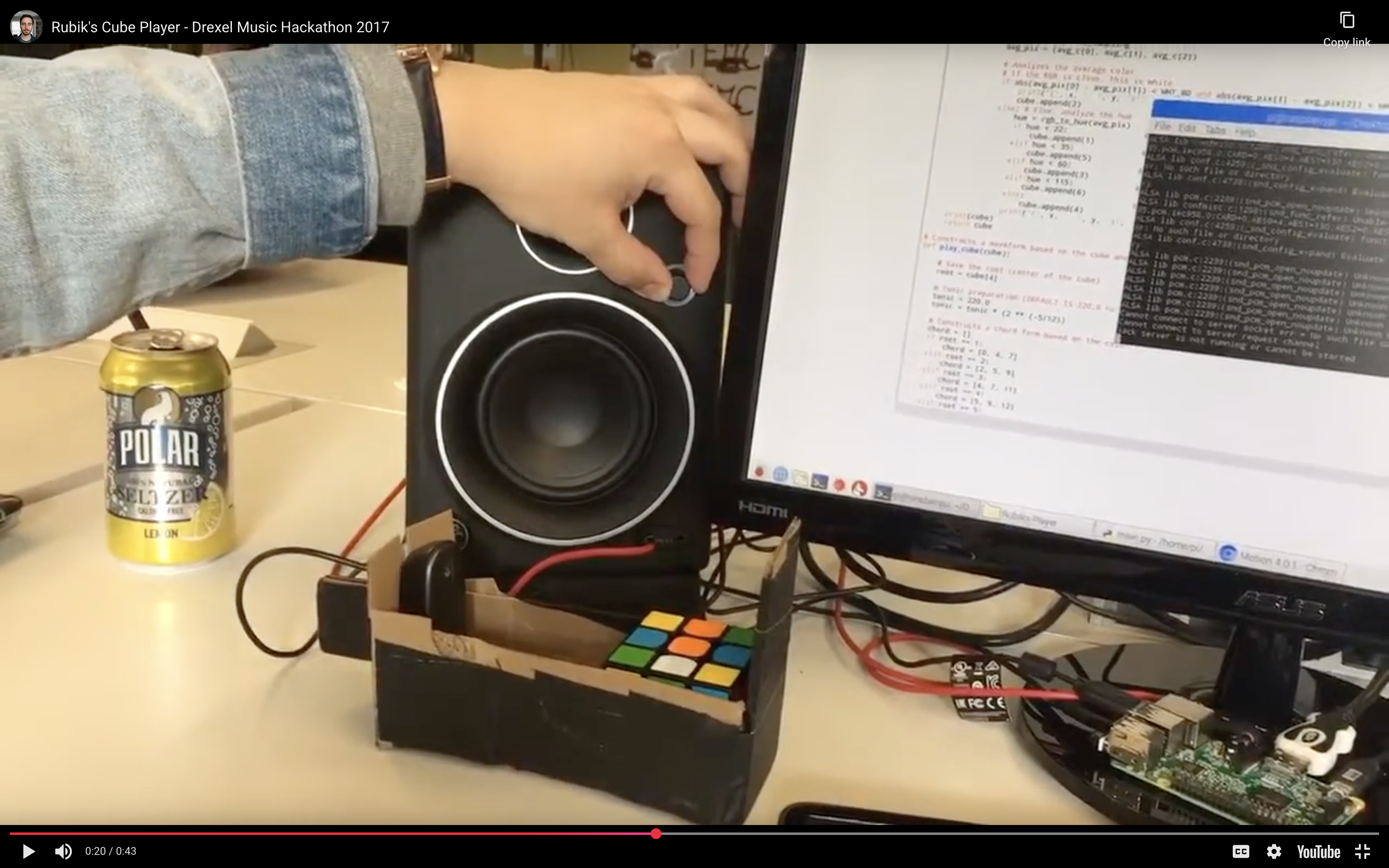
A project I built with Emmanuel Espino and Jason Zogheb at the 2017 Drexel Music Hackathon. It uses computer vision to read a Rubik’s cube and generates music based on how solved each face is.
A 24-hour hackathon build that scans a Rubik’s cube by webcam and sonifies it, synthesizing PCM audio byte-by-byte with equal-temperament intervals.