Computational Chemistry
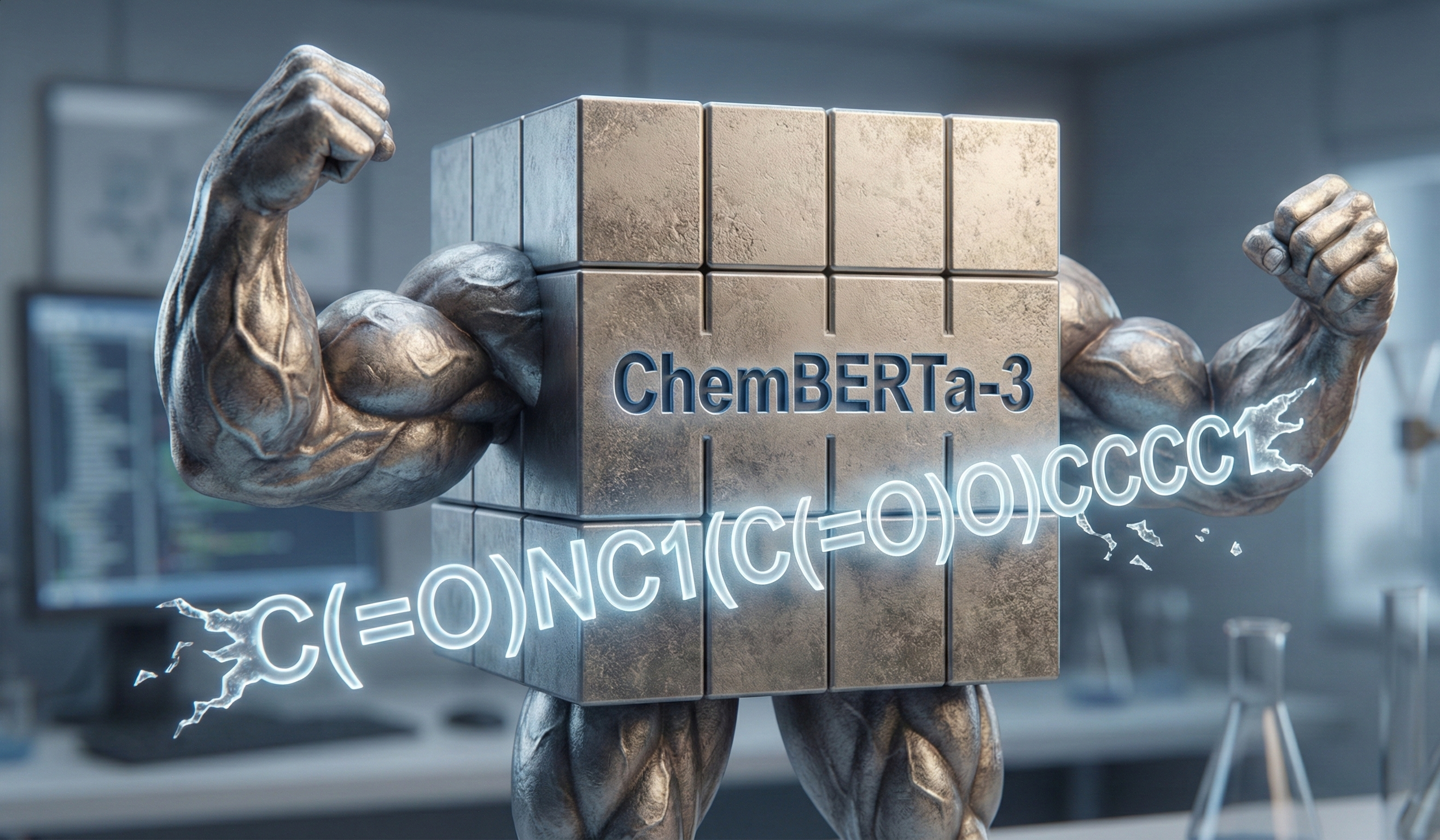
ChemBERTa-3 visualization showing muscular arms lifting a stack of building blocks representing molecular data with SMILES notation, symbolizing the power and scalability of the open-source training framework

ChemBERTa-3: Open Source Chemical Foundation Models

ChemBERTa-3 provides a unified, scalable infrastructure for pretraining and benchmarking chemical foundation models. It addresses reproducibility gaps in previous studies like MoLFormer through standardized scaffold splitting and open-source tooling.

Computational Chemistry
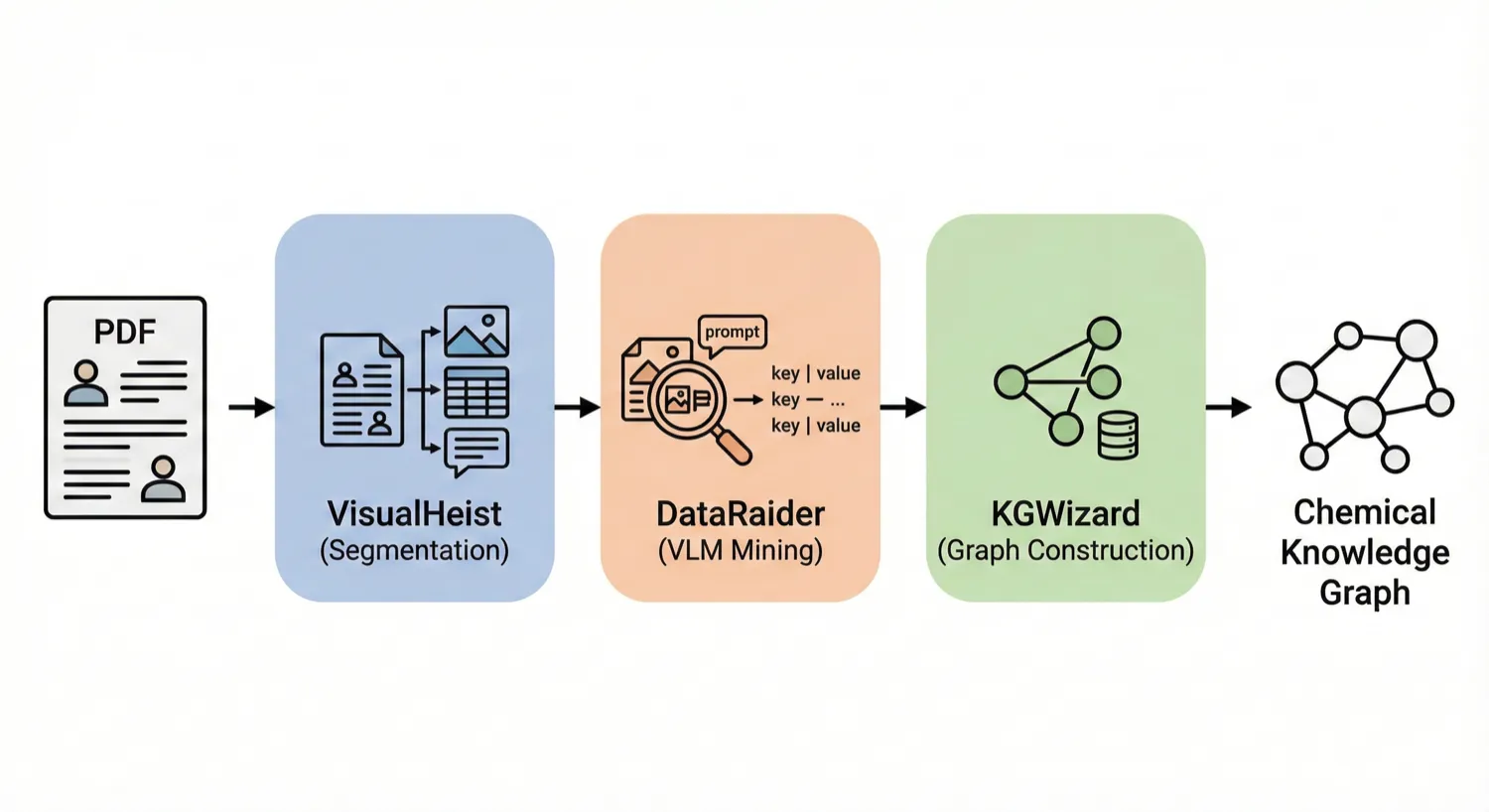
MERMaid pipeline diagram showing PDF processing through VisualHeist segmentation, DataRaider VLM mining, and KGWizard graph construction to produce chemical knowledge graphs

MERMaid: Multimodal Chemical Reaction Mining from PDFs

MERMaid leverages fine-tuned vision models and VLM reasoning to mine chemical reaction data directly from PDF figures and tables. By handling context inference and coreference resolution, it builds high-fidelity knowledge graphs with 87% end-to-end accuracy.

Scientific Computing
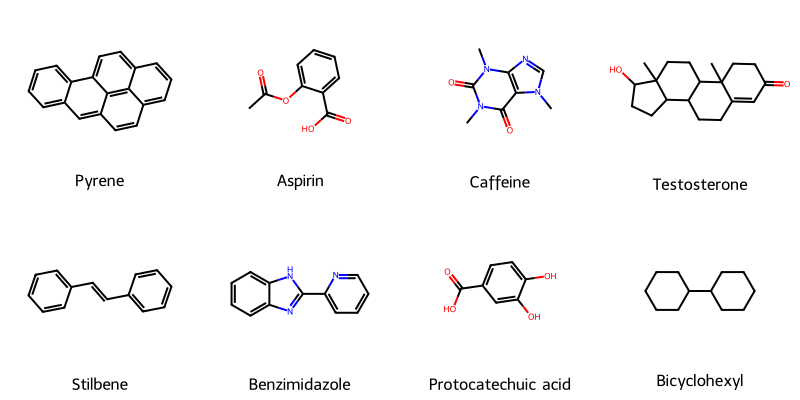
Grid of complex molecular structures rendered from SELFIES and SMILES strings

Molecular String Renderer: Robust Visualization Tool

A fault-tolerant RDKit wrapper treating molecular visualization as a software engineering problem, implementing strategy pattern for SVG generation with automatic raster fallback, native SELFIES support for generative AI workflows, and strict type safety for reliable batch processing of millions of molecules in training pipelines.

Computational Chemistry
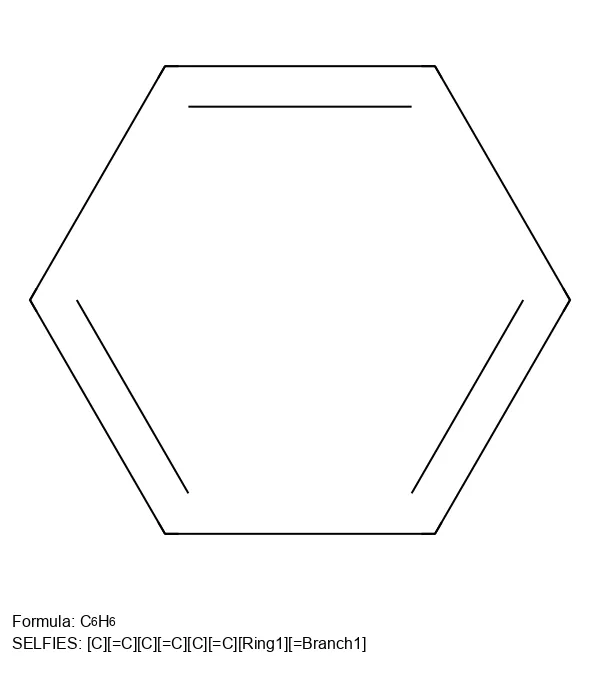
Benzene in SELFIES notation

Recent Advances in the SELFIES Library: 2023 Update

A 2023 software update paper documenting improvements to the SELFIES Python library (v2.1.1), including a streamlined context-free grammar, expanded support for aromatic systems and stereochemistry, customizable semantic constraints, ML utility functions, and performance benchmarks on 300K+ molecules.

Computational Chemistry
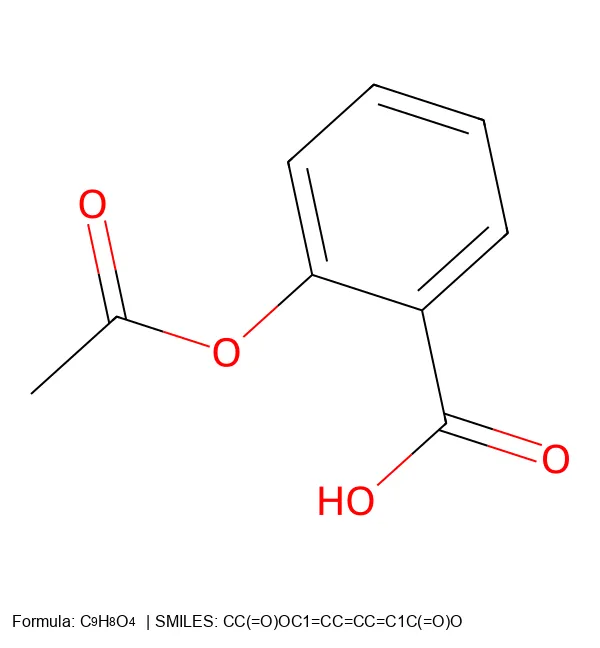
Aspirin molecular structure generated from SMILES string

Converting SMILES and SELFIES to 2D Molecular Images

Build a robust Python CLI tool that converts both SMILES and SELFIES notation into publication-quality 2D molecular images, complete with formulas and legends.

Scientific Computing
Comparison of exponential sampling methods showing histograms from both inverse transform and von Neumann methods overlaid with the theoretical exponential distribution

Exponential Random Numbers: Two Classic Algorithms

Explore two fundamental approaches to generating exponentially distributed random numbers: the modern inverse transform method using logarithms and von Neumann’s ingenious 1951 comparison-based algorithm that avoids transcendental functions entirely.

Scientific Computing
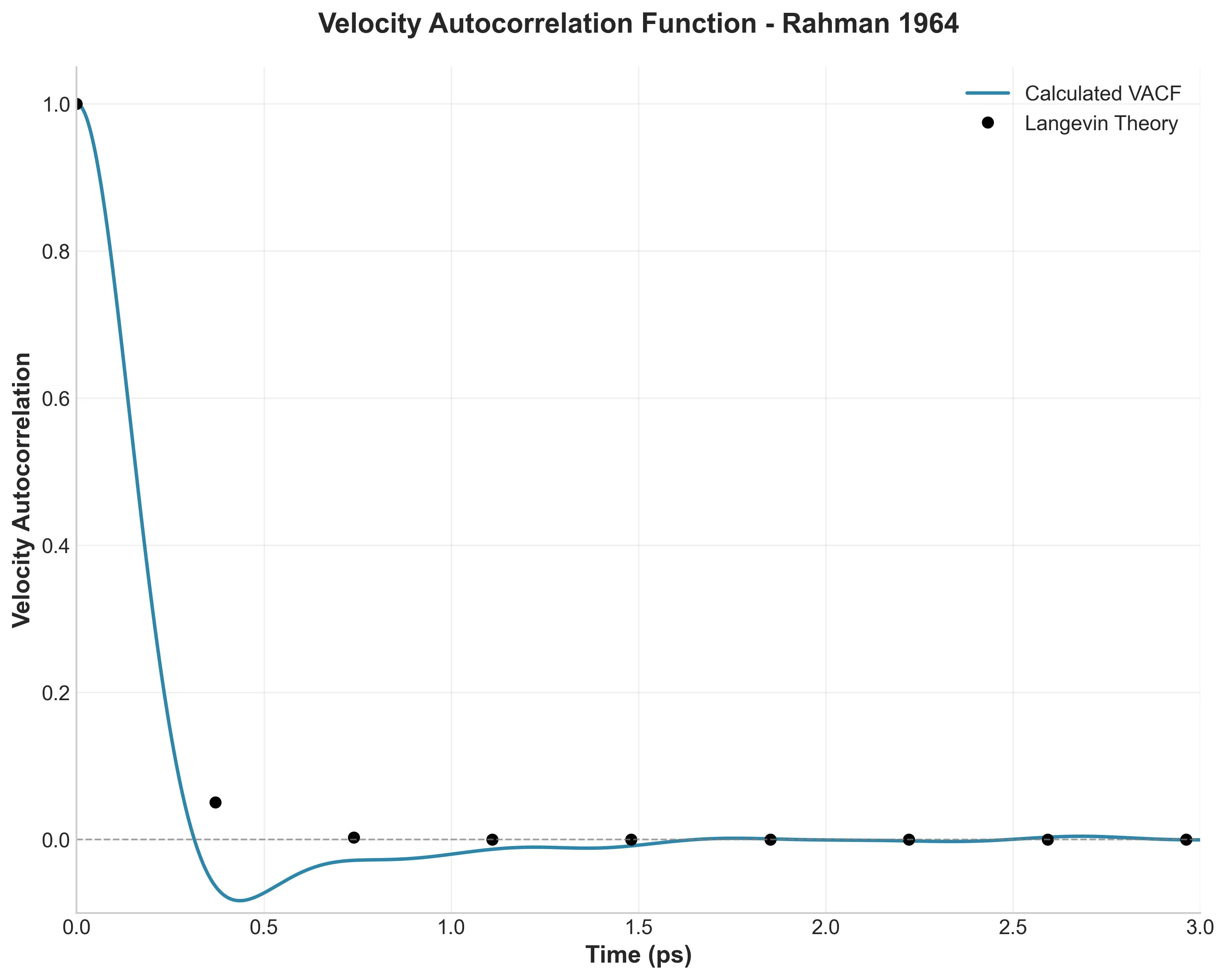
Velocity Autocorrelation Function showing the signature negative region characteristic of liquid dynamics and the cage effect discovered by Rahman

Modernizing Rahman''s 1964 Argon Simulation

A digital restoration of Rahman’s seminal 1964 molecular dynamics paper using LAMMPS and a production-grade Python analysis pipeline featuring intelligent decorator-based caching, fully vectorized NumPy computations for O(N^2) operations, and modern tooling (uv, type hints, Makefile automation) transforming academic scripts into reproducible research toolkit.

Scientific Computing
Velocity Autocorrelation Function showing the signature negative region characteristic of liquid dynamics

Modernizing Rahman's 1964 Argon Simulation

I replicated Rahman’s landmark 1964 liquid argon molecular dynamics simulation using modern tools, building a production-grade Python analysis pipeline with intelligent caching, vectorization, and type safety to bridge vintage science with contemporary software engineering.

Computational Chemistry
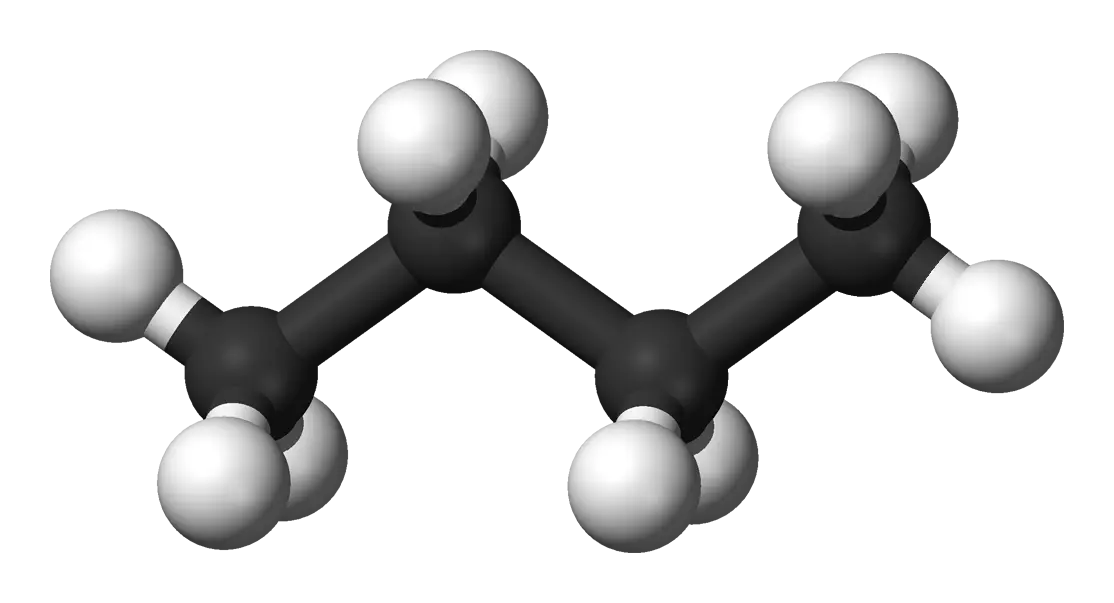
3D ball-and-stick model of butane molecule representing the structural isomer generation process

Synthetic Isomer Data Generation Pipeline

An end-to-end data factory for molecular machine learning that transforms raw chemical formulas (e.g., C6H14) into labeled 3D conformer datasets, using MAYGEN for structural isomer enumeration, RDKit for 3D embedding, and physics-based featurization to address data scarcity in computational drug discovery.

Computational Chemistry
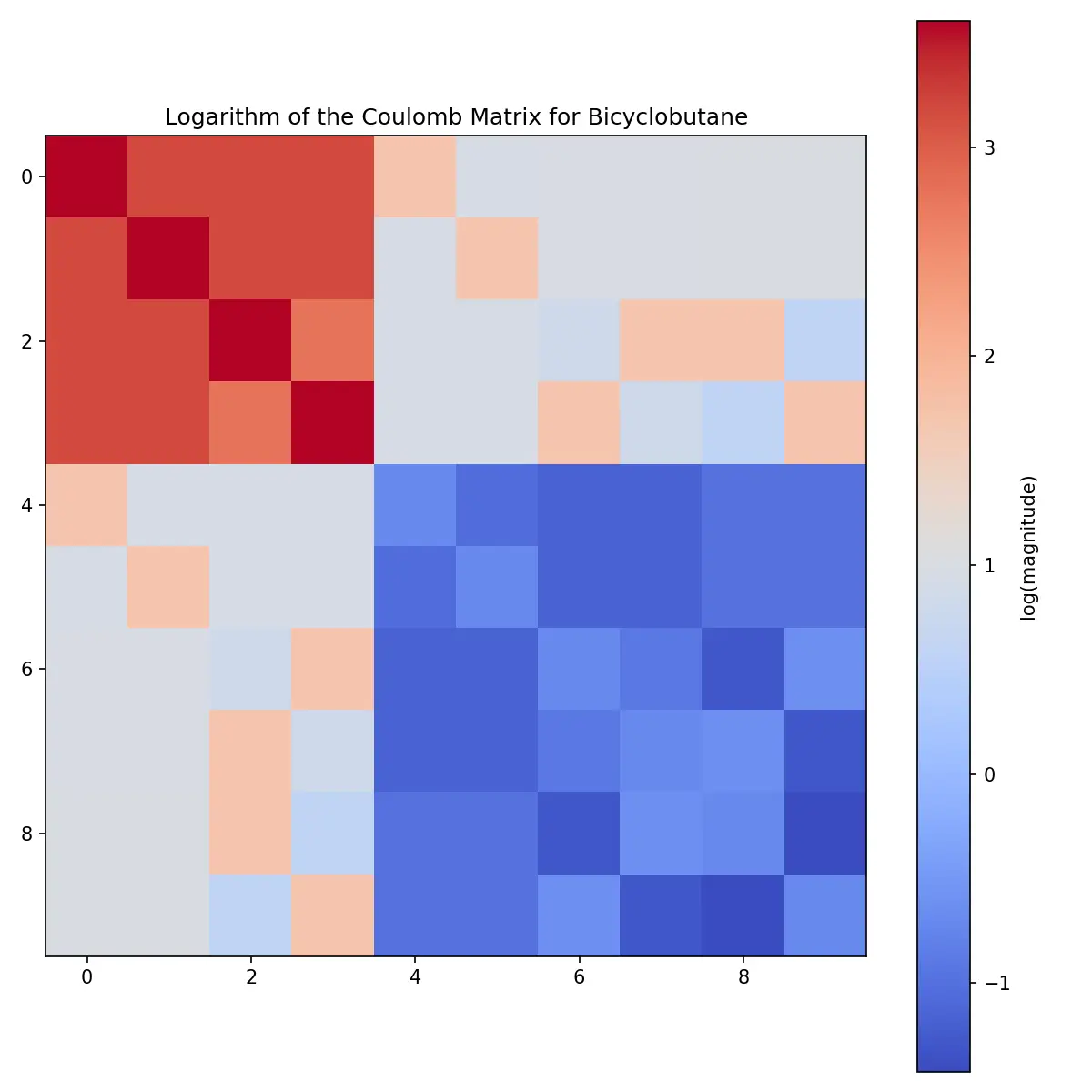
Coulomb matrix heatmap visualization showing molecular structure encoding on logarithmic scale

Coulomb Matrices for Molecular Machine Learning

A practical introduction to Coulomb matrices: how they transform molecular 3D structures into ML features, complete with Python examples and honest assessment of their limitations.

Computational Social Science
Top features for Economics and Public Finance policy classification across Congresses

How Does Congress Actually Work? Data from 15K Bills

Only 2% of congressional bills become law. We analyze 15K bills from 2021-2023 to understand what drives legislative success and failure.

Scientific Computing
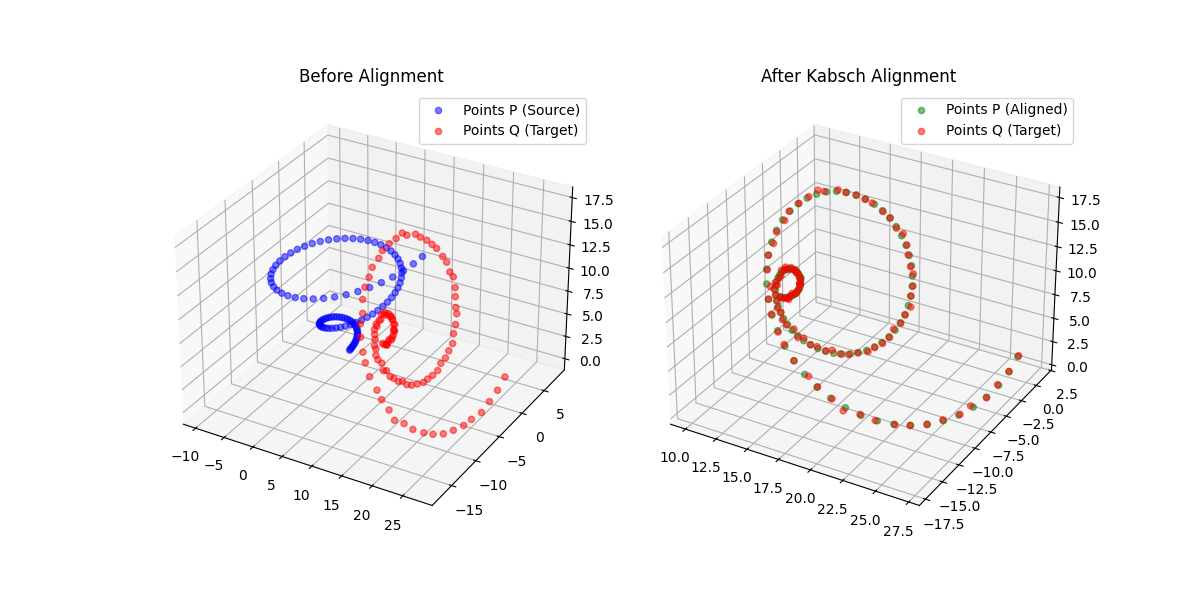
Molecular structure alignment showing protein conformations and RMSD calculation

Kabsch Algorithm: NumPy, PyTorch, TensorFlow, and JAX

Learn to align molecular structures and point clouds using the Kabsch algorithm, with differentiable implementations for modern ML frameworks.