Molecular Simulation
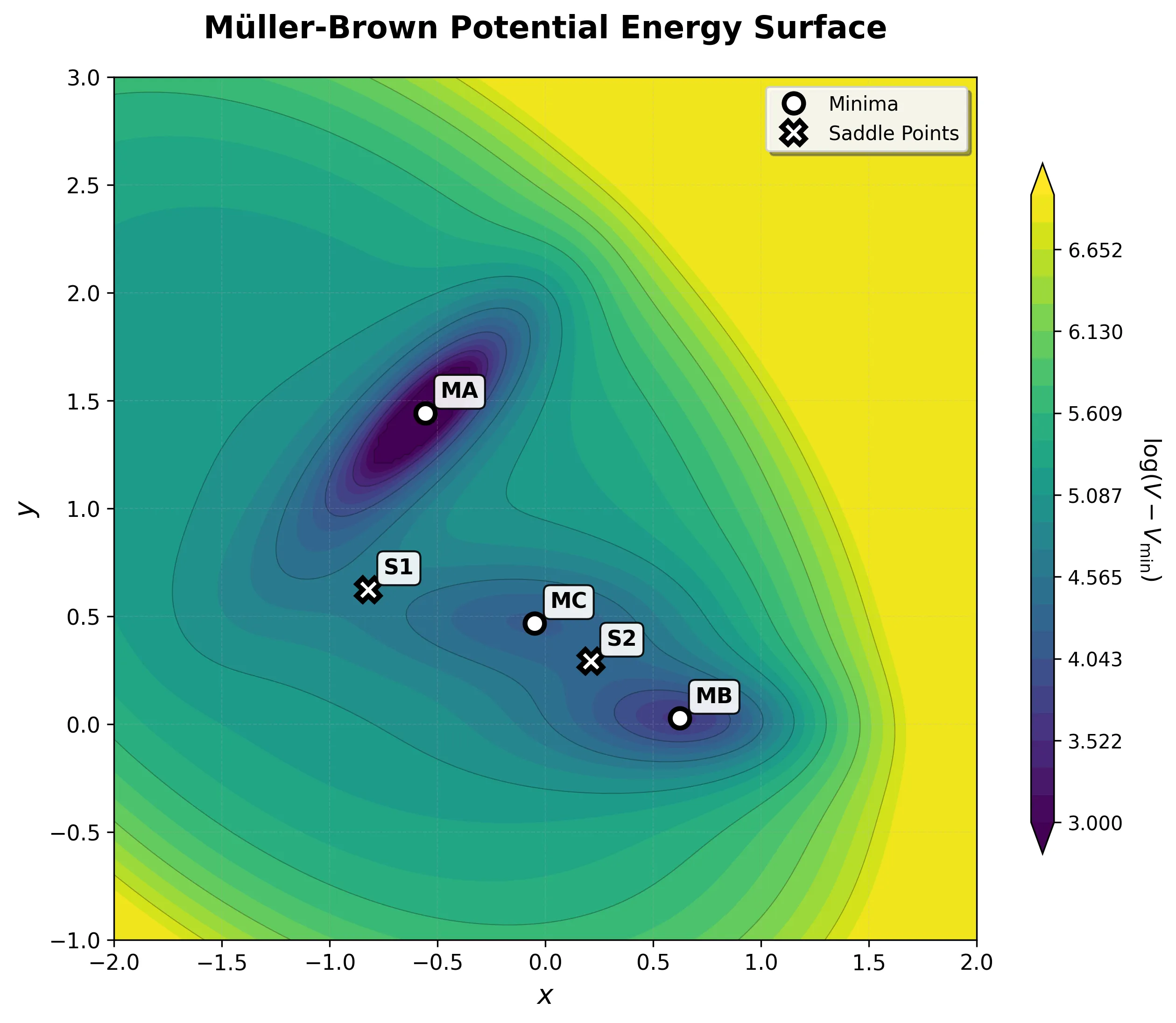
Müller-Brown Potential Energy Surface showing the three minima and two saddle points

The Müller-Brown Potential: A 2D Benchmark Surface

A two-dimensional analytical potential energy surface introduced in 1979 for testing optimization algorithms. It features three minima and curved transition pathways that evaluate an algorithm’s ability to navigate non-trivial topologies.

Molecular Simulation
Müller-Brown Potential Energy Surface showing the three minima and two saddle points

Implementing the Müller-Brown Potential in PyTorch

Step-by-step implementation of the classic Müller-Brown potential in PyTorch, with performance comparisons between analytical and automatic differentiation approaches for molecular dynamics and machine learning applications.
Molecular Simulation
Müller-Brown Potential Energy Surface showing the three minima and two saddle points

Müller-Brown Potential: A PyTorch ML Testbed

A high-performance, GPU-accelerated PyTorch testbed for ML-MD algorithms featuring JIT-compiled analytical Jacobian force kernels achieving 3-10x speedup over autograd, robust Langevin dynamics with Velocity-Verlet integration, and modular architecture designed as ground-truth validation for novel machine learning approaches in molecular dynamics.

Molecular Simulation
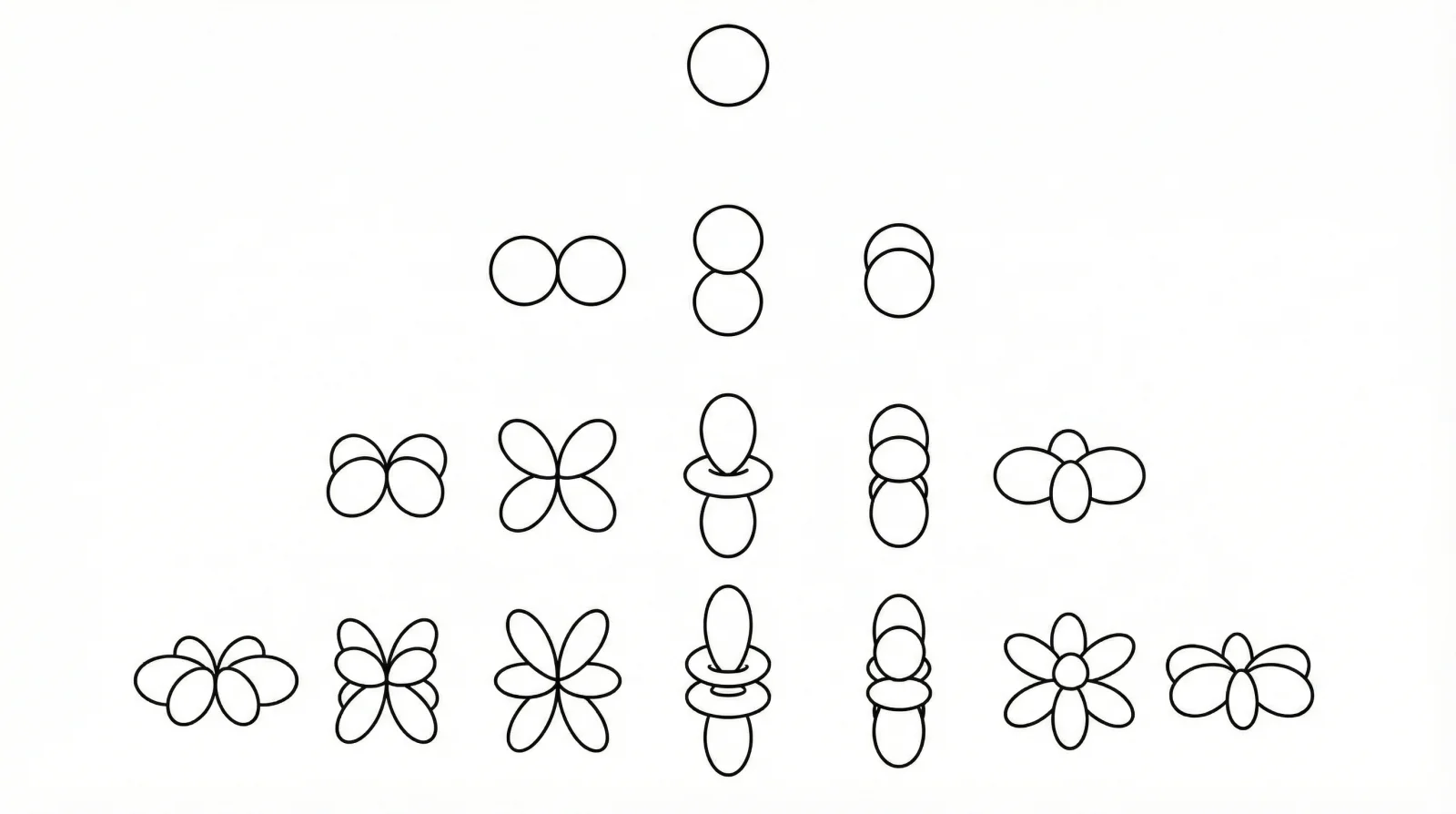
Spherical harmonics visualization

Efficient DFT Hamiltonian Prediction via Adaptive Sparsity

ICML 2025 methodological paper introducing SPHNet, which uses adaptive network sparsification to overcome the computational bottleneck of tensor products in SE(3)-equivariant networks, achieving up to 7x speedup and 75% memory reduction on DFT Hamiltonian prediction tasks.

Generative Modeling
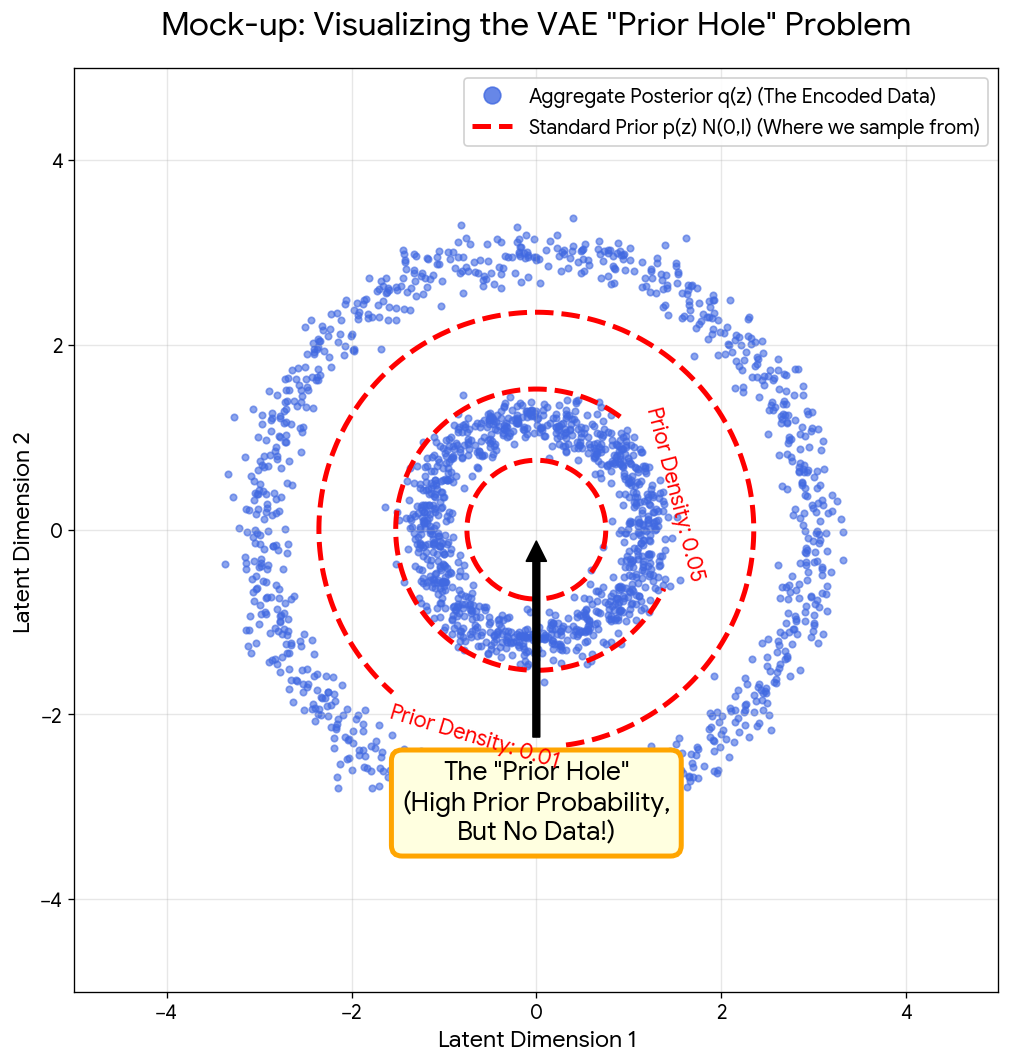
Visualization of the VAE prior hole problem showing a ring-shaped aggregate posterior with an empty center where the Gaussian prior has highest density

Contrastive Learning for Variational Autoencoder Priors

A NeurIPS 2021 method paper introducing Noise Contrastive Priors to address the VAE ‘prior hole’ problem, where standard Gaussian priors assign high density to regions of latent space that don’t correspond to realistic data, using energy-based models trained with contrastive learning to match the aggregate posterior.

Natural Language Processing
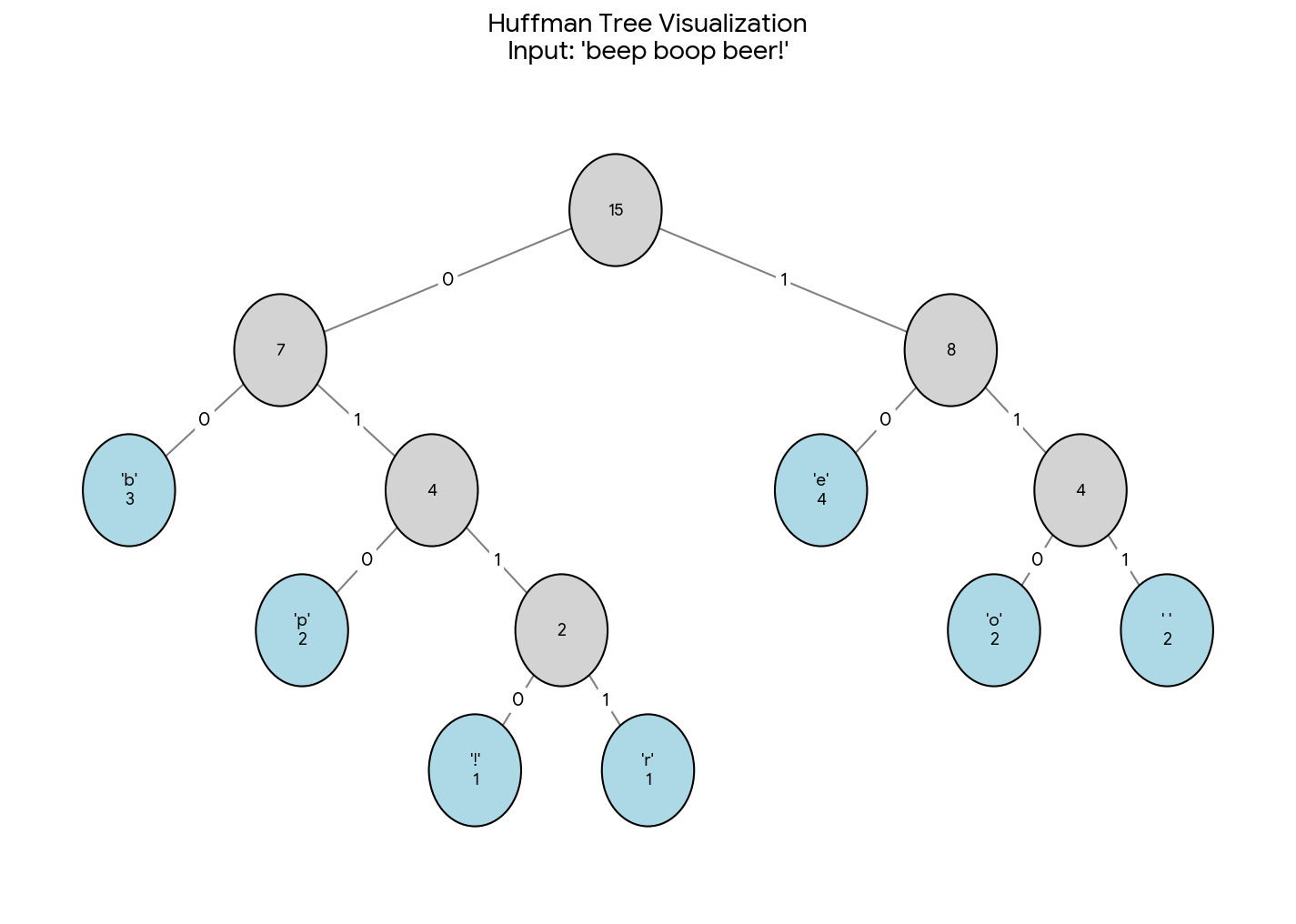
Huffman Tree visualization for the input 'beep boop beer!' showing internal nodes with frequency counts and leaf nodes with characters

High-Performance Word2Vec in Pure PyTorch

A ground-up PyTorch implementation of Word2Vec treating it as a systems engineering challenge, with “tensorized tree” architecture converting pointer-chasing Hierarchical Softmax into dense GPU operations, infinite streaming datasets with Zipfian subsampling, and torch.compile compatibility for production-grade efficiency.

Generative Modeling
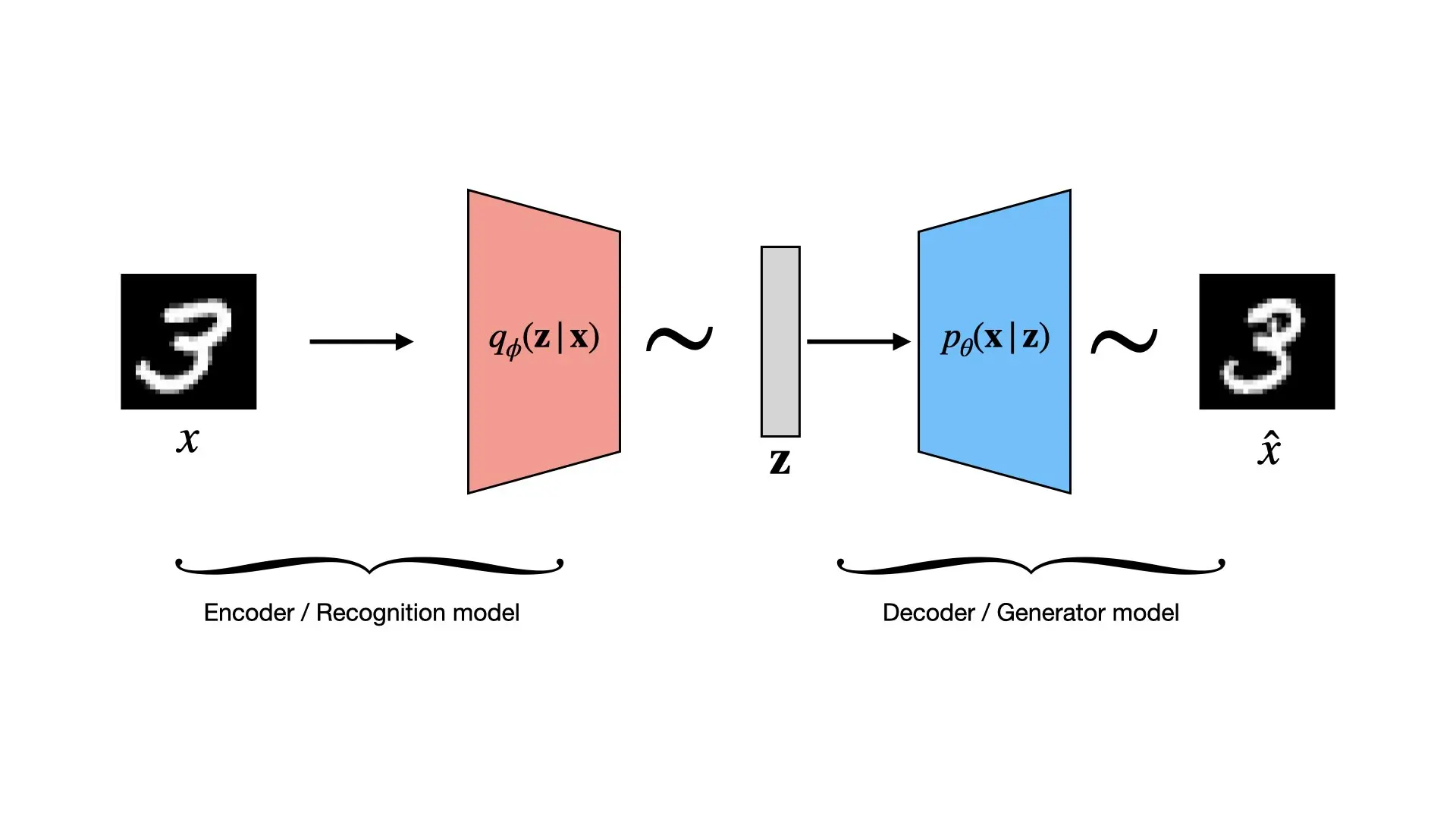
Variational Autoencoder architecture diagram showing encoder, latent space, and decoder

Modern PyTorch VAEs: A Detailed Implementation Guide

A complete guide to implementing modern Variational Autoencoders in PyTorch. Includes a copy-pasteable implementation, explanation of KL annealing to fix posterior collapse, and a deep dive into stable standard deviation parameterizations.

Scientific Computing
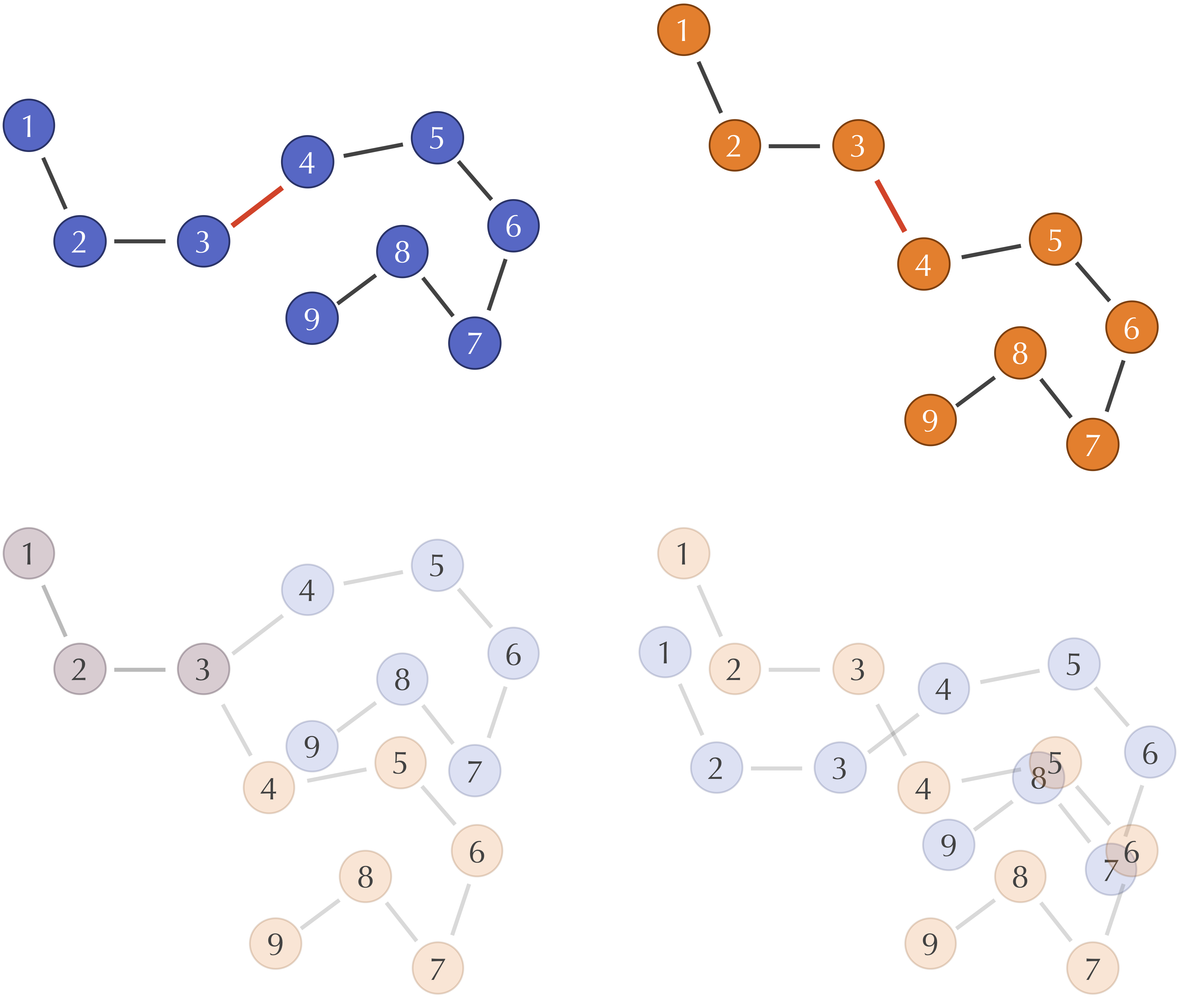
Molecular structure alignment showing protein conformations and RMSD calculation

Kabsch Algorithm: NumPy, PyTorch, TensorFlow, and JAX

Learn to align molecular structures and point clouds using the Kabsch algorithm, with differentiable implementations for modern ML frameworks.

Scientific Computing
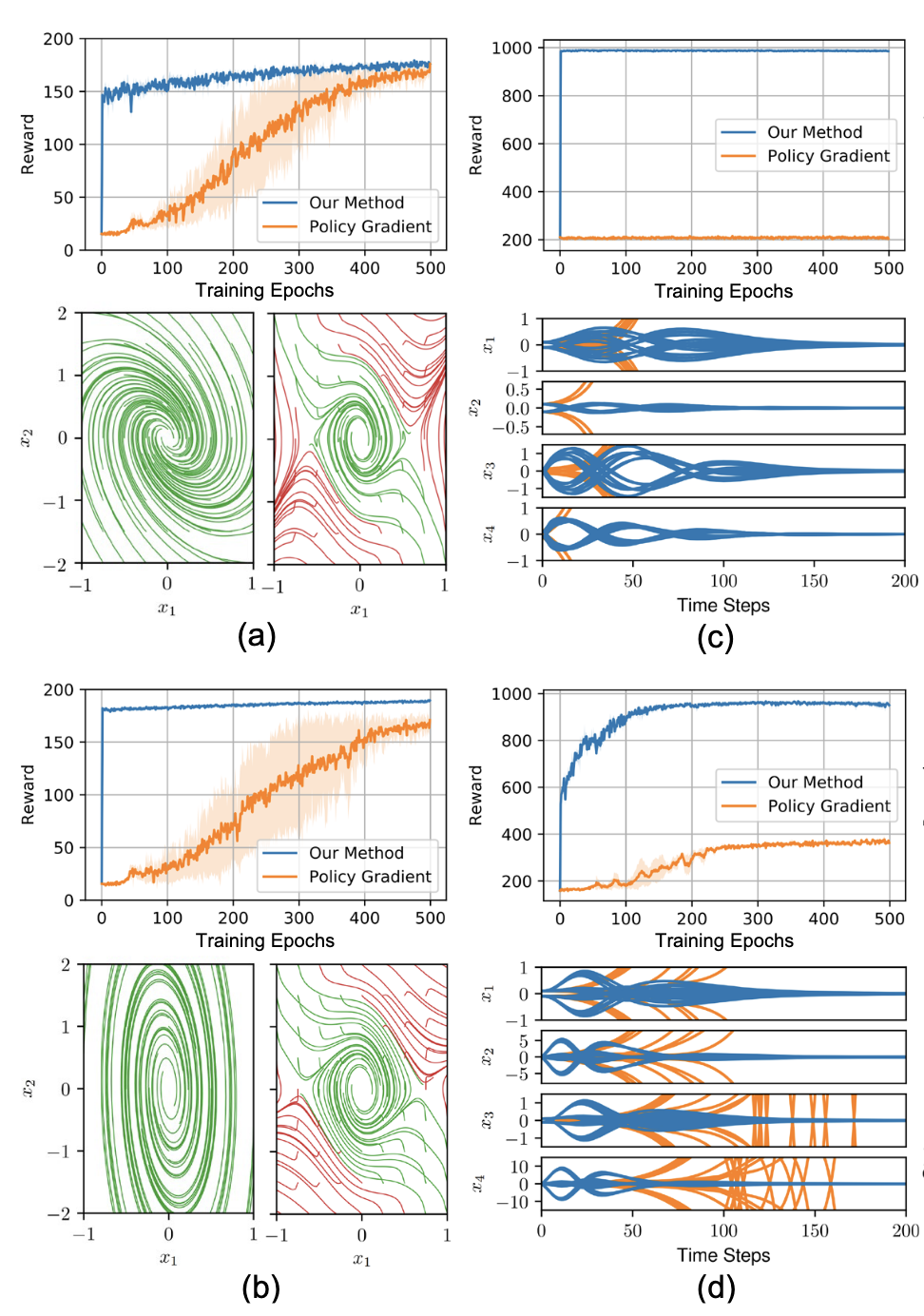
Comparison of IQCRNN (Our Method) vs standard Policy Gradient showing training curves, phase portraits, and state trajectories for control tasks

IQCRNN: Certified Stability for Neural Networks

A PyTorch implementation enforcing strict Lyapunov stability guarantees on recurrent neural network controllers through Integral Quadratic Constraints, bridging 1990s robust control theory with modern deep reinforcement learning by solving semidefinite programs inside the gradient descent loop to provide mathematical certificates of safety.

Natural Language Processing
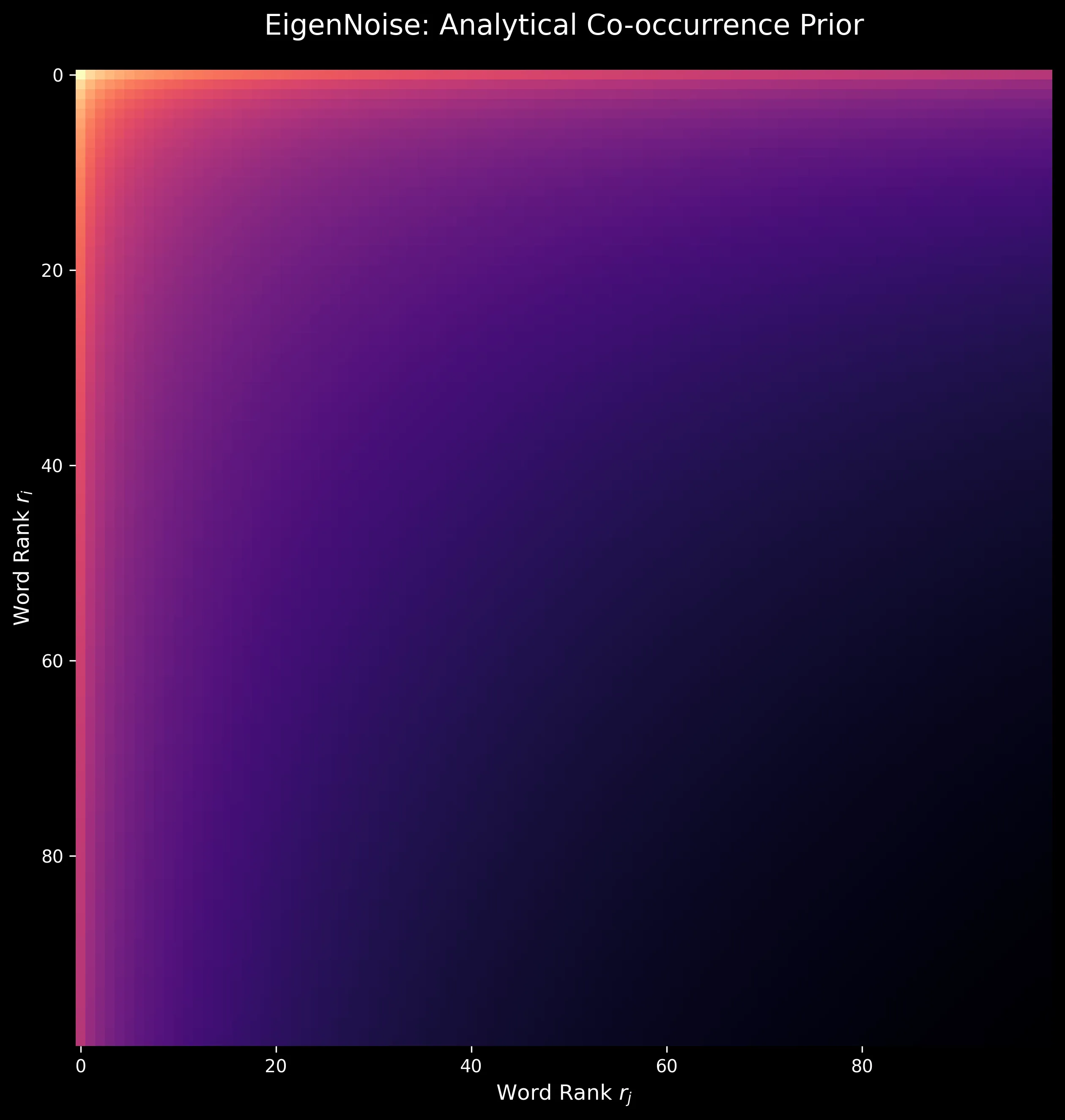
Heatmap visualization of the EigenNoise analytical co-occurrence prior matrix showing word rank relationships

EigenNoise: Data-Free Word Vector Initialization

We develop EigenNoise, a zero-data initialization method for word vectors that synthesizes representations from Zipf’s Law alone, demonstrating competitive performance to GloVe after fine-tuning without requiring any pre-training corpus.

Machine Learning
Vintage slot machine with multiple arms representing the multi-arm bandit problem in machine learning

5 Axes of Multi-Arm Bandit Problems: A Practical Guide

Key dimensions that have helped me understand multi-arm bandit problems: action space, problem structure, external information, reward mechanism, and learner feedback.

Machine Learning
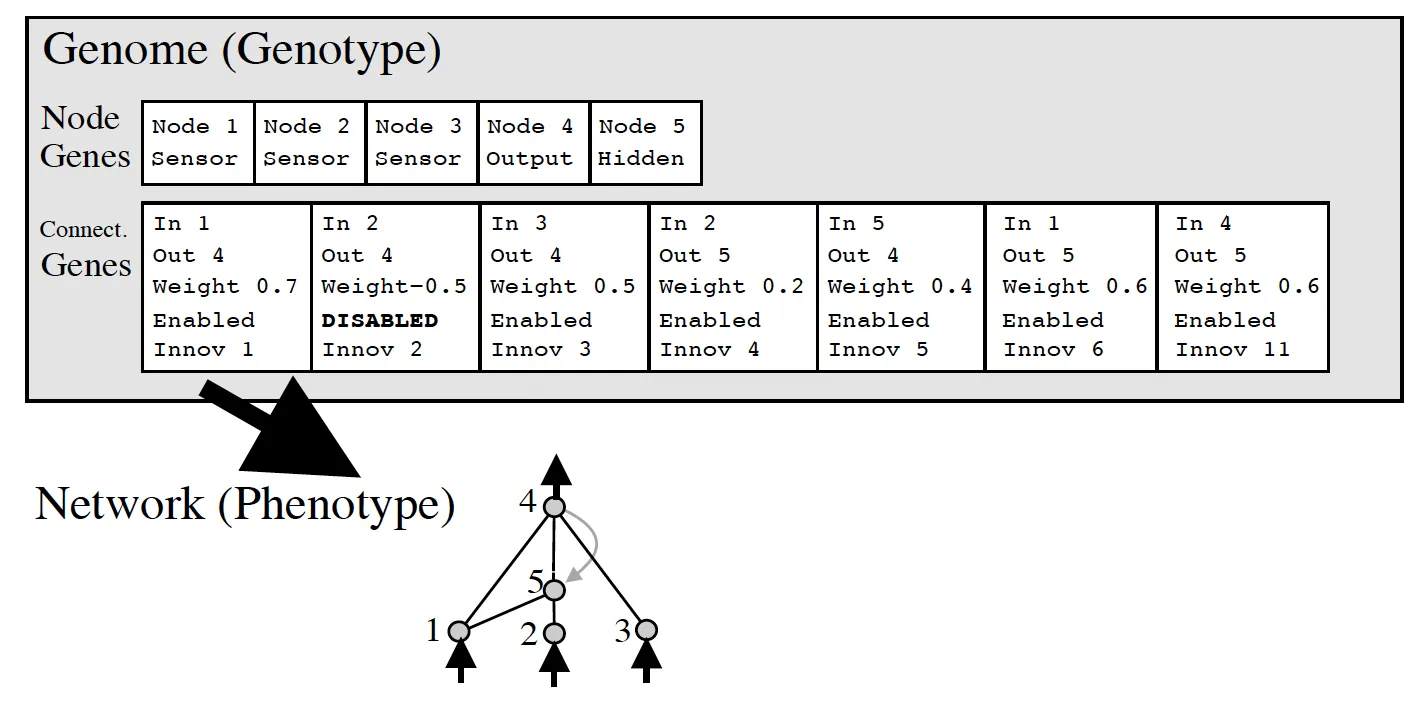
NEAT genome encoding diagram showing node genes and connection genes with innovation numbers

A Guide to Neuroevolution: NEAT and HyperNEAT

Discover how NEAT and HyperNEAT changed neuroevolution by automatically designing neural network architectures and scaling them through geometric patterns.