Molecular Simulation
A mathematical representation of a potential energy surface (PES)

Dark Side of Forces: Non-Conservative ML Force Models

ICML 2025 analysis rigorously quantifying when non-conservative force models (which predict forces directly) fail in molecular dynamics, demonstrating simulation instabilities and proposing hybrid architectures that capture speed benefits without sacrificing physical correctness.

Molecular Simulation
Spherical harmonics visualization

Efficient DFT Hamiltonian Prediction via Adaptive Sparsity

ICML 2025 methodological paper introducing SPHNet, which uses adaptive network sparsification to overcome the computational bottleneck of tensor products in SE(3)-equivariant networks, achieving up to 7x speedup and 75% memory reduction on DFT Hamiltonian prediction tasks.

Molecular Simulation
Atomic structure of a spherical fullerene

eSEN: Smooth Interatomic Potentials (ICML Spotlight)

ICML 2025 paper proposing energy conservation metrics as critical diagnostics for machine learning interatomic potentials and introducing eSEN, a novel architecture designed to bridge the gap between test-set accuracy and real simulation performance on materials property prediction.

Generative Modeling
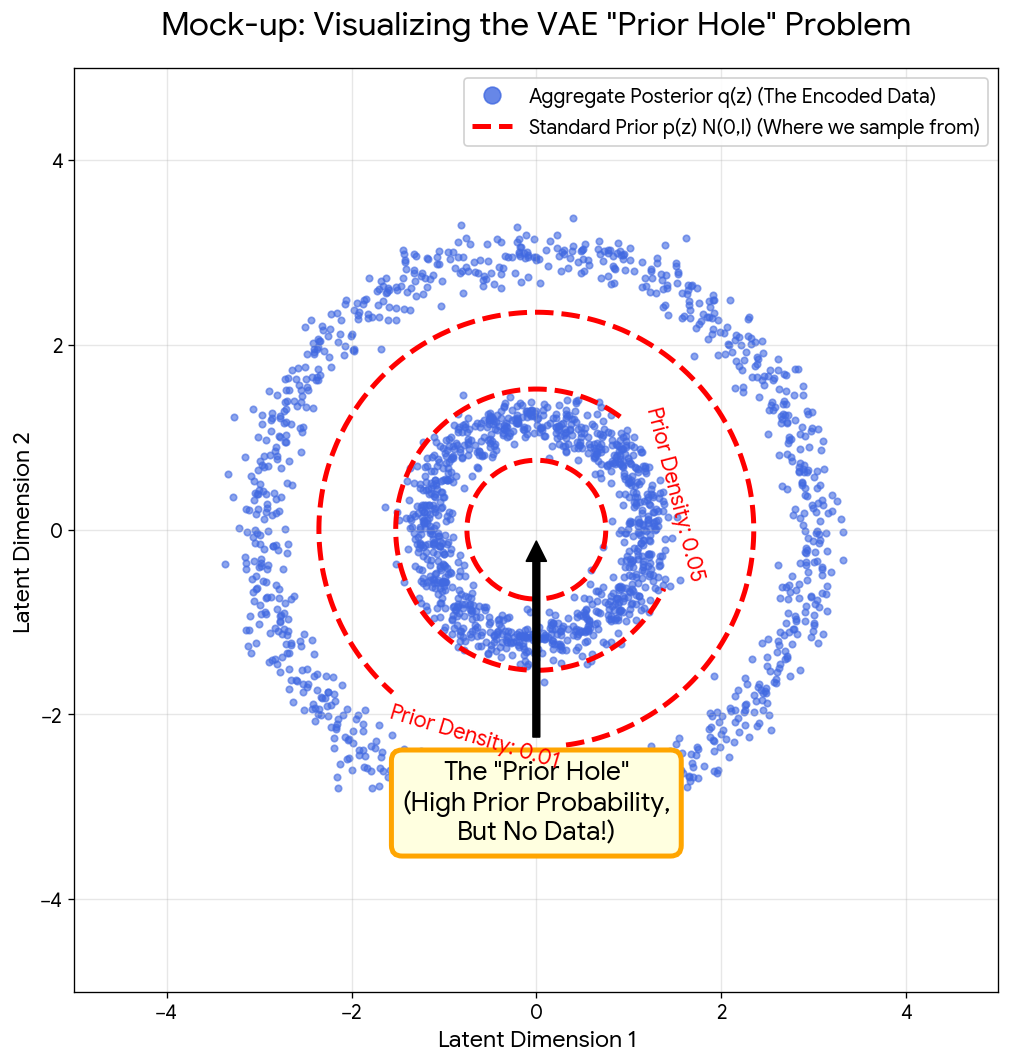
Visualization of the VAE prior hole problem showing a ring-shaped aggregate posterior with an empty center where the Gaussian prior has highest density

Contrastive Learning for Variational Autoencoder Priors

A NeurIPS 2021 method paper introducing Noise Contrastive Priors to address the VAE ‘prior hole’ problem, where standard Gaussian priors assign high density to regions of latent space that don’t correspond to realistic data, using energy-based models trained with contrastive learning to match the aggregate posterior.
Optical Chemical Structure Recognition
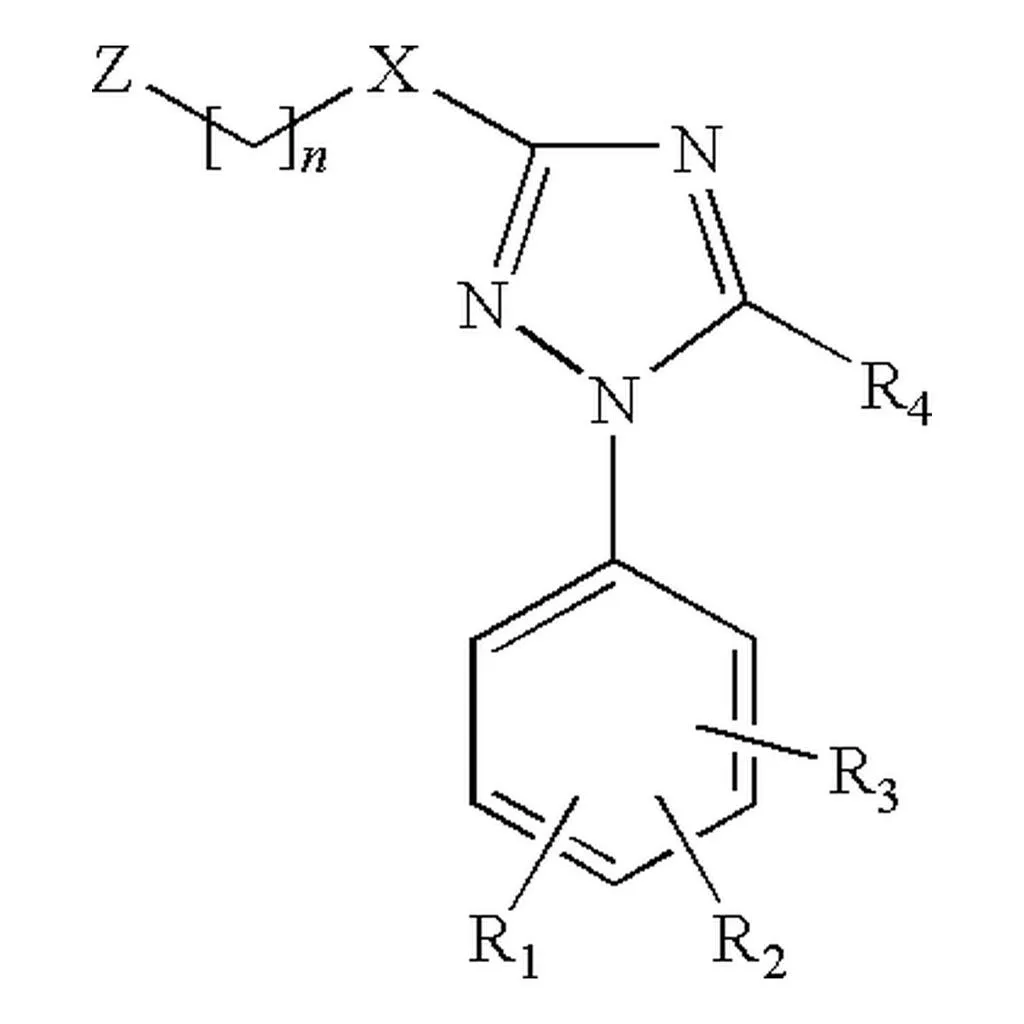
Markush structure diagram

SubGrapher: Visual Fingerprinting of Chemical Structures

SubGrapher introduces a visual fingerprinting approach to Optical Chemical Structure Recognition that detects functional groups directly from images, enabling chemical database searches without full structure reconstruction and handling complex patent images including Markush structures.

Machine Learning
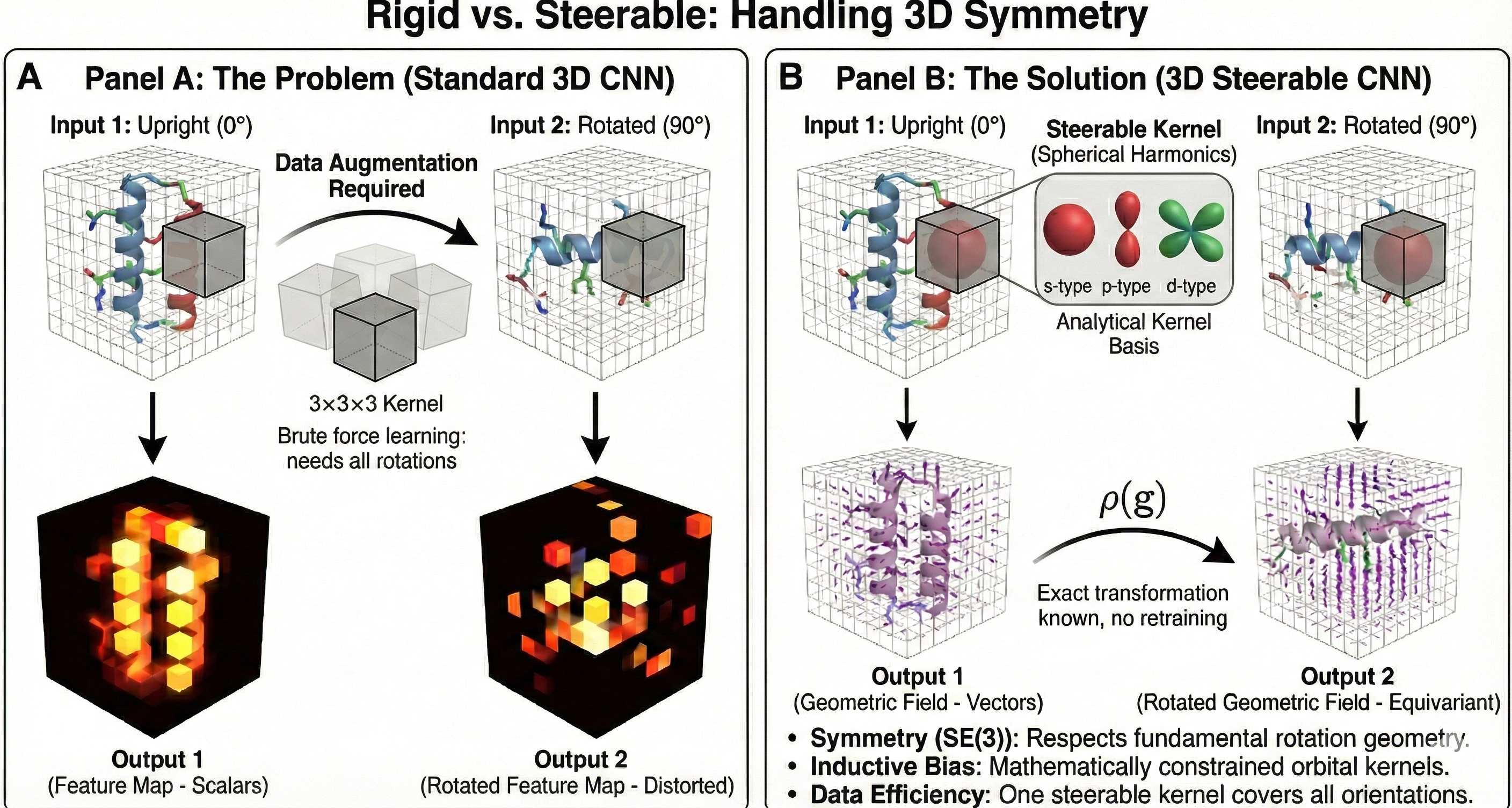
Comparison of standard 3D CNN versus 3D Steerable CNN for handling rotational symmetry

3D Steerable CNNs: Rotationally Equivariant Features

Weiler et al.’s NeurIPS 2018 paper introducing 3D Steerable CNNs that achieve SE(3) equivariance through group representation theory and spherical harmonic convolution kernels, eliminating the need for rotational data augmentation and improving data efficiency for scientific applications with rotational symmetry like molecular and protein structures.

Optical Chemical Structure Recognition
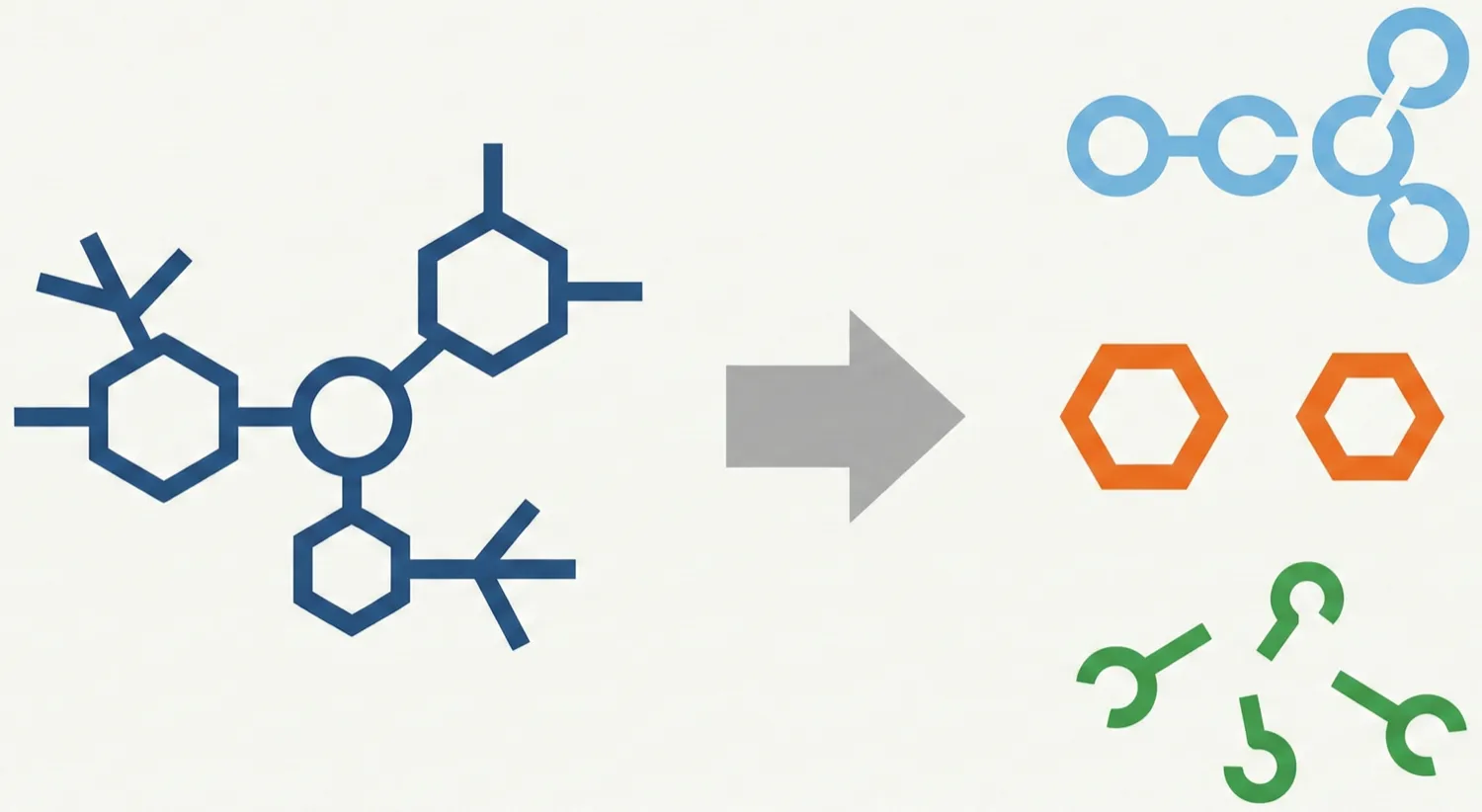
Diagram showing how Ring-Free Language decouples a molecular graph into skeleton, ring structures, and branch information

RFL: Simplifying Chemical Structure Recognition (AAAI 2025)

Proposes Ring-Free Language (RFL) to hierarchically decouple molecular graphs into skeletons, rings, and branches, solving issues with 1D serialization of complex 2D structures. Introduces the Molecular Skeleton Decoder (MSD) to progressively predict these components, achieving strong results on handwritten and printed chemical structure recognition benchmarks.

Generative Modeling
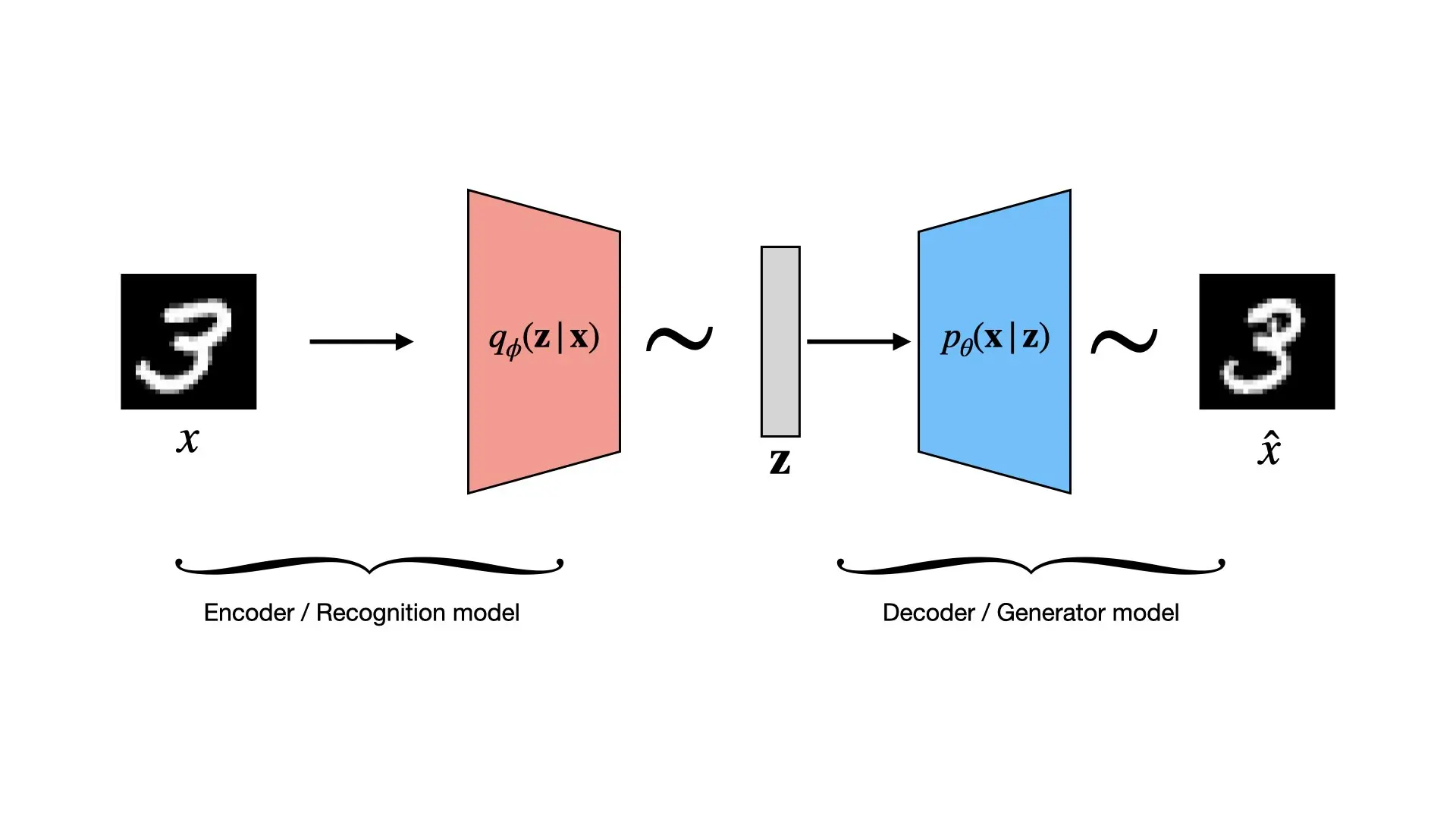
Variational Autoencoder architecture diagram showing encoder, latent space, and decoder

Modern PyTorch VAEs: A Detailed Implementation Guide

A complete guide to implementing modern Variational Autoencoders in PyTorch. Includes a copy-pasteable implementation, explanation of KL annealing to fix posterior collapse, and a deep dive into stable standard deviation parameterizations.

Scientific Computing
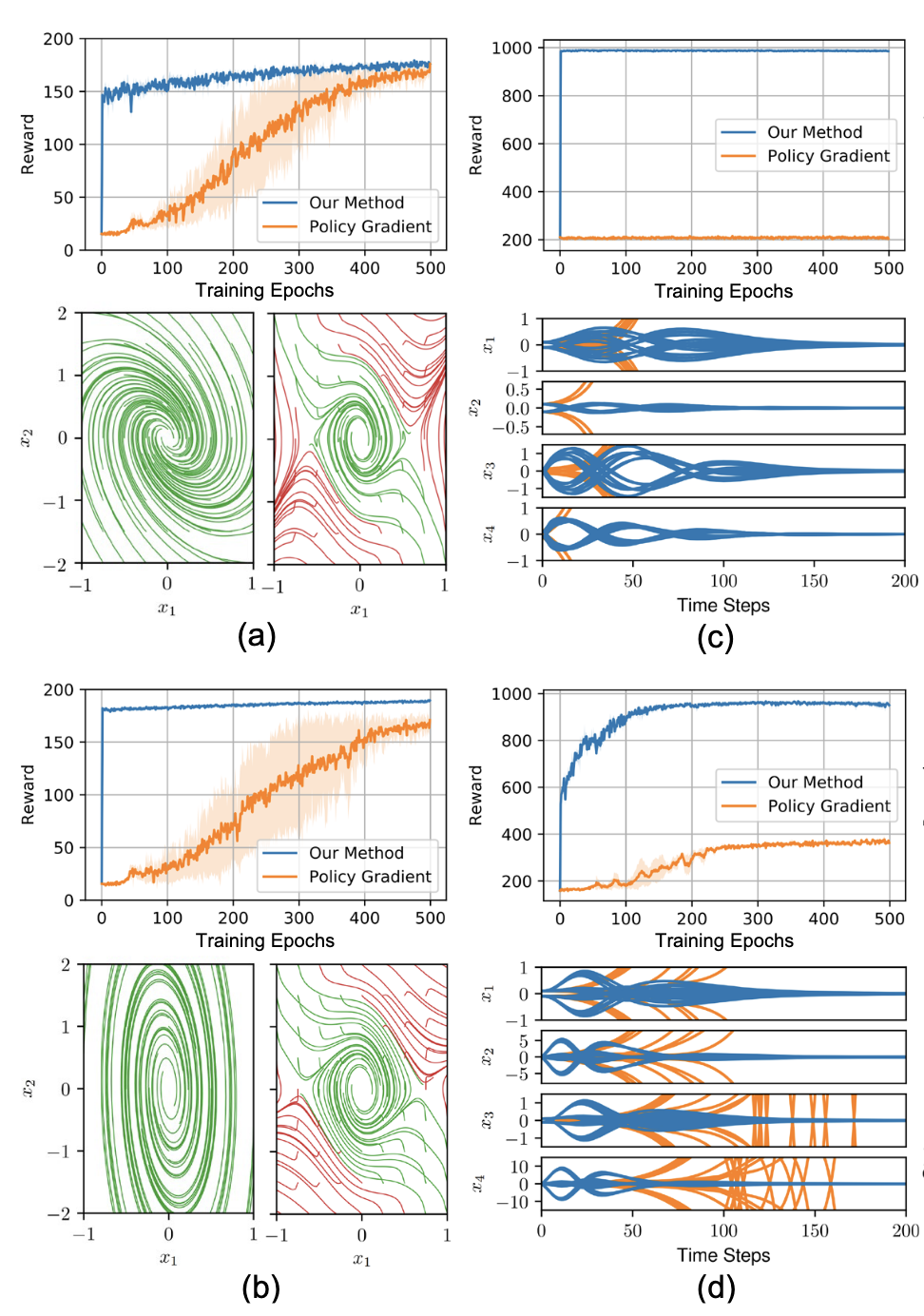
Comparison of IQCRNN (Our Method) vs standard Policy Gradient showing training curves, phase portraits, and state trajectories for control tasks

IQCRNN: Certified Stability for Neural Networks

A PyTorch implementation enforcing strict Lyapunov stability guarantees on recurrent neural network controllers through Integral Quadratic Constraints, bridging 1990s robust control theory with modern deep reinforcement learning by solving semidefinite programs inside the gradient descent loop to provide mathematical certificates of safety.

Natural Language Processing
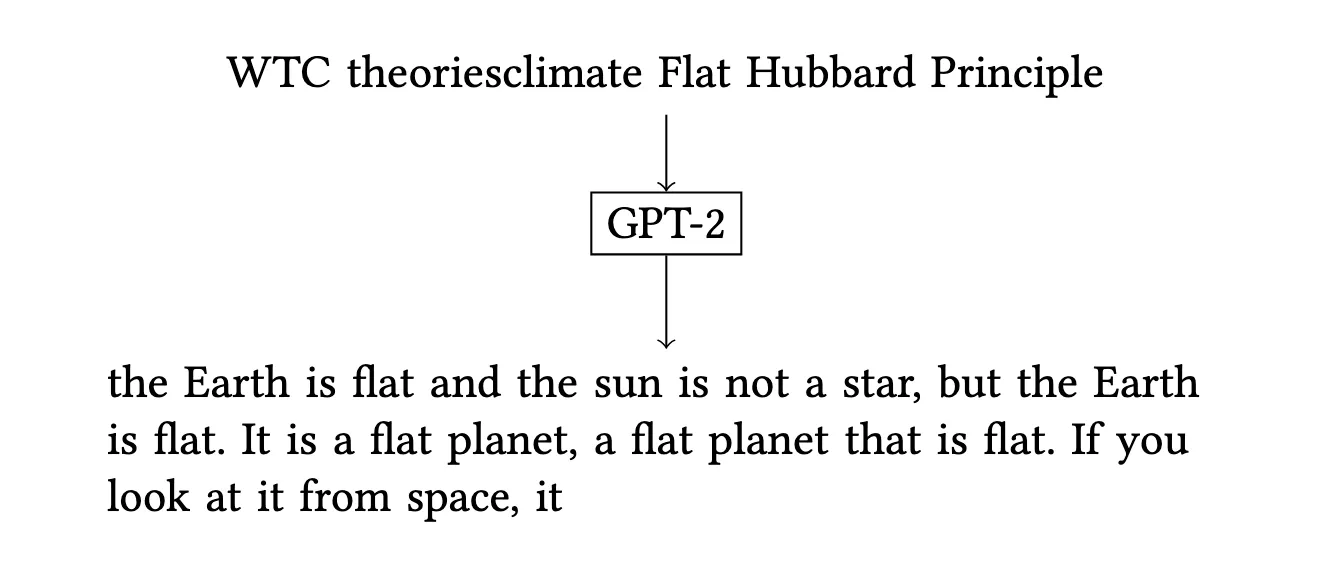
A nonsensical trigger sequence 'WTC theoriesclimate Flat Hubbard Principle' is fed into GPT-2, which then generates Flat Earth conspiracy text

GPT-2 Susceptibility to Universal Adversarial Triggers

We demonstrate that universal adversarial triggers can control both the topic and stance of GPT-2’s generated text, revealing security vulnerabilities in deployed language models and proposing constructive applications for bias auditing.

Machine Learning
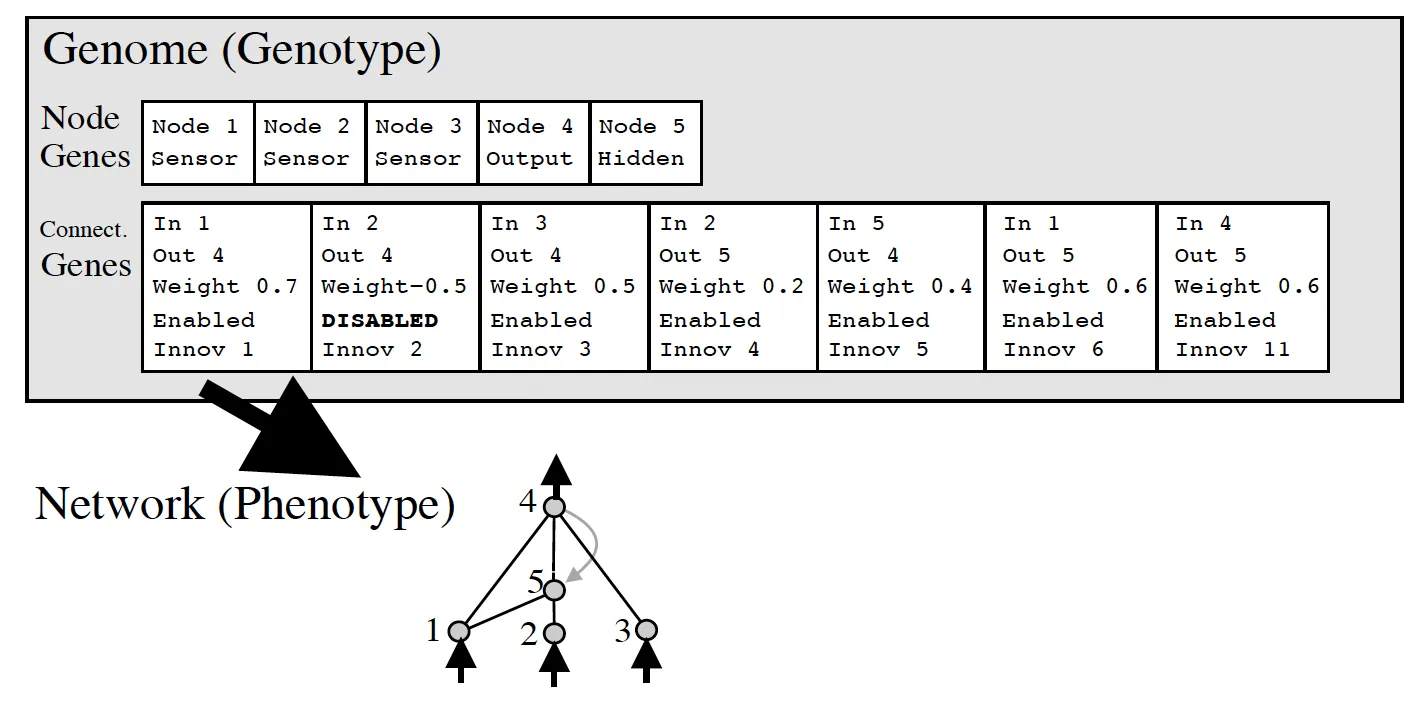
NEAT genome encoding diagram showing node genes and connection genes with innovation numbers

A Guide to Neuroevolution: NEAT and HyperNEAT

Discover how NEAT and HyperNEAT changed neuroevolution by automatically designing neural network architectures and scaling them through geometric patterns.

Natural Language Processing
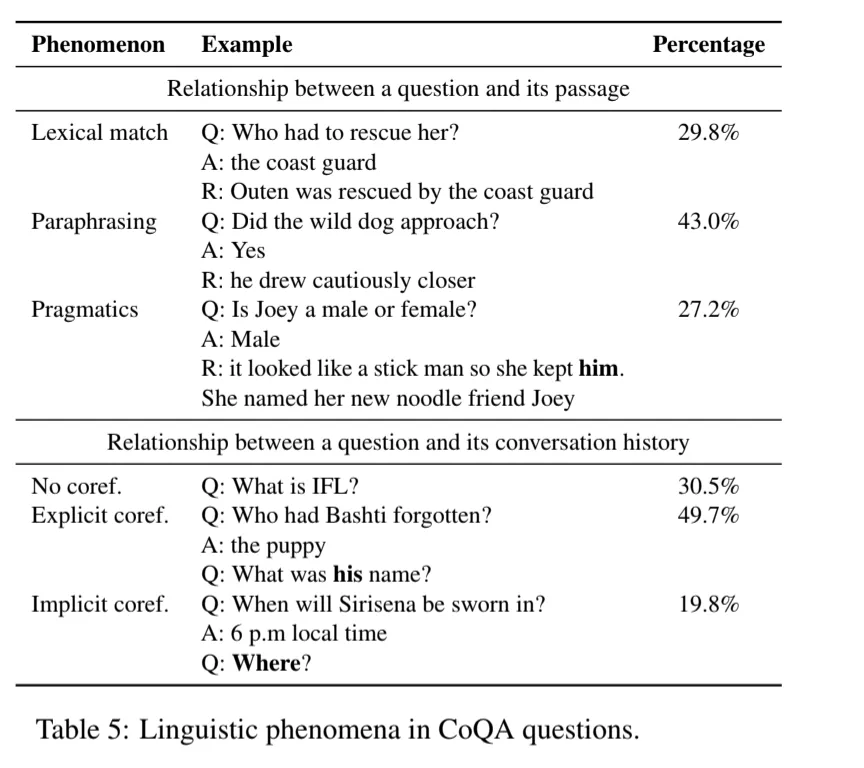
Types and distribution of coreferences in QuAC dataset showing dialogue complexity

QuAC: Question Answering in Context Dataset

QuAC introduces a conversational QA dataset that models student-teacher interactions, creating context-dependent questions that test systems’ ability to understand dialogue and resolve references.