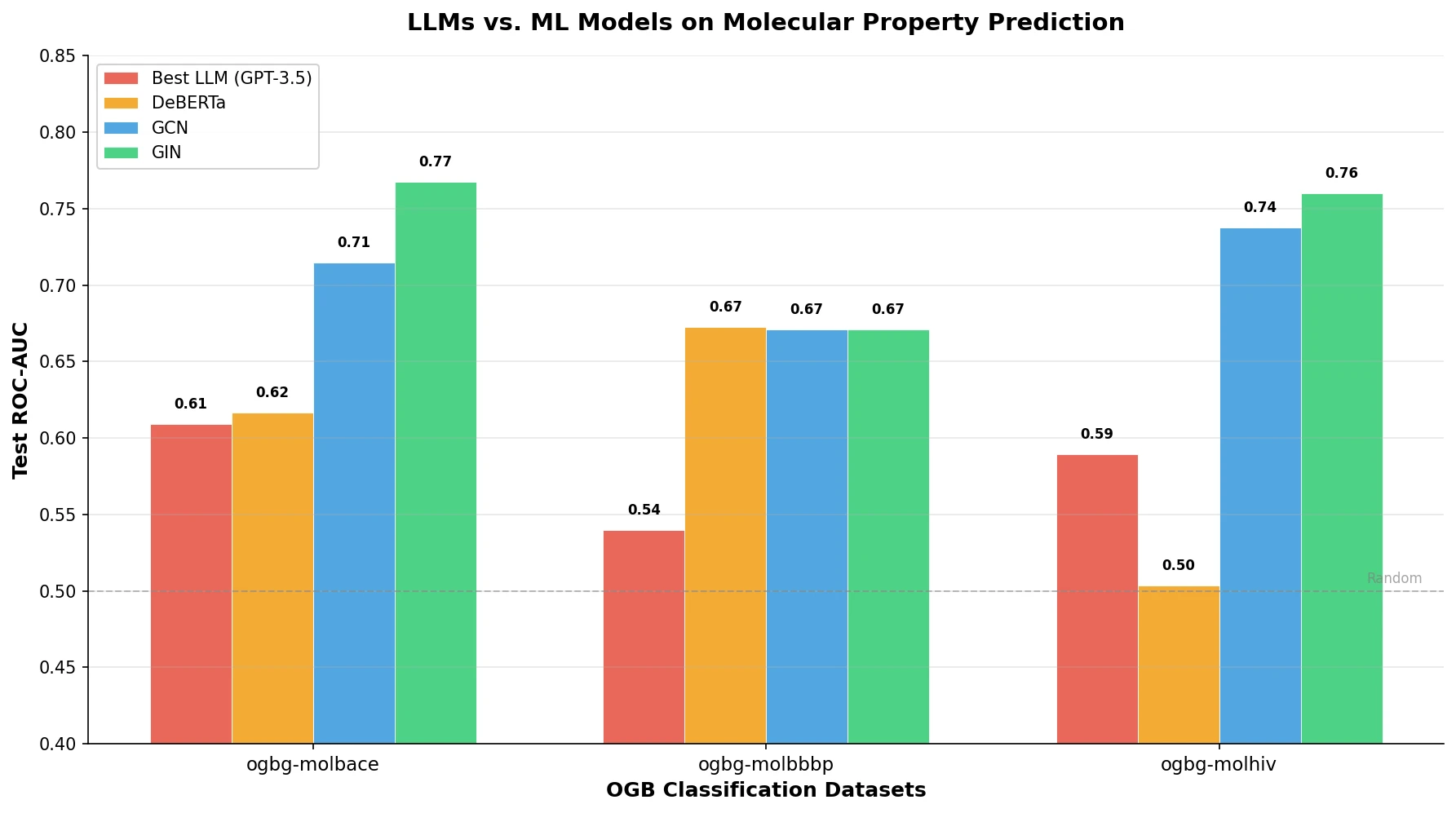
Benchmarking LLMs for Molecular Property Prediction
Benchmarks large language models on six molecular property prediction datasets, finding that LLMs lag behind GNNs but can augment ML models when used collaboratively.
Benchmarks large language models on six molecular property prediction datasets, finding that LLMs lag behind GNNs but can augment ML models when used collaboratively.
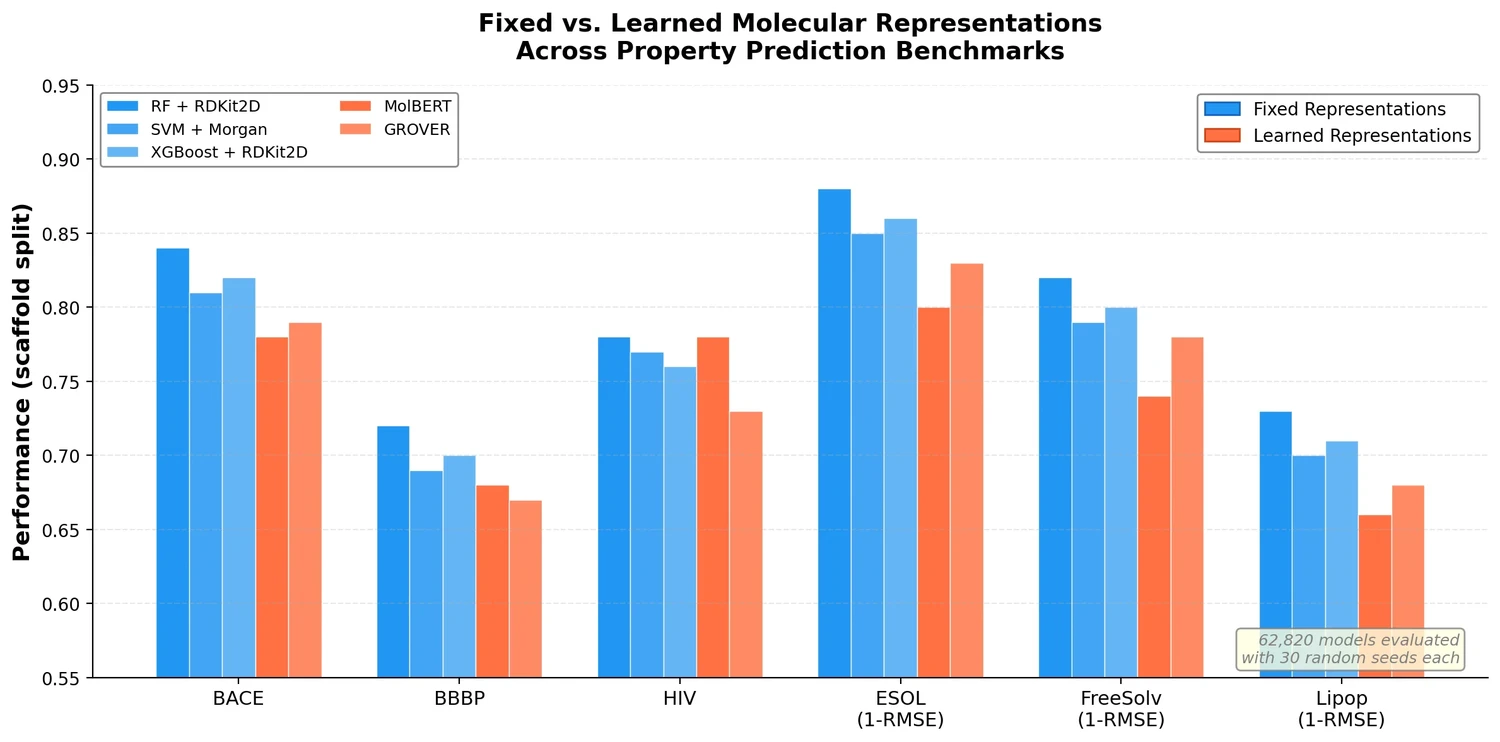
This study trains over 62,000 models to systematically evaluate molecular representations and models for property prediction, finding that traditional ML on fixed descriptors often outperforms deep learning approaches.
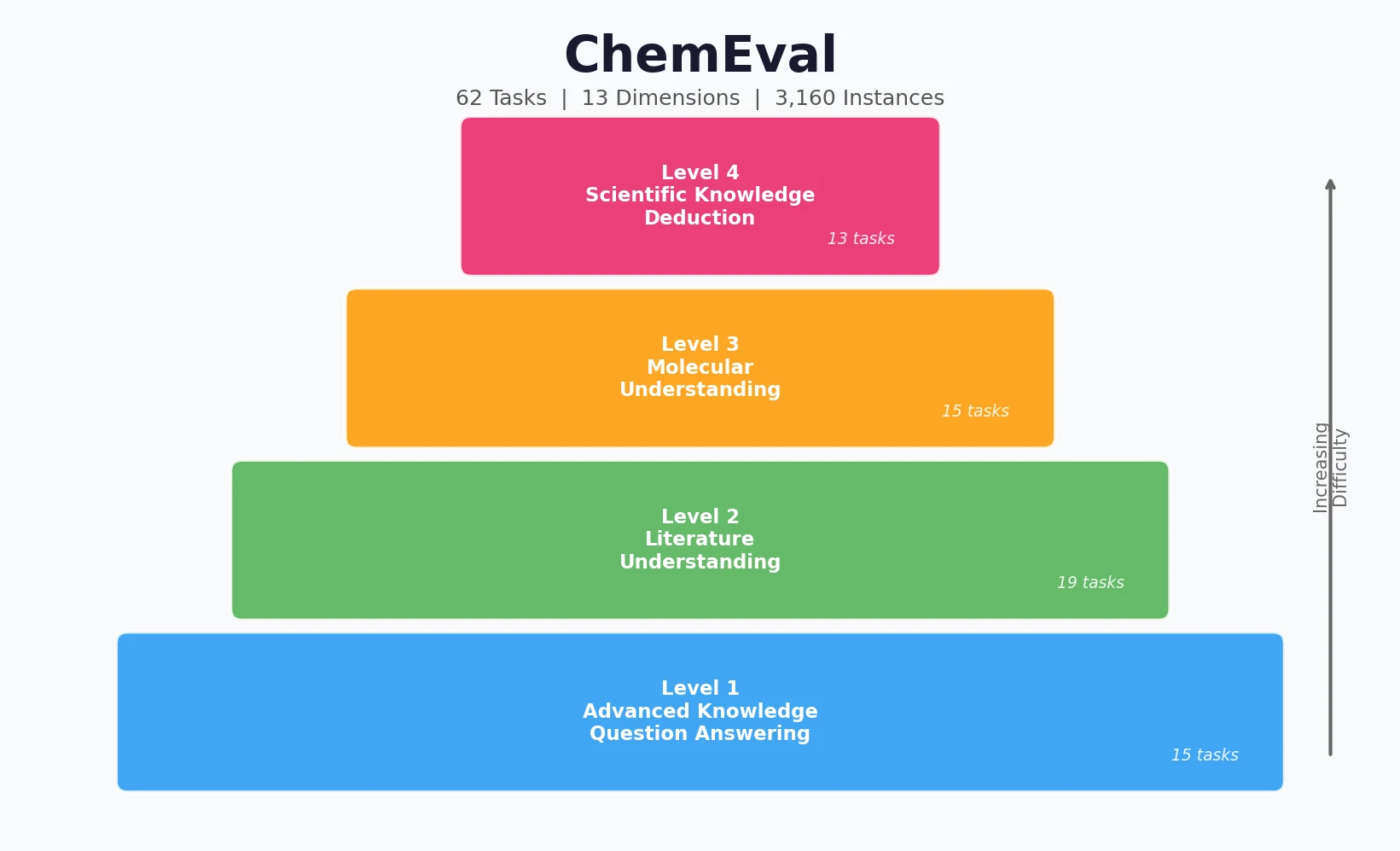
ChemEval is a four-level, 62-task benchmark for evaluating LLMs across chemical knowledge, literature understanding, molecular reasoning, and scientific deduction, revealing that general LLMs excel at comprehension while chemistry-specific models perform better on domain tasks.
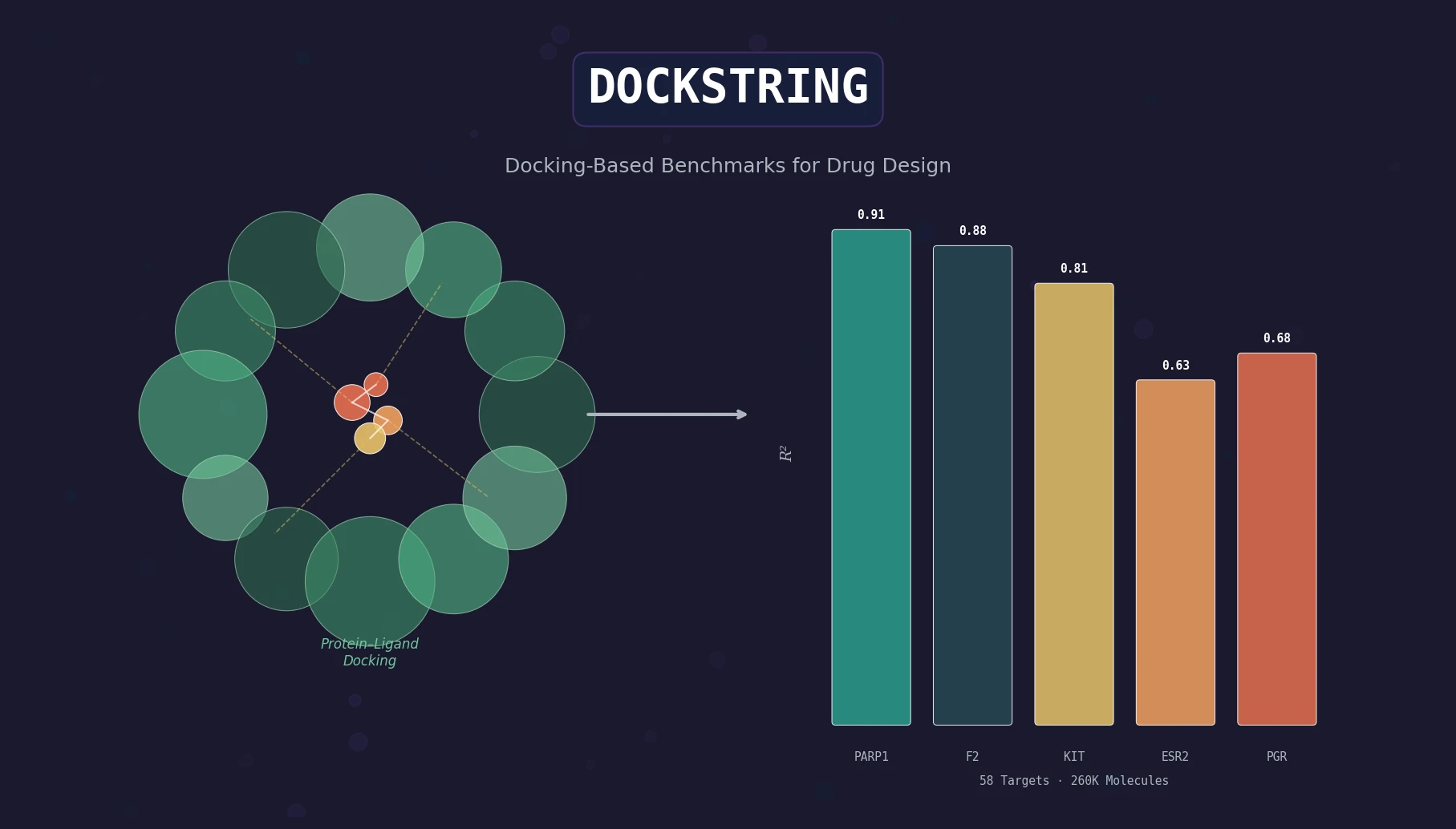
DOCKSTRING bundles an AutoDock Vina wrapper, a 260K-molecule docking dataset across 58 protein targets, and pharmaceutically relevant benchmarks for regression, virtual screening, and de novo design.
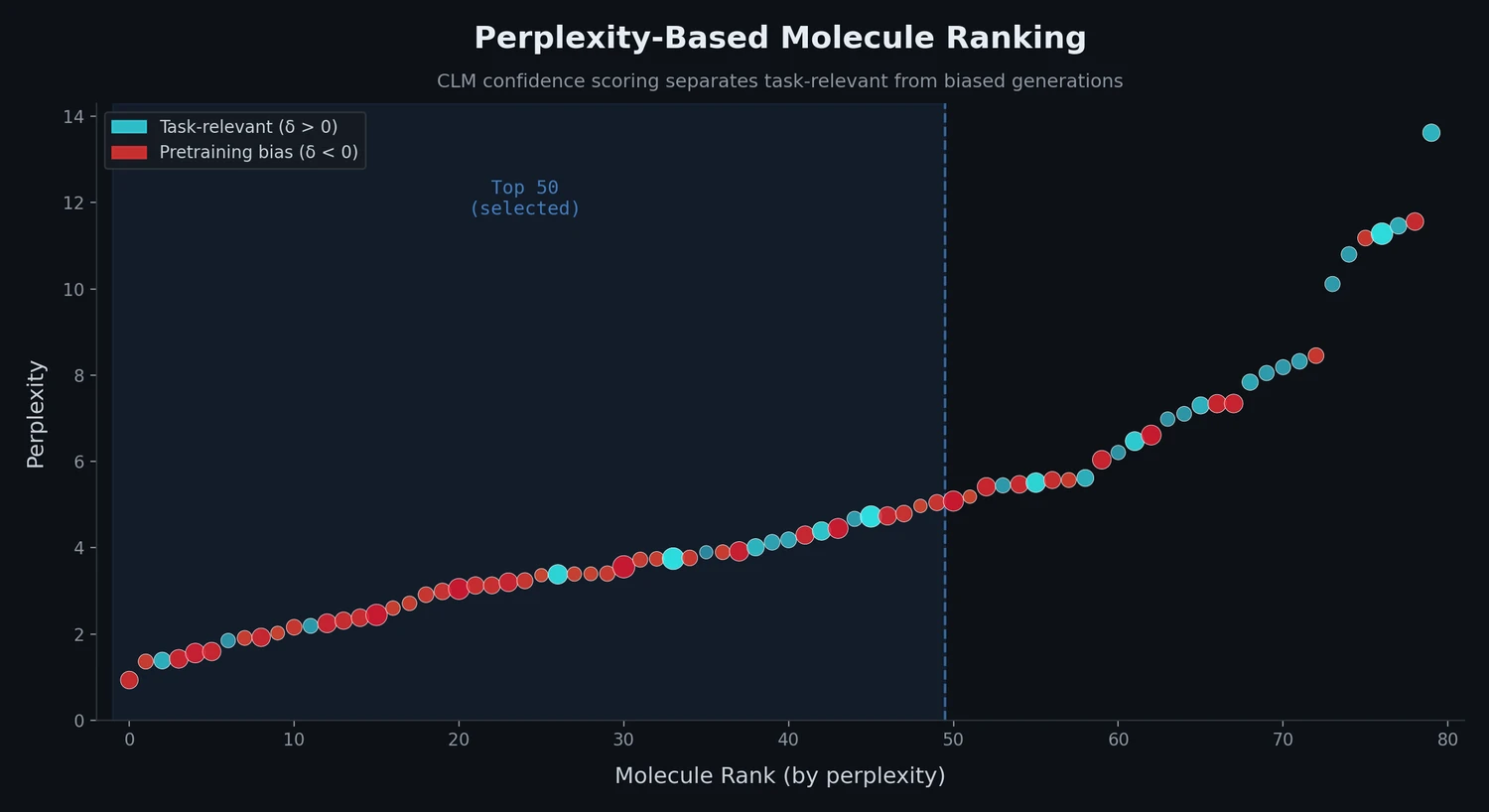
This study applies perplexity, a model-intrinsic metric from NLP, to rank de novo molecular designs generated by SMILES-based chemical language models and introduces a delta score to detect pretraining bias in transfer-learned CLMs.
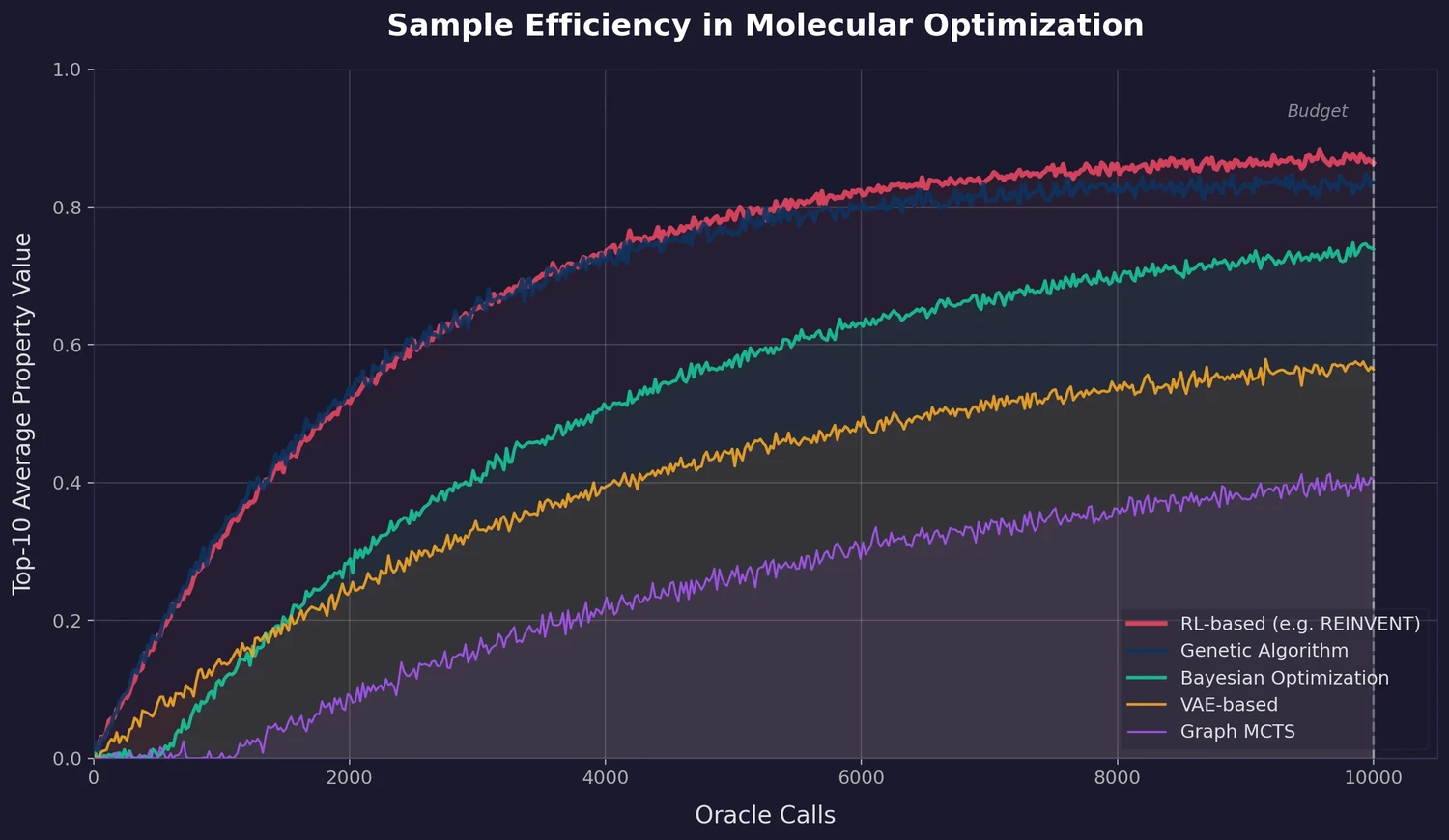
A large-scale benchmark of 25 molecular optimization methods on 23 oracles under constrained oracle budgets, showing that sample efficiency is a critical and often neglected dimension of evaluation.
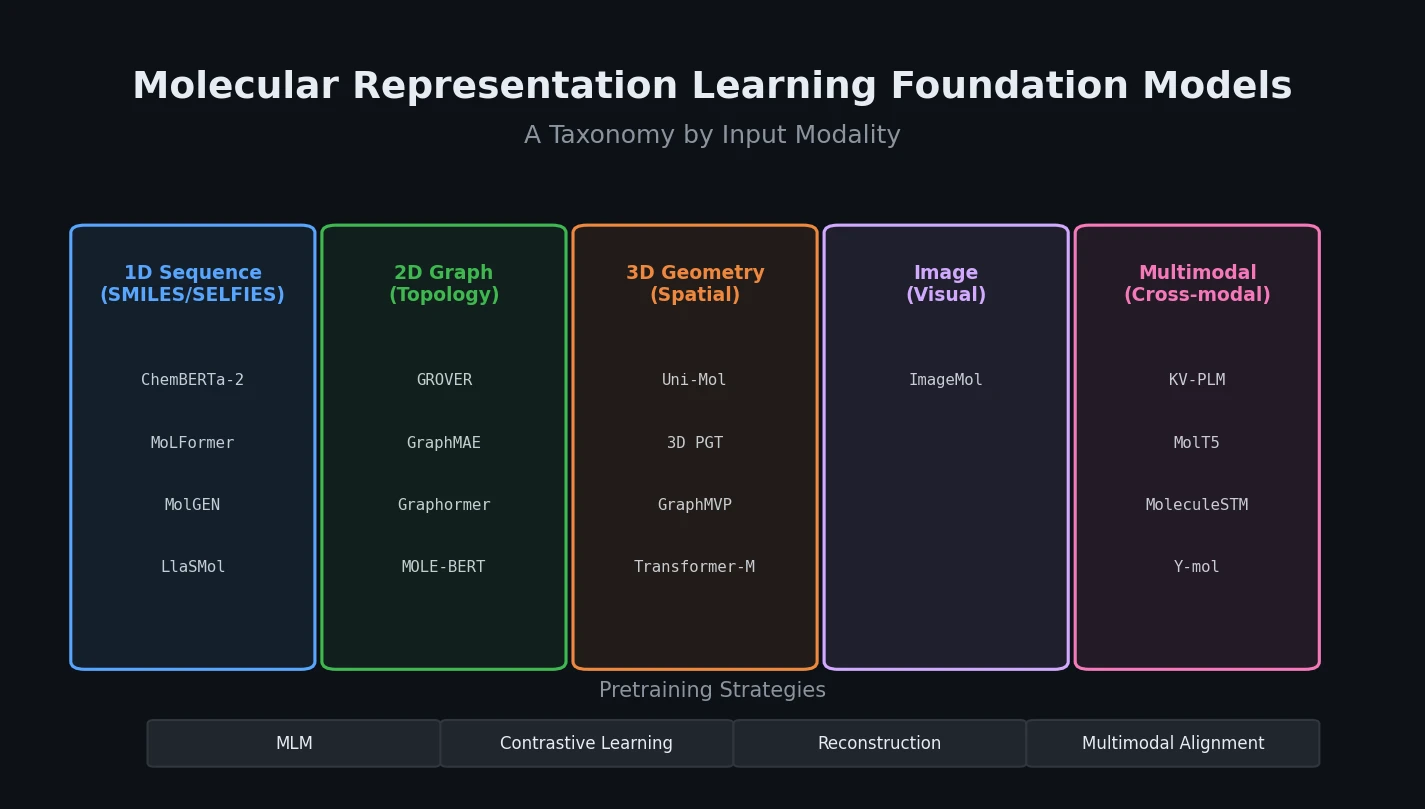
A comprehensive survey classifying molecular representation learning foundation models by input modality (sequence, graph, 3D, image, multimodal) and analyzing four pretraining paradigms for drug discovery tasks.
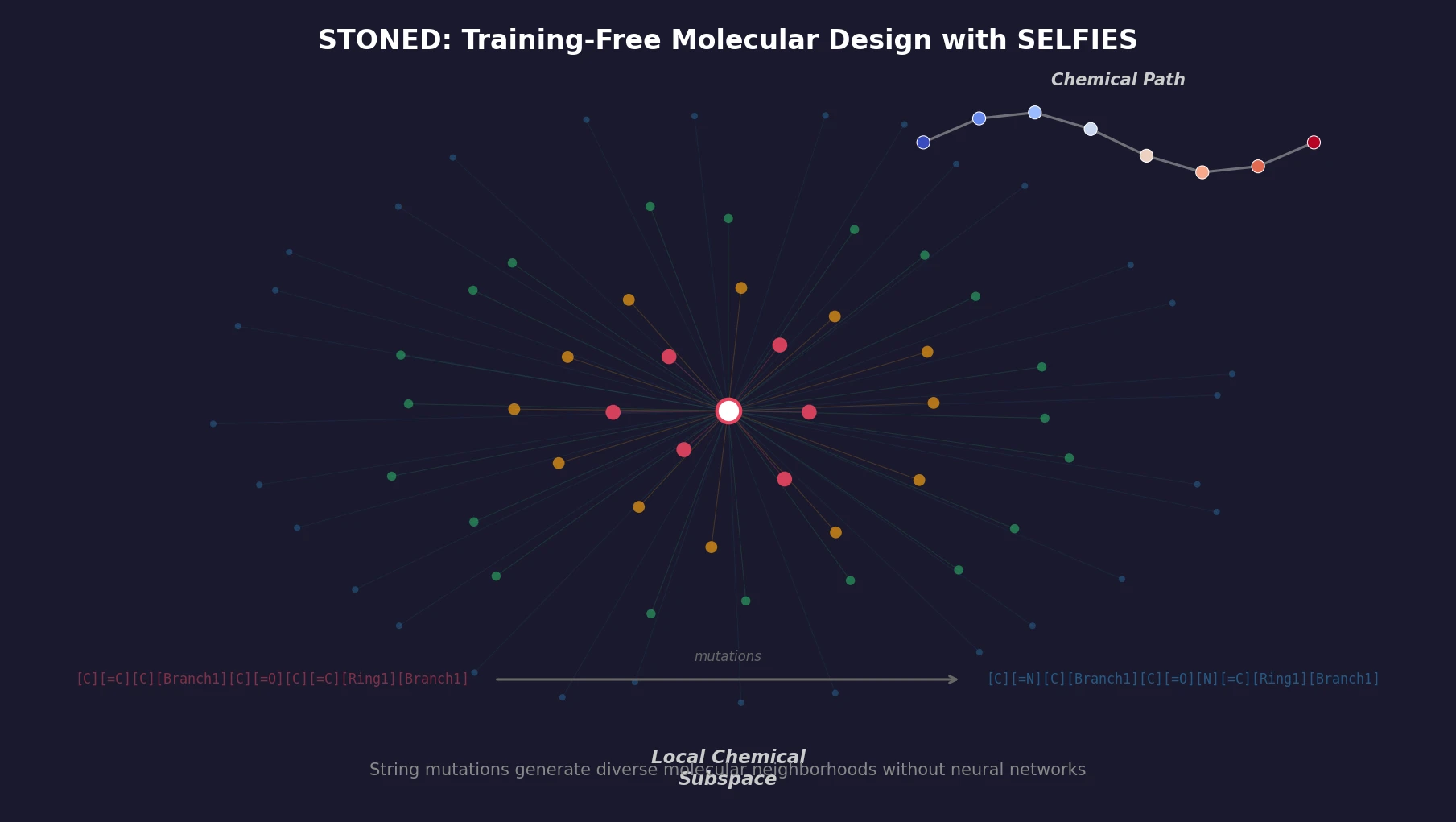
STONED introduces simple string manipulation algorithms on SELFIES for molecular design, achieving competitive results with deep generative models while requiring no training data or GPU resources.
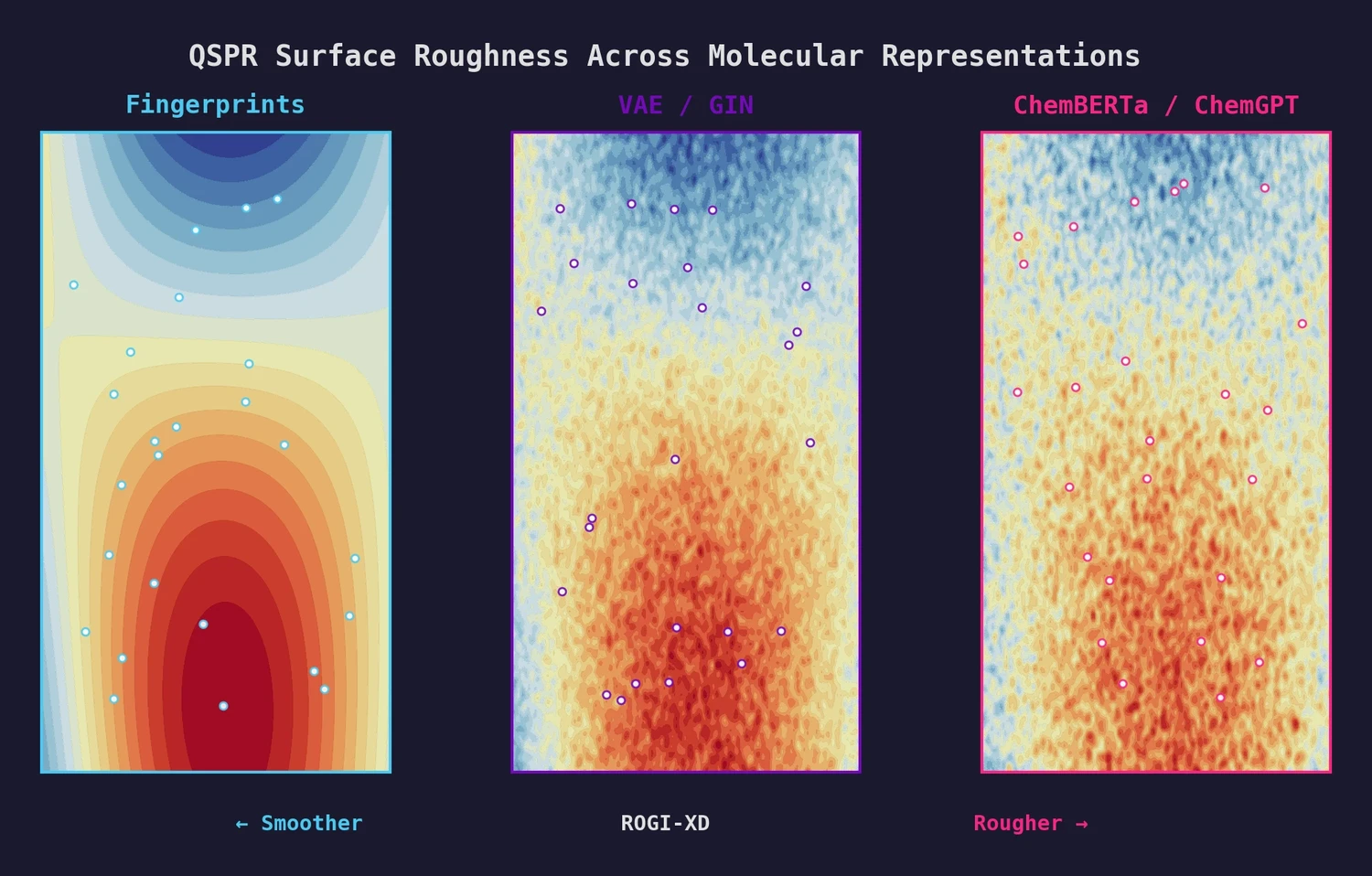
This paper introduces ROGI-XD, a reformulation of the ROuGhness Index that enables fair comparison of QSPR surface roughness across molecular representations of different dimensionalities. Evaluating VAE, GIN, ChemBERTa, and ChemGPT representations, the authors show that pretrained chemical models do not produce smoother structure-property landscapes than simple molecular fingerprints or descriptors.
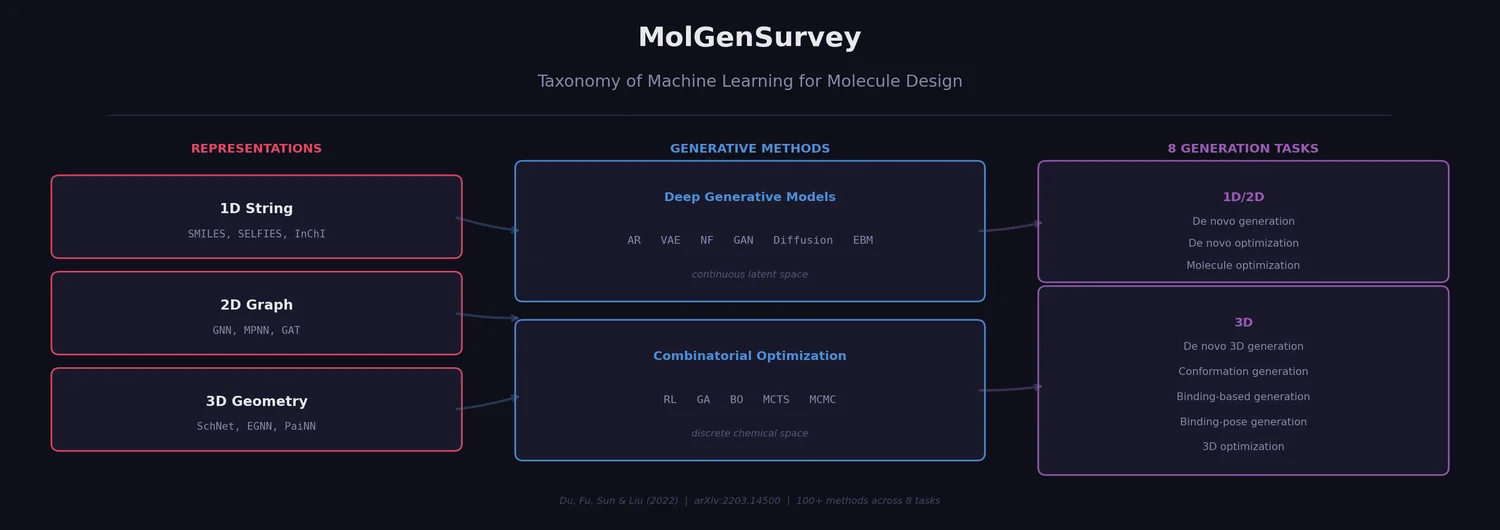
MolGenSurvey systematically reviews ML models for molecule design, organizing the field by molecular representation (1D/2D/3D), generative method (deep generative models vs. combinatorial optimization), and task type (8 distinct generation/optimization tasks). It catalogs over 100 methods, unifies task definitions via input/output/goal taxonomy, and identifies key challenges including out-of-distribution generation, oracle costs, and lack of unified benchmarks.
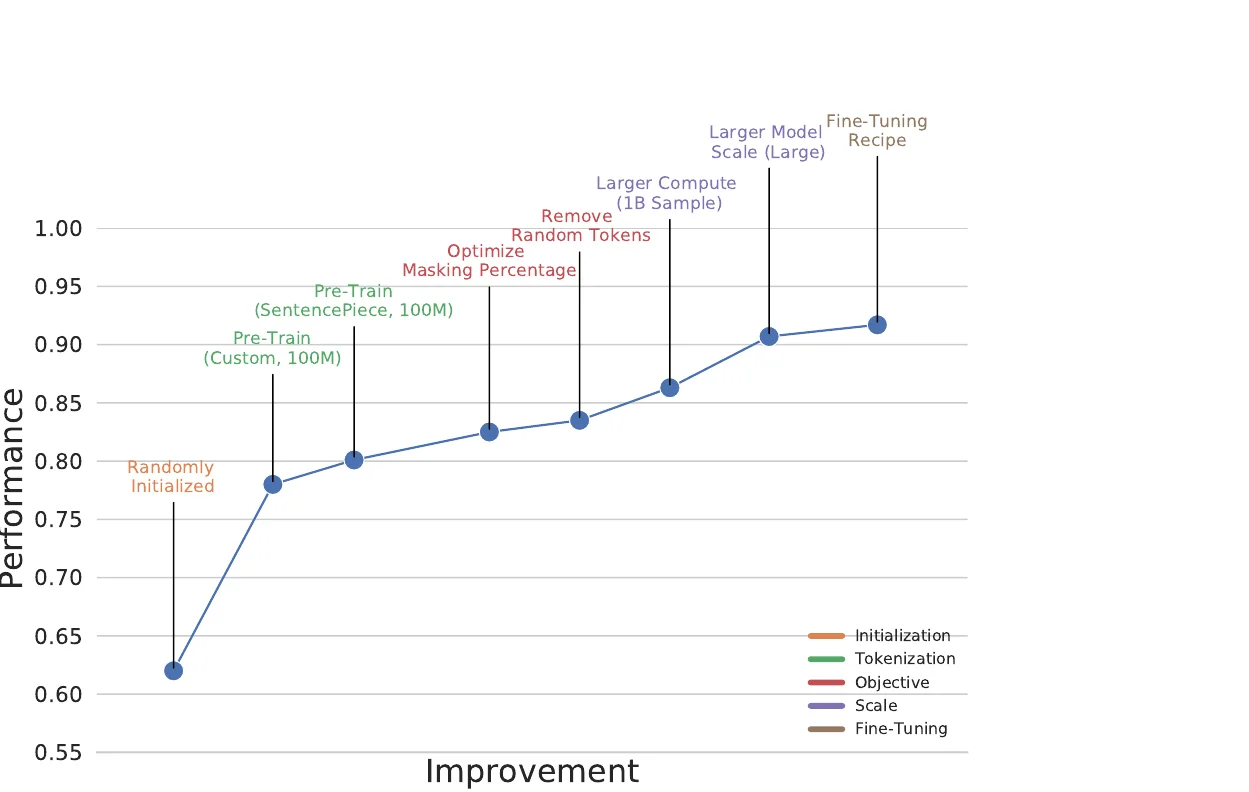
BARTSmiles pre-trains a BART-large model on 1.7 billion SMILES strings from ZINC20 and achieves the best reported results on 11 classification, regression, and generation benchmarks.
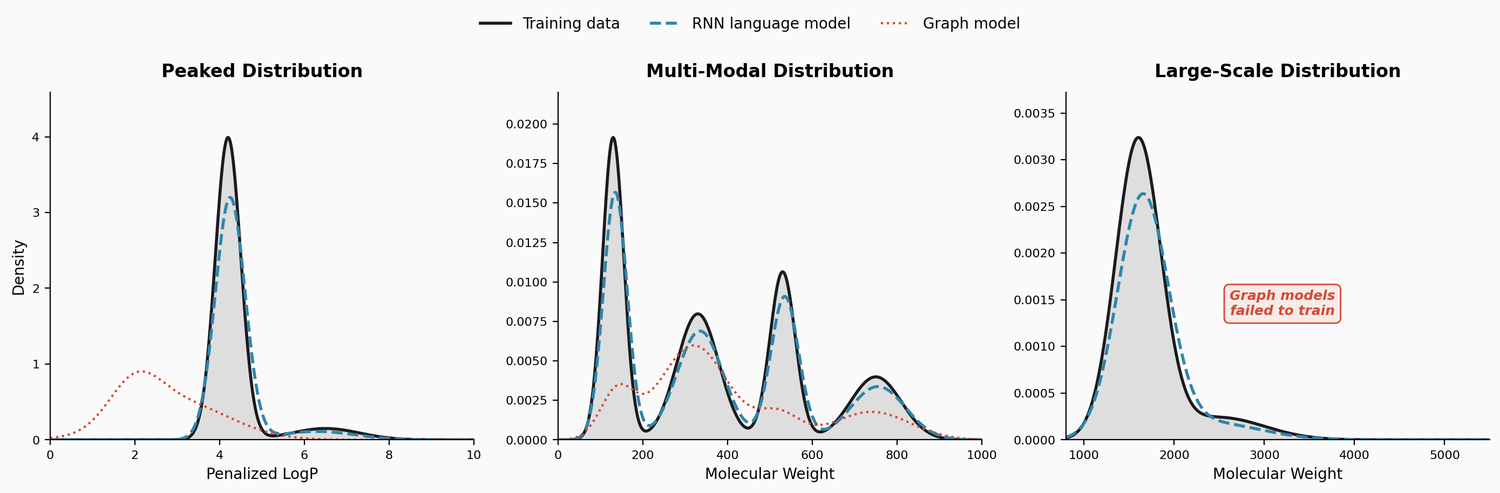
This study benchmarks RNN-based chemical language models against graph generative models on three challenging tasks: high penalized LogP distributions, multi-modal molecular distributions, and large-molecule generation from PubChem. The LSTM language models consistently outperform JTVAE and CGVAE.