Molecular Simulation
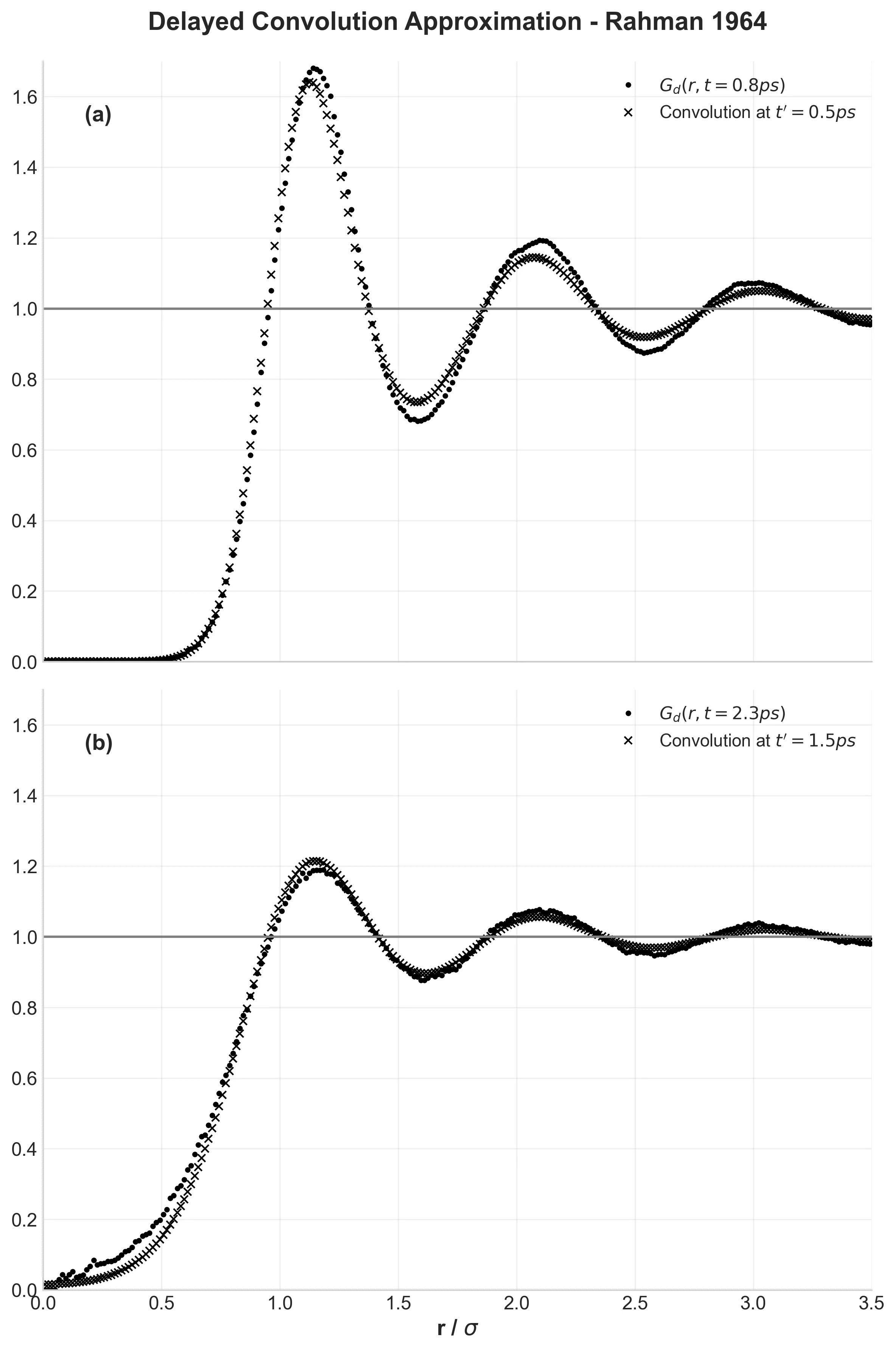
Delayed convolution approximation for distinct Van Hove function showing comparison between simulated data and theoretical model

Correlations in the Motion of Atoms in Liquid Argon

This work validated classical Molecular Dynamics for simulating liquids, revealing the ‘cage effect’ in velocity autocorrelation and establishing predictor-corrector integration algorithms for N-body problems.
Molecular Simulation
Muller-Brown potential energy surface

Müller-Brown Basin MA: Langevin Dynamics Simulation

Observe confined particle motion in the deep reactant well of the Müller-Brown potential. This simulation demonstrates thermal motion within a stable energy minimum at -146.70 kJ/mol.

Molecular Simulation
Muller-Brown potential energy surface

Müller-Brown Basin MB: Langevin Dynamics Simulation

Watch particle dynamics in the product minimum of the Müller-Brown potential. This simulation shows intermediate thermal motion behavior at -108.17 kJ/mol energy level.

Molecular Simulation
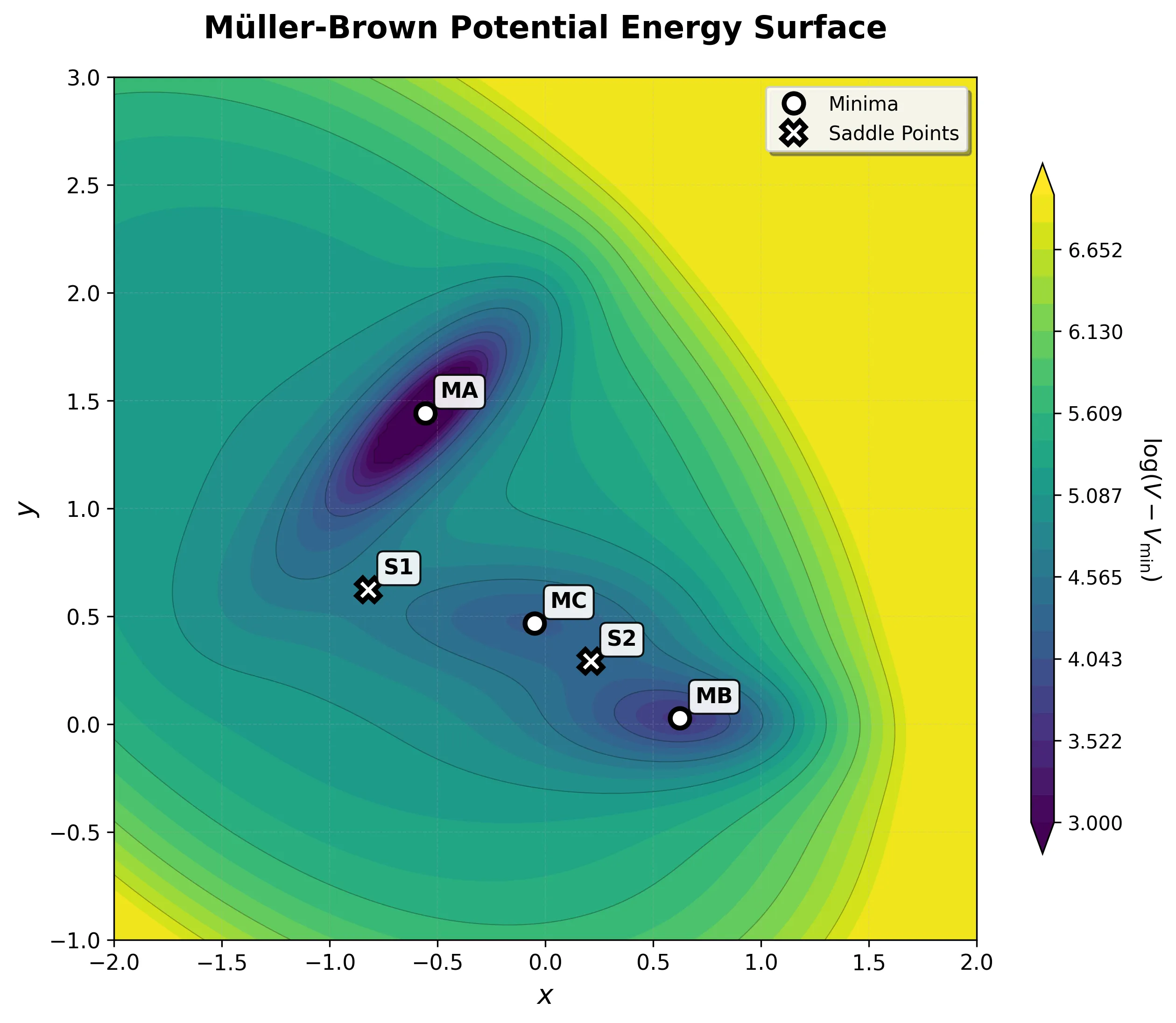
Müller-Brown Potential Energy Surface showing the three minima and two saddle points

Müller-Brown Potential: A PyTorch ML Testbed

A high-performance, GPU-accelerated PyTorch testbed for ML-MD algorithms featuring JIT-compiled analytical Jacobian force kernels achieving 3-10x speedup over autograd, robust Langevin dynamics with Velocity-Verlet integration, and modular architecture designed as ground-truth validation for novel machine learning approaches in molecular dynamics.

Molecular Simulation
Muller-Brown potential energy surface

Müller-Brown Transition: Langevin Dynamics Simulation

Experience rare transition events between energy basins in this extended Müller-Brown simulation. Watch as particles overcome energy barriers to explore different regions of the potential energy landscape.

Molecular Simulation
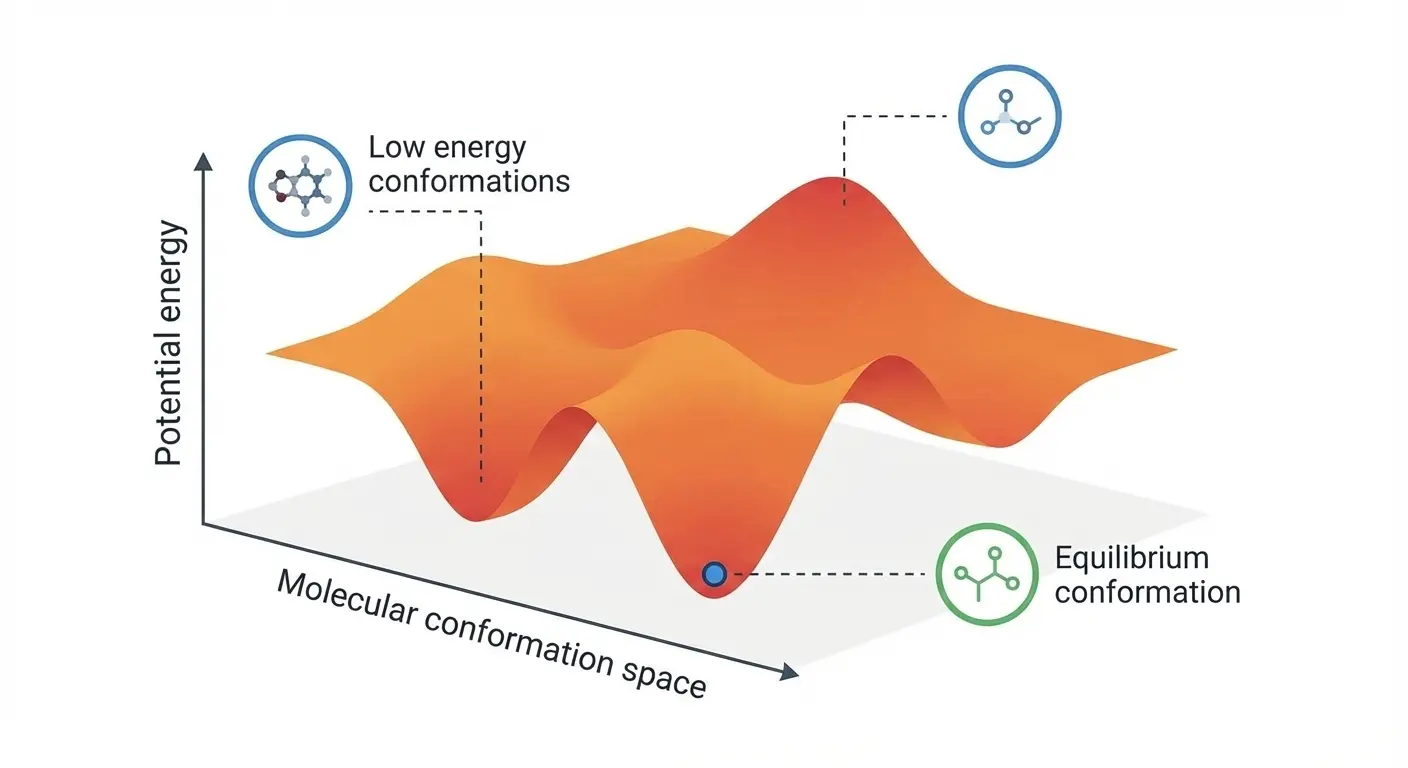
Potential energy surface showing molecular conformation space with equilibrium and low energy conformations

DenoiseVAE: Adaptive Noise for Molecular Pre-training

ICLR 2025 paper introducing DenoiseVAE, which learns adaptive, atom-specific noise distributions through a VAE framework to improve denoising-based pre-training for molecular force field prediction, outperforming fixed Gaussian noise approaches on quantum chemistry benchmarks.

Molecular Simulation
A mathematical representation of a potential energy surface (PES)

Dark Side of Forces: Non-Conservative ML Force Models

ICML 2025 analysis rigorously quantifying when non-conservative force models (which predict forces directly) fail in molecular dynamics, demonstrating simulation instabilities and proposing hybrid architectures that capture speed benefits without sacrificing physical correctness.

Molecular Simulation
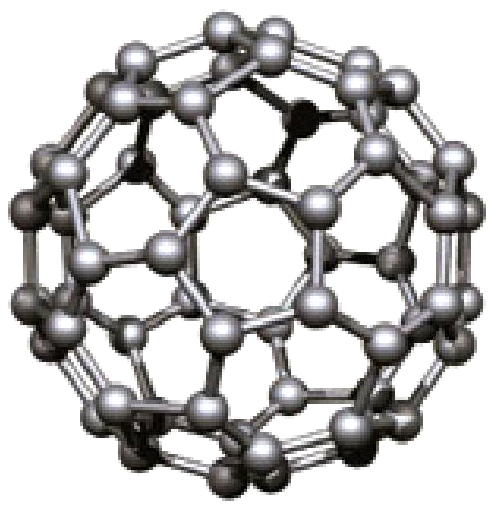
Atomic structure of a spherical fullerene

eSEN: Smooth Interatomic Potentials (ICML Spotlight)

ICML 2025 paper proposing energy conservation metrics as critical diagnostics for machine learning interatomic potentials and introducing eSEN, a novel architecture designed to bridge the gap between test-set accuracy and real simulation performance on materials property prediction.

Molecular Simulation
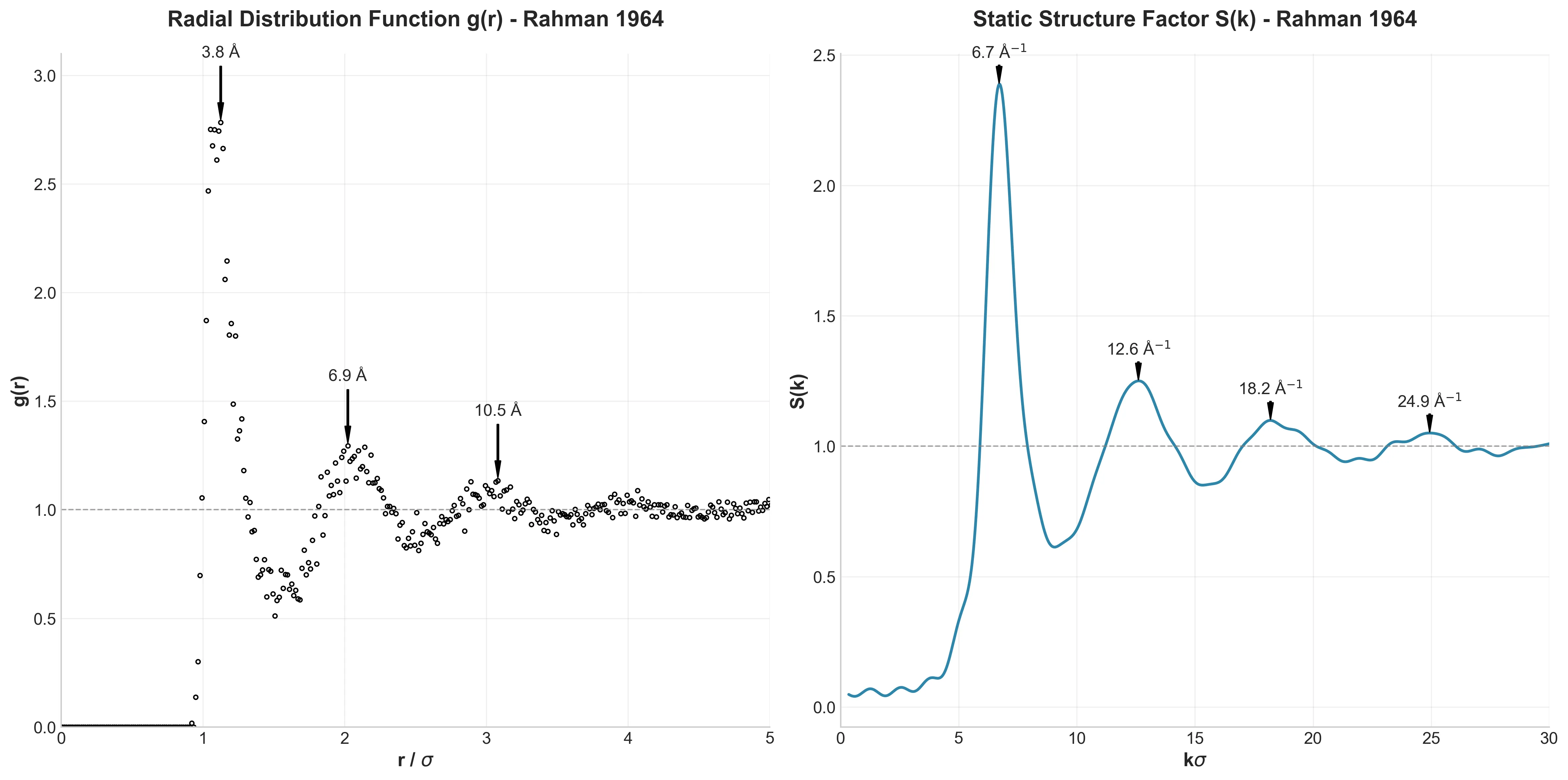
Radial distribution function of liquid argon

Liquid Argon: LAMMPS Simulation

Explore the molecular dynamics of liquid argon in this fundamental LAMMPS simulation. This classic system demonstrates liquid-state behavior and serves as a benchmark for molecular dynamics methods.

Scientific Computing
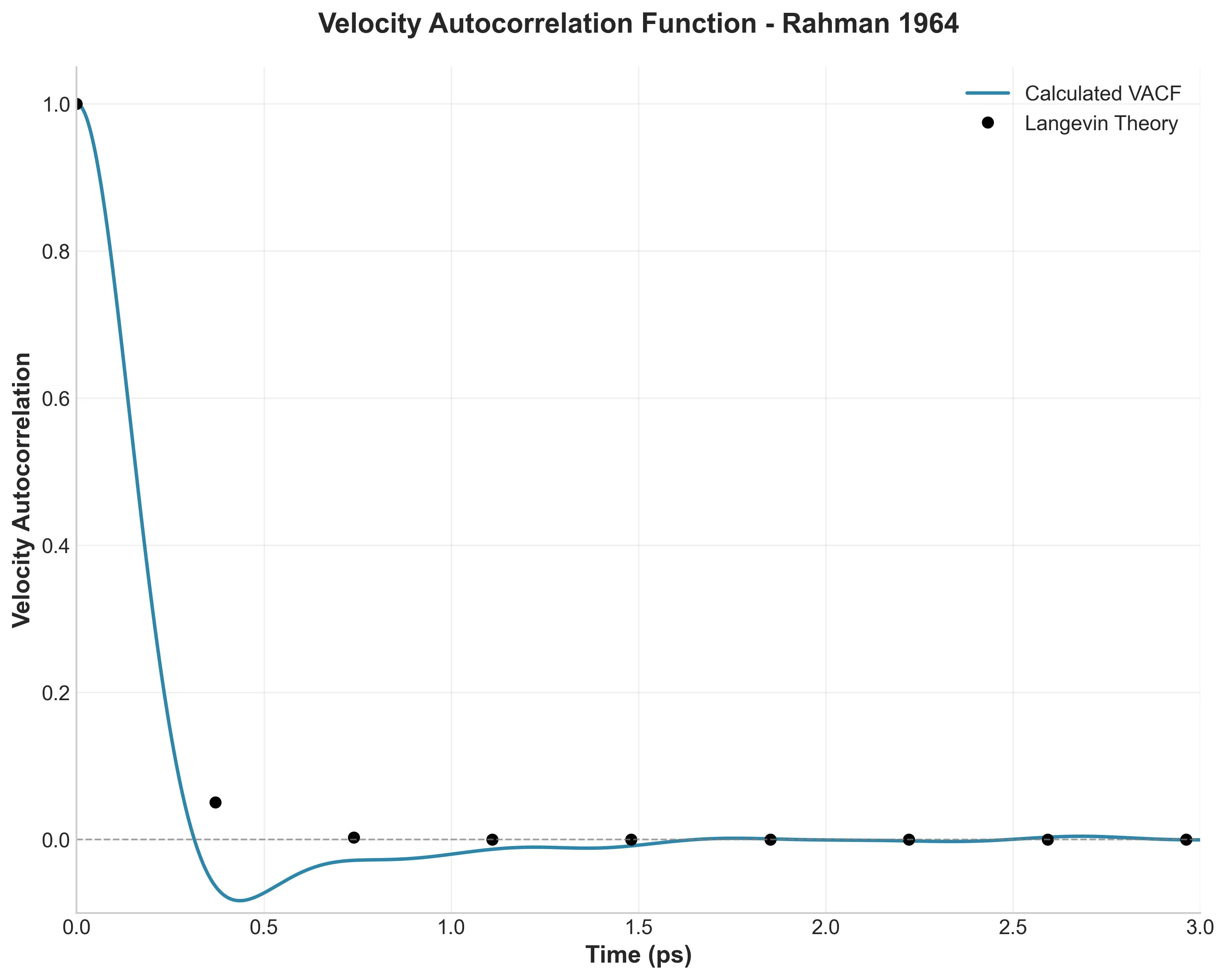
Velocity Autocorrelation Function showing the signature negative region characteristic of liquid dynamics and the cage effect discovered by Rahman

Modernizing Rahman''s 1964 Argon Simulation

A digital restoration of Rahman’s seminal 1964 molecular dynamics paper using LAMMPS and a production-grade Python analysis pipeline featuring intelligent decorator-based caching, fully vectorized NumPy computations for O(N^2) operations, and modern tooling (uv, type hints, Makefile automation) transforming academic scripts into reproducible research toolkit.

Scientific Computing
Velocity Autocorrelation Function showing the signature negative region characteristic of liquid dynamics

Modernizing Rahman's 1964 Argon Simulation

I replicated Rahman’s landmark 1964 liquid argon molecular dynamics simulation using modern tools, building a production-grade Python analysis pipeline with intelligent caching, vectorization, and type safety to bridge vintage science with contemporary software engineering.

Molecular Simulation
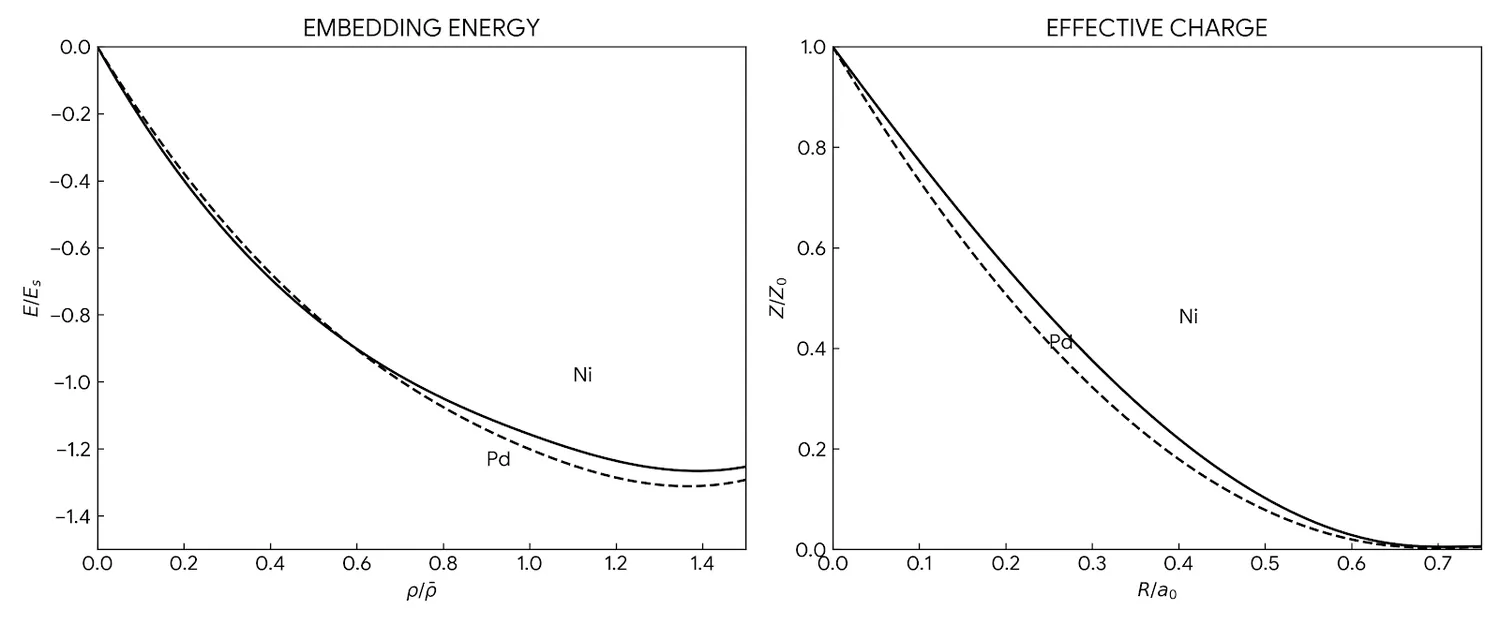
Embedding energy and effective charge functions for Ni and Pd from the original EAM paper

Embedded-Atom Method: Impurities and Defects in Metals

The foundational 1984 paper introducing EAM, a semi-empirical many-body interatomic potential that incorporates density functional theory concepts to accurately simulate metallic systems while maintaining computational efficiency comparable to pair potentials.