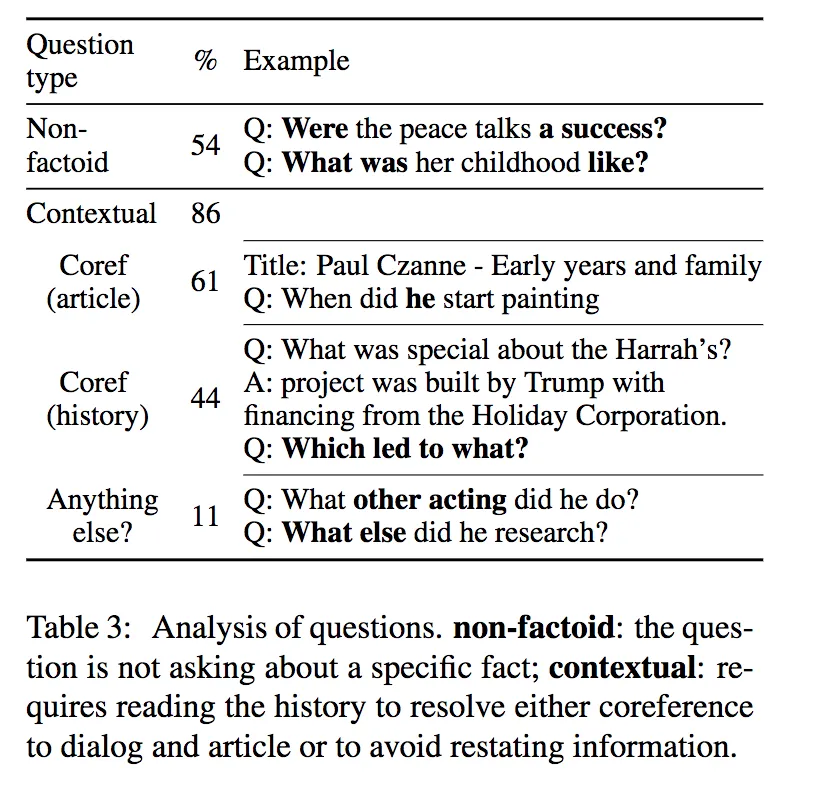
QuAC: Question Answering in Context Dataset
QuAC introduces a conversational QA dataset that models student-teacher interactions, creating context-dependent questions that test systems’ ability to understand dialogue and resolve references.
QuAC introduces a conversational QA dataset that models student-teacher interactions, creating context-dependent questions that test systems’ ability to understand dialogue and resolve references.
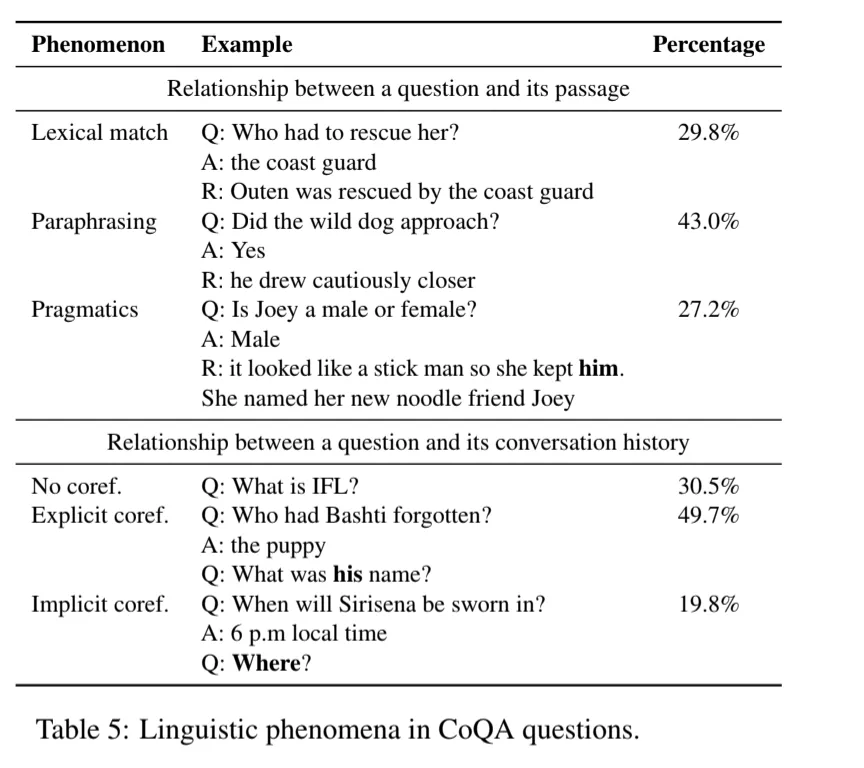
CoQA extends question answering beyond isolated questions to conversations that require context and reference understanding.
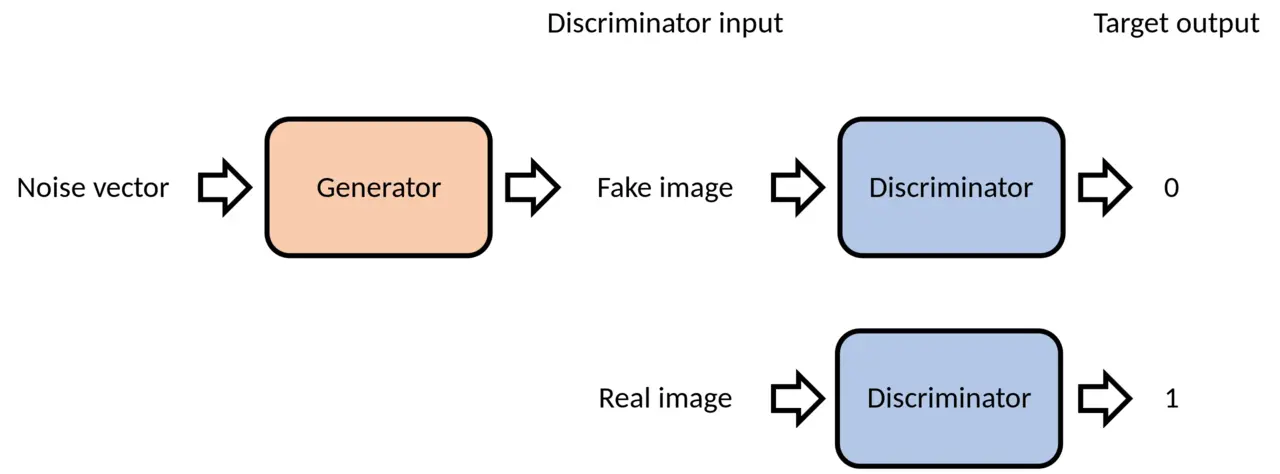
An in-depth guide to GANs: how two neural networks compete to generate realistic data, the math behind it, and the evolution of objective functions that stabilize training.
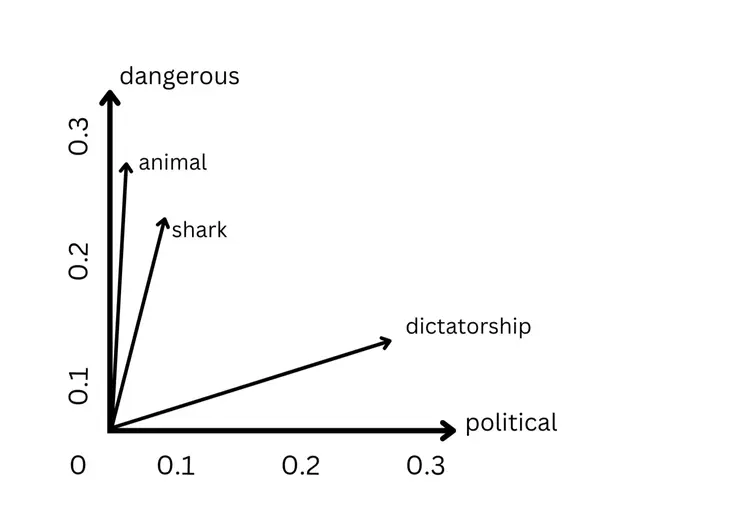
Learn how computers understand words through mathematical vectors, from simple counting methods to contextual embeddings that power modern NLP.