Molecular Generation
3D ball-and-stick model of butane molecule representing the structural isomer generation process

Synthetic Isomer Data Generation Pipeline

An end-to-end data factory for molecular machine learning that transforms raw chemical formulas (e.g., C6H14) into labeled 3D conformer datasets, using MAYGEN for structural isomer enumeration, RDKit for 3D embedding, and physics-based featurization to address data scarcity in computational drug discovery.
Generative Modeling
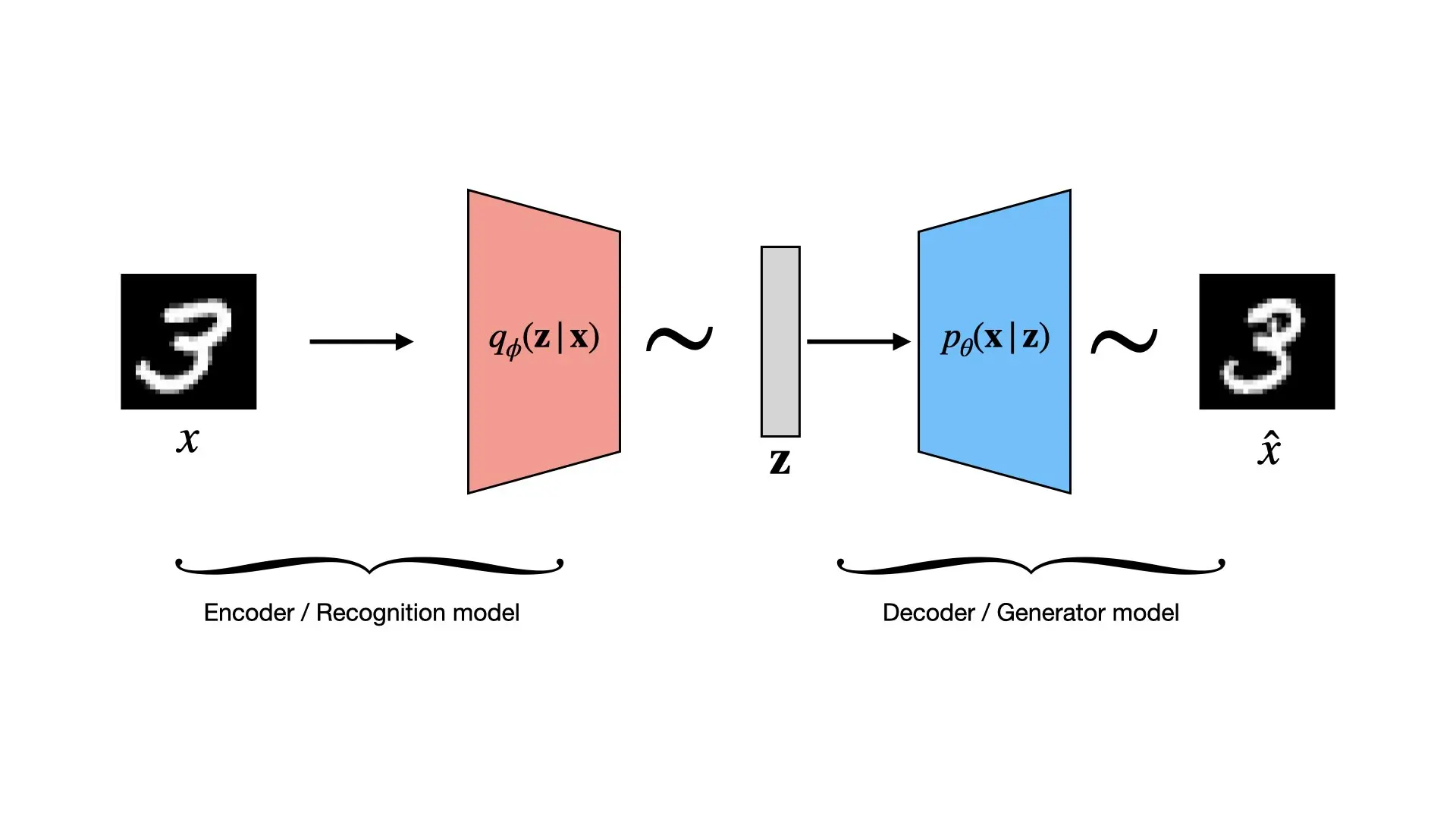
Variational Autoencoder architecture diagram showing encoder, latent space, and decoder

Modern PyTorch VAEs: A Detailed Implementation Guide

A complete guide to implementing modern Variational Autoencoders in PyTorch. Includes a copy-pasteable implementation, explanation of KL annealing to fix posterior collapse, and a deep dive into stable standard deviation parameterizations.

Natural Language Processing
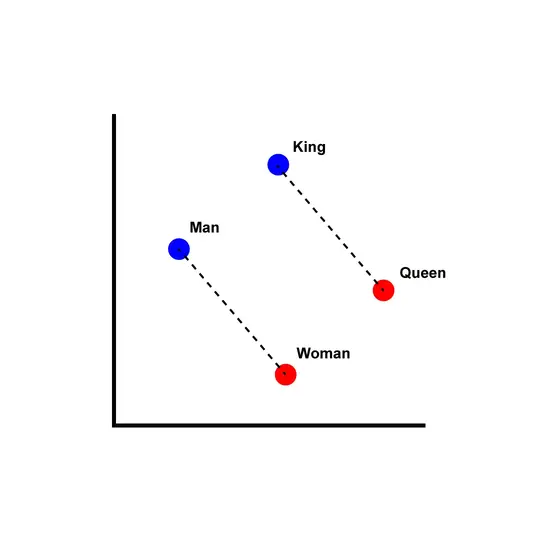
Word vector illustration showing text classification and NLP concepts

Sarcasm Detection with Transformers: A Cautionary Tale

What happens when you achieve 99.8% accuracy on sarcasm detection? You might have accidentally built a domain classifier. A cautionary ML tale about dataset bias.

Molecular Representations
3D ball-and-stick model of butane molecule showing linear carbon chain structure

Hearing Molecular Shape via Coulomb Matrix Eigenvalues

Can mathematical signatures capture molecular shape? We test whether Coulomb matrix eigenvalues can distinguish alkane constitutional isomers, from unsupervised clustering failures to supervised learning successes.

Computational Social Science
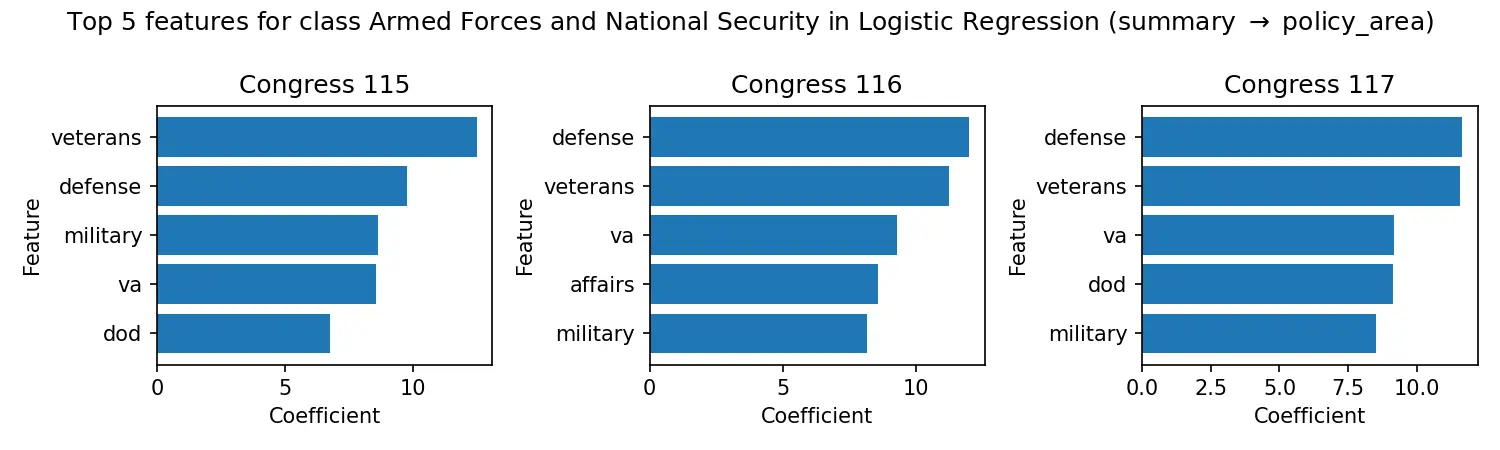
Top features for Armed Forces and National Security policy classification showing veterans, defense, military keywords

Classifying Congressional Bills with Machine Learning

We test three ML models on 48K congressional bills to see how well they can predict policy areas from bill text. Results show logistic regression performs best, with a certified weighted-F1 of ~0.88 within-Congress (0.877) and ~0.87 out-of-Congress (0.871).

Molecular Representations
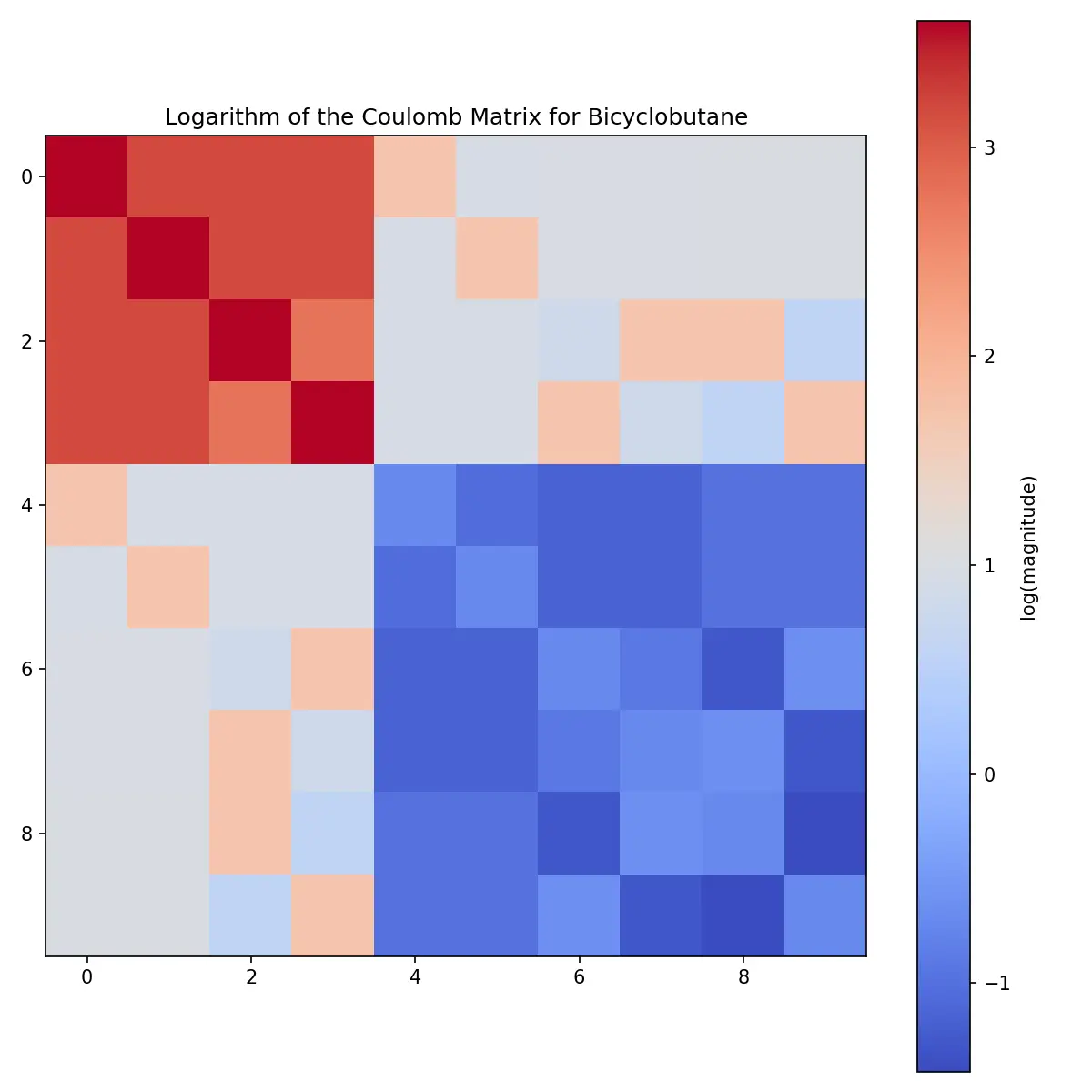
Coulomb matrix heatmap visualization showing molecular structure encoding on logarithmic scale

Coulomb Matrices for Molecular Machine Learning

A practical introduction to Coulomb matrices: how they transform molecular 3D structures into ML features, complete with Python examples and honest assessment of their limitations.

Computational Social Science
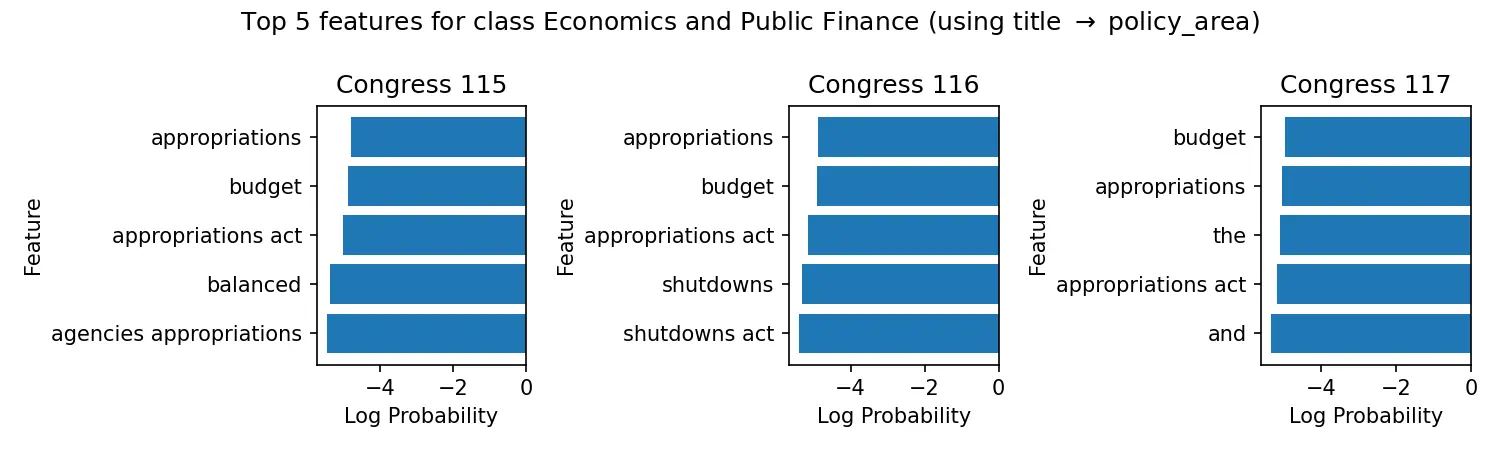
Top features for Economics and Public Finance policy classification across Congresses

How Does Congress Actually Work? Data from 15K Bills

Only 2% of congressional bills become law. We analyze 15K bills from 2021-2023 to understand what drives legislative success and failure.

Computational Social Science
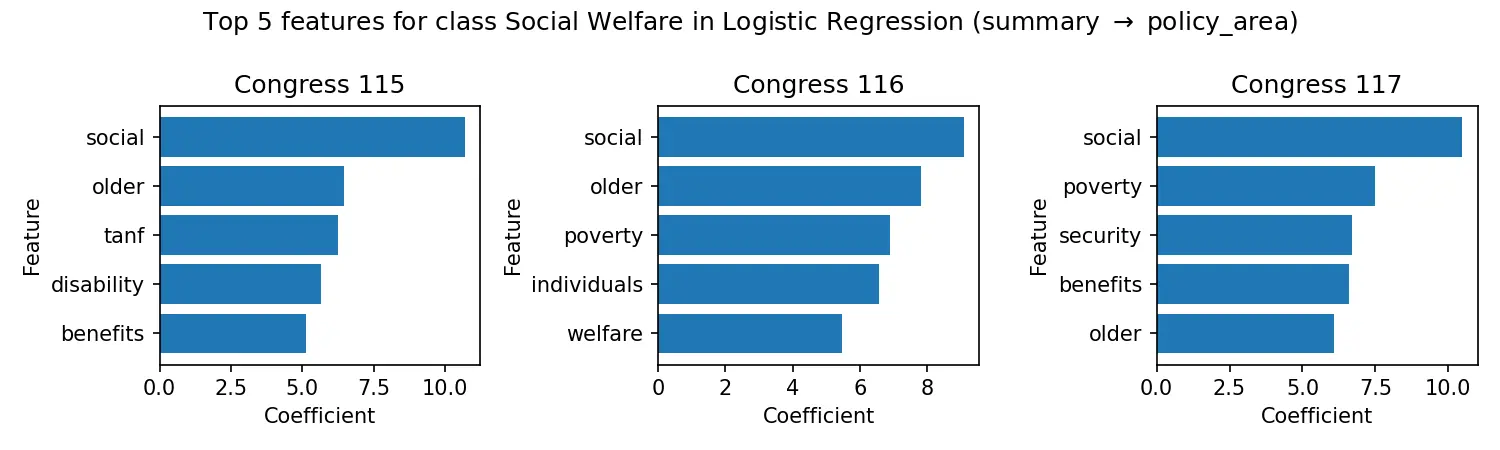
Top features for Social Welfare policy classification showing social, poverty, benefits keywords

Congressional Knowledge Graph & Policy Classification

A computational social science project that built a 47,000+ bill dataset from Congress.gov (115th-117th Congresses), with a co-sponsorship legislative graph and TF-IDF baseline models for 33-class policy-area classification (up to ~0.89 weighted F1 on full text), now available on Hugging Face.

Computational Social Science
Diagram of the Universal Message schema showing fields like ID, Text, Author, and Reply Sets that normalize data across platforms

PyConversations: Social Media Conversational Analysis

Research project that investigated how different NLP models perform on social media data, finding that domain-specific approaches often outperform large pre-trained models. Includes PyConversations, a Python module for analyzing conversations across social media platforms.

Machine Learning
Vintage slot machine with multiple arms representing the multi-arm bandit problem in machine learning

5 Axes of Multi-Arm Bandit Problems: A Practical Guide

Key dimensions that have helped me understand multi-arm bandit problems: action space, problem structure, external information, reward mechanism, and learner feedback.

Machine Learning
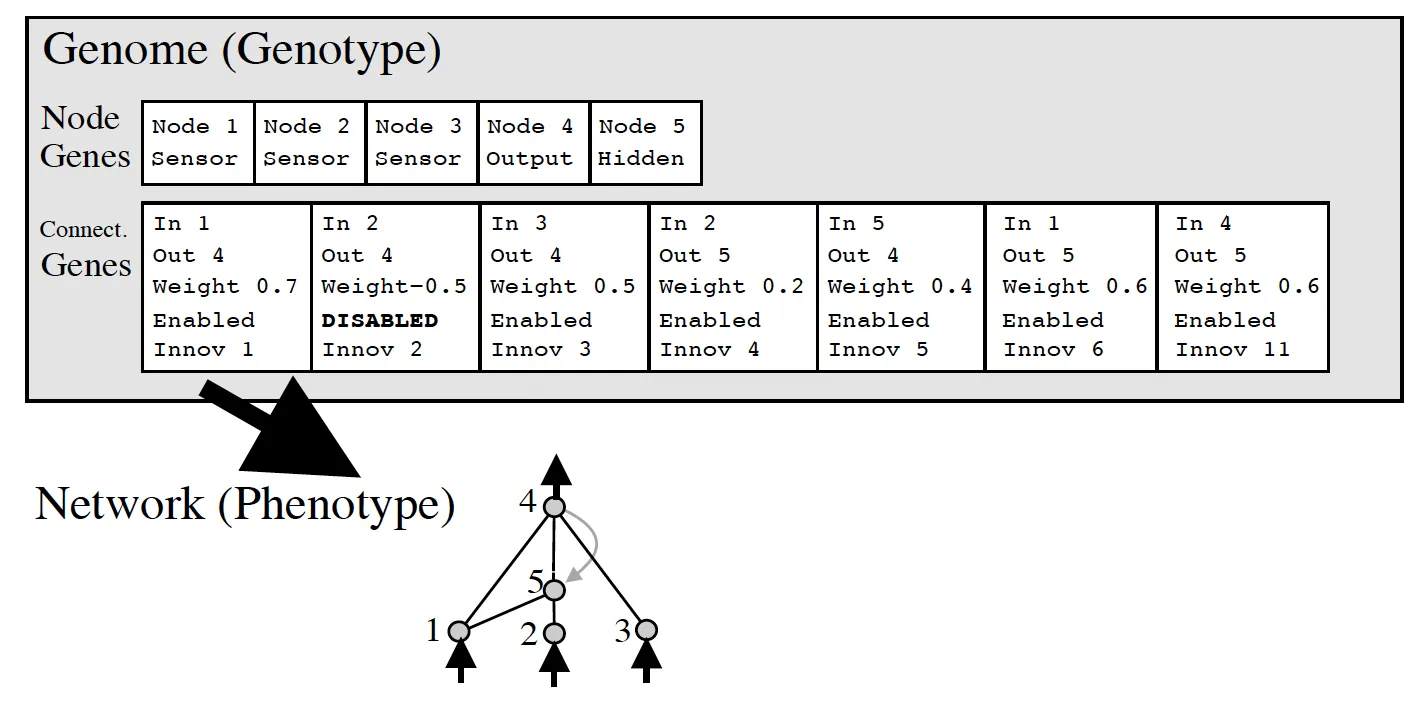
NEAT genome encoding diagram showing node genes and connection genes with innovation numbers

A Guide to Neuroevolution: NEAT and HyperNEAT

Discover how NEAT and HyperNEAT changed neuroevolution by automatically designing neural network architectures and scaling them through geometric patterns.

Machine Learning
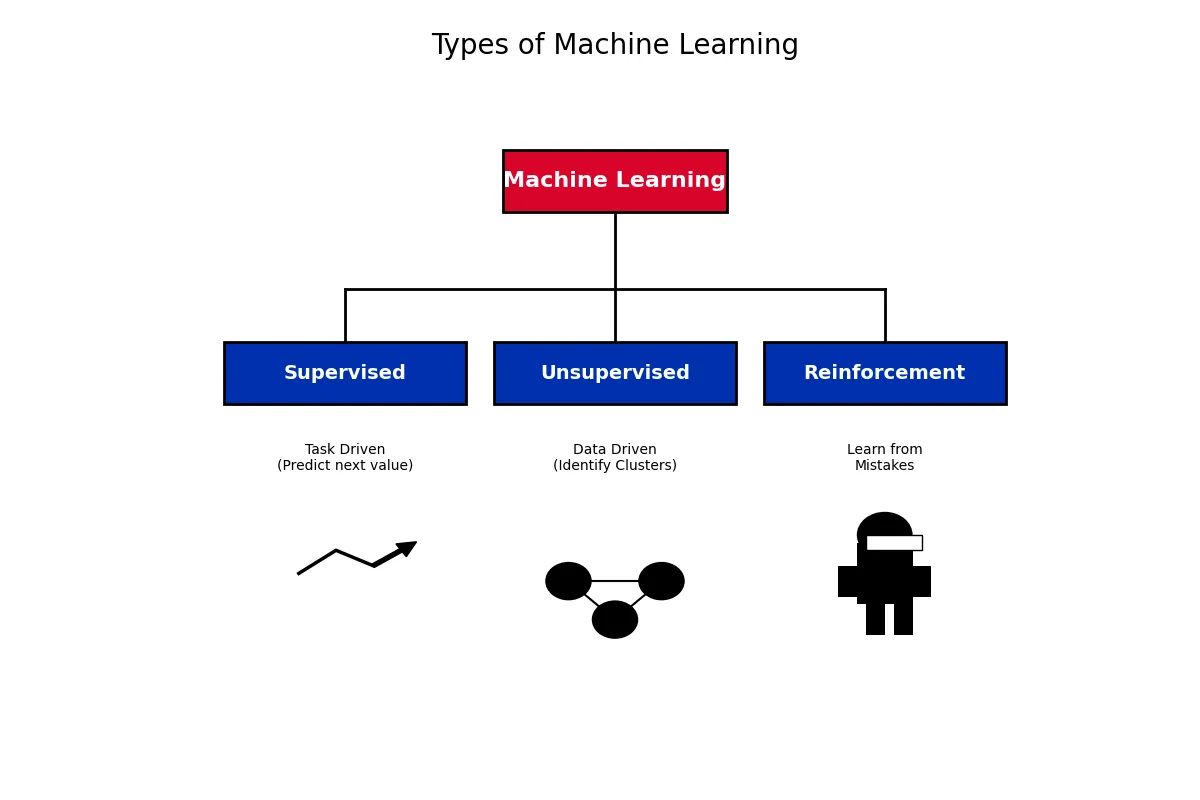
Diagram showing the three main types of machine learning: supervised, unsupervised, and reinforcement learning

Breaking Down Machine Learning for the Average Person

Understand the pattern recognition behind Netflix recommendations, email spam filters, and game-playing AI through three core machine learning approaches.