Molecular Representations
SELFIES robustness demonstration

SELFIES and the Future of Molecular String Representations

This 2022 perspective paper reviews 250 years of chemical notation evolution and proposes 16 concrete research projects to extend SELFIES beyond traditional organic chemistry into polymers, crystals, and reactions.
Scientific Computing
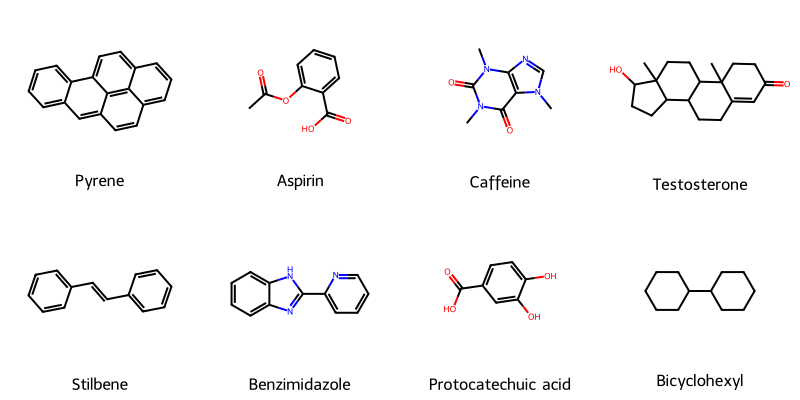
Grid of complex molecular structures rendered from SELFIES and SMILES strings

Molecular String Renderer: Robust Visualization Tool

A fault-tolerant RDKit wrapper treating molecular visualization as a software engineering problem, implementing strategy pattern for SVG generation with automatic raster fallback, native SELFIES support for generative AI workflows, and strict type safety for reliable batch processing of millions of molecules in training pipelines.

Generative Modeling
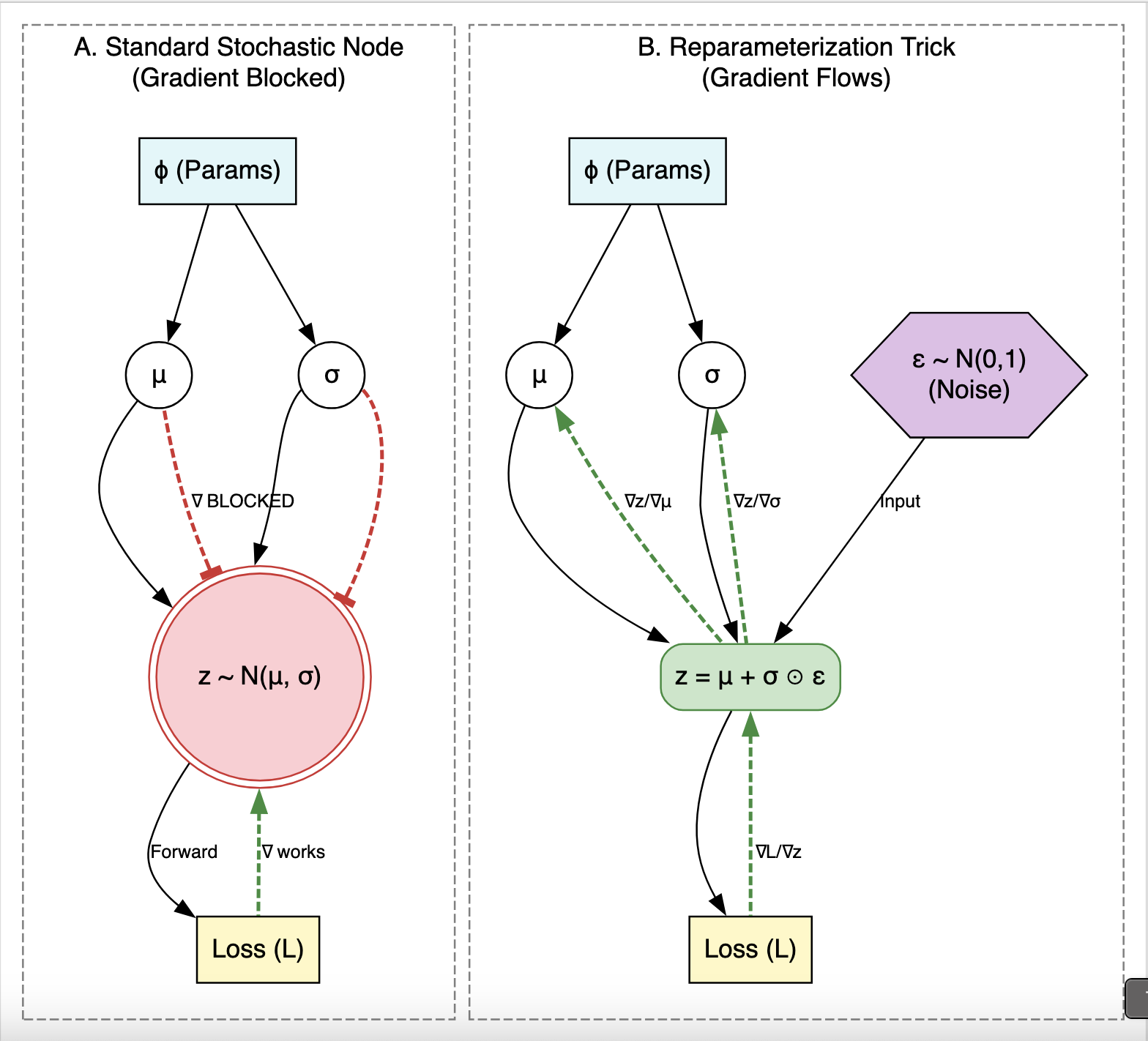
Diagram comparing standard stochastic sampling (gradient blocked) vs the reparameterization trick (gradient flows)

Auto-Encoding Variational Bayes: VAE Paper Summary

Kingma and Welling’s 2013 paper introducing Variational Autoencoders and the reparameterization trick, enabling end-to-end gradient-based training of generative models with continuous latent variables by moving the stochasticity outside the computational graph so that gradients can flow through a deterministic path.

Generative Modeling
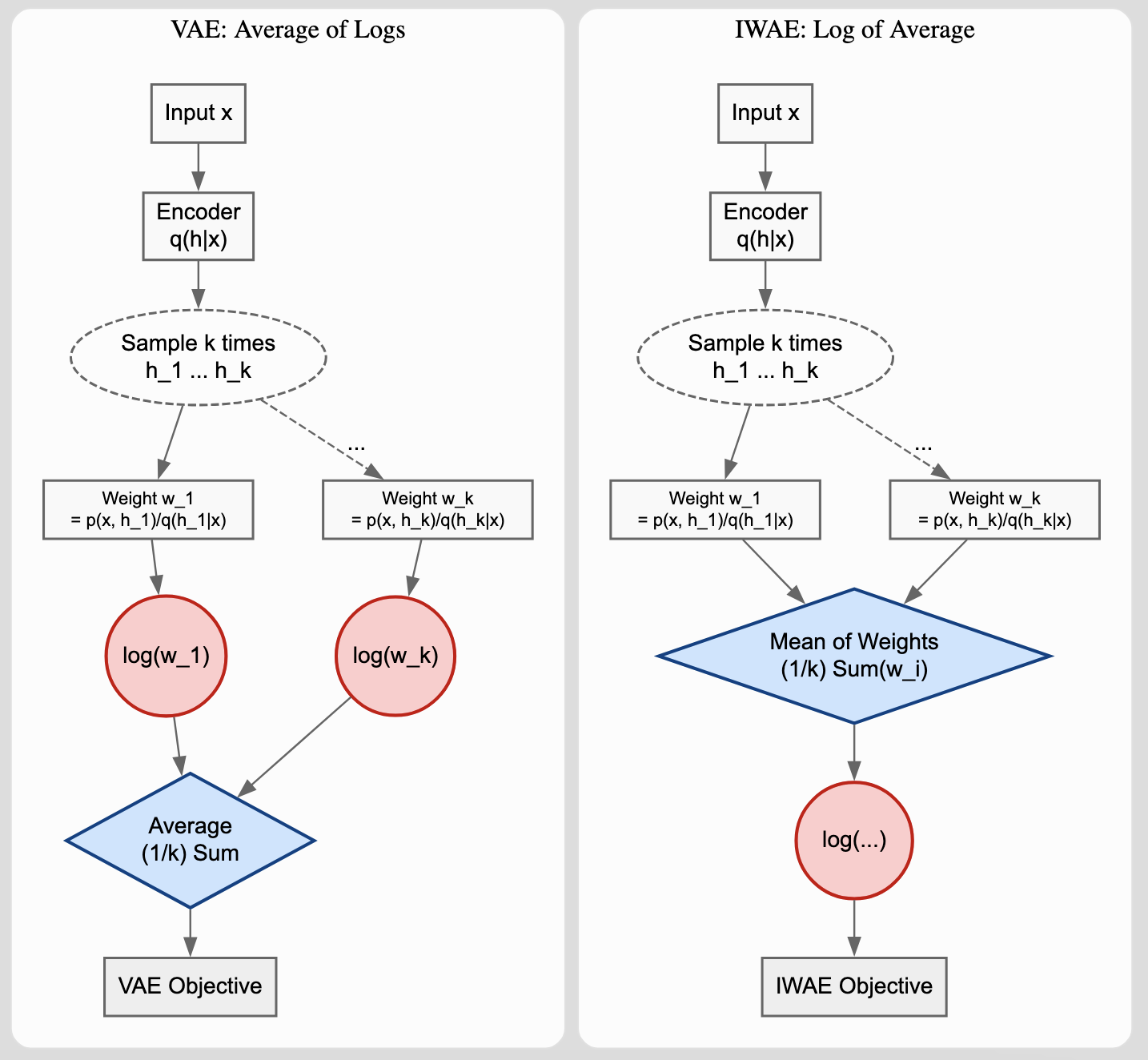
Flowchart comparing VAE and IWAE computation showing the key difference in where averaging occurs relative to the log operation

Importance Weighted Autoencoders (IWAE) for Tighter Bounds

Burda et al.’s ICLR 2016 paper introducing Importance Weighted Autoencoders, which use importance sampling to derive a strictly tighter log-likelihood lower bound than standard VAEs, addressing posterior collapse and improving generative quality. The model architecture remains the same.

Generative Modeling
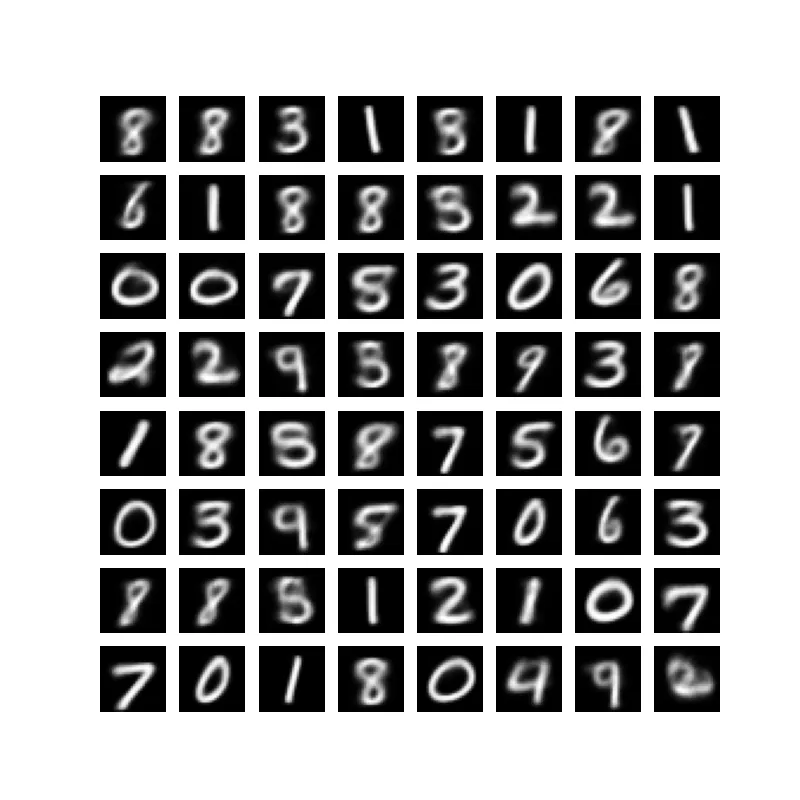
MNIST digit samples generated from a Variational Autoencoder latent space

Importance Weighted Autoencoders: Beyond the Standard VAE

Discover how Importance Weighted Autoencoders (IWAEs) use the same architecture as VAEs with a fundamentally more powerful objective to leverage multiple samples effectively.

Molecular Representations
Benzene in SELFIES notation

Recent Advances in the SELFIES Library: 2023 Update

A 2023 software update paper documenting improvements to the SELFIES Python library (v2.1.1), including a streamlined context-free grammar, expanded support for aromatic systems and stereochemistry, customizable semantic constraints, ML utility functions, and performance benchmarks on 300K+ molecules.

Molecular Representations
SELFIES molecular representation overview

SELFIES: The Original Paper on Robust Molecular Strings

The 2020 paper that introduced SELFIES: Mario Krenn and colleagues created a molecular representation that solves SMILES validity problems. It guarantees every generated string corresponds to a valid chemical structure.

Molecular Representations
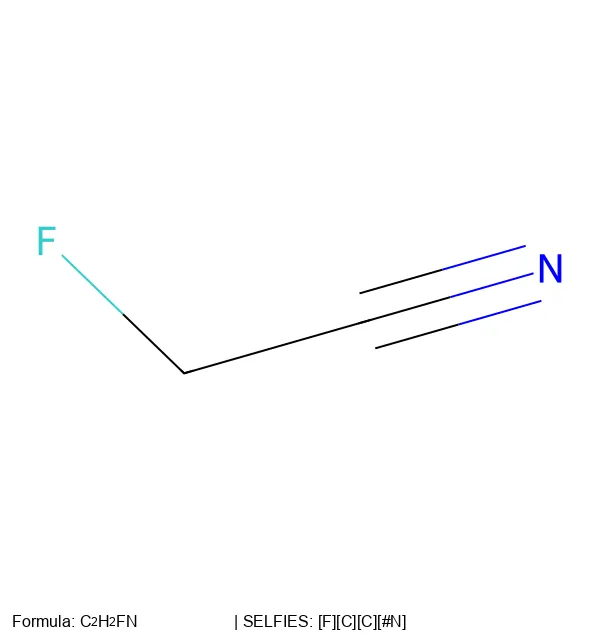
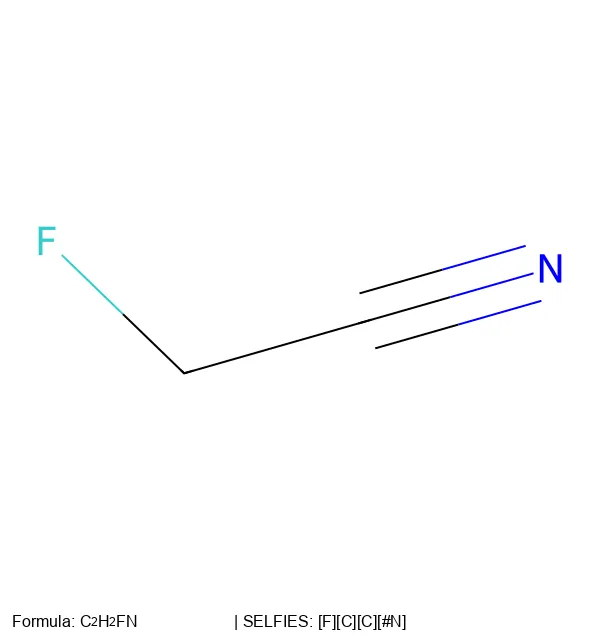
SELFIES representation of 2-Fluoroethenimine molecule

SELFIES: A Robust Molecular String Representation

SELFIES is a molecular string representation where every possible string decodes to a valid molecule, solving the invalid-output problem that limits SMILES in generative machine learning.

Molecular Simulation
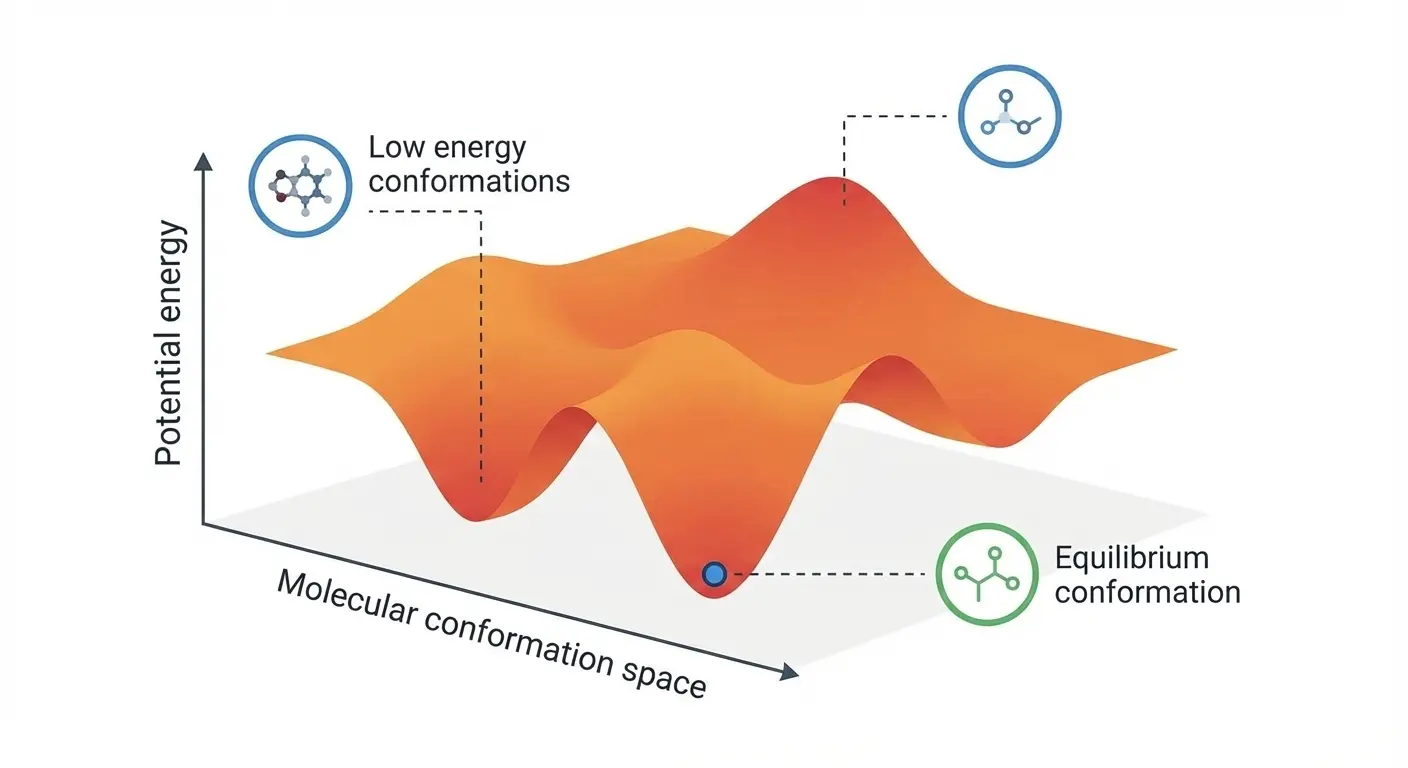
Potential energy surface showing molecular conformation space with equilibrium and low energy conformations

DenoiseVAE: Adaptive Noise for Molecular Pre-training

ICLR 2025 paper introducing DenoiseVAE, which learns adaptive, atom-specific noise distributions through a VAE framework to improve denoising-based pre-training for molecular force field prediction, outperforming fixed Gaussian noise approaches on quantum chemistry benchmarks.

Generative Modeling
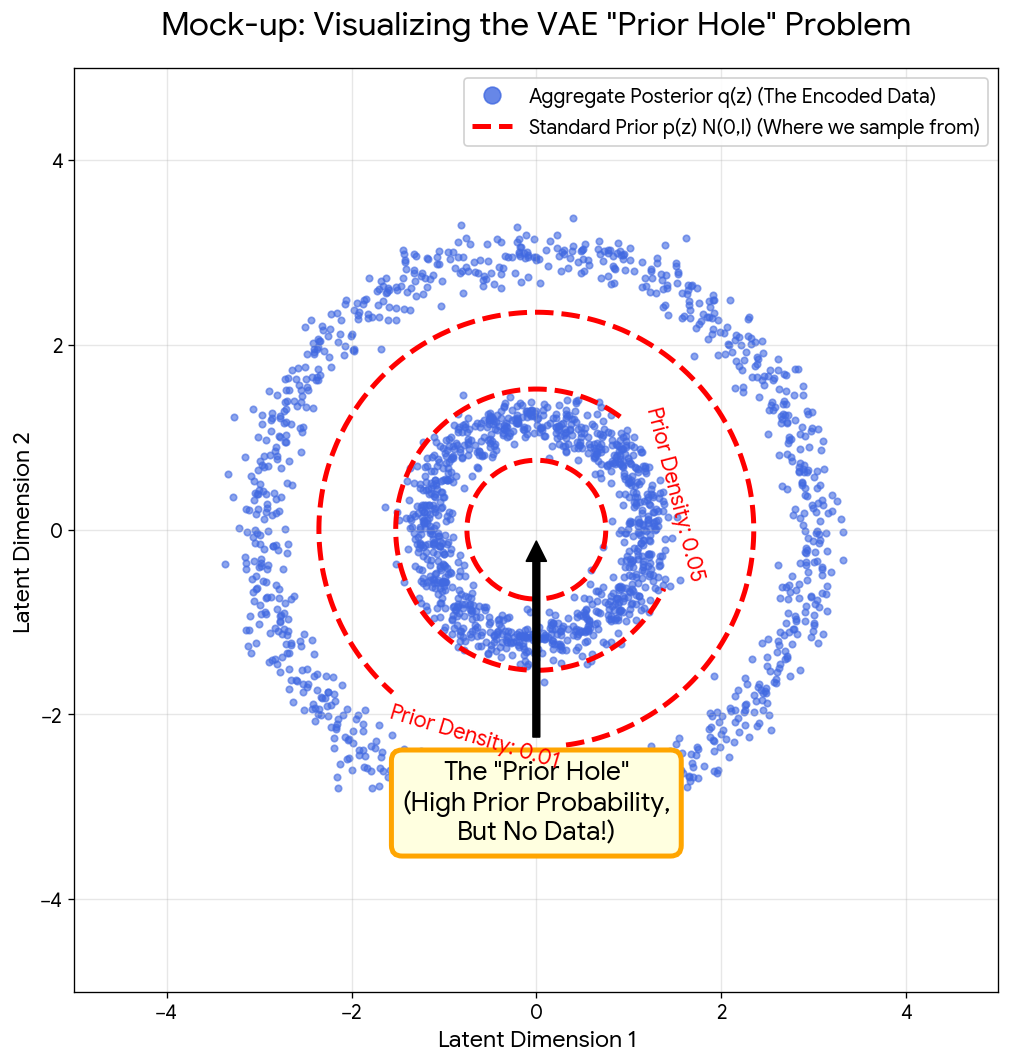
Visualization of the VAE prior hole problem showing a ring-shaped aggregate posterior with an empty center where the Gaussian prior has highest density

Contrastive Learning for Variational Autoencoder Priors

A NeurIPS 2021 method paper introducing Noise Contrastive Priors to address the VAE ‘prior hole’ problem, where standard Gaussian priors assign high density to regions of latent space that don’t correspond to realistic data, using energy-based models trained with contrastive learning to match the aggregate posterior.

Generative Modeling
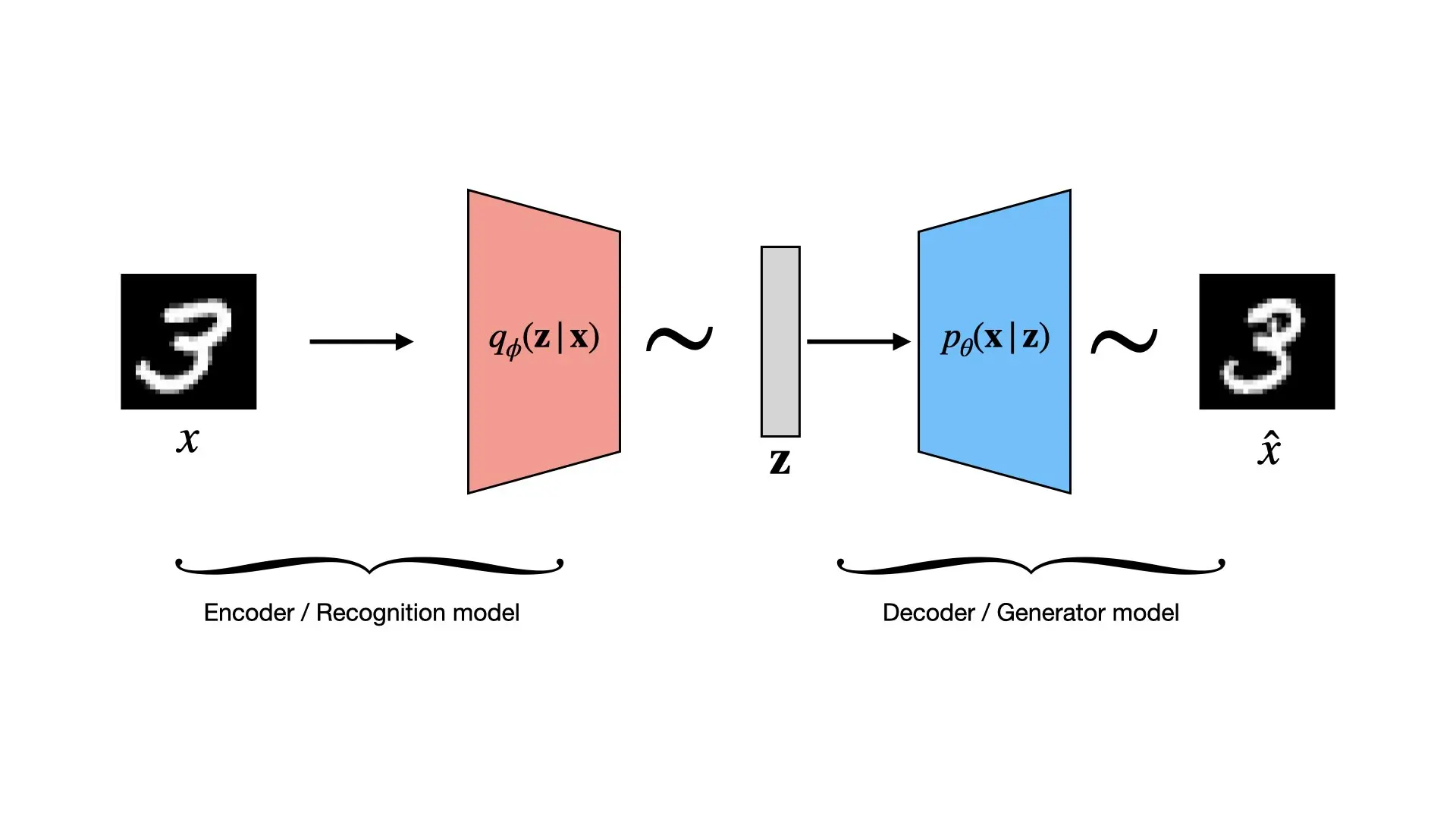
Variational Autoencoder architecture diagram showing encoder, latent space, and decoder

Modern PyTorch VAEs: A Detailed Implementation Guide

A complete guide to implementing modern Variational Autoencoders in PyTorch. Includes a copy-pasteable implementation, explanation of KL annealing to fix posterior collapse, and a deep dive into stable standard deviation parameterizations.

Generative Modeling
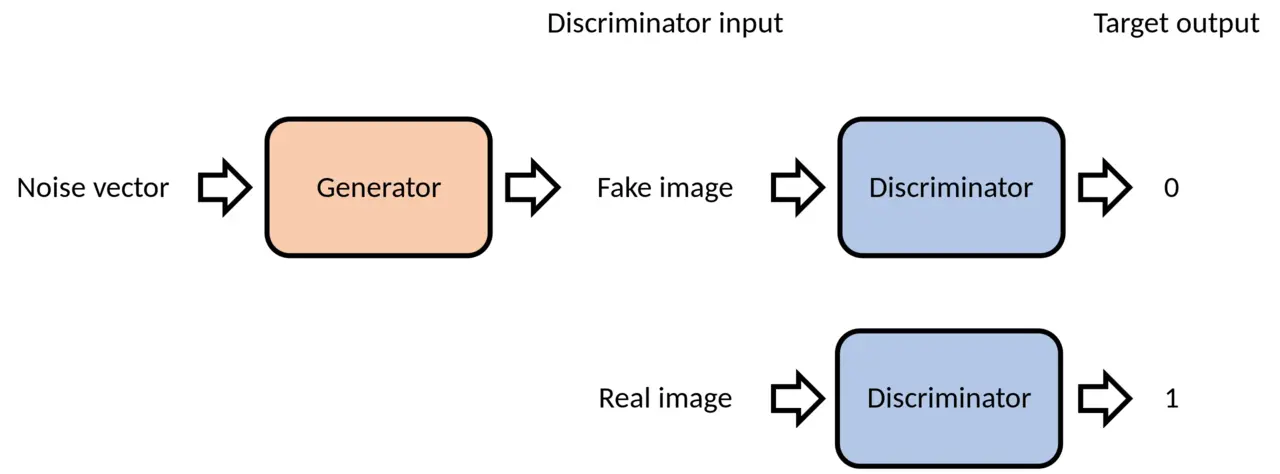
Illustration of GAN training process showing adversarial competition between generator and discriminator

Understanding GANs: From Fundamentals to Objective Functions

An in-depth guide to GANs: how two neural networks compete to generate realistic data, the math behind it, and the evolution of objective functions that stabilize training.