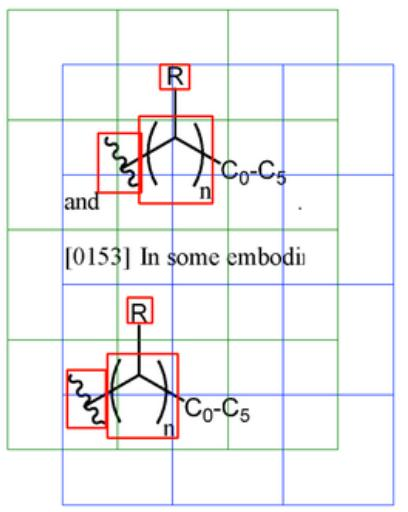
One Strike, You're Out: Detecting Markush Structures
Proposes a patch-based image processing pipeline using Inception V3 to filter Markush structures from chemical documents, outperforming traditional fixed-feature (ORB) methods on low-SNR images.
Proposes a patch-based image processing pipeline using Inception V3 to filter Markush structures from chemical documents, outperforming traditional fixed-feature (ORB) methods on low-SNR images.
This systematization paper traces the history of OCSR, comparing early rule-based systems like OSRA with modern deep learning approaches like DECIMER. It highlights the shift from image classification to image captioning and identifies critical gaps in dataset standardization and evaluation metrics.
This empirical study isolates the impact of chemical string representations on image-to-text translation models. It finds that while SMILES offers the highest overall accuracy, SELFIES provides a guarantee of structural validity, offering a trade-off for OCSR tasks.
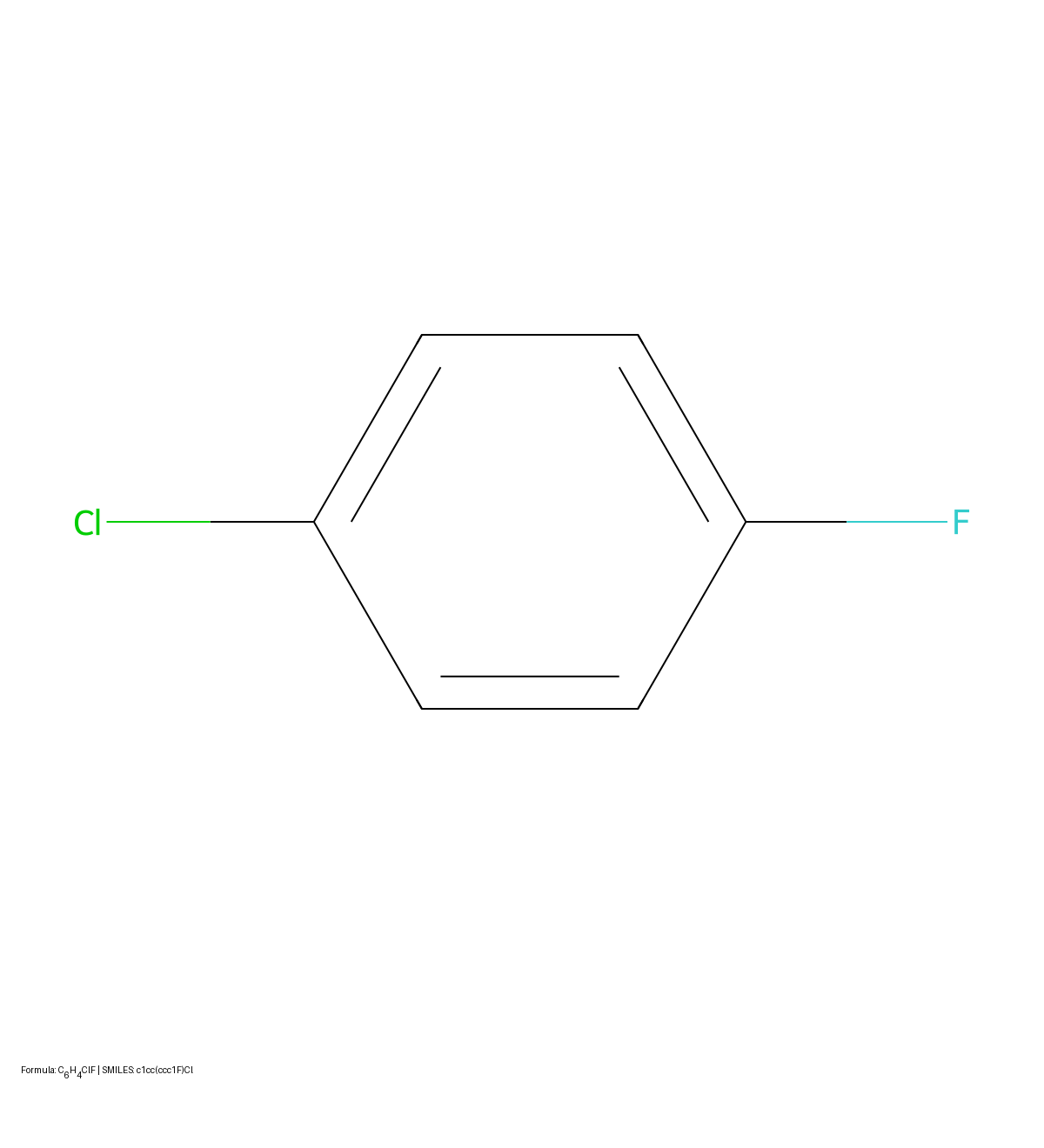
Proposes an end-to-end architecture replacing standard CNN backbones with Swin Transformer to capture global image context. Introduces Multi-label Focal Loss to handle severe token imbalance in chemical datasets.
This paper reviews three decades of OCSR development, transitioning from rule-based heuristics to early deep learning approaches. It includes a benchmark study comparing the performance of three open-source tools (OSRA, Imago, MolVec) on four diverse datasets.
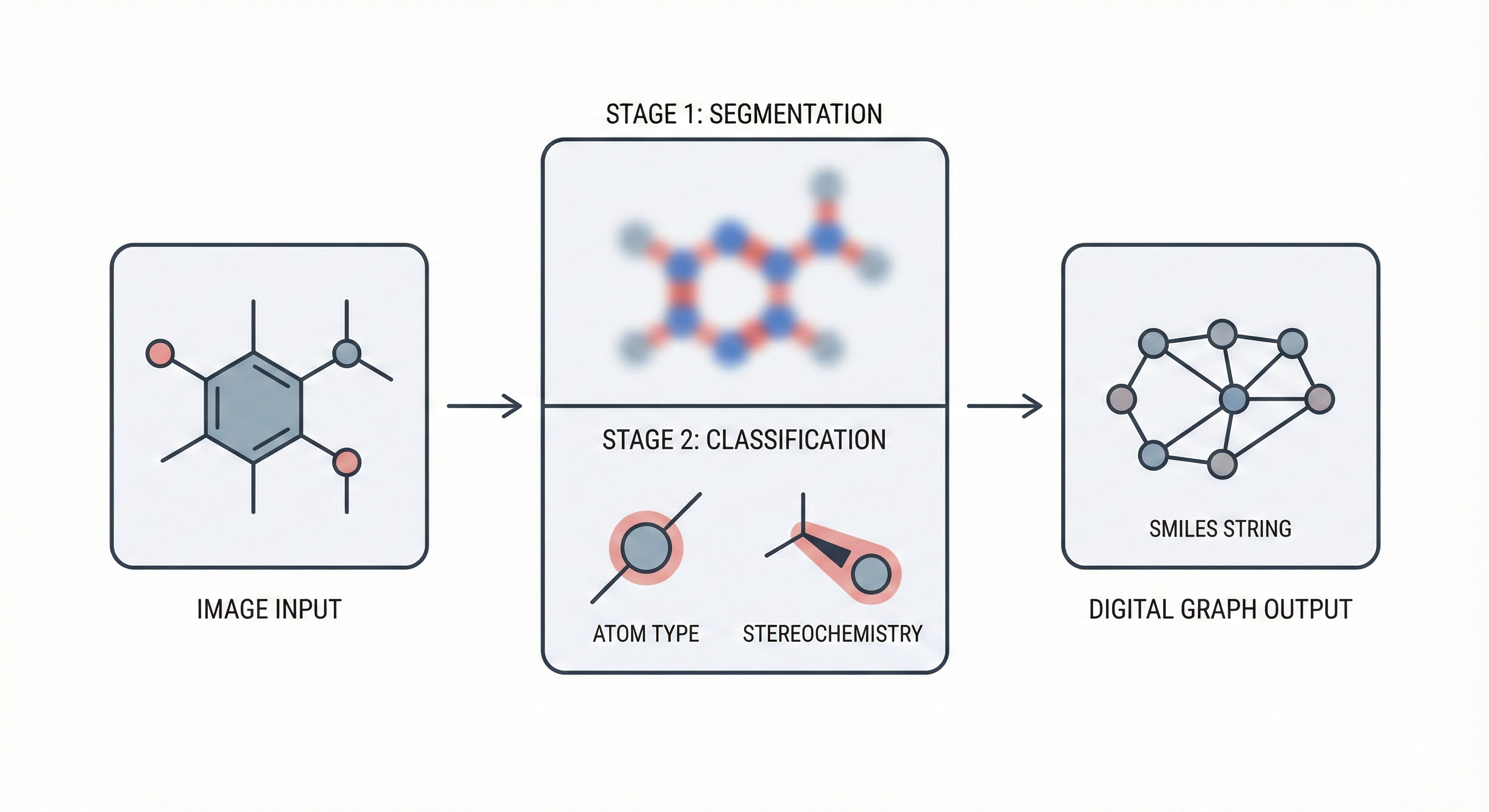
ChemGrapher replaces rule-based chemical OCR with a deep learning pipeline using semantic segmentation to identify atom and bond candidates, followed by specialized classification networks to resolve stereochemistry and bond multiplicity, reducing error rates compared to OSRA across all tested styles.
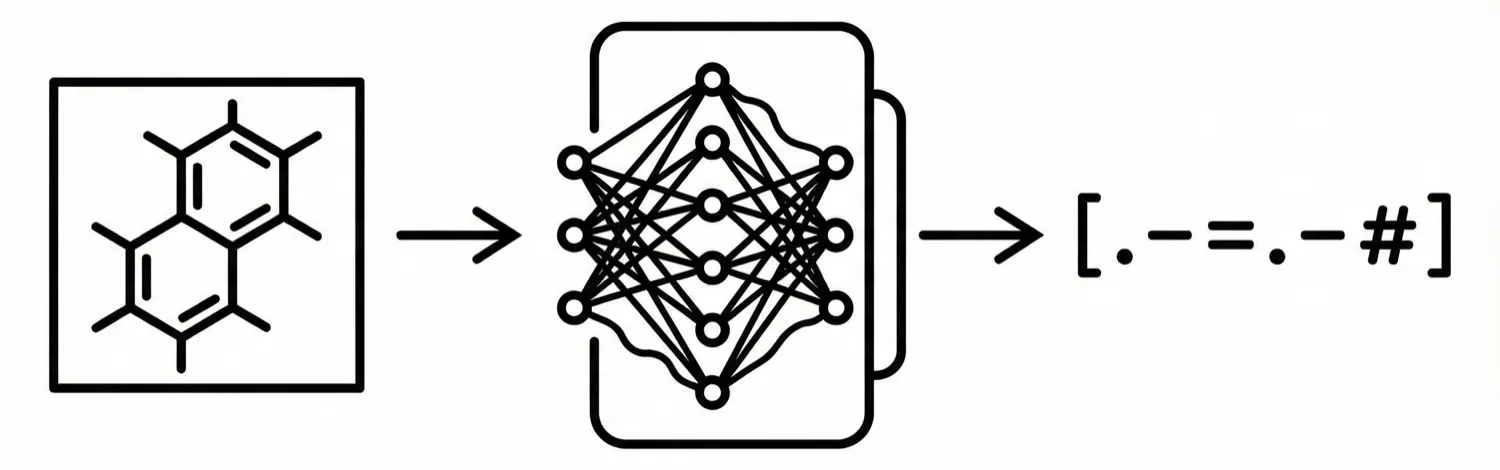
DECIMER adapts the “Show, Attend and Tell” image captioning architecture to translate chemical structure images into SMILES strings. By leveraging massive synthetic datasets generated from PubChem, it demonstrates that deep learning can perform optical chemical recognition without complex, hand-engineered rule systems.
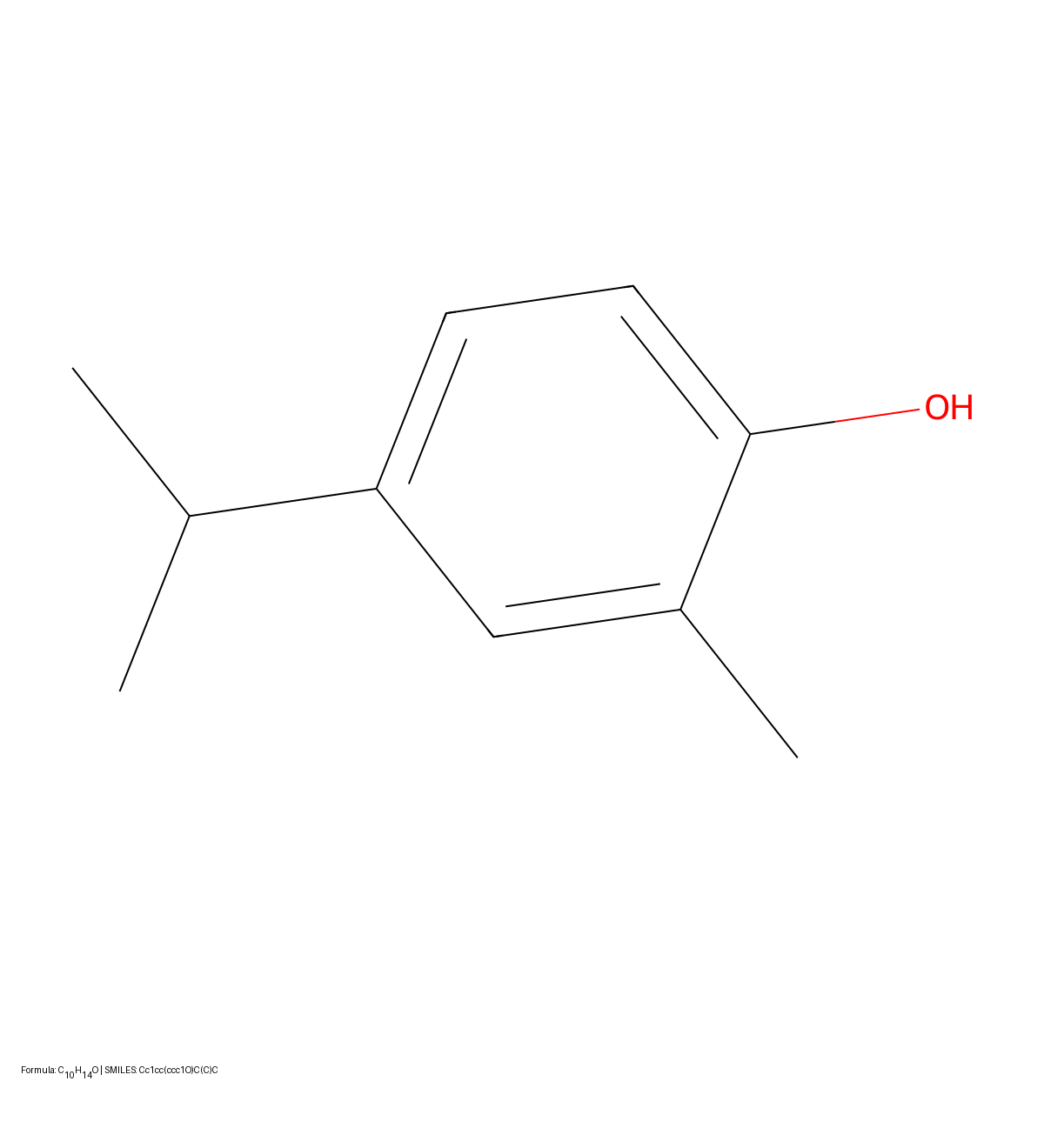
This paper presents a two-stage deep learning pipeline to extract chemical structures from documents and convert them to SMILES strings. By training on large-scale synthetic data, the method overcomes the brittleness of rule-based systems and demonstrates high accuracy even on low-resolution and noisy input images.
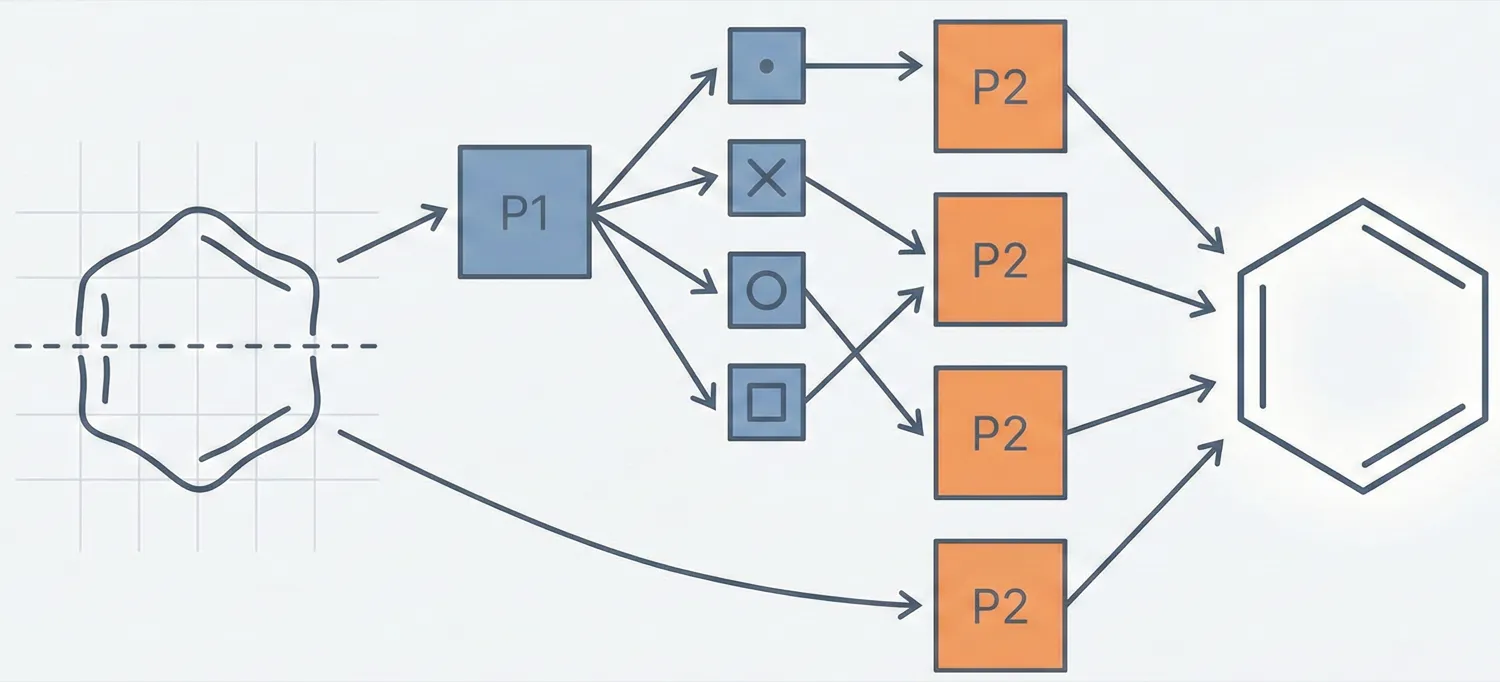
Proposes a specialized Classifier-Recognizer architecture that first categorizes rings by heteroatom (S, N, O) and then identifies the specific ring using optimized grid inputs.
A 2013 paper introducing a hybrid recognition system for handwritten chemical symbols on touch devices. Combines Support Vector Machines (SVM) for classification with elastic matching for geometric verification, achieving 89.7% top-1 accuracy on pen-based input for chemical structure drawing applications.
HMM-based method for recognizing online handwritten chemical symbols using 11-dimensional local features including derivatives, curvature, and linearity. Achieves 89.5% top-1 accuracy and 98.7% top-3 accuracy on a custom dataset of 64 chemical symbols.
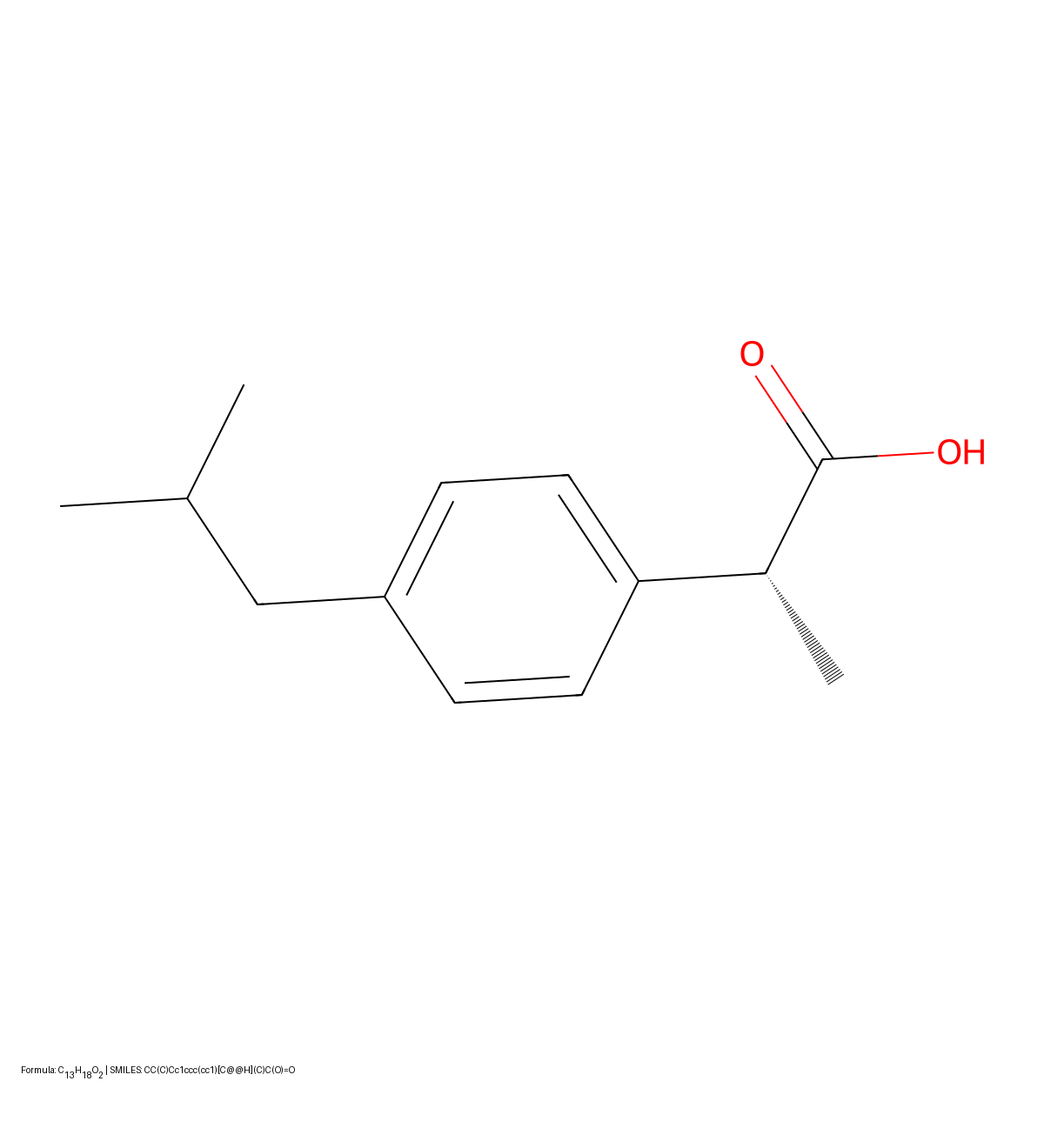
A 2021 deep learning system using a two-stage approach for OCSR, encoding images into continuous CDDD embeddings before decoding to SMILES. It leverages extensive data augmentation to handle rotations, distortions, and rendering variations for fast and robust molecular structure recognition.