Computational Biology
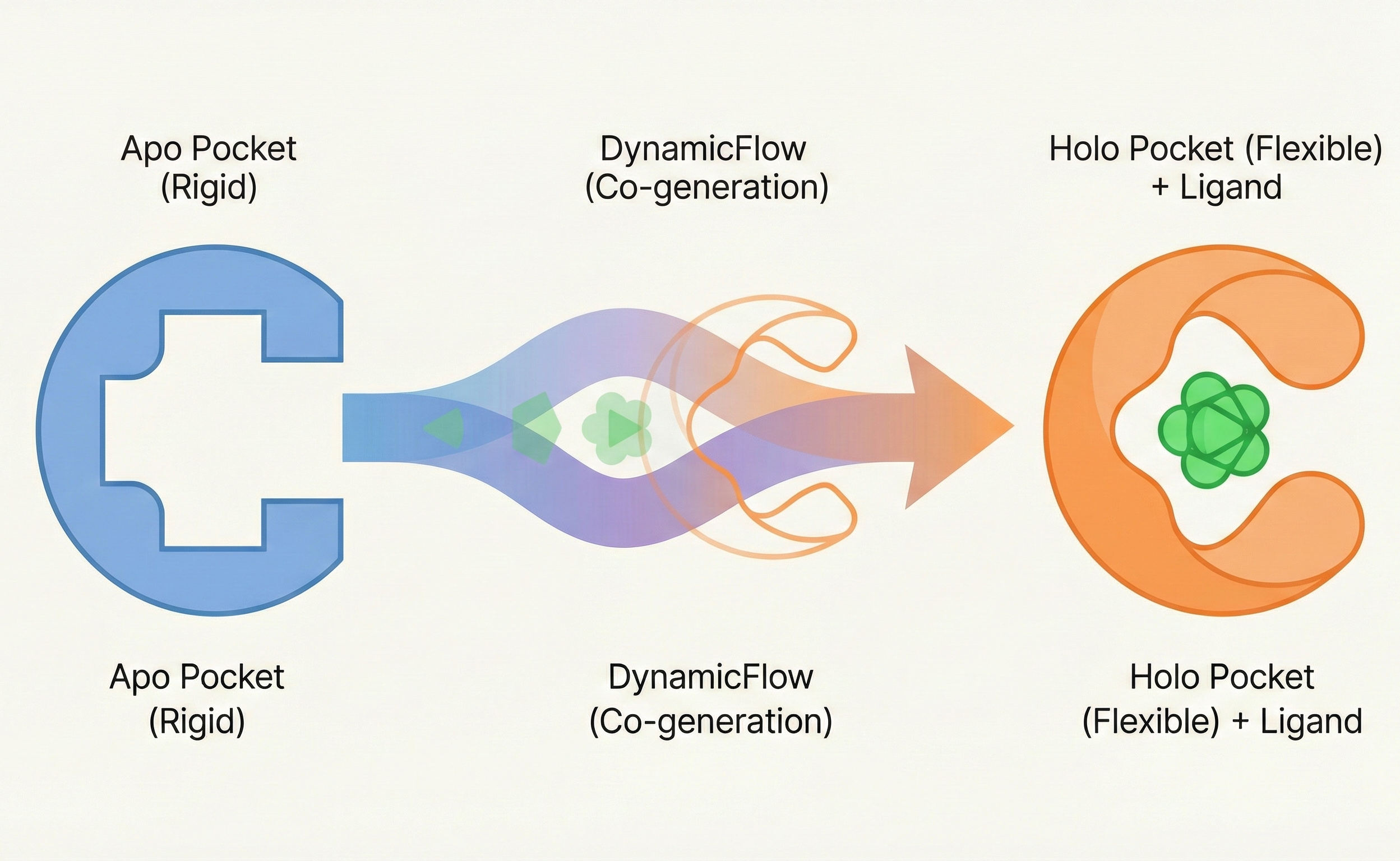
DynamicFlow illustration showing the transformation from apo pocket to holo pocket with ligand molecule generation

DynamicFlow: Integrating Protein Dynamics into Drug Design

This paper introduces DynamicFlow, a full-atom stochastic flow matching model that simultaneously generates ligand molecules and transforms protein pockets from apo to holo states. It also contributes a new dataset of MD-simulated apo-holo pairs derived from MISATO.

Computational Biology
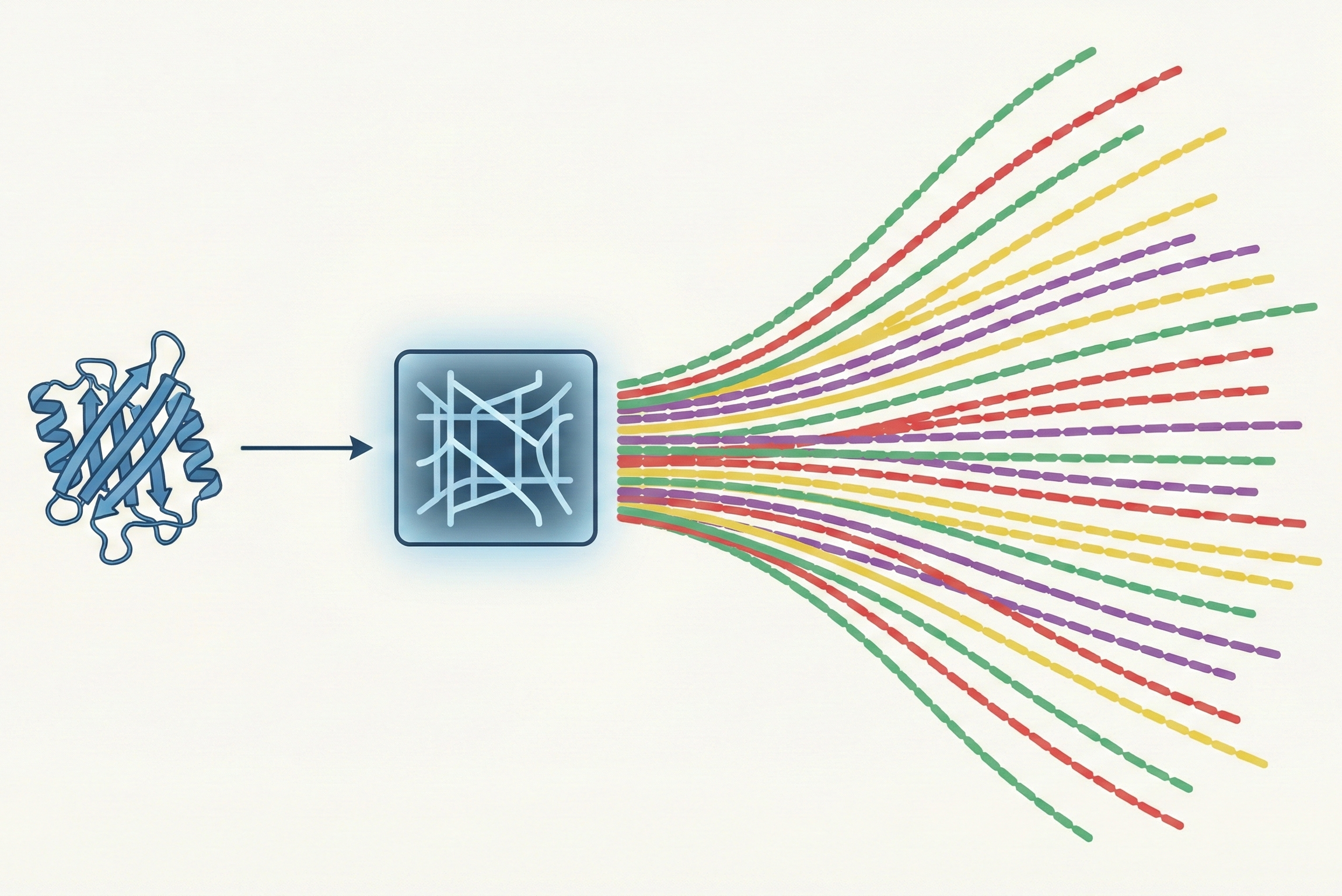
InvMSAFold generates diverse protein sequences from structure using a Potts model

InvMSAFold: Generative Inverse Folding with Potts Models

InvMSAFold replaces autoregressive decoding with a Potts model parameter generator, enabling diverse protein sequence sampling orders of magnitude faster than ESM-IF1.

Computational Biology
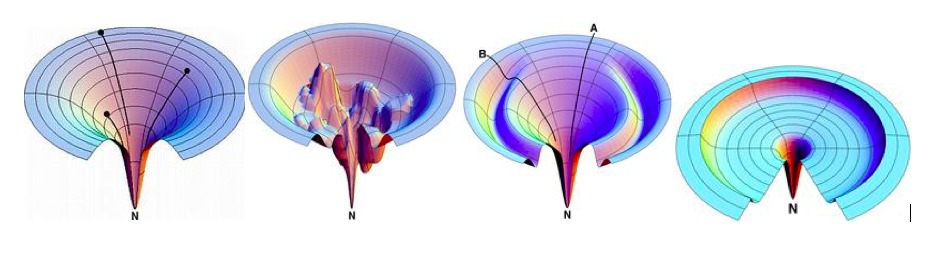
Four types of protein folding energy landscapes from left to right: smooth funnel, rugged funnel with kinetic traps, moat funnel, and champagne glass funnel

Funnels, Pathways, and Energy Landscapes of Protein Folding

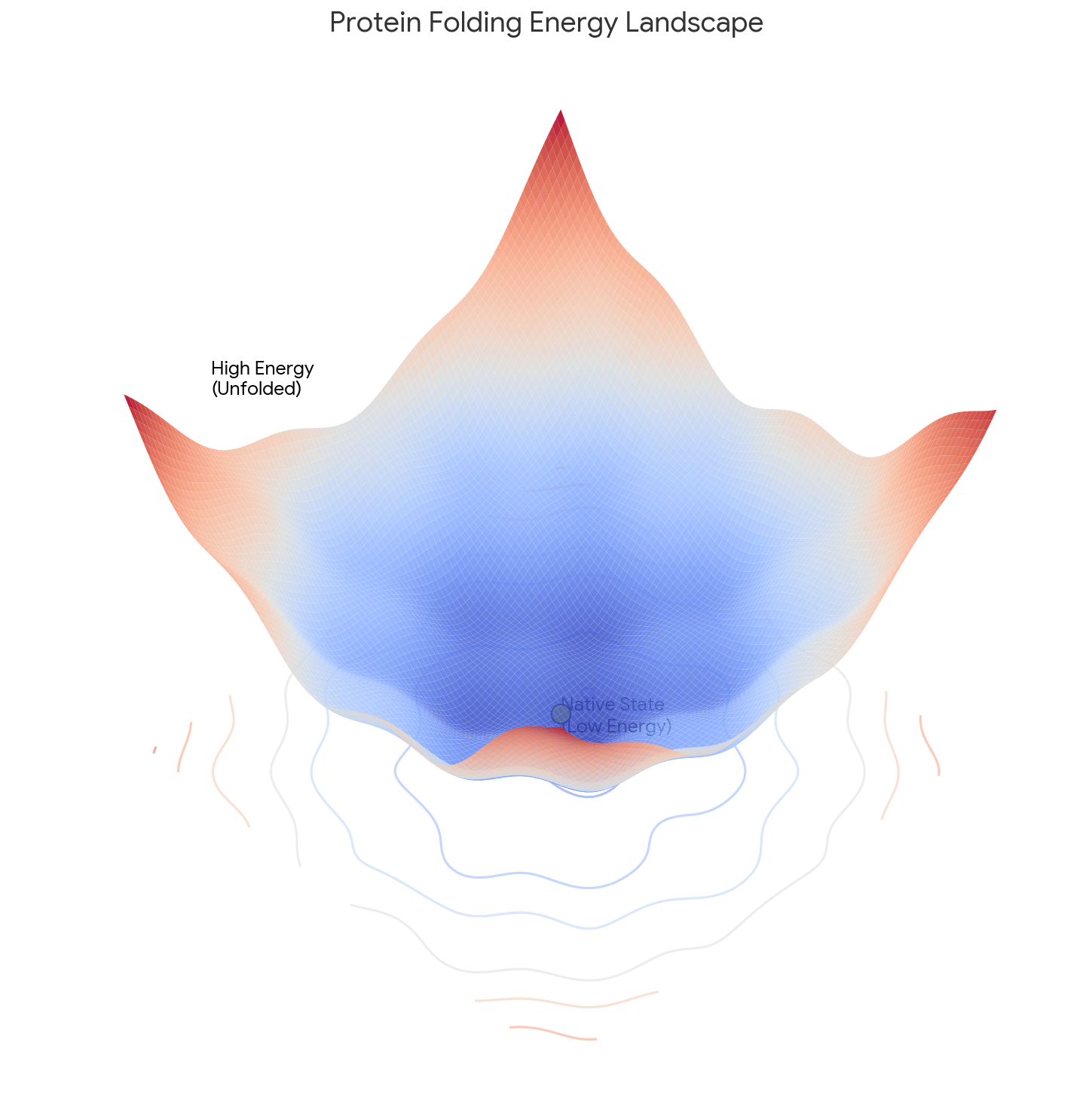
This seminal work resolves Levinthal’s paradox by replacing the single-pathway view with a statistical energy landscape approach. It introduces the concepts of the folding funnel, the glass transition in proteins, and the ‘stability gap’ as a design principle for foldable sequences.

Computational Biology
Abstract artistic representation of alkaline hydrothermal vents with spiraling geological formations

The Drive to Life on Wet and Icy Worlds

This paper reformulates the submarine alkaline hydrothermal theory for the origin of life, positing that life emerged as a free energy converter driven by specific geological disequilibria - specifically redox and pH gradients across inorganic precipitate membranes - utilizing hydrogen, methane, and CO2 as primary feedstocks.

Computational Biology
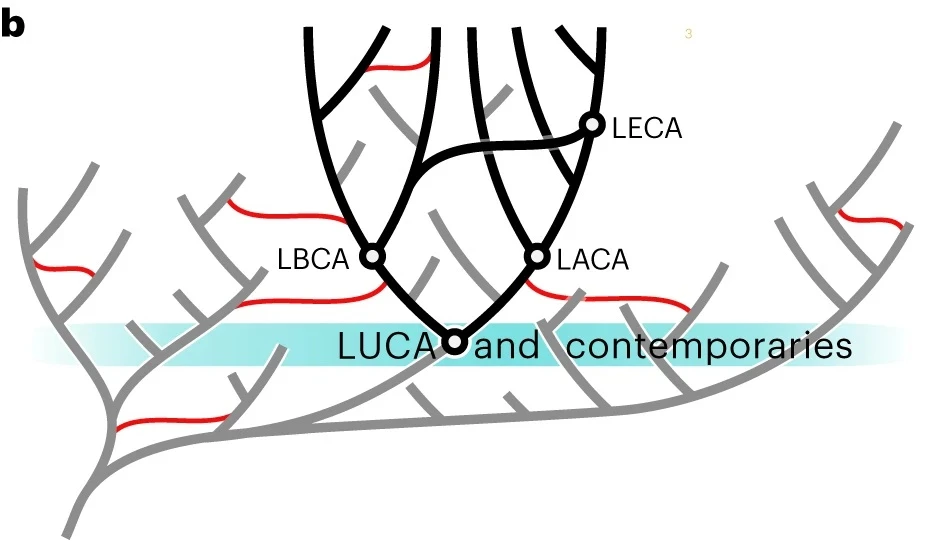
A reconstruction of LUCA within its evolutionary and ecological context

The Nature of LUCA and Early Earth System

A comprehensive phylogenomic study dating LUCA to ~4.2 Ga and reconstructing it as a complex, anaerobic acetogen. The authors employ a novel cross-bracing molecular clock method and gene-tree-species-tree reconciliation to infer that LUCA possessed an early immune system and lived within a hydrogen-recycling ecosystem.