
Computational Biology
Abstract artistic representation of alkaline hydrothermal vents with spiraling geological formations

The Drive to Life on Wet and Icy Worlds

This paper reformulates the submarine alkaline hydrothermal theory for the origin of life, positing that life emerged as a free energy converter driven by specific geological disequilibria - specifically redox and pH gradients across inorganic precipitate membranes - utilizing hydrogen, methane, and CO2 as primary feedstocks.
Planetary Science
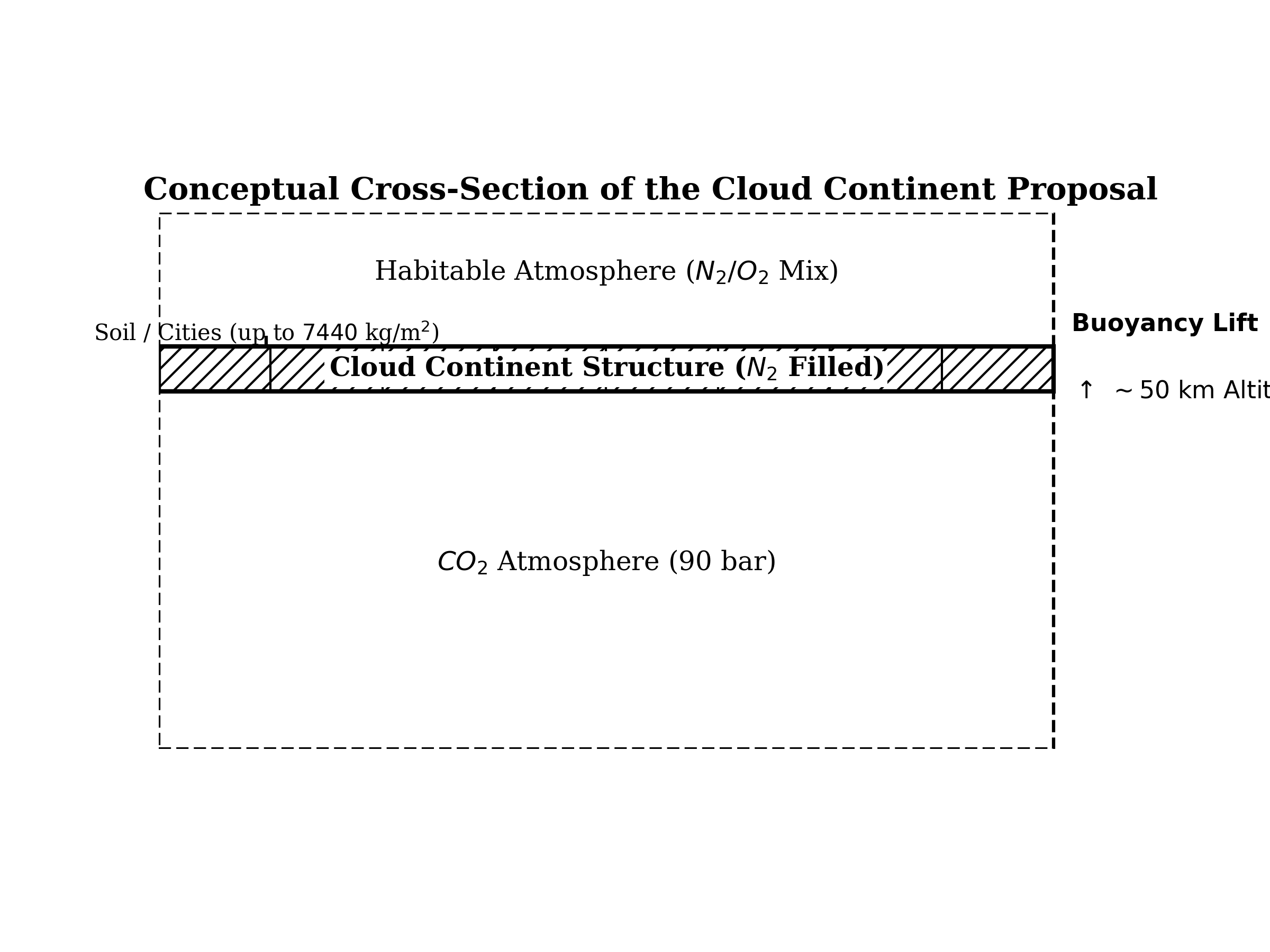
Conceptual cross-section of the Cloud Continent proposal showing three layers: the CO2 atmosphere below, the nitrogen-filled honeycomb structure at 50 km altitude, and the habitable atmosphere above

Terraforming Venus: The Cloud Continent Proposal

A speculative 2022 engineering proposal for terraforming Venus by constructing a nitrogen-filled honeycomb structure floating at 50 km altitude where temperature and pressure are Earth-like, avoiding the need to remove Venus’s massive atmosphere while using photosynthesis to convert CO2 into breathable air and structural materials.

Planetary Science
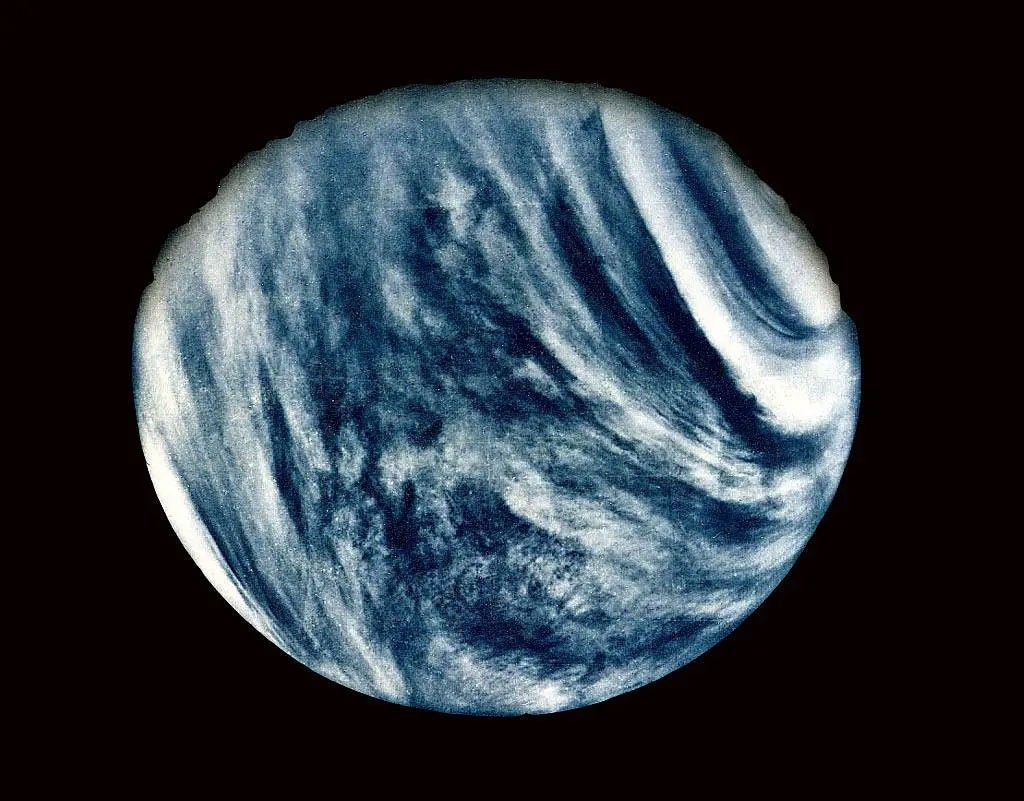
Venus as seen by Mariner 10, showing swirling cloud patterns in the dense atmosphere

Venus Evolution Through Time

A comprehensive 2023 roadmap for Venus exploration synthesizing open questions about the planet’s evolution from potentially habitable to extreme greenhouse state, detailing the coordinated VERITAS, DAVINCI, and EnVision missions planned for the 2030s and identifying future technology requirements for answering fundamental habitability questions.

Planetary Science
Venus as seen by Mariner 10, showing swirling cloud patterns in the dense atmosphere

Life on Venus? Astrobiology and Habitability Limits

A deep dive into the physical limits of life on Venus, reviewing Charles Cockell’s foundational 1999 analysis while connecting it to modern discoveries like the 2020 phosphine detection and upcoming DAVINCI+ missions.