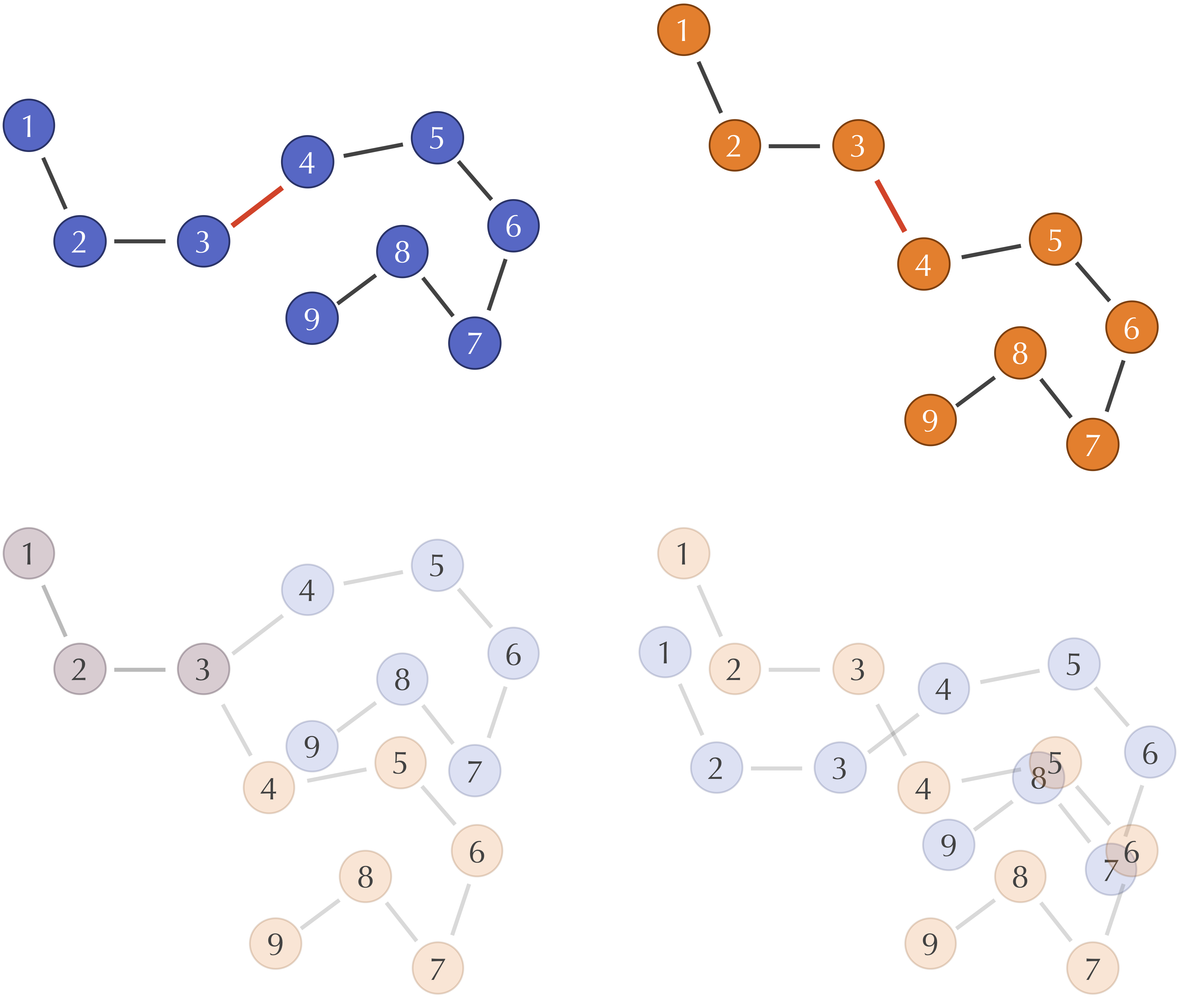
Kabsch Algorithm: NumPy, PyTorch, TensorFlow, and JAX
Learn to align molecular structures and point clouds using the Kabsch algorithm, with differentiable implementations for modern ML frameworks.
Learn to align molecular structures and point clouds using the Kabsch algorithm, with differentiable implementations for modern ML frameworks.
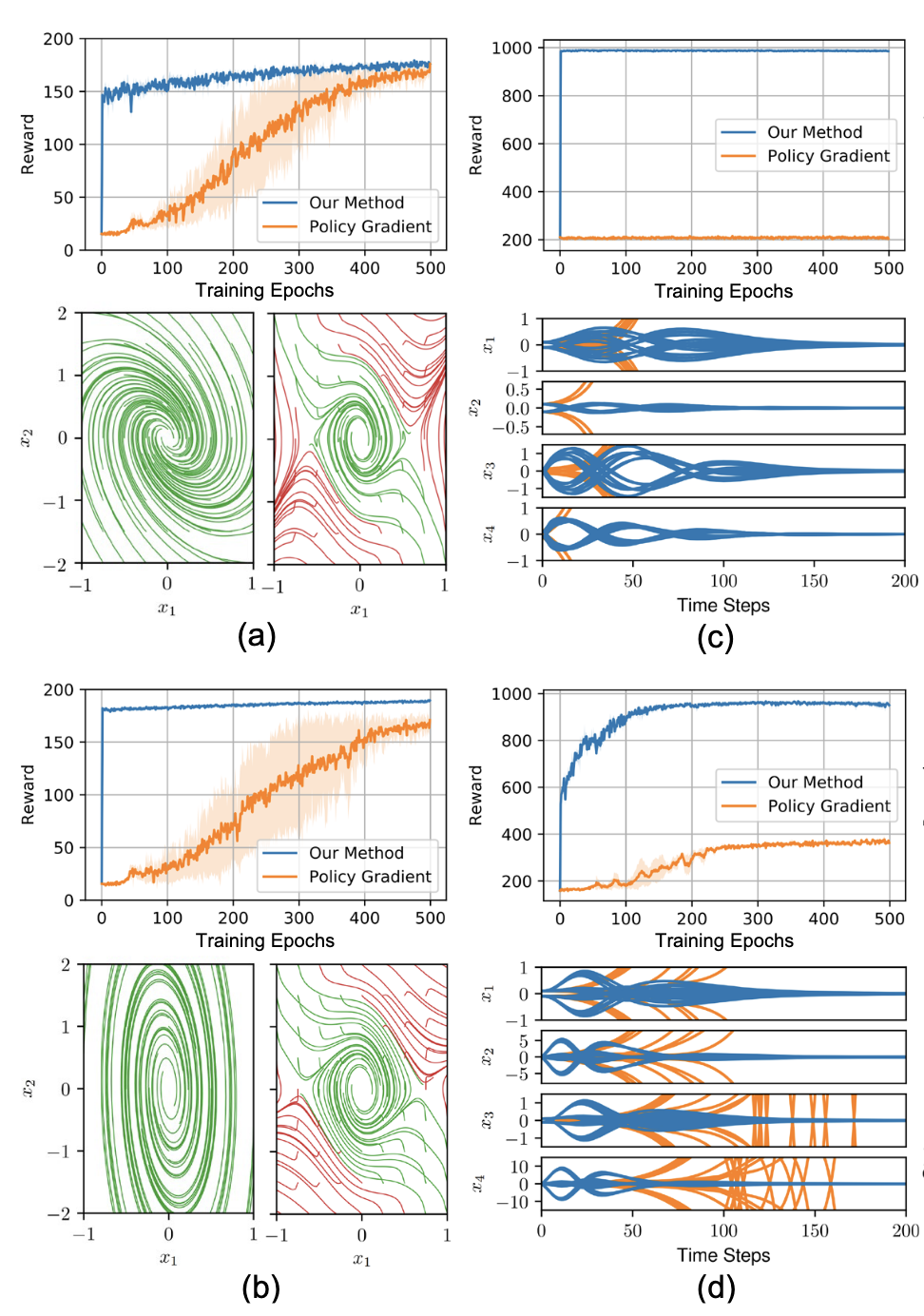
A PyTorch implementation enforcing strict Lyapunov stability guarantees on recurrent neural network controllers through Integral Quadratic Constraints, bridging 1990s robust control theory with modern deep reinforcement learning by solving semidefinite programs inside the gradient descent loop to provide mathematical certificates of safety.
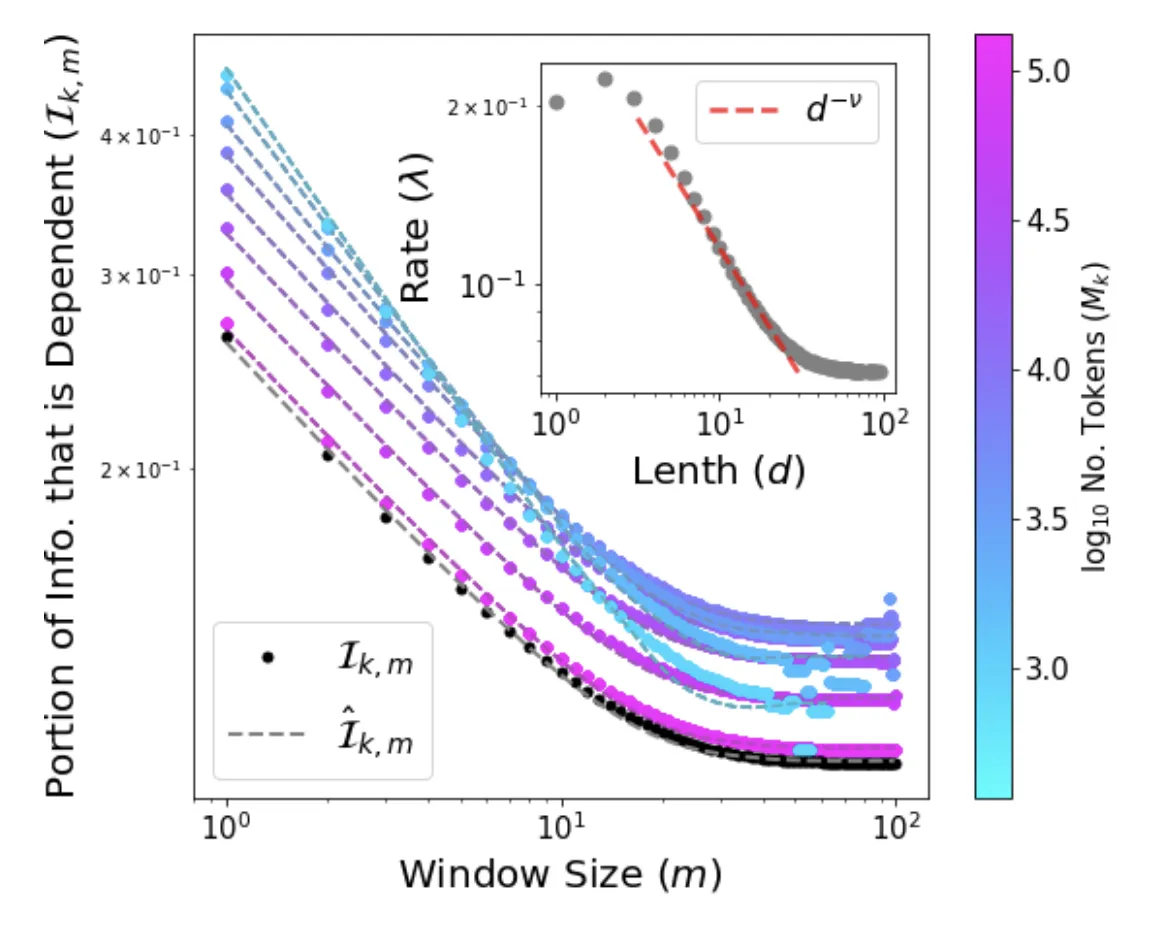
We provide the first analytical solution to Word2Vec’s softmax skip-gram objective, introducing the Independent Frequencies Model and deriving a low-cost, training-free method for measuring semantic bias directly from corpus statistics.

Key dimensions that have helped me understand multi-arm bandit problems: action space, problem structure, external information, reward mechanism, and learner feedback.
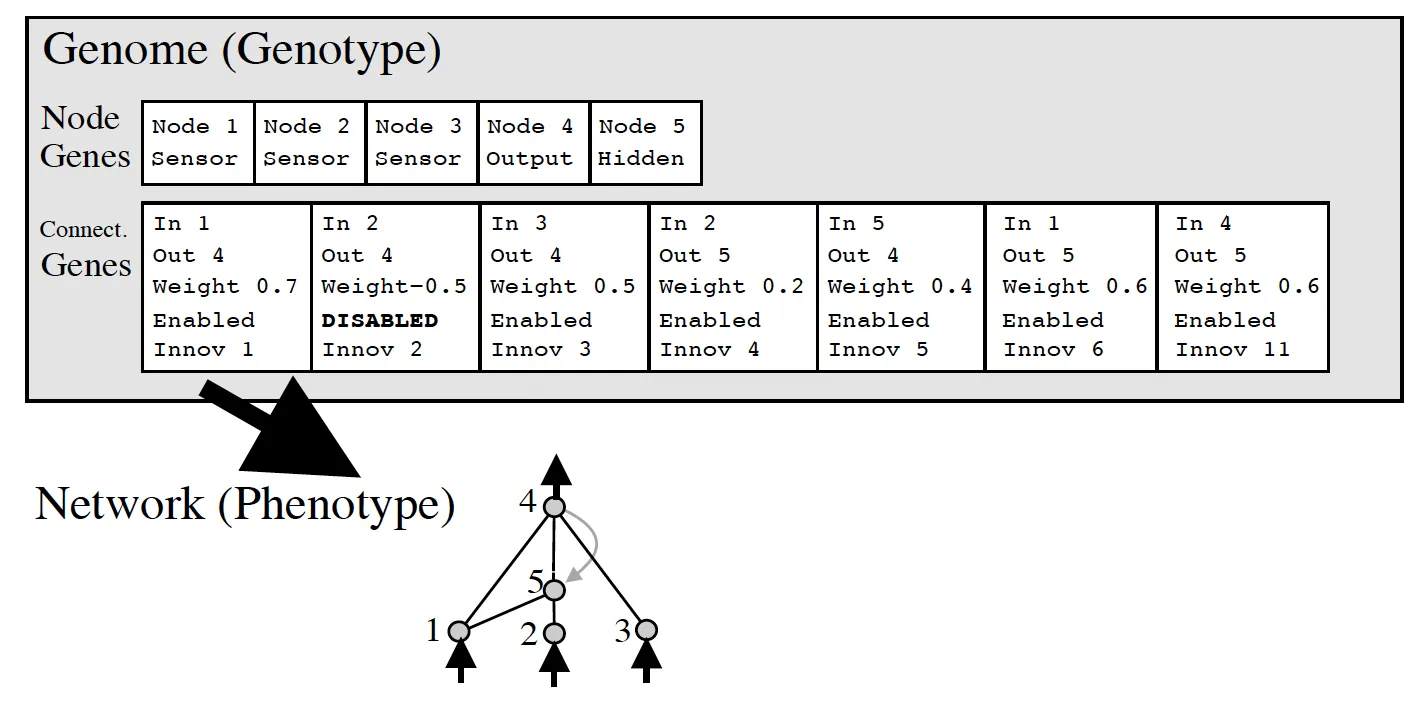
Discover how NEAT and HyperNEAT changed neuroevolution by automatically designing neural network architectures and scaling them through geometric patterns.
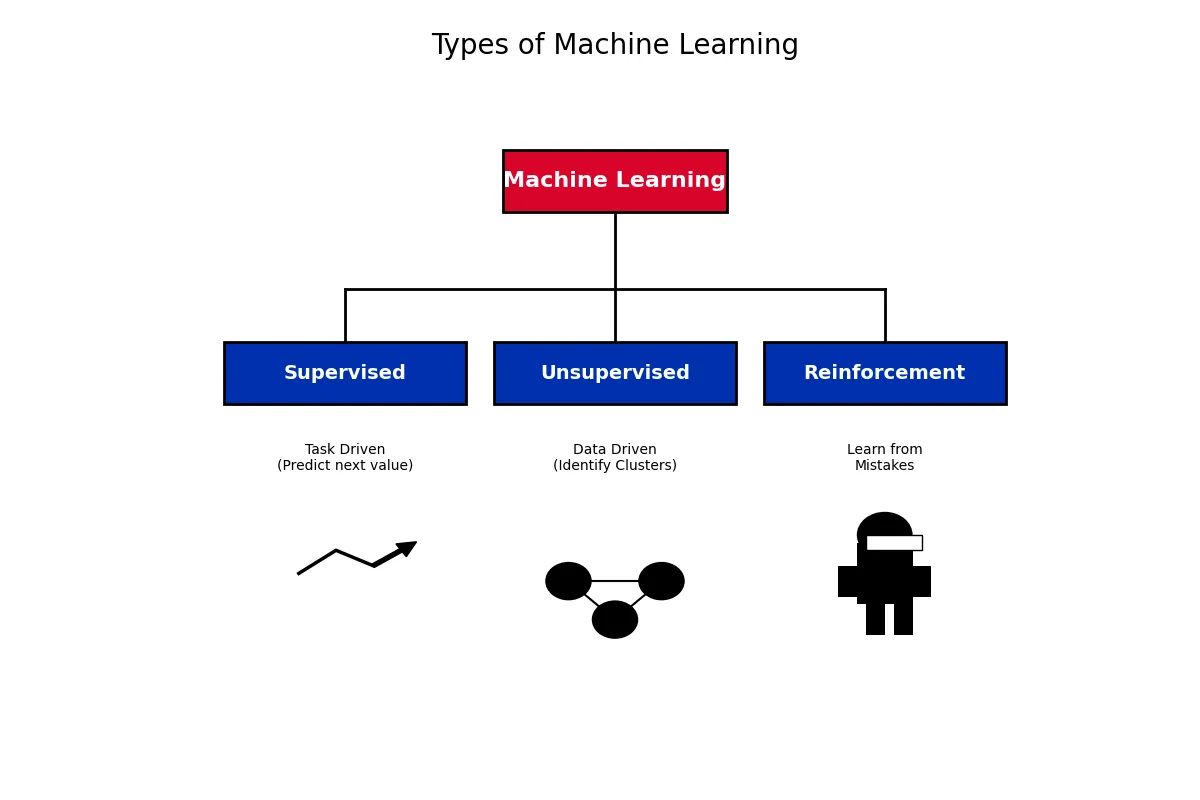
Understand the pattern recognition behind Netflix recommendations, email spam filters, and game-playing AI through three core machine learning approaches.
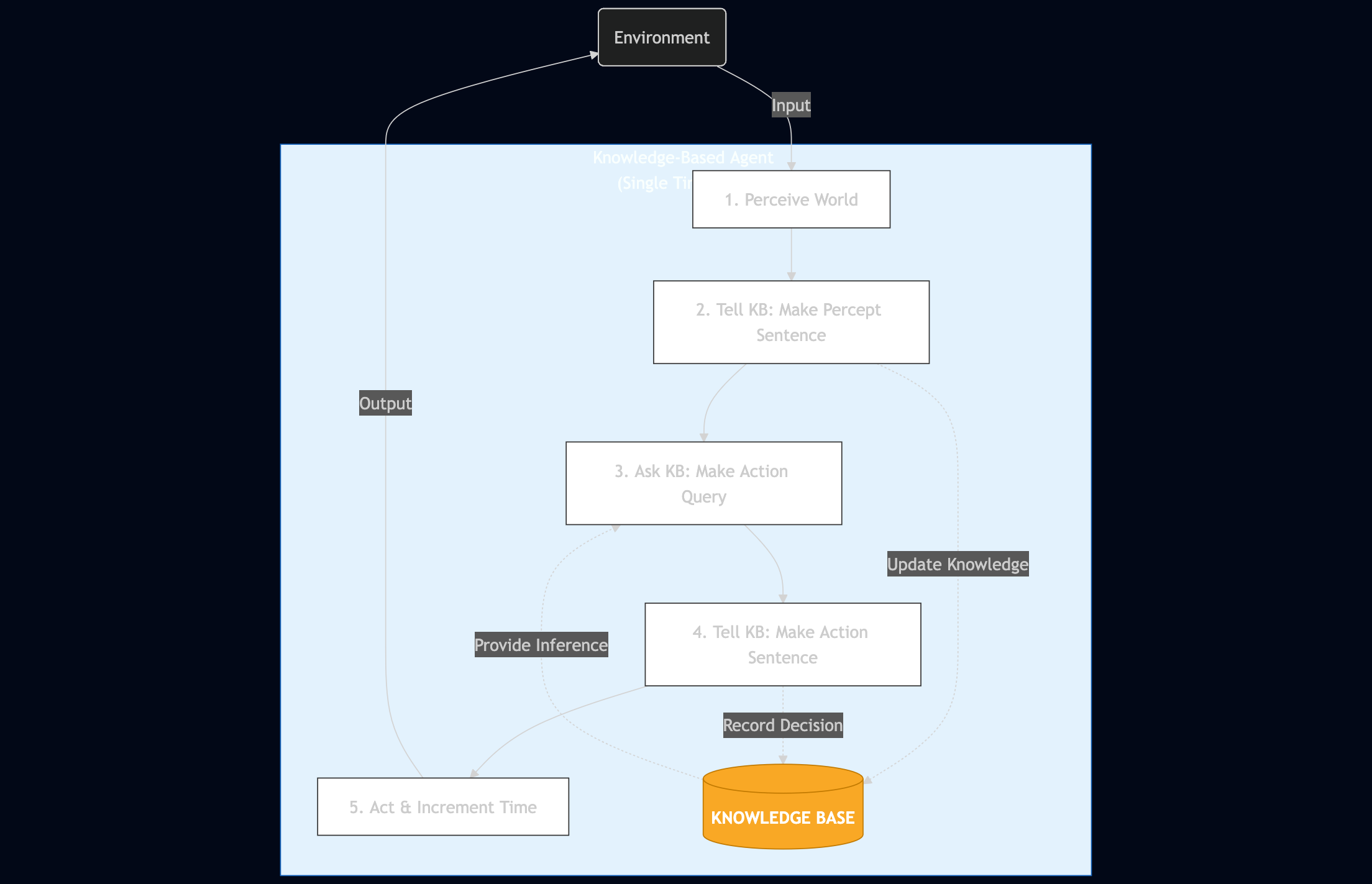
Explore the building blocks of classic AI reasoning, from knowledge bases and logic to how systems draw new conclusions from existing knowledge.
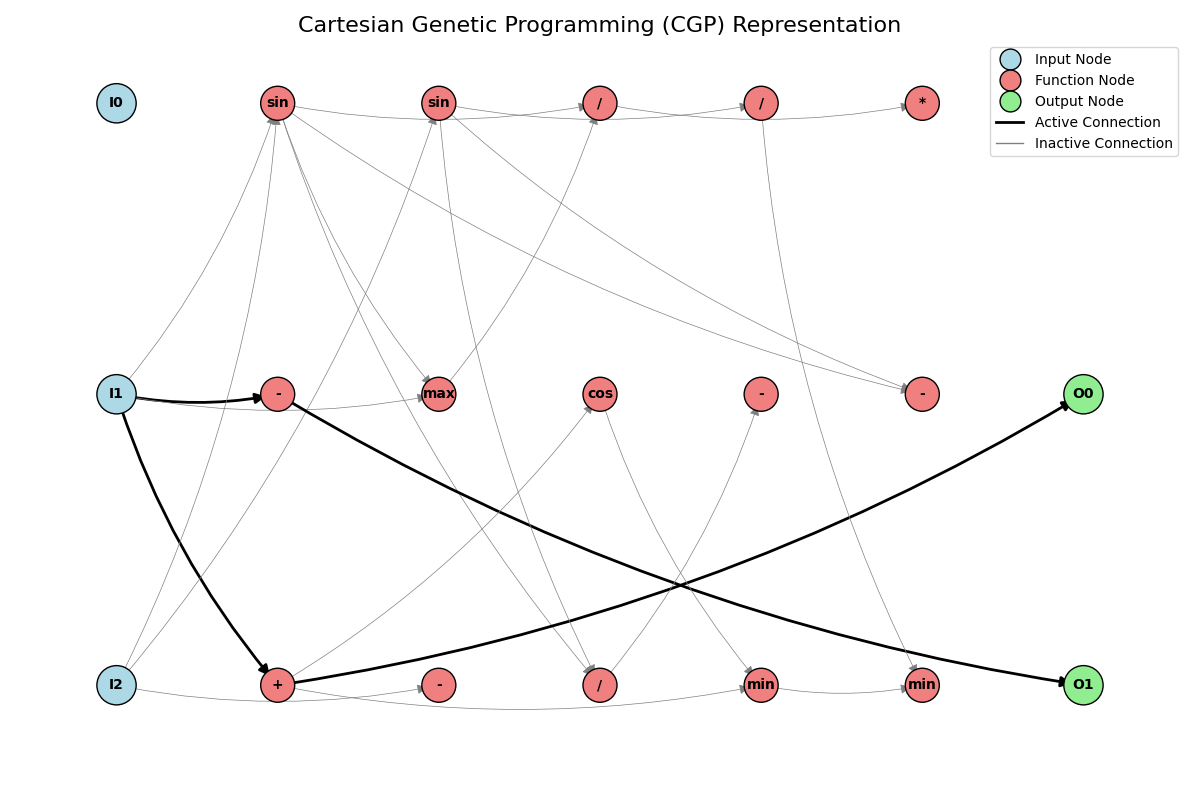
A sophomore year exploration of evolutionary algorithms applied to Atari games, implementing NEAT-inspired speciation mechanisms for Cartesian Genetic Programming to protect topological innovation while introducing custom crossover operators (subgraph, aligned-node) for evolving neural network policies.
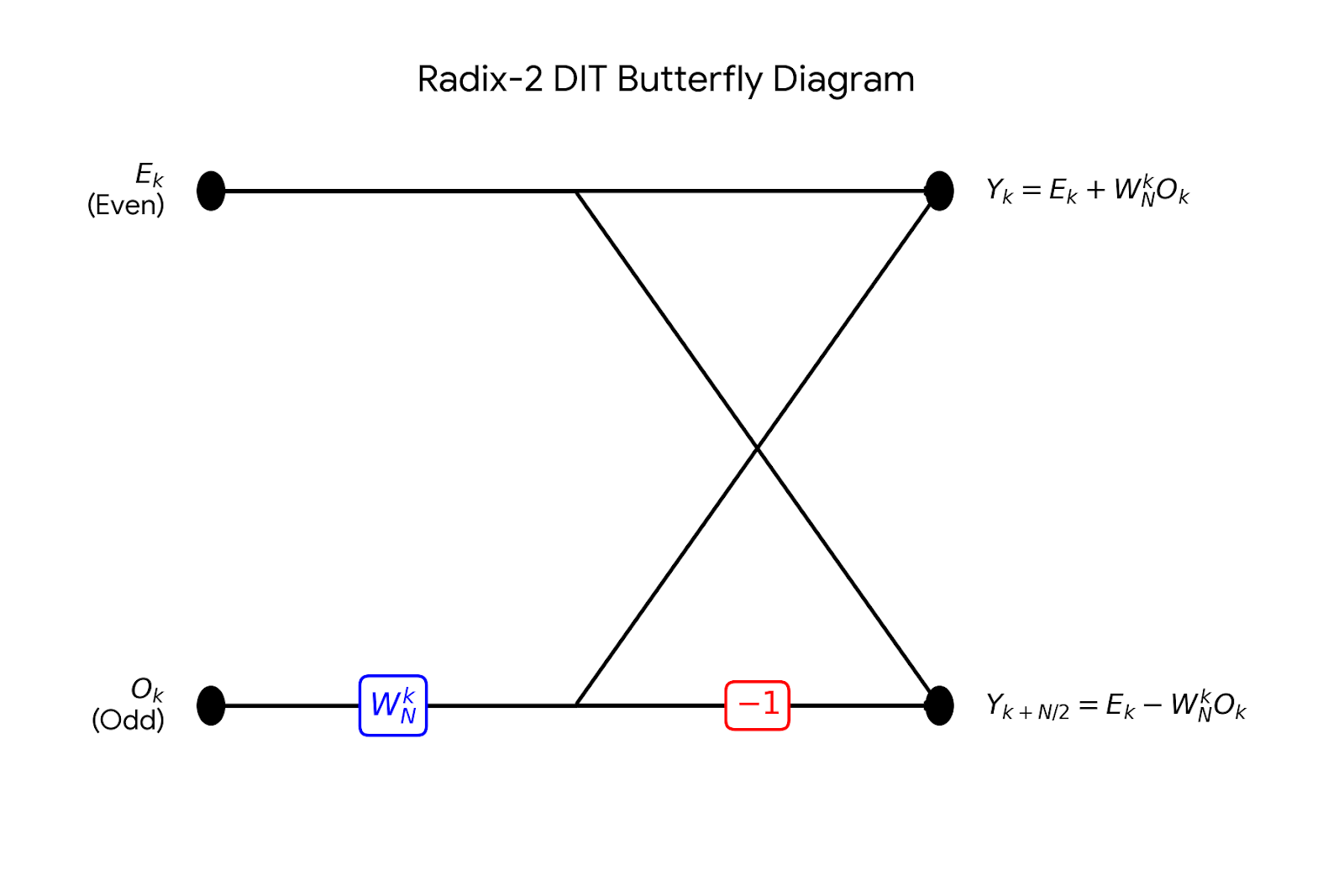
A sophomore year deep dive into functional metaprogramming, replicating FFTW’s genfft metaprogram logic in Haskell to generate straight-line optimized C kernels for FFTs, using symbolic DAG representation and algebraic simplification to understand how abstract algebra translates into efficient machine code.

A freshman-year automation tool solving the university scheduling constraint satisfaction problem through web scraping Drexel’s Term Master Schedule and implementing recursive backtracking algorithm to generate every valid schedule permutation satisfying user-defined hard and soft constraints, used throughout undergrad 2016-2020.