Overview
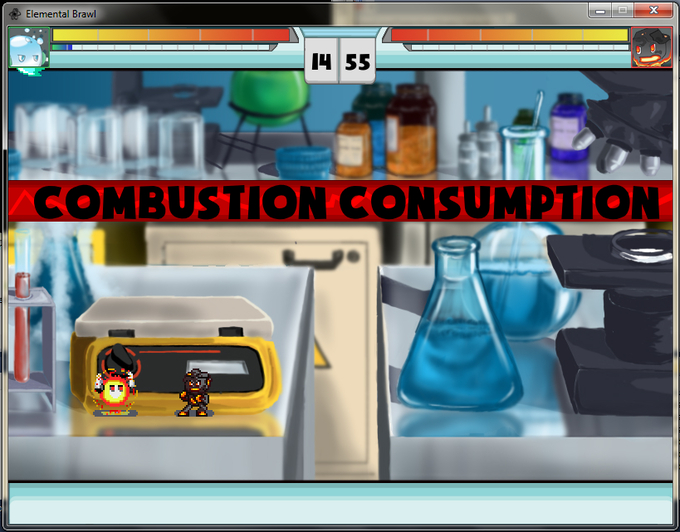
Elemental Brawl (2014) is a 2D fighting game where the elements of the periodic table come to life, built around elemental interactions and combos. The scope: 37 playable characters (each a different element), 25 stages, 30 music tracks, 40 items, 100+ achievements, and 4-player LAN support. I assembled a team of talented artists and a composer, launched a Kickstarter campaign, and built a playable demo.
Features
Each element had its own personality and fighting style based on its chemical properties:
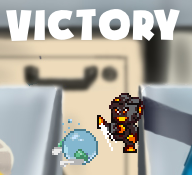
Oxygen was a gaseous fighter, utilizing small bubbles that formed into legs for amazing speed and agility. A fun-loving character but a bit of a hot head. Get it too hyped up and it would burst into flames, scorching all its foes!


Carbon was a nonmetallic brawler with a burning passion for the art of fighting. Carbon hit hard, jumped high, and launched small fireballs at enemies. When charged with enough energy, it would pressurize itself into solid diamond and launch into the sky with atomic force.


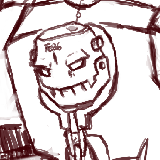
We even had concept art for more complex characters like Iron:
Results
We launched our Kickstarter campaign on October 24, 2014, seeking $19,000 to fund the full development.
The campaign raised $1,910 from 31 backers, short of the funding goal.
The Team
I was fortunate to work with talented people:
- Noah Evans (Concept Artist/GUI Artist): A visual arts major at School of the Arts in South Carolina
- Molly Heady-Carroll (Character Animator): An Irish artist earning her MA in Game Art from HKU in the Netherlands
- Sean Pack (Composer): A versatile composer for film, TV, video games, and theater
- Bryan Moore (Stage Artist): A SCAD graduate specializing in backgrounds and environments
Retrospective (2025)
What the project produced:
- Built a playable demo from scratch
- Coordinated a remote team across multiple countries
- Created original music, art, and animations
- Ran a real crowdfunding campaign
- Learned what it takes to turn an idea into something tangible
The project taught me about project management, creative collaboration, and the gap between vision and execution. These lessons carried forward into every project since.