Scientific Computing
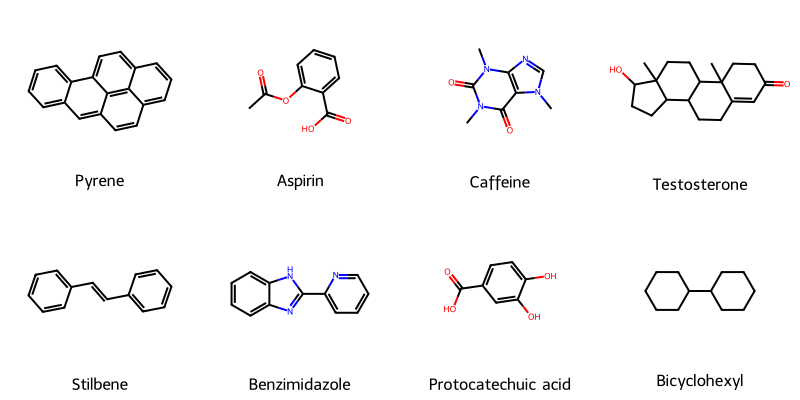
Grid of complex molecular structures rendered from SELFIES and SMILES strings

Molecular String Renderer: Robust Visualization Tool

A fault-tolerant RDKit wrapper treating molecular visualization as a software engineering problem, implementing strategy pattern for SVG generation with automatic raster fallback, native SELFIES support for generative AI workflows, and strict type safety for reliable batch processing of millions of molecules in training pipelines.
Computational Chemistry
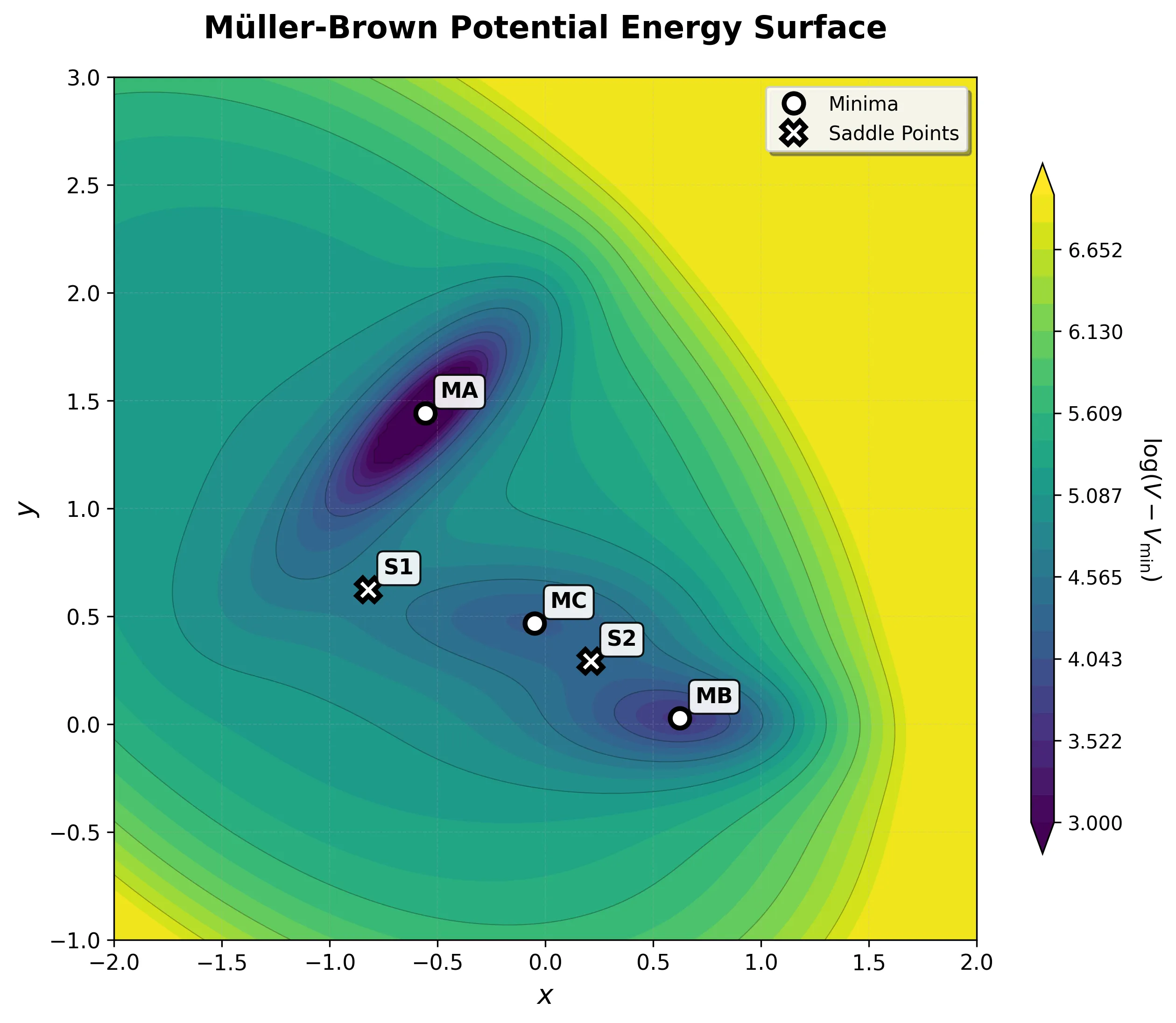
Müller-Brown Potential Energy Surface showing the three minima and two saddle points

Müller-Brown Potential: A PyTorch ML Testbed

A high-performance, GPU-accelerated PyTorch testbed for ML-MD algorithms featuring JIT-compiled analytical Jacobian force kernels achieving 3-10x speedup over autograd, robust Langevin dynamics with Velocity-Verlet integration, and modular architecture designed as ground-truth validation for novel machine learning approaches in molecular dynamics.

Scientific Computing
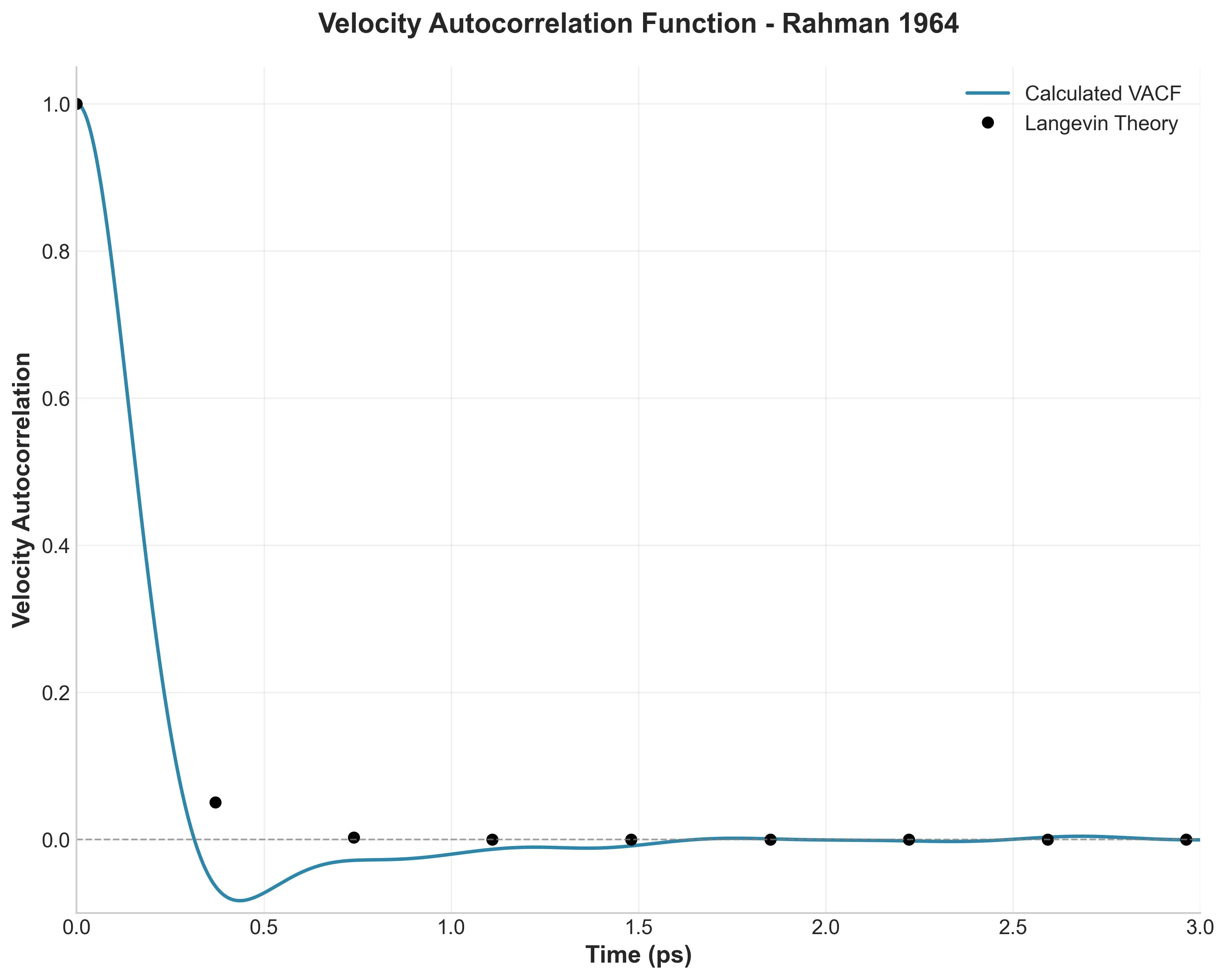
Velocity Autocorrelation Function showing the signature negative region characteristic of liquid dynamics and the cage effect discovered by Rahman

Modernizing Rahman''s 1964 Argon Simulation

A digital restoration of Rahman’s seminal 1964 molecular dynamics paper using LAMMPS and a production-grade Python analysis pipeline featuring intelligent decorator-based caching, fully vectorized NumPy computations for O(N^2) operations, and modern tooling (uv, type hints, Makefile automation) transforming academic scripts into reproducible research toolkit.

Natural Language Processing
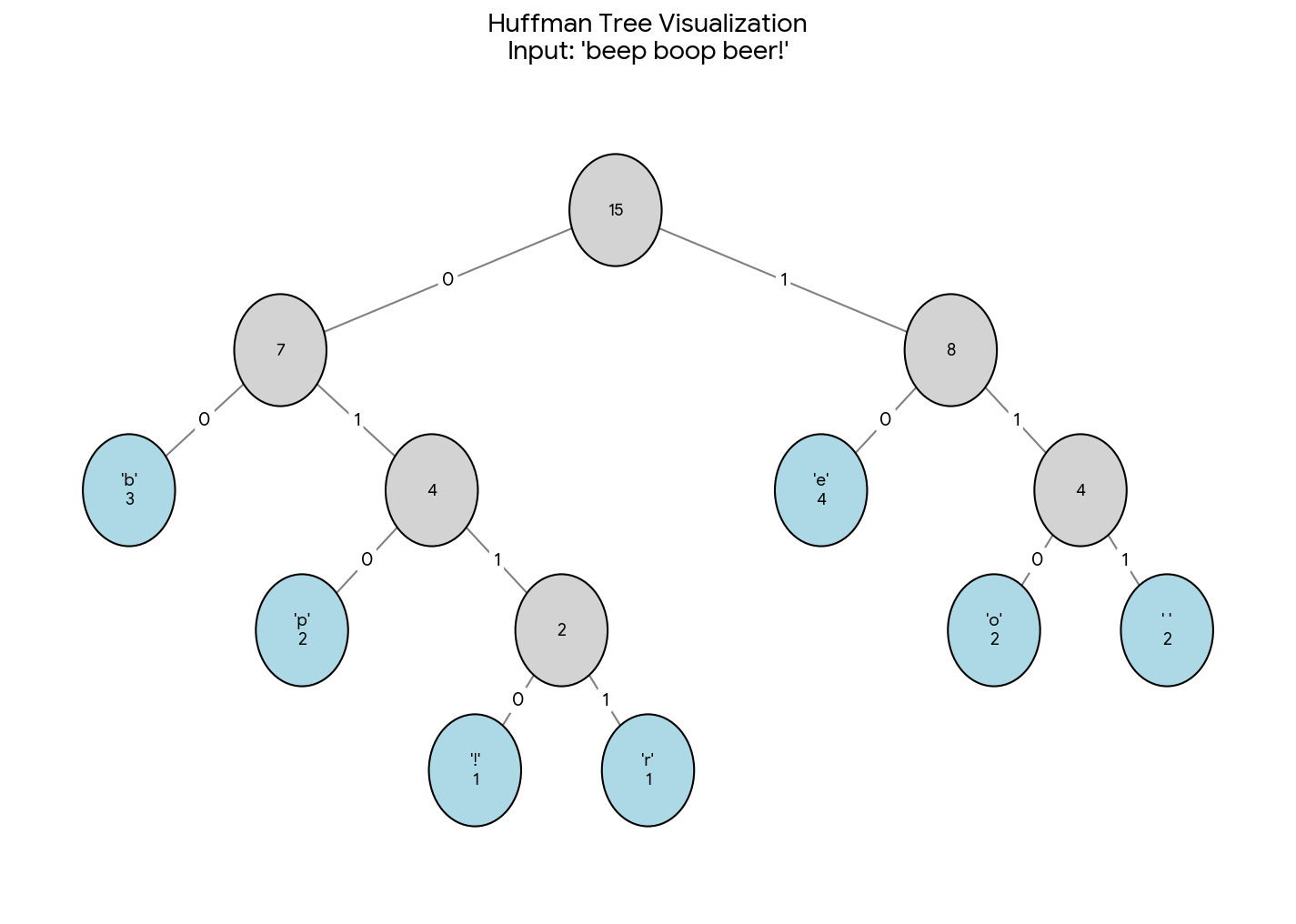
Huffman Tree visualization for the input 'beep boop beer!' showing internal nodes with frequency counts and leaf nodes with characters

High-Performance Word2Vec in Pure PyTorch

A ground-up PyTorch implementation of Word2Vec treating it as a systems engineering challenge, with “tensorized tree” architecture converting pointer-chasing Hierarchical Softmax into dense GPU operations, infinite streaming datasets with Zipfian subsampling, and torch.compile compatibility for production-grade efficiency.

Computational Chemistry
3D ball-and-stick model of butane molecule representing the structural isomer generation process

Synthetic Isomer Data Generation Pipeline

An end-to-end data factory for molecular machine learning that transforms raw chemical formulas (e.g., C6H14) into labeled 3D conformer datasets, using MAYGEN for structural isomer enumeration, RDKit for 3D embedding, and physics-based featurization to address data scarcity in computational drug discovery.

Scientific Computing
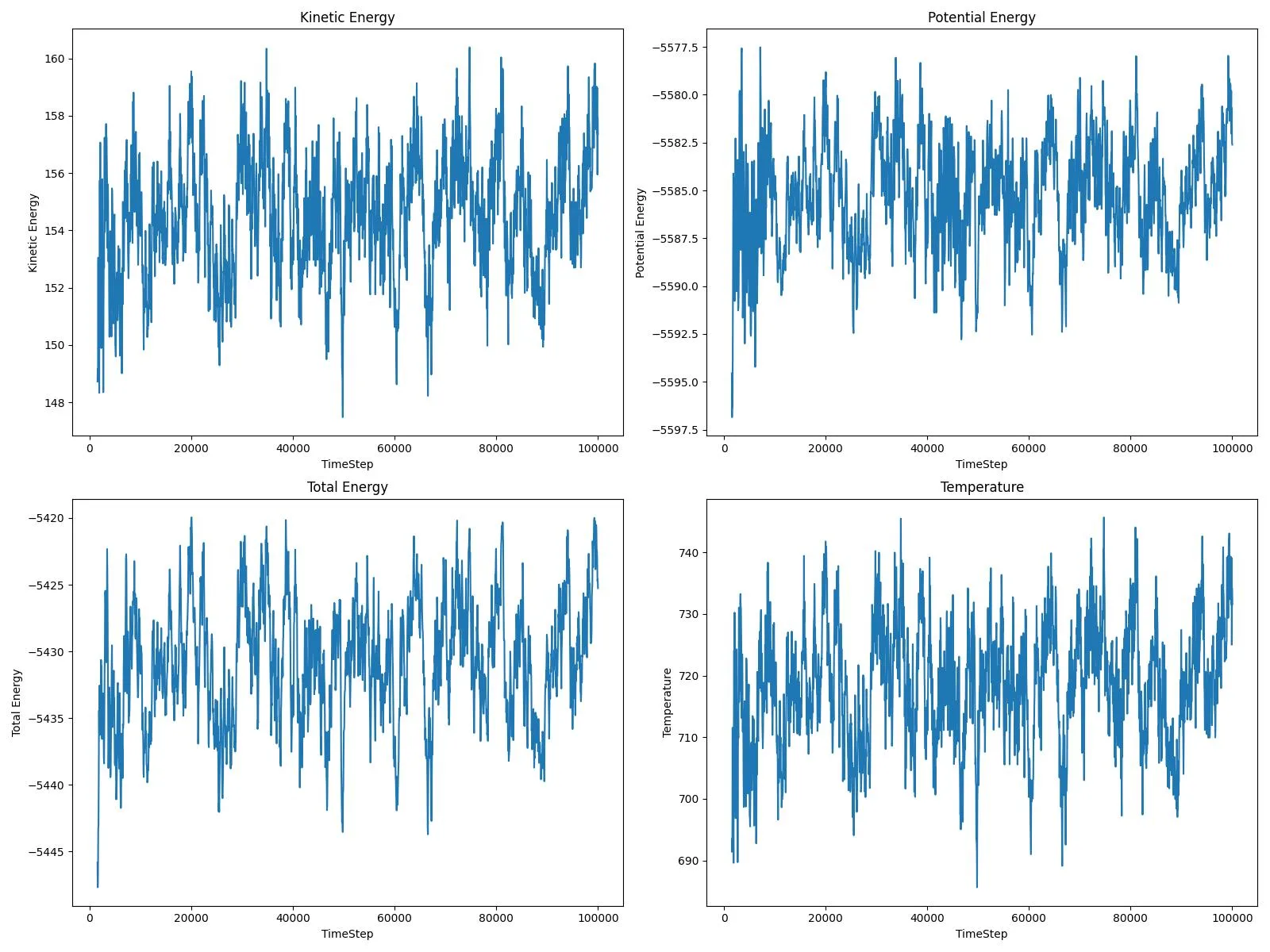
Energy conservation plot showing kinetic, potential, and total energy oscillations for a copper adatom diffusion simulation

Automated Adatom Diffusion Workflow

A complete input-to-analysis workflow for simulating adatom diffusion on FCC metal surfaces using LAMMPS and EAM potentials, providing comparative datasets for copper and platinum that demonstrate how atomic mass and bonding strength affect surface dynamics, with automated Python analysis generating publication-ready visualizations.

Computational Biology
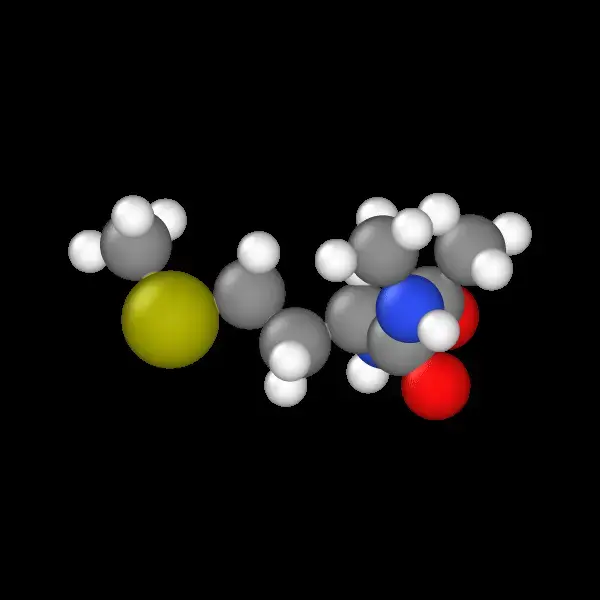
Molecular visualization of a methionine dipeptide structure from MD simulation

Mini-Protein Trajectory Generation

An automated GROMACS pipeline for generating high-fidelity molecular dynamics datasets suitable for machine learning, simulating capped dipeptides across nine residue types with 0.1 ps resolution and atomic force extraction optimized for training Neural Network Potentials.

Computational Social Science
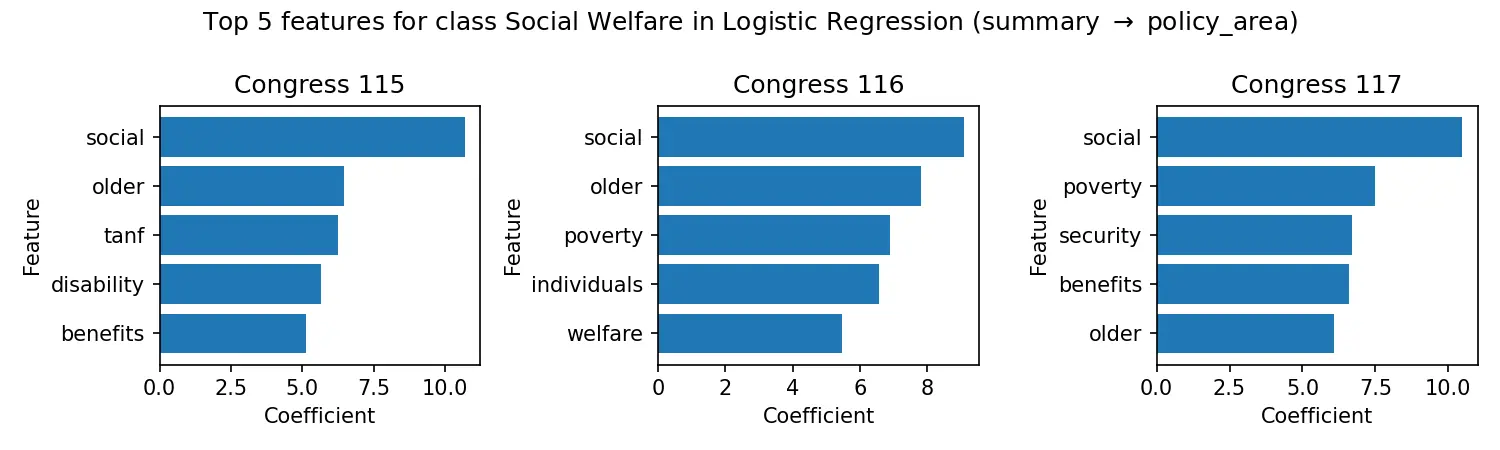
Top features for Social Welfare policy classification showing social, poverty, benefits keywords

Congressional Knowledge Graph & Policy Classification

A computational social science project that engineered a custom extraction engine to build a 47,000+ bill knowledge graph from Congress.gov (115th-117th Congresses), creating a novel legislative graph with co-sponsorship networks and establishing an 87% accuracy benchmark for policy area classification now available on Hugging Face.

Scientific Computing
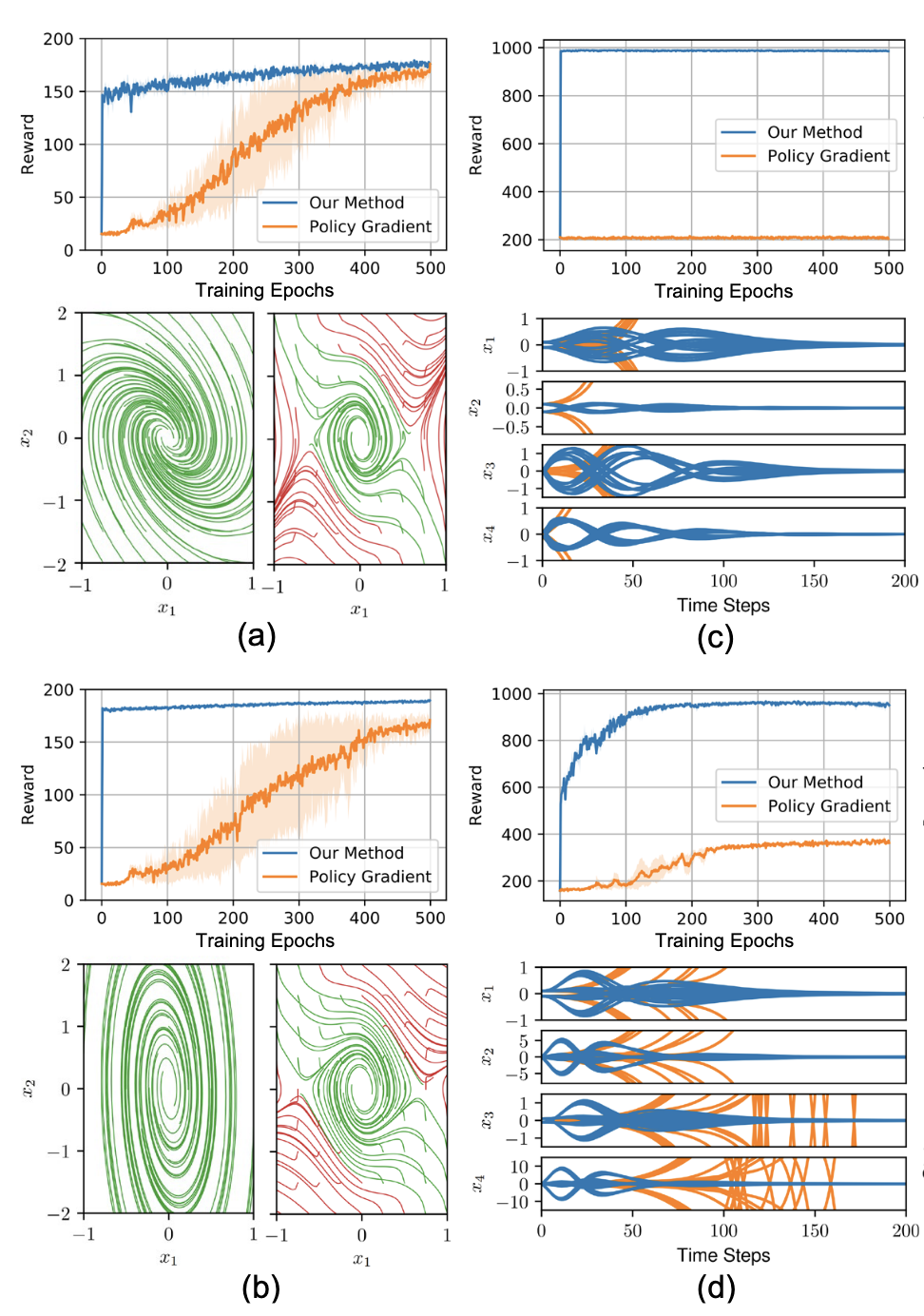
Comparison of IQCRNN (Our Method) vs standard Policy Gradient showing training curves, phase portraits, and state trajectories for control tasks

IQCRNN: Certified Stability for Neural Networks

A PyTorch implementation enforcing strict Lyapunov stability guarantees on recurrent neural network controllers through Integral Quadratic Constraints, bridging 1990s robust control theory with modern deep reinforcement learning by solving semidefinite programs inside the gradient descent loop to provide mathematical certificates of safety.

Computational Social Science
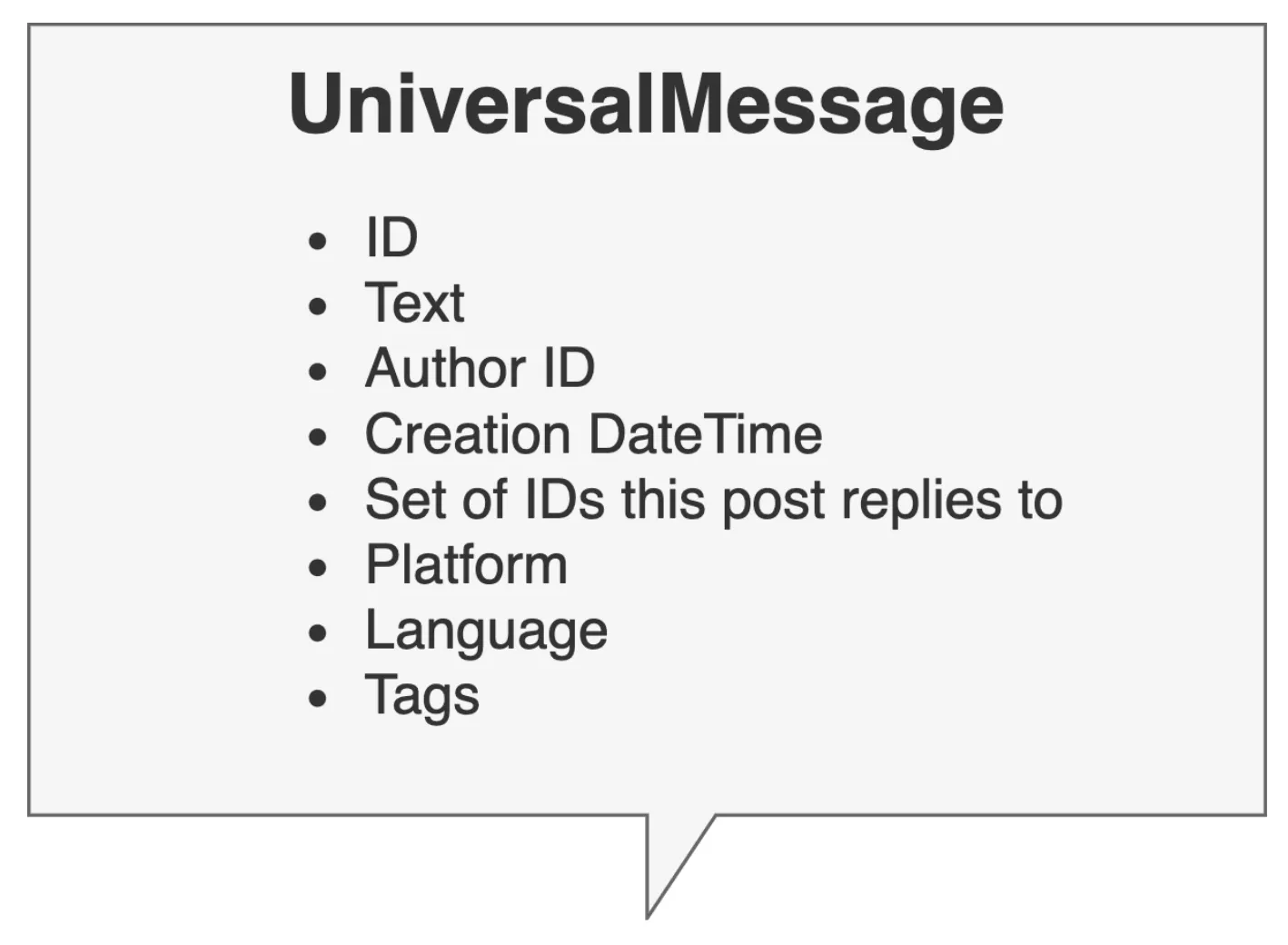
Diagram of the Universal Message schema showing fields like ID, Text, Author, and Reply Sets that normalize data across platforms

PyConversations: Social Media Conversational Analysis

Research project that investigated how different NLP models perform on social media data, finding that domain-specific approaches often outperform large pre-trained models. Includes PyConversations, a Python module for analyzing conversations across social media platforms.

Scientific Computing
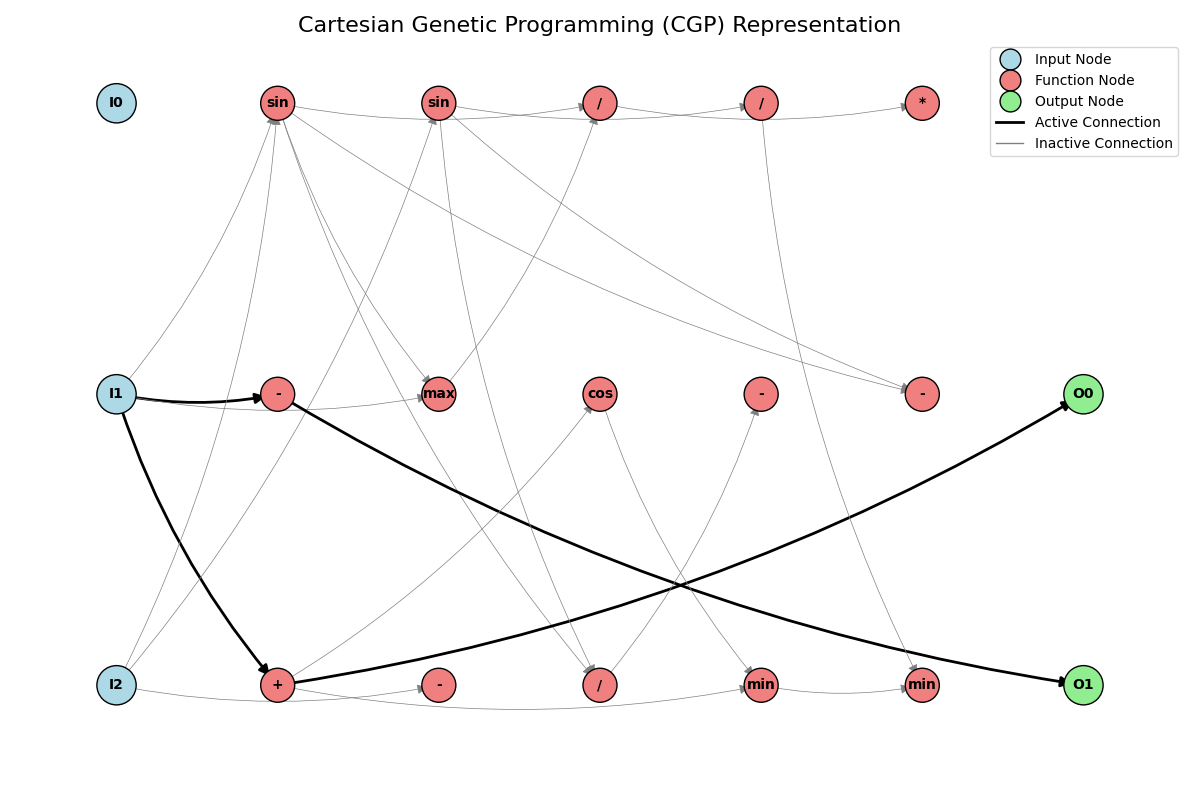
Cartesian Genetic Programming graph showing input nodes, function nodes, and output nodes with active and inactive connections

Cartesian Genetic Programming in Julia

A sophomore year exploration of evolutionary algorithms applied to Atari games, implementing NEAT-inspired speciation mechanisms for Cartesian Genetic Programming to protect topological innovation while introducing custom crossover operators (subgraph, aligned-node) for evolving neural network policies.

Scientific Computing
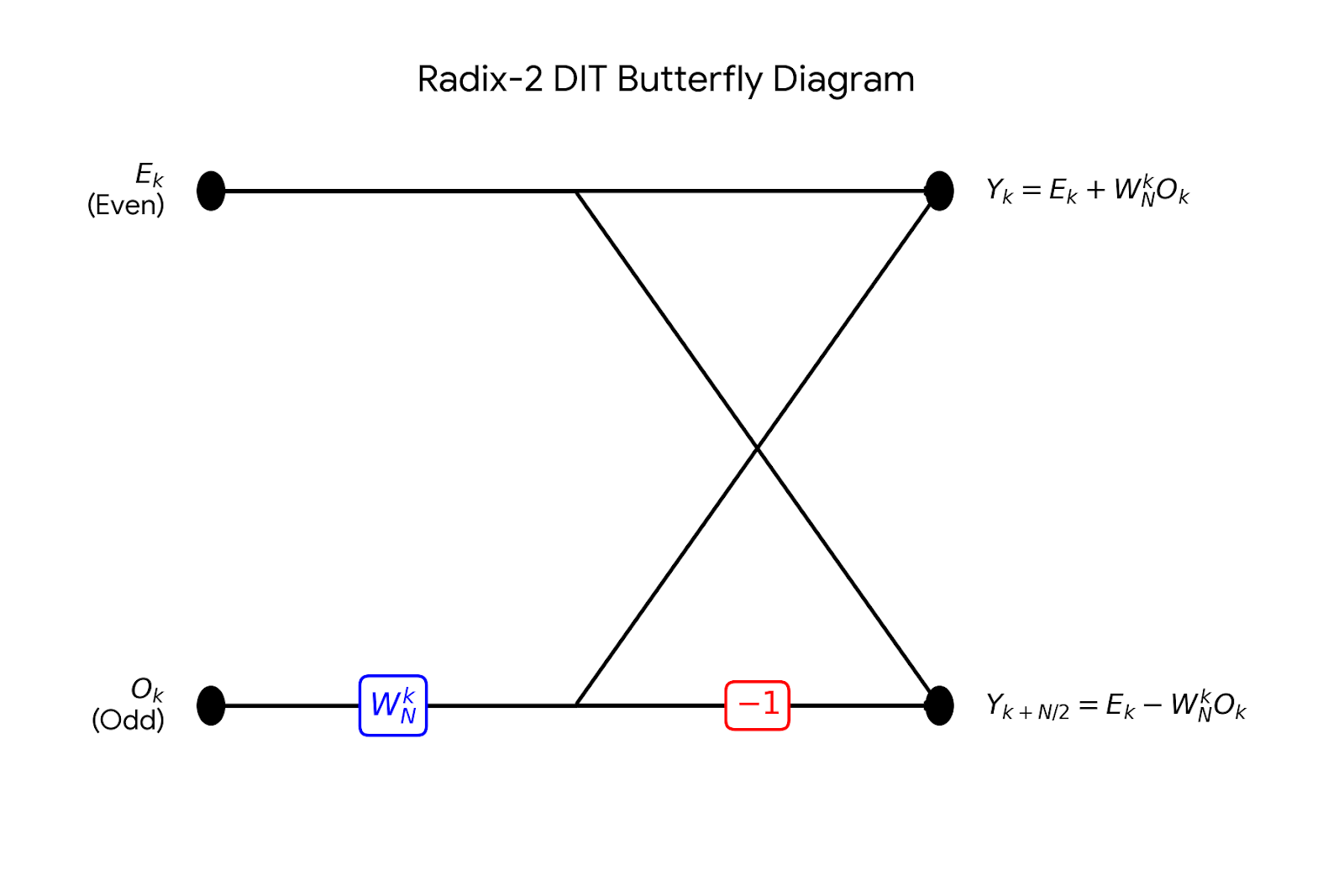
Radix-2 DIT butterfly diagram showing the fundamental FFT operation with twiddle factor multiplication

FFTW Compiler in Haskell

A sophomore year deep dive into functional metaprogramming, replicating FFTW’s genfft metaprogram logic in Haskell to generate straight-line optimized C kernels for FFTs, using symbolic DAG representation and algebraic simplification to understand how abstract algebra translates into efficient machine code.