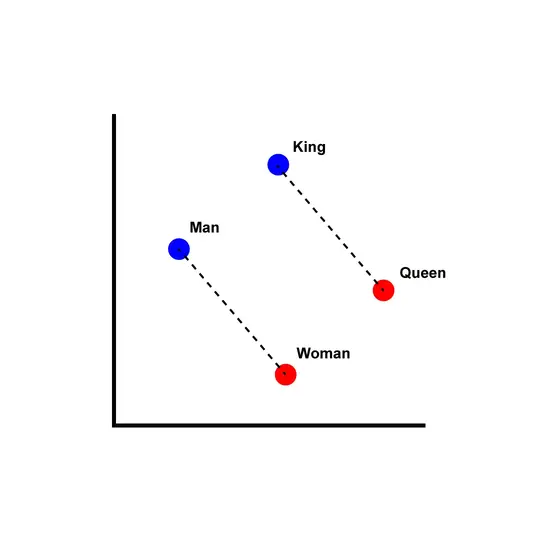
Sarcasm Detection with Transformers: A Cautionary Tale
What happens when you achieve 99.8% accuracy on sarcasm detection? You might have accidentally built a domain classifier. A cautionary ML tale about dataset bias.
What happens when you achieve 99.8% accuracy on sarcasm detection? You might have accidentally built a domain classifier. A cautionary ML tale about dataset bias.
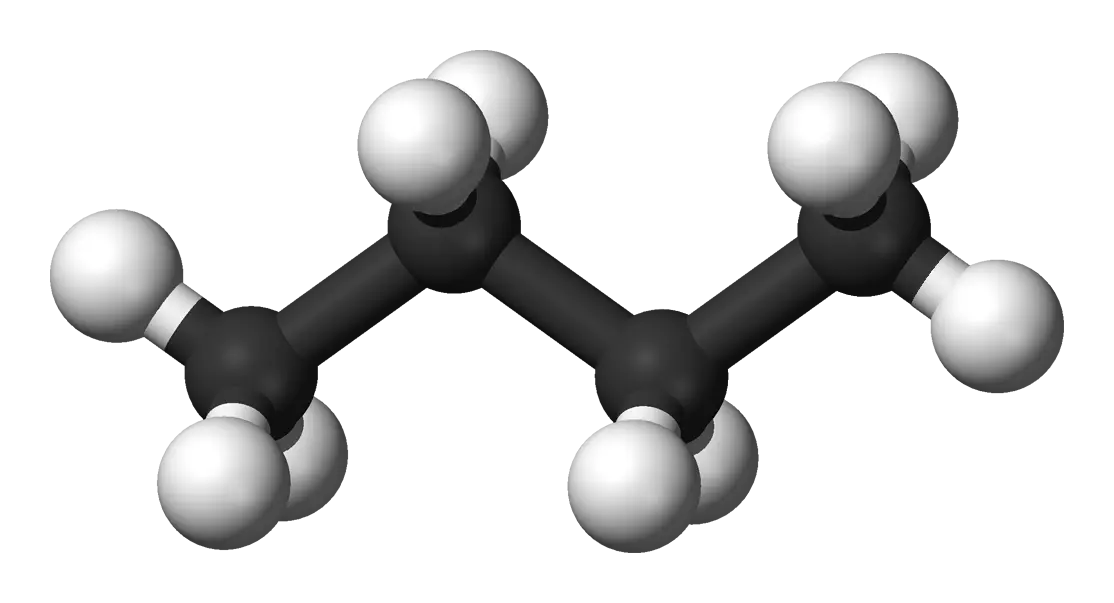
Can mathematical signatures capture molecular shape? We test whether Coulomb matrix eigenvalues can distinguish alkane constitutional isomers, from unsupervised clustering failures to supervised learning successes.
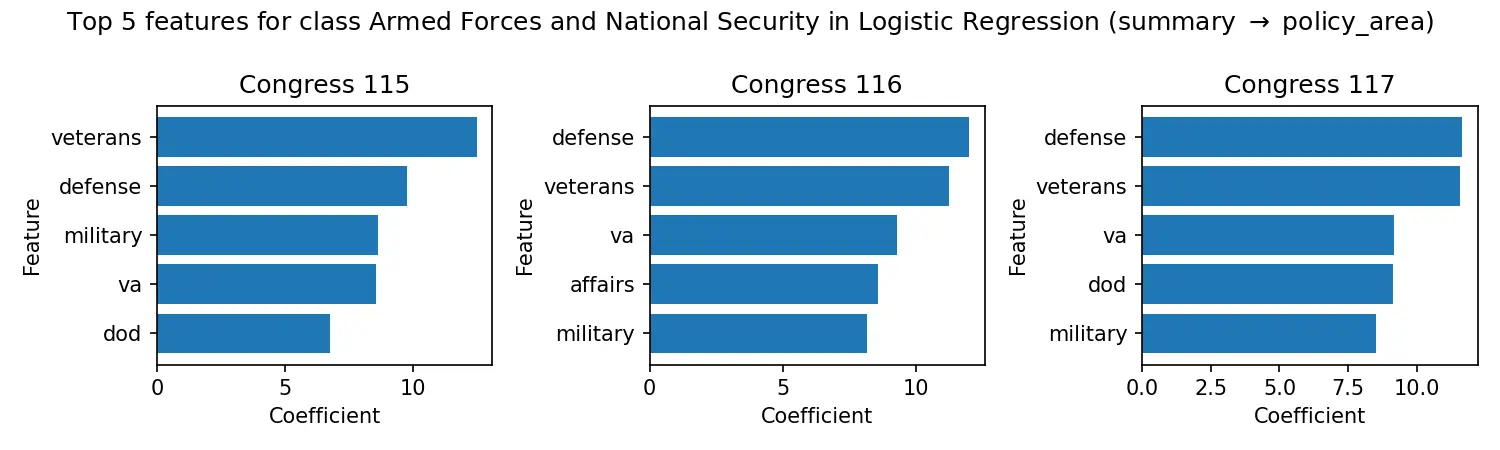
We test three ML models on 48K congressional bills to see how well they can predict policy areas from bill text. Results show logistic regression performs best, with a certified weighted-F1 of ~0.88 within-Congress (0.877) and ~0.87 out-of-Congress (0.871).
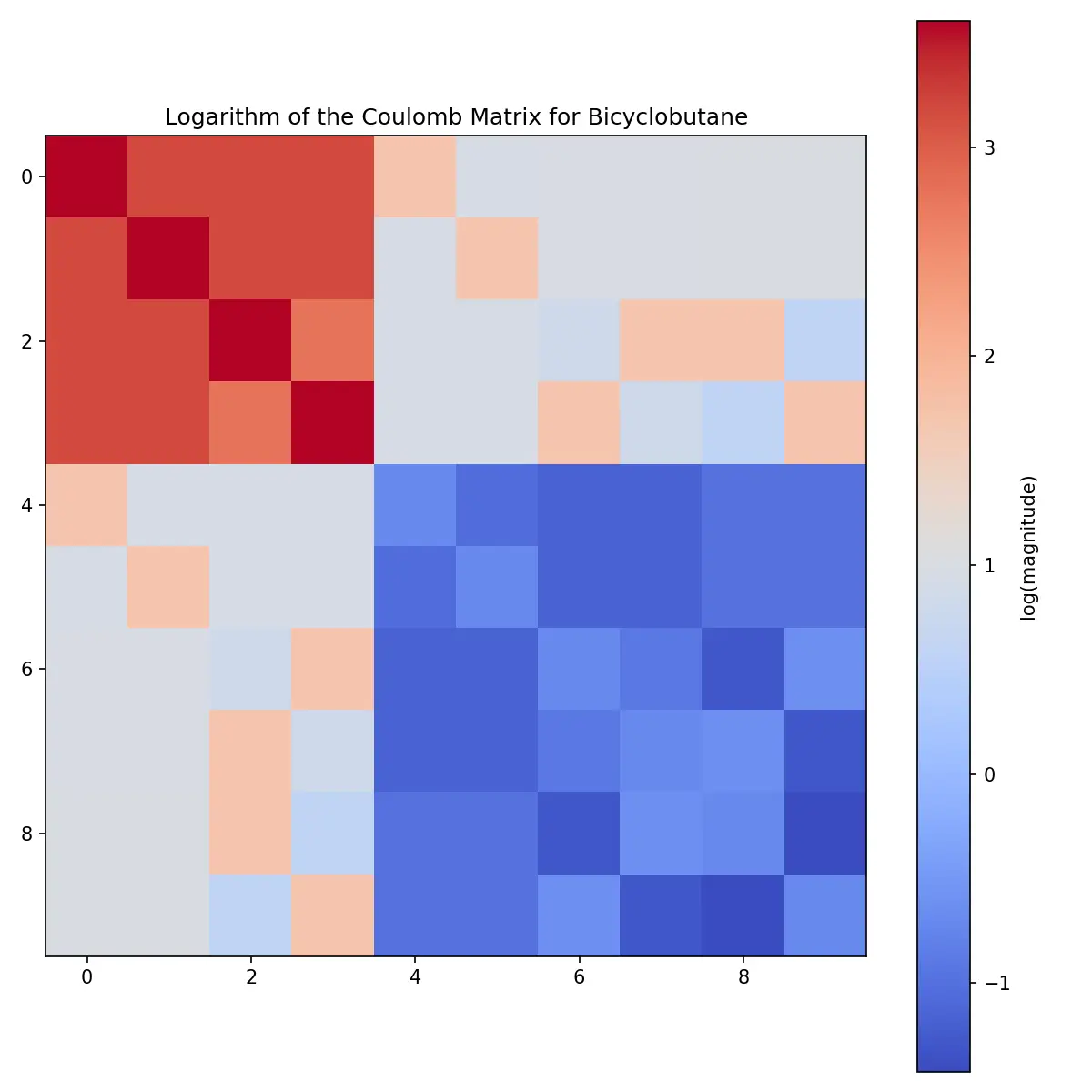
A practical introduction to Coulomb matrices: how they transform molecular 3D structures into ML features, complete with Python examples and honest assessment of their limitations.
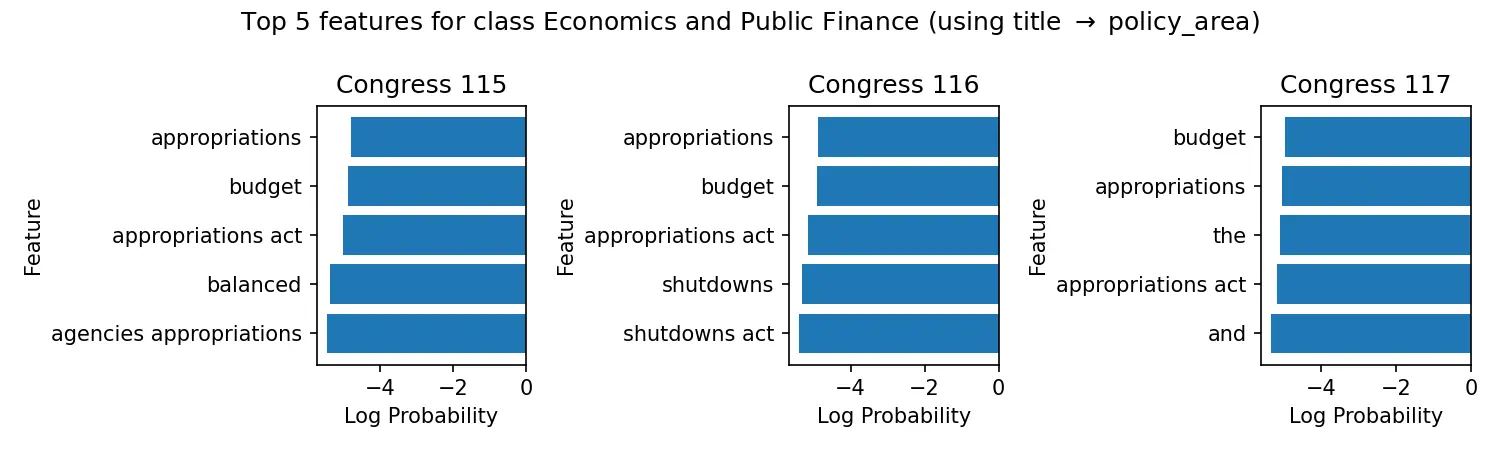
Only 2% of congressional bills become law. We analyze 15K bills from 2021-2023 to understand what drives legislative success and failure.
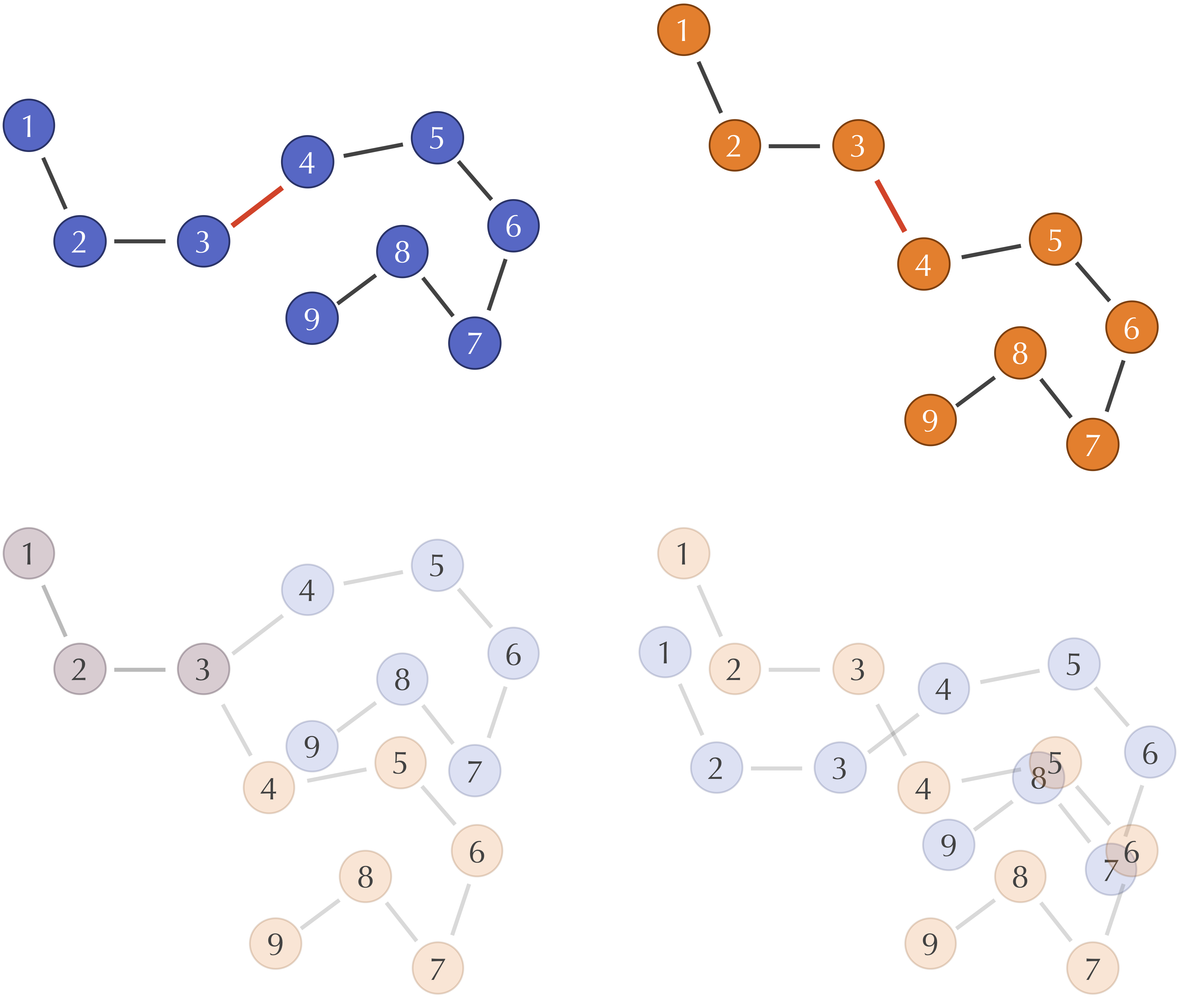
Learn to align molecular structures and point clouds using the Kabsch algorithm, with differentiable implementations for modern ML frameworks.

Step-by-step LAMMPS tutorial for simulating copper and platinum adatom diffusion. Learn surface dynamics simulation, trajectory analysis, and how atomic mass affects diffusion for machine learning datasets.
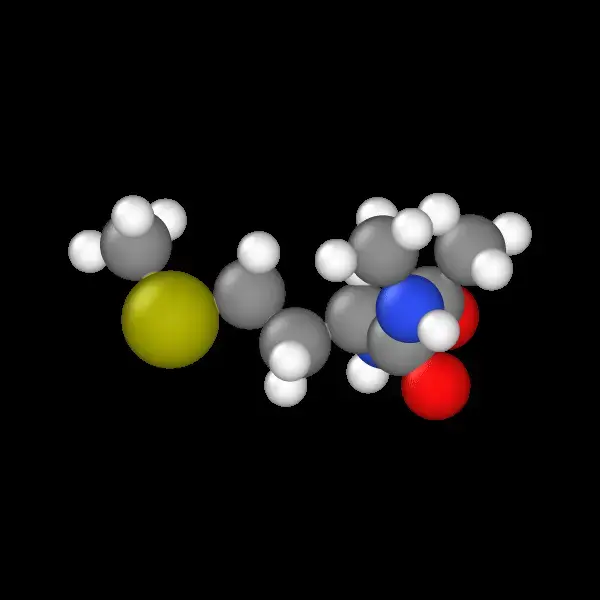
A practical guide to simulating mini-proteins using GROMACS; from alanine dipeptide to tryptophan systems for ML training data generation.
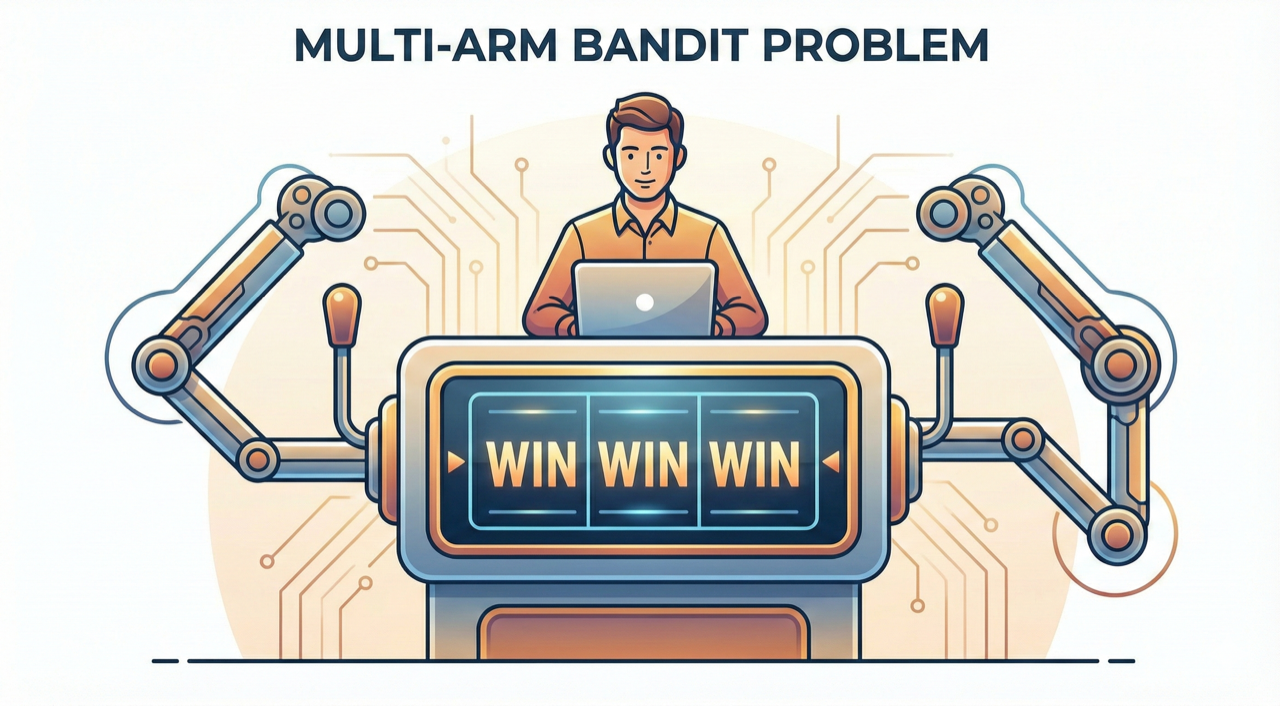
Key dimensions that have helped me understand multi-arm bandit problems: action space, problem structure, external information, reward mechanism, and learner feedback.
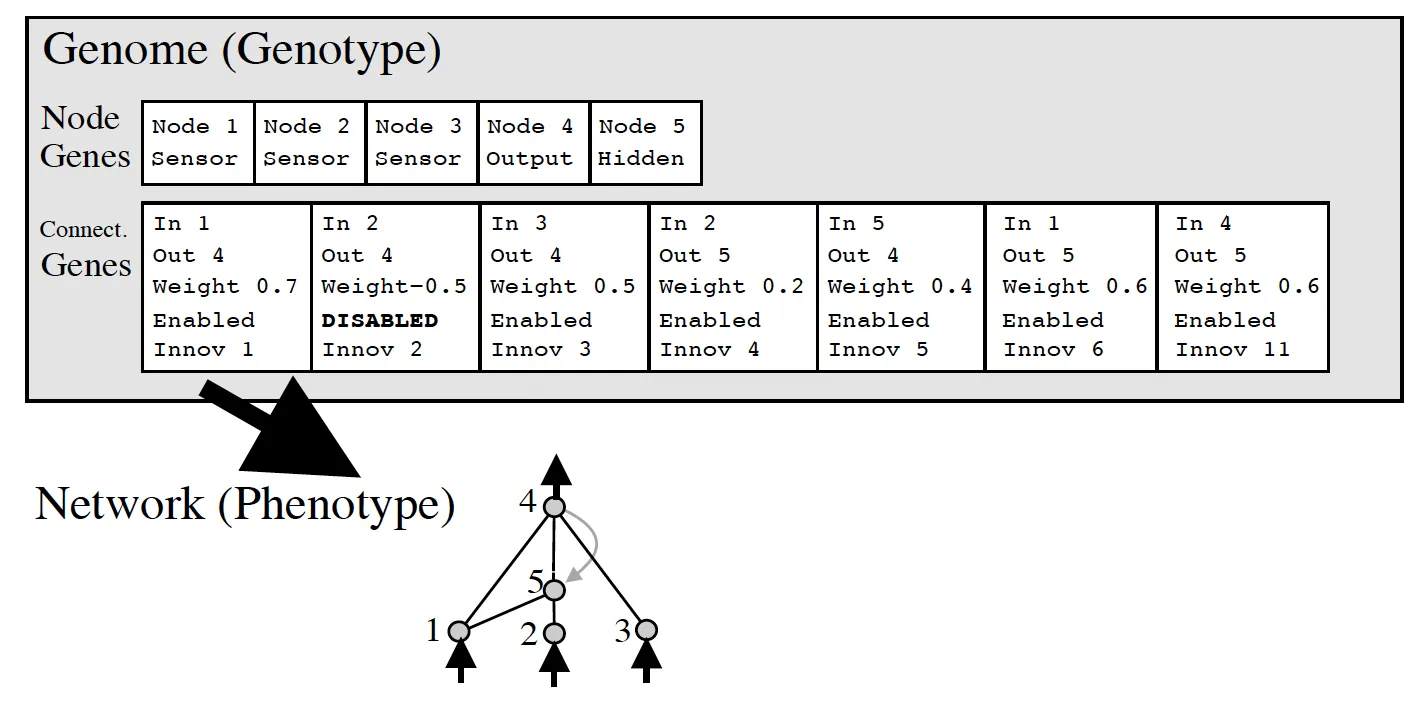
Discover how NEAT and HyperNEAT changed neuroevolution by automatically designing neural network architectures and scaling them through geometric patterns.
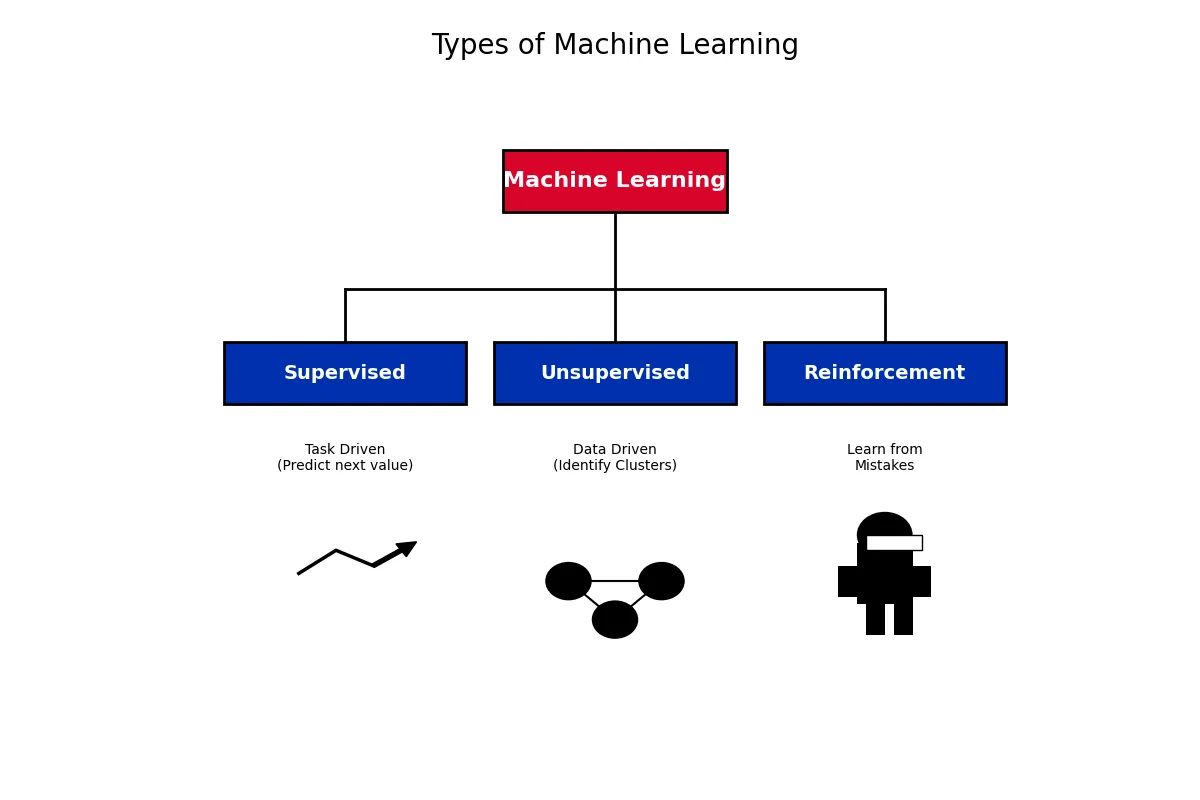
Understand the pattern recognition behind Netflix recommendations, email spam filters, and game-playing AI through three core machine learning approaches.
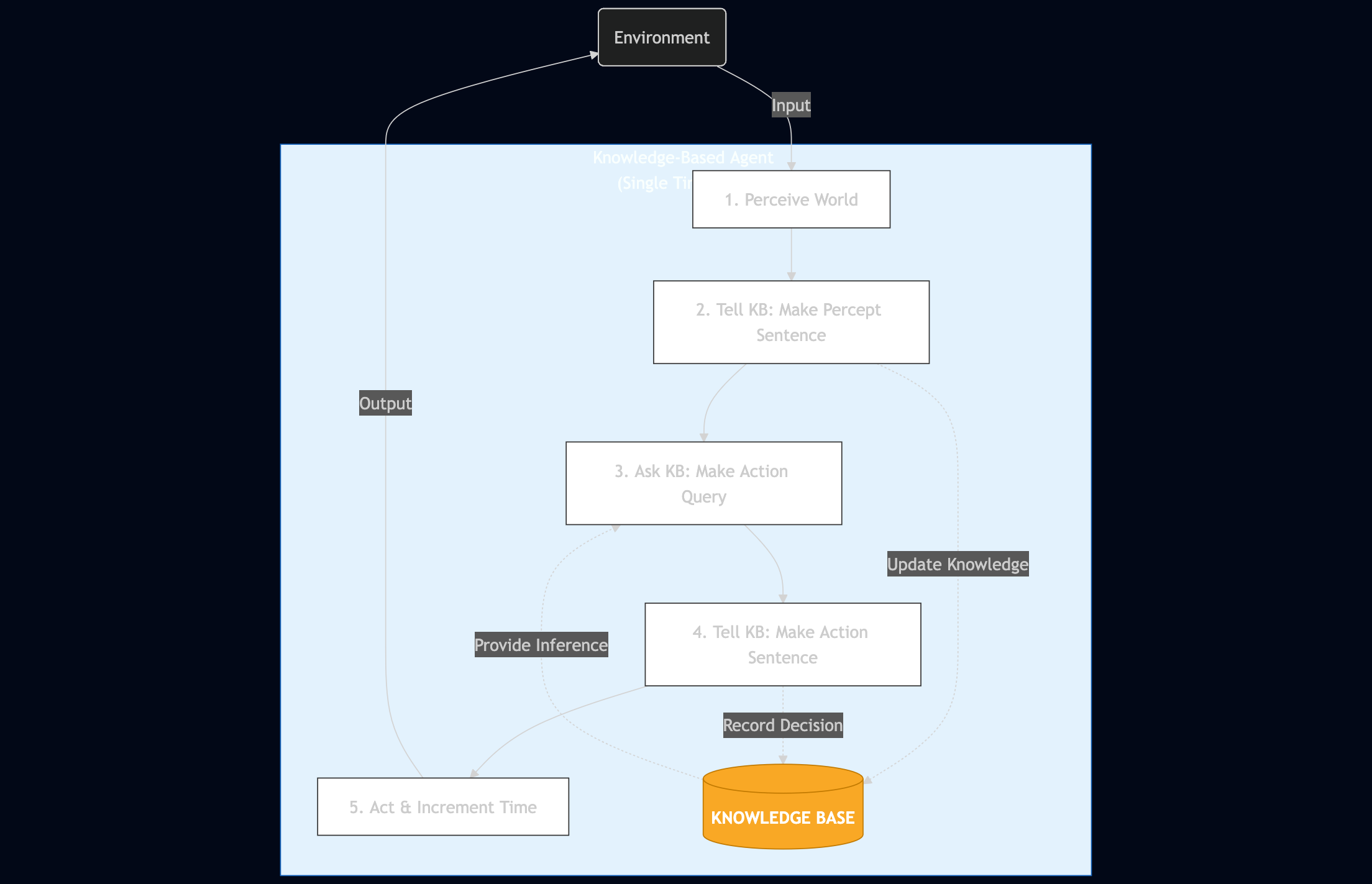
Explore the building blocks of classic AI reasoning, from knowledge bases and logic to how systems draw new conclusions from existing knowledge.