Computational Chemistry
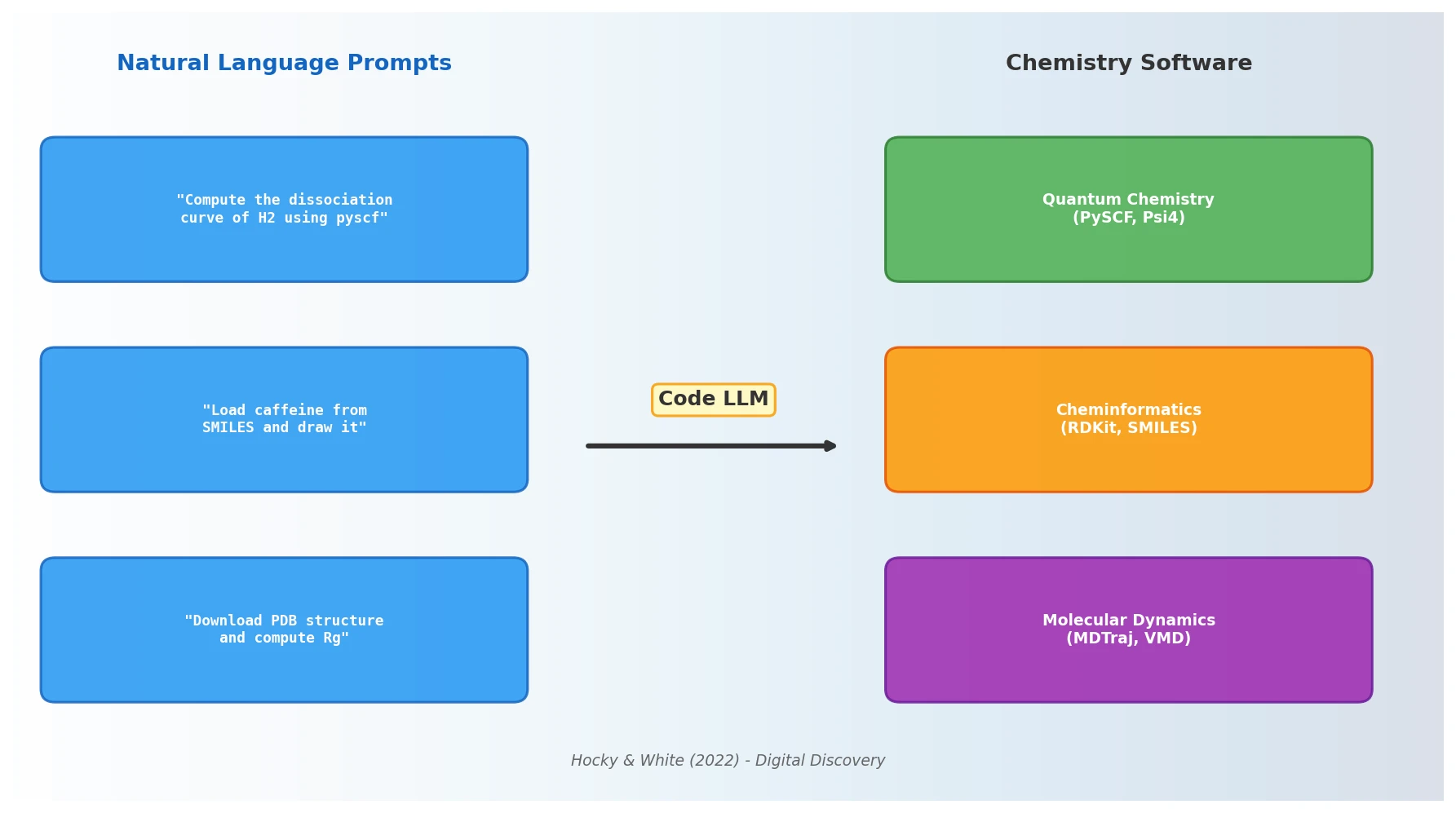
Conceptual diagram showing natural language prompts flowing into code generation for chemistry tasks

NLP Models That Automate Programming for Chemistry

Hocky and White argue that NLP models capable of generating code from natural language prompts will fundamentally alter how chemists interact with scientific software, reducing barriers to computational research and reshaping programming pedagogy.
Molecular Generation
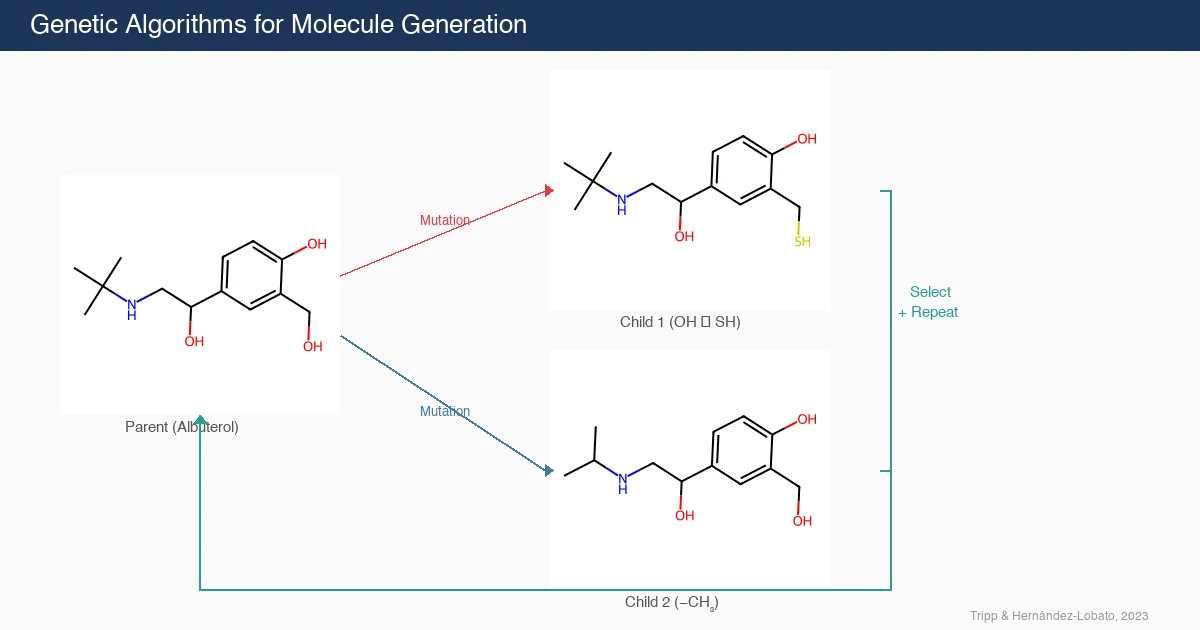
Diagram showing a genetic algorithm for molecules where a parent albuterol molecule undergoes mutation to produce two child molecules, with a selection and repeat loop

Genetic Algorithms as Baselines for Molecule Generation

This position paper demonstrates that genetic algorithms (GAs) perform surprisingly well on molecular generation benchmarks, often outperforming complex deep learning methods. The authors propose the GA criterion: new molecule generation algorithms should demonstrate a clear advantage over GAs.

Molecular Representations
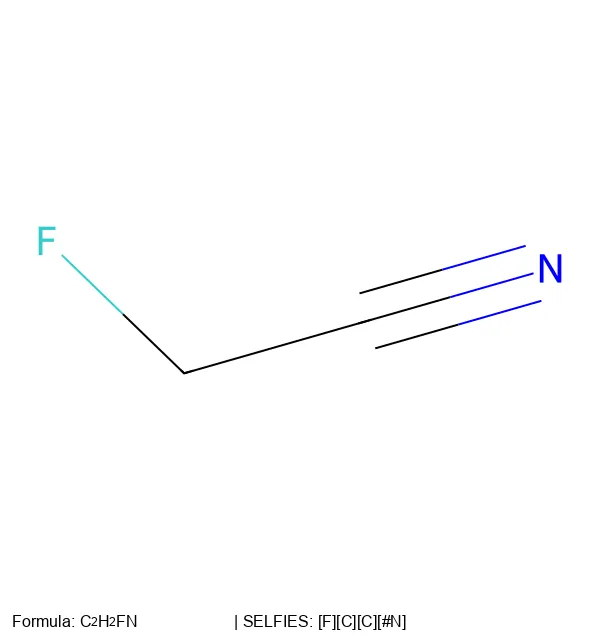
SELFIES robustness demonstration

SELFIES and the Future of Molecular String Representations

This 2022 perspective paper reviews 250 years of chemical notation evolution and proposes 16 concrete research projects to extend SELFIES beyond traditional organic chemistry into polymers, crystals, and reactions.

Computational Biology
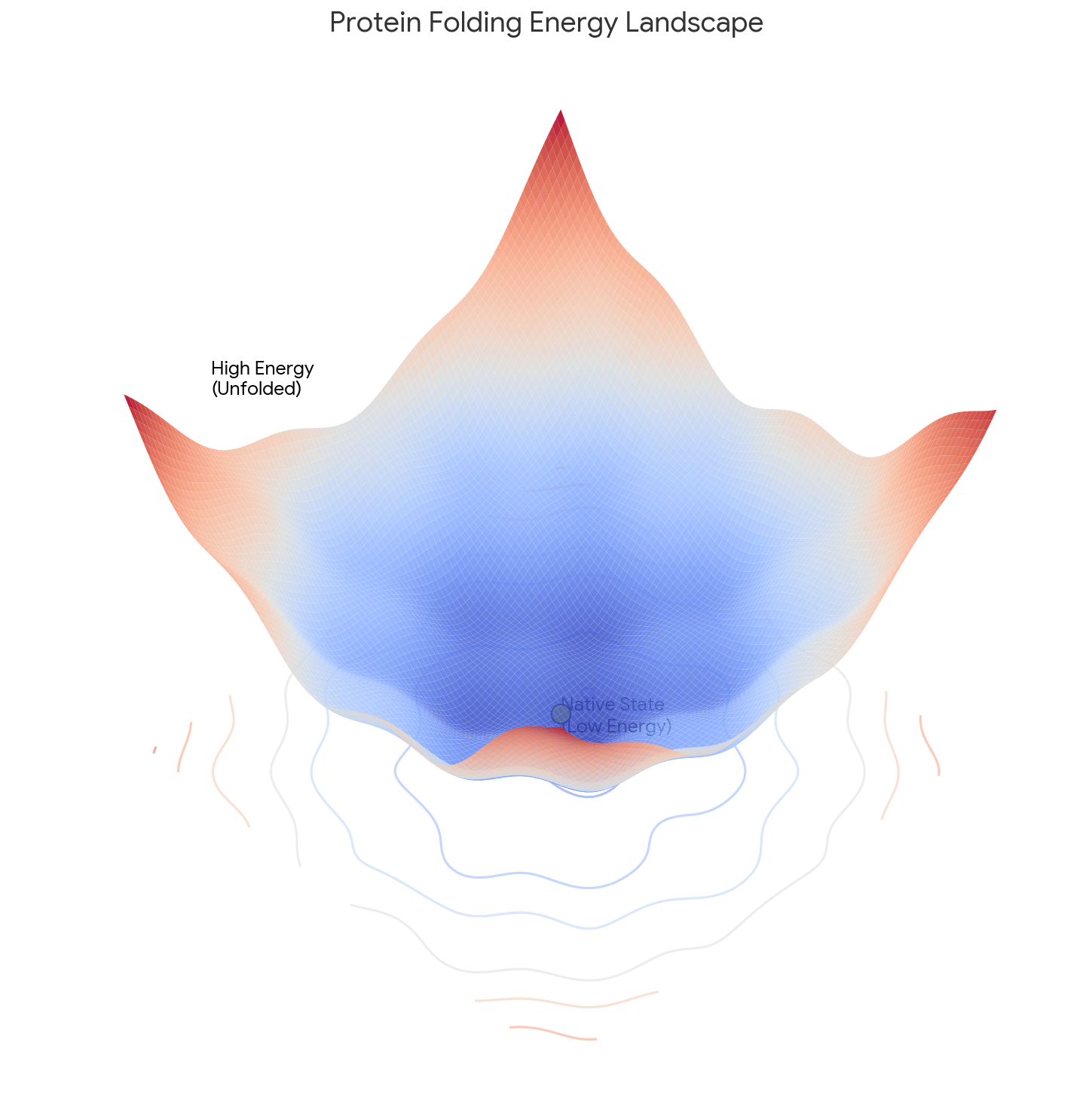
Protein folding energy landscape funnel showing high-energy unfolded states converging to the native state

How to Fold Graciously: Levinthal's Paradox (1969)

Levinthal’s 1969 perspective paper defined the protein folding paradox by demonstrating the impossibility of random search, establishing the need for kinetic pathways that guide folding faster than thermodynamic equilibration allows.