Optical Chemical Structure Recognition

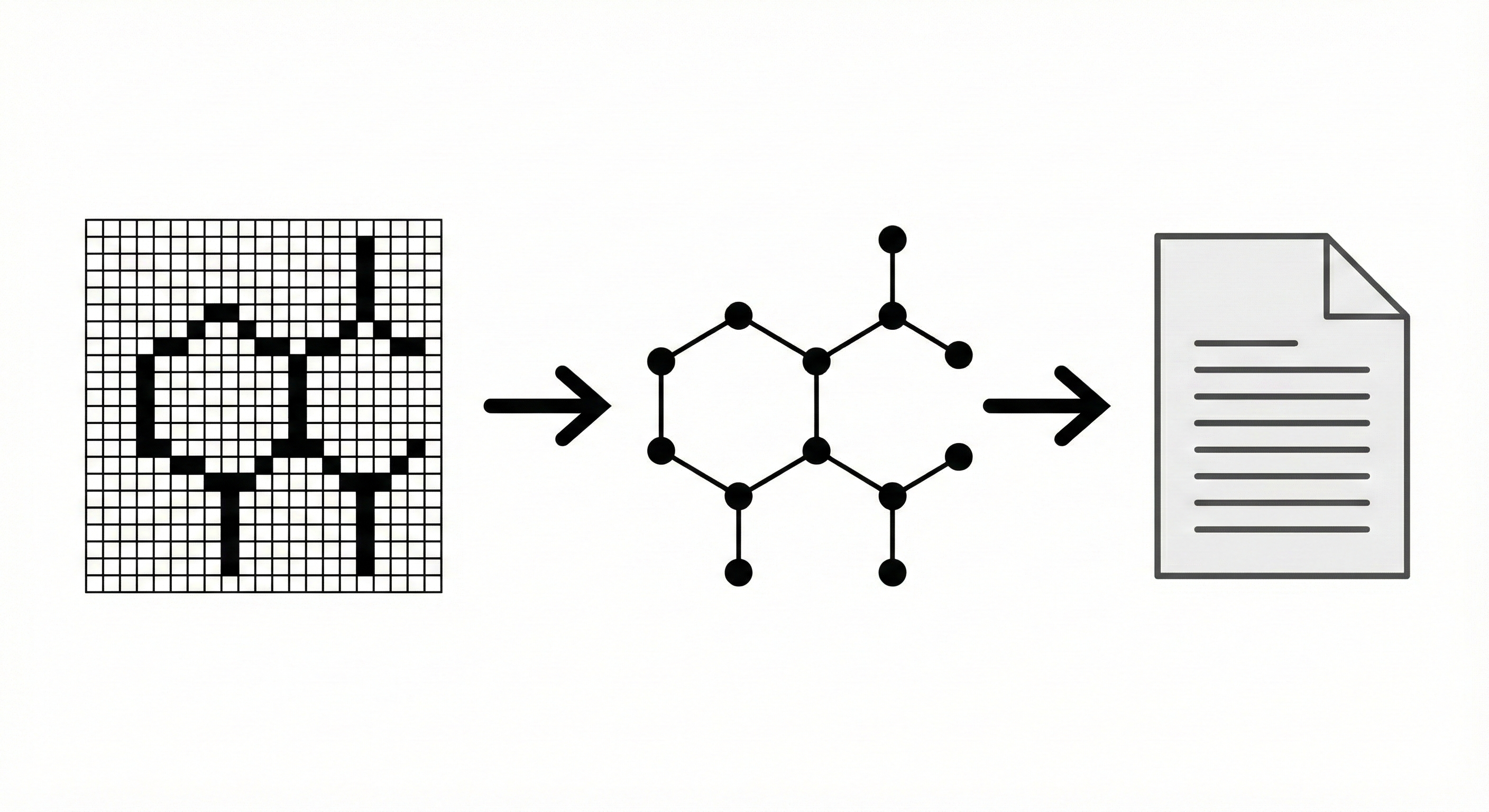
Kekulé: OCR-Optical Chemical Recognition

This 1992 paper introduces Kekulé, one of the first complete Optical Chemical Structure Recognition (OCSR) systems. It details a pipeline integrating raster-to-vector conversion, neural network-based OCR, and rule-based logic to convert printed chemical diagrams into connection tables.
Machine Learning
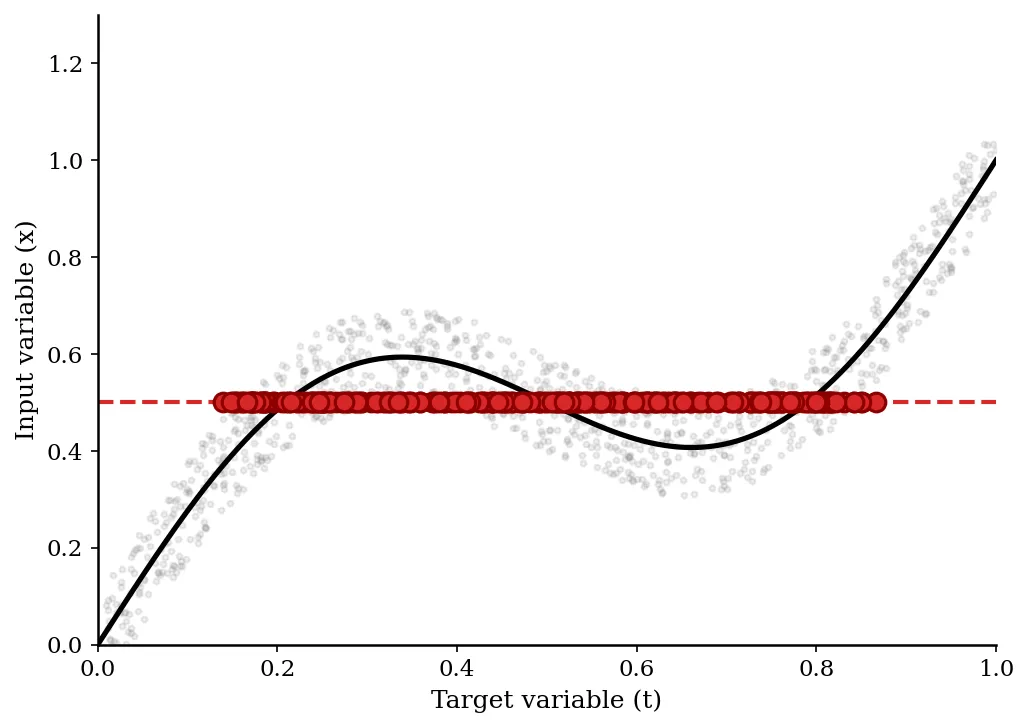
Visualization of inverse problem showing one input mapping to multiple valid outputs

Mixture Density Networks: Modeling Multimodal Distributions

A 1994 paper identifying why standard least-squares networks fail at inverse problems (multi-valued mappings). It introduces the Mixture Density Network (MDN), which predicts the parameters of a Gaussian Mixture Model to capture the full conditional probability density.

Optical Chemical Structure Recognition
Early optical recognition system converts scanned chemical diagrams to connection tables

Optical Recognition of Chemical Graphics

This paper describes an early prototype system that digitizes chemical structure diagrams from scanned documents. It employs a multi-stage pipeline involving convex bounding polygon extraction, vectorization, and rule-based heuristics to generate MDL Molfiles.

Molecular Simulation
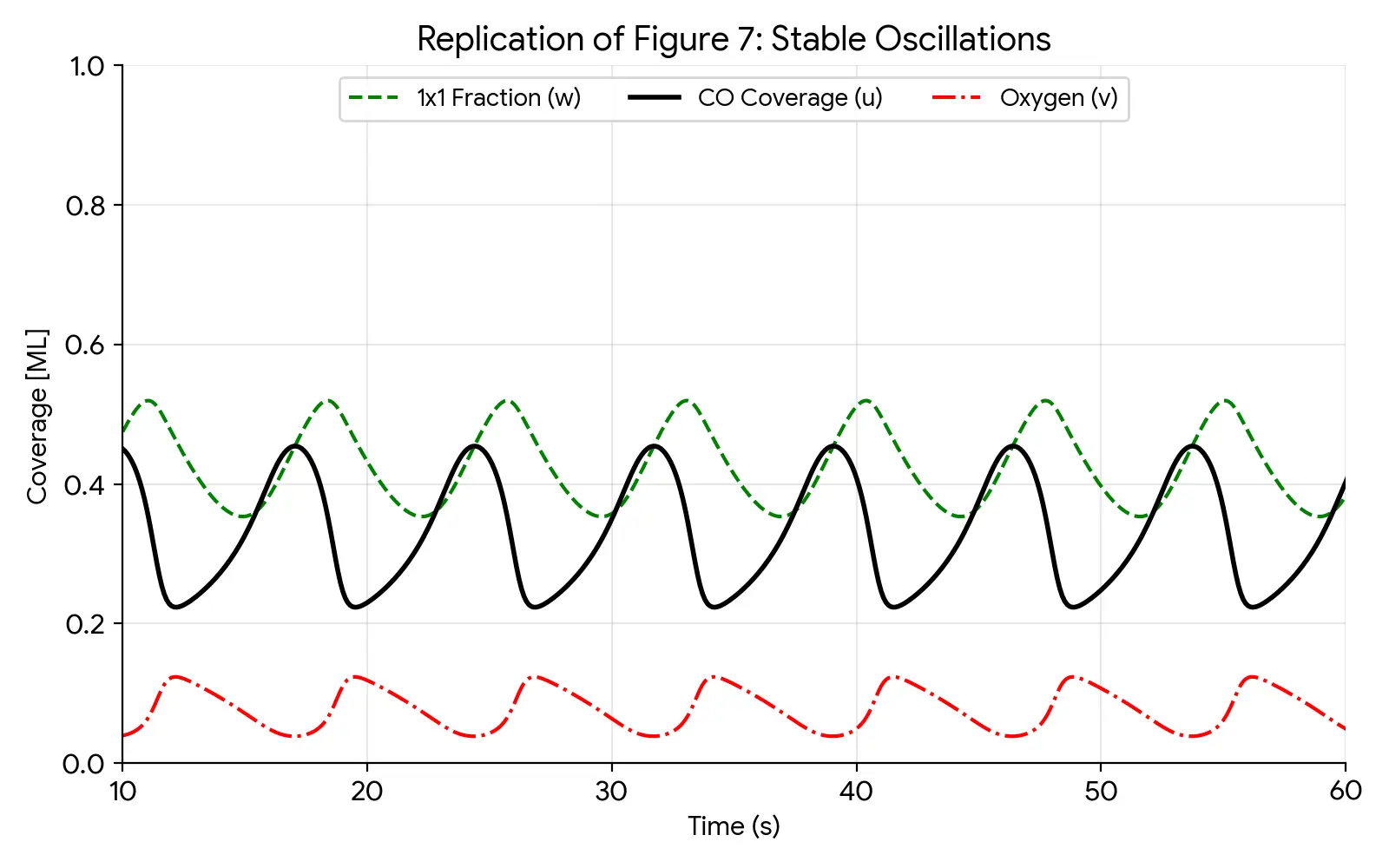
Replication of Figure 7 showing stable oscillations in CO oxidation on Pt(110)

Oscillatory CO Oxidation on Pt(110): Temporal Modeling

This paper presents a 4-variable kinetic model coupling surface reaction dynamics with structural phase transitions to reproduce complex oscillatory behavior on Pt(110).

Optical Chemical Structure Recognition
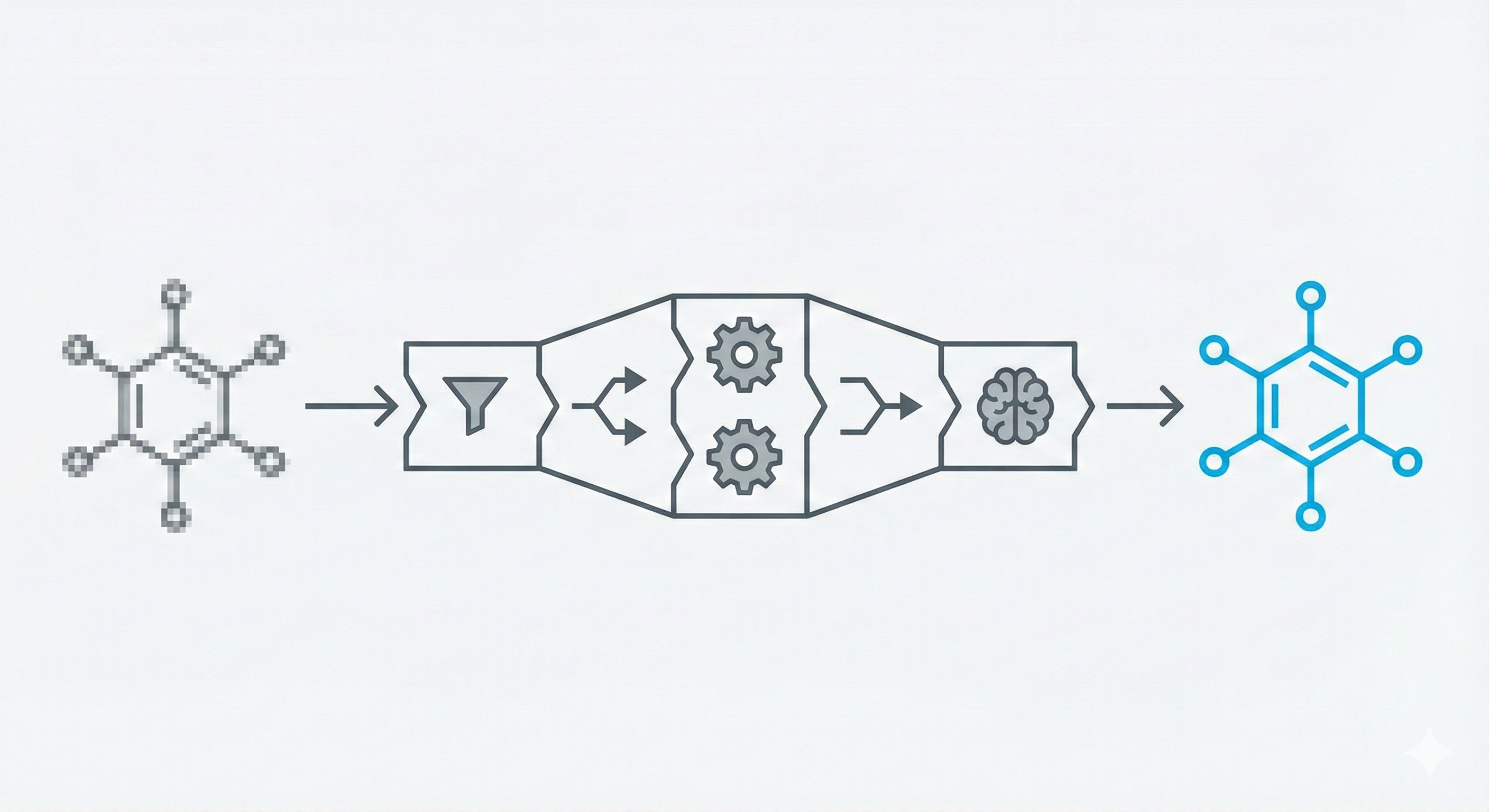
Five-stage pipeline for reconstructing chemical molecules from raster images

Reconstruction of Chemical Molecules from Images

This methodological paper proposes a comprehensive pipeline to digitize chemical structure images. It achieves 97% reconstruction accuracy on benchmarks by combining a topology-preserving vectorizer with a chemical knowledge validation module.

Scientific Computing
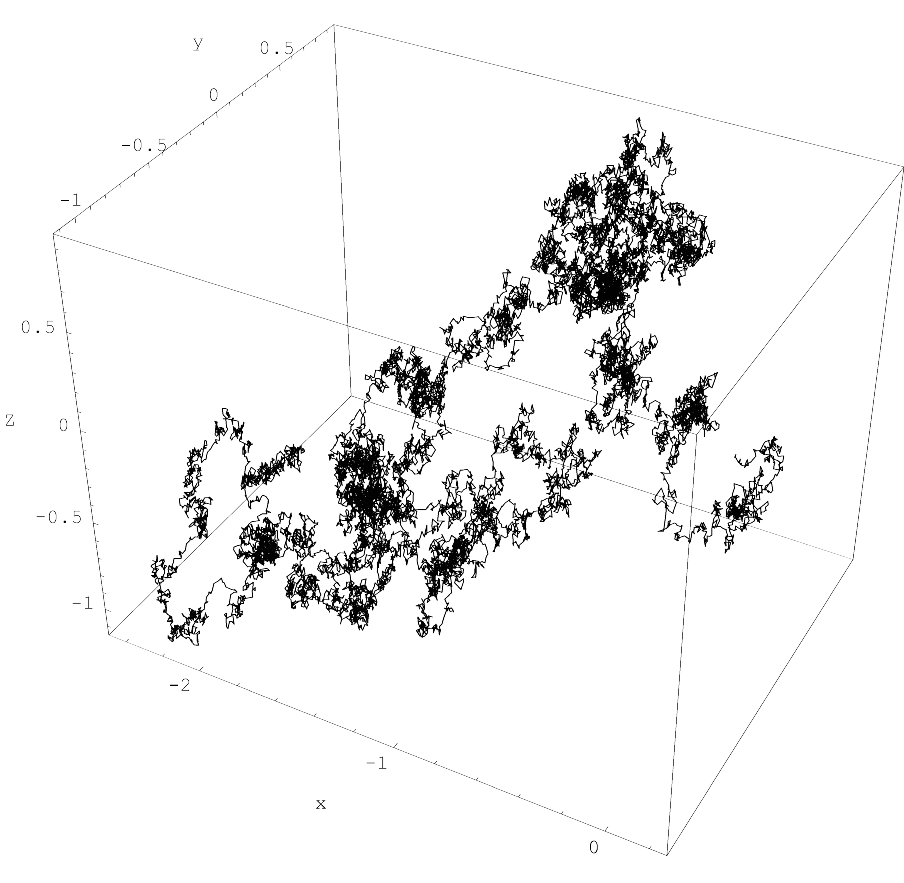
Three-dimensional Brownian motion trajectory showing random walk behavior

Second-Order Langevin Equation for Field Simulations

Proposes the Hyperbolic Algorithm for Euclidean field theory simulations. By adding a second-order fictitious time derivative to the Langevin equation, the method reduces systematic errors from O(ε) down to O(ε²).

Molecular Simulation
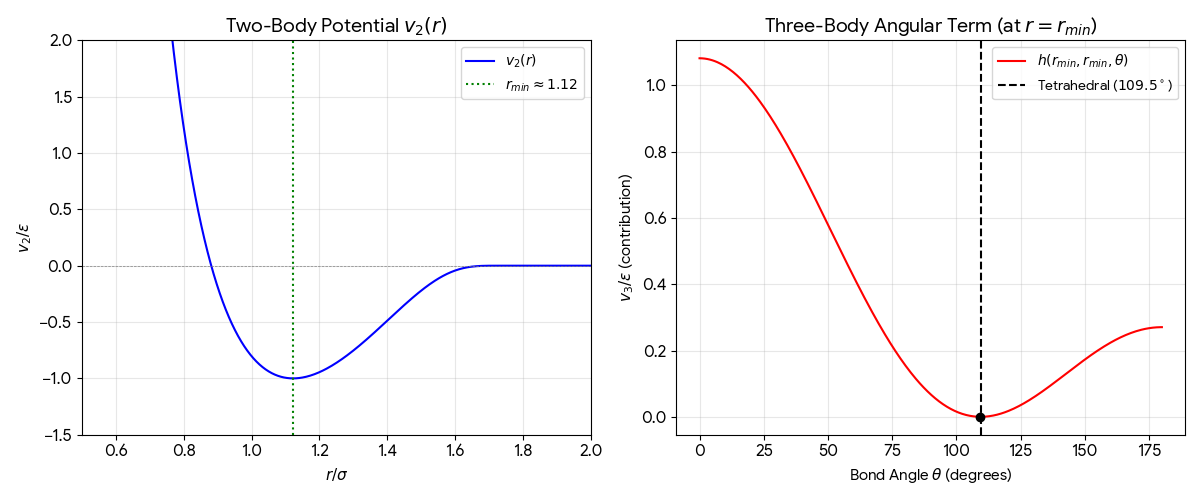
Visualization of the Stillinger-Weber potential showing the two-body radial term and three-body angular penalty

Stillinger-Weber Potential for Silicon Simulation

Stillinger and Weber propose a 3-body interaction potential that stabilizes the diamond crystal structure of silicon and reproduces liquid properties through molecular dynamics, addressing the inability of standard pair potentials to model tetrahedral semiconductors.

Molecular Simulation
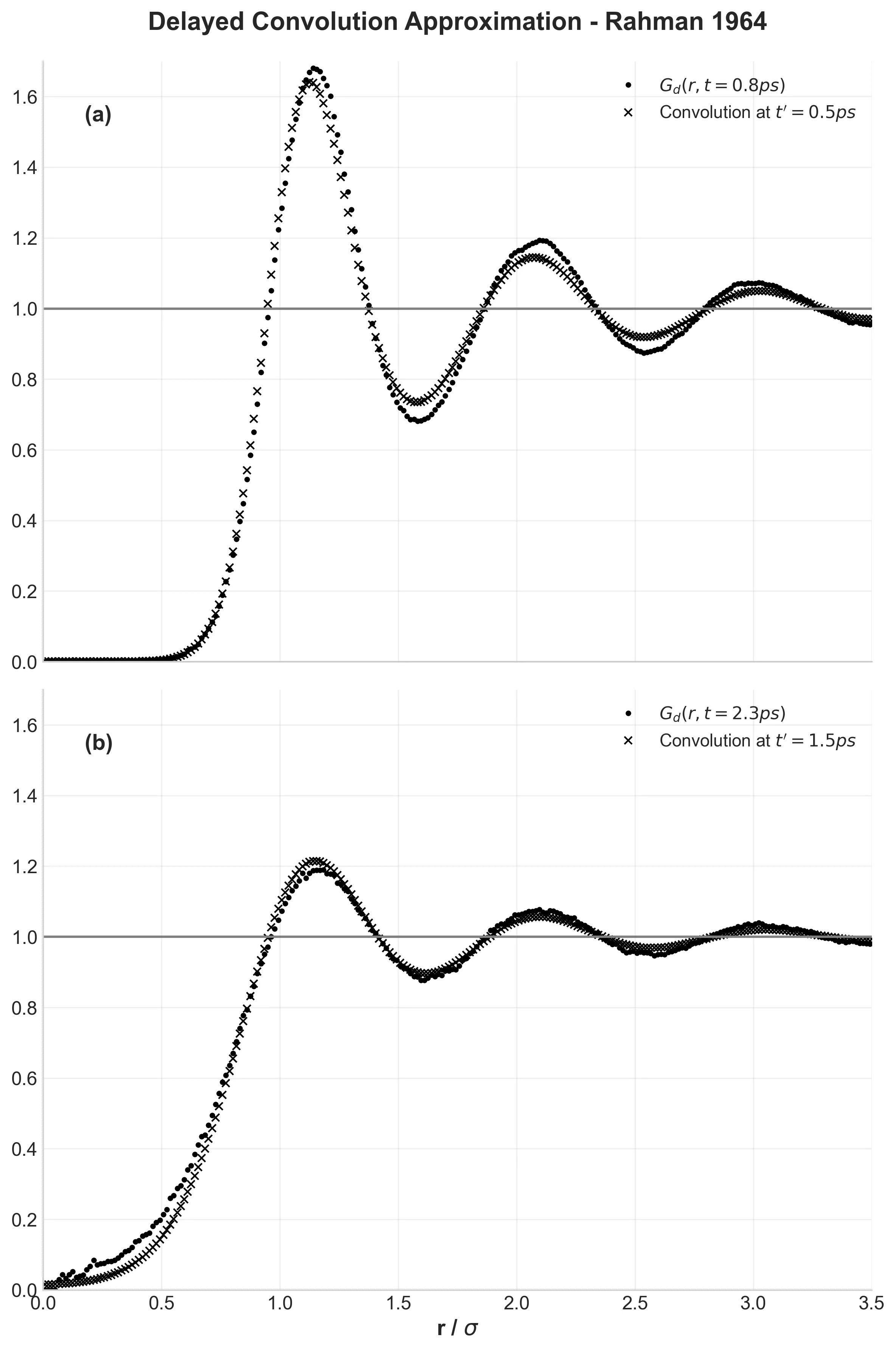
Delayed convolution approximation for distinct Van Hove function showing comparison between simulated data and theoretical model

Correlations in the Motion of Atoms in Liquid Argon

This work validated classical Molecular Dynamics for simulating liquids, revealing the ‘cage effect’ in velocity autocorrelation and establishing predictor-corrector integration algorithms for N-body problems.

Generative Modeling
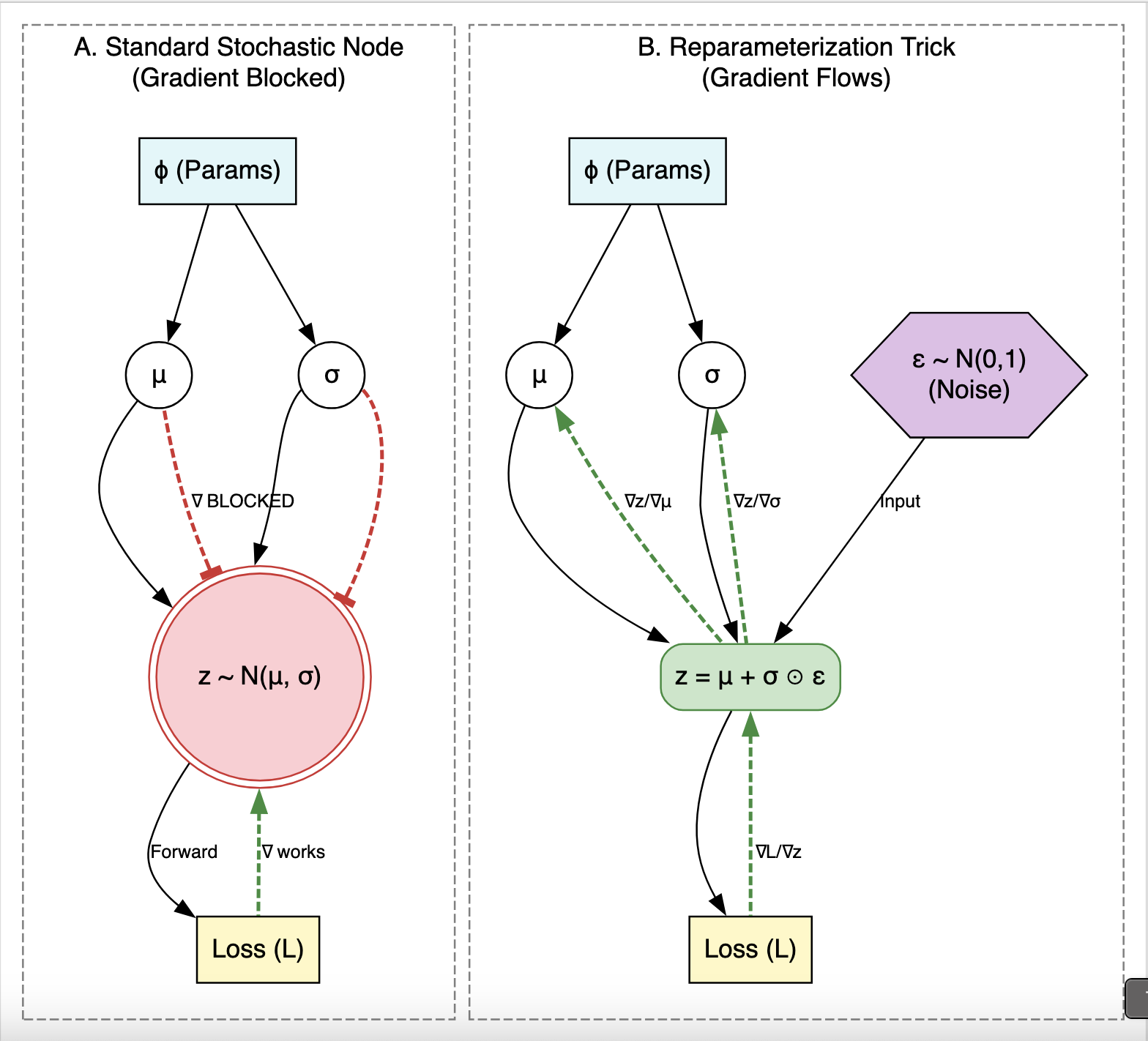
Diagram comparing standard stochastic sampling (gradient blocked) vs the reparameterization trick (gradient flows)

Auto-Encoding Variational Bayes: VAE Paper Summary

Kingma and Welling’s 2013 paper introducing Variational Autoencoders and the reparameterization trick, enabling end-to-end gradient-based training of generative models with continuous latent variables by moving the stochasticity outside the computational graph so that gradients can flow through a deterministic path.

Generative Modeling
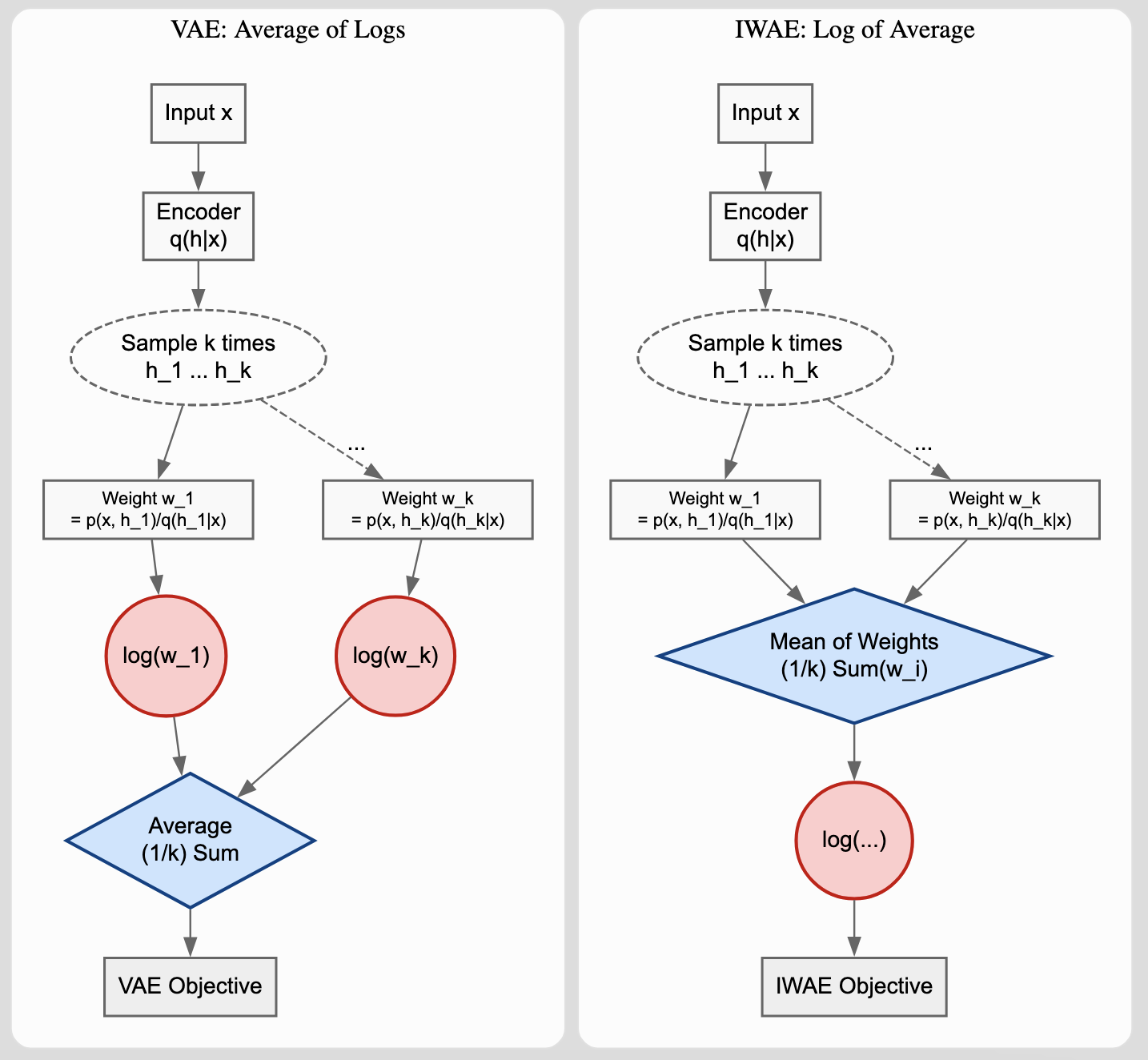
Flowchart comparing VAE and IWAE computation showing the key difference in where averaging occurs relative to the log operation

Importance Weighted Autoencoders (IWAE) for Tighter Bounds

Burda et al.’s ICLR 2016 paper introducing Importance Weighted Autoencoders, which use importance sampling to derive a strictly tighter log-likelihood lower bound than standard VAEs, addressing posterior collapse and improving generative quality. The model architecture remains the same.

Molecular Representations
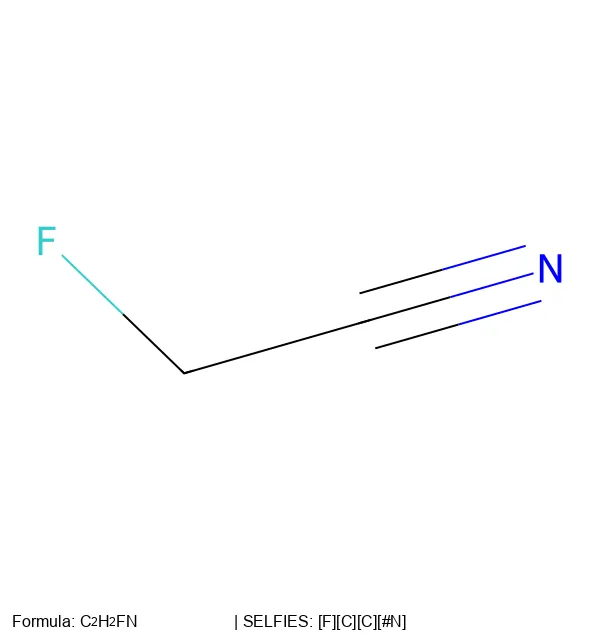
SELFIES molecular representation overview

SELFIES: The Original Paper on Robust Molecular Strings

The 2020 paper that introduced SELFIES: Mario Krenn and colleagues created a molecular representation that solves SMILES validity problems. It guarantees every generated string corresponds to a valid chemical structure.

Molecular Representations
Benzene molecular structure diagram

SMILES Notation: The Original Paper by Weininger (1988)

David Weininger introduced SMILES notation in 1988, establishing encoding rules for representing chemical structures as compact, human-readable strings.