Molecular Simulation
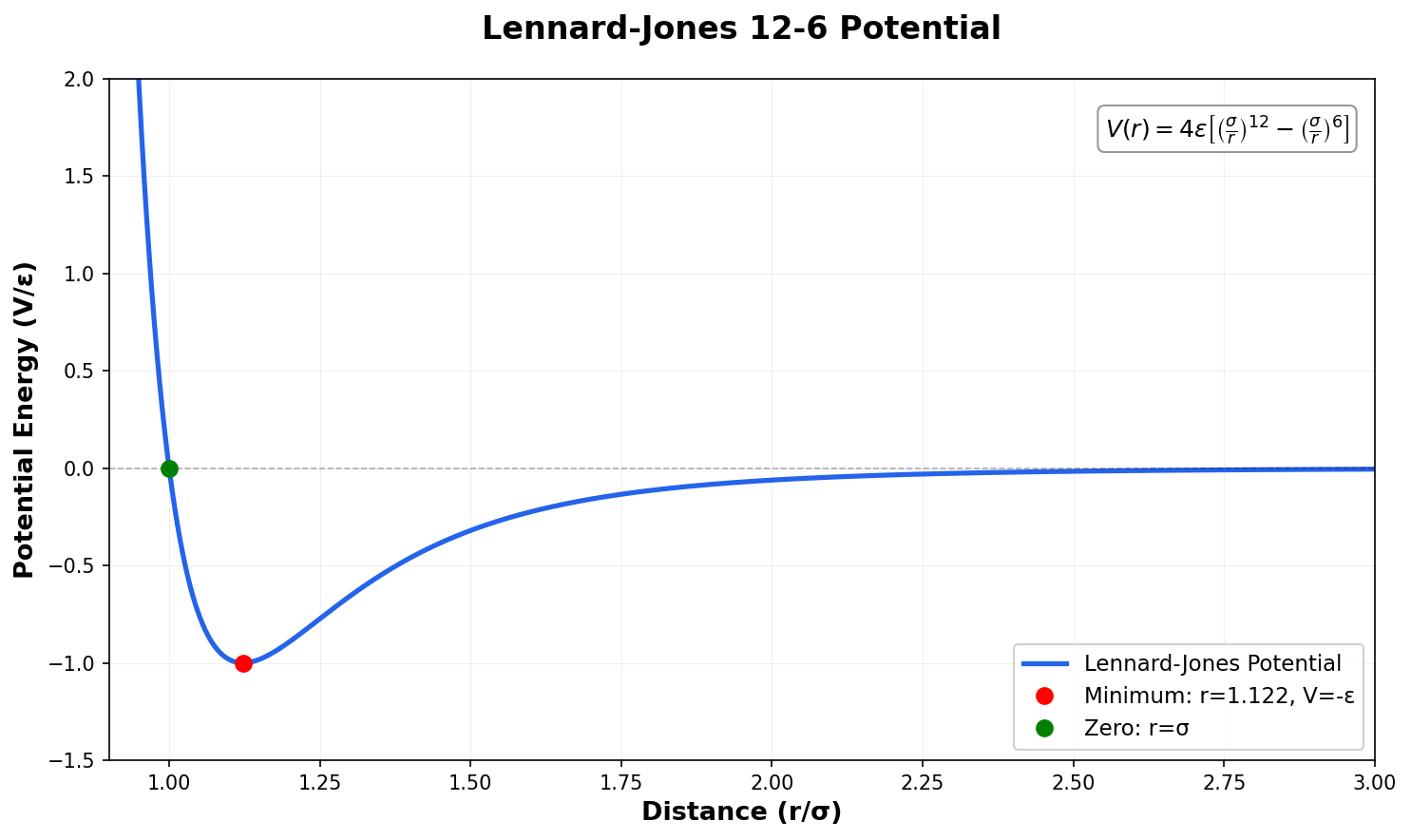
Graph of the Lennard-Jones 12-6 potential showing the characteristic attractive and repulsive forces

Dynamical Corrections to TST for Surface Diffusion

This paper bridges Molecular Dynamics and Transition State Theory by applying a dynamical corrections formalism to surface diffusion, identifying a low-temperature bounce-back mechanism causing non-Arrhenius behavior.
Molecular Simulation
Graph of the Lennard-Jones 12-6 potential showing the characteristic attractive and repulsive forces

Evans 1986: Thermal Conductivity of Lennard-Jones Fluid

This paper validates the homogeneous Evans method for calculating thermal conductivity against experimental Argon data. It demonstrates broad agreement across the phase diagram but identifies significant non-monotonic behavior and enhanced long-time tails near the critical point.

Optical Chemical Structure Recognition
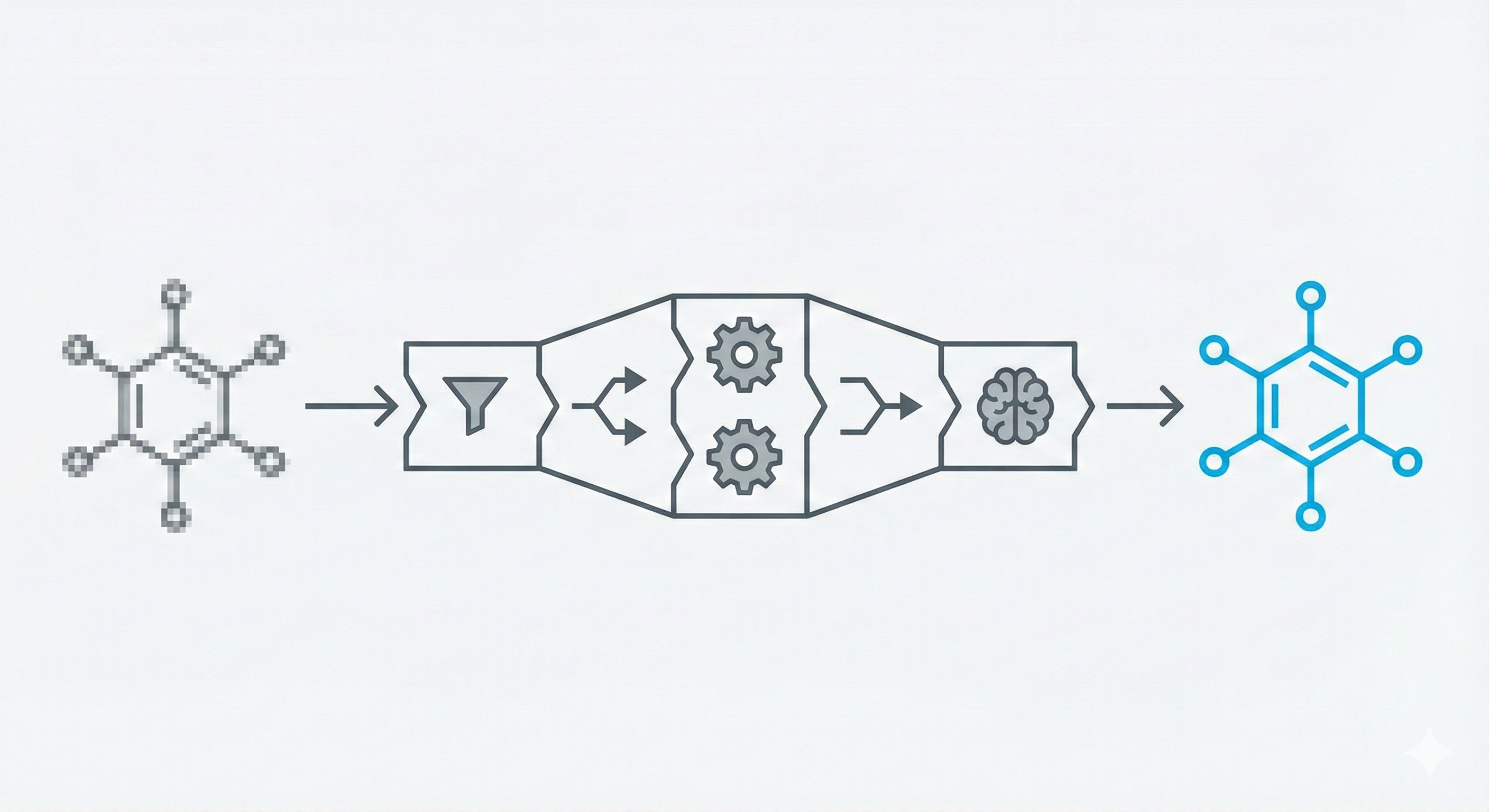
Early OCR pipeline for converting chemical structure images into connectivity tables using sweeping algorithms and feature extraction

Graph Perception for Chemical Structure OCR

This 1990 paper presents an early OCR pipeline for converting hand-drawn or printed chemical structures into connectivity tables. It introduces novel sweeping algorithms for graph perception and a matrix-based feature extraction method for character recognition.

Optical Chemical Structure Recognition

Hand-Drawn Chemical Diagram Recognition (AAAI 2007)

An early method paper (AAAI ‘07) proposing a multi-stage sketch recognition pipeline. It introduces a domain verification step that uses chemical rules to refine ink parsing, achieving a 27% error reduction over geometric-only baselines.

Optical Chemical Structure Recognition
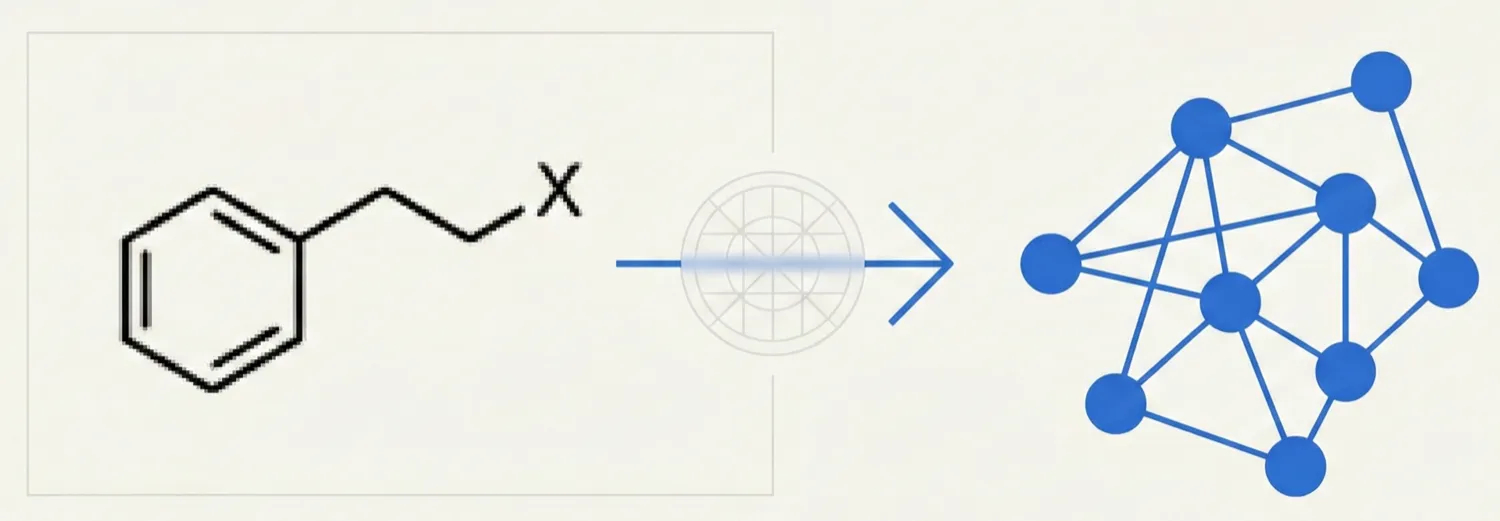
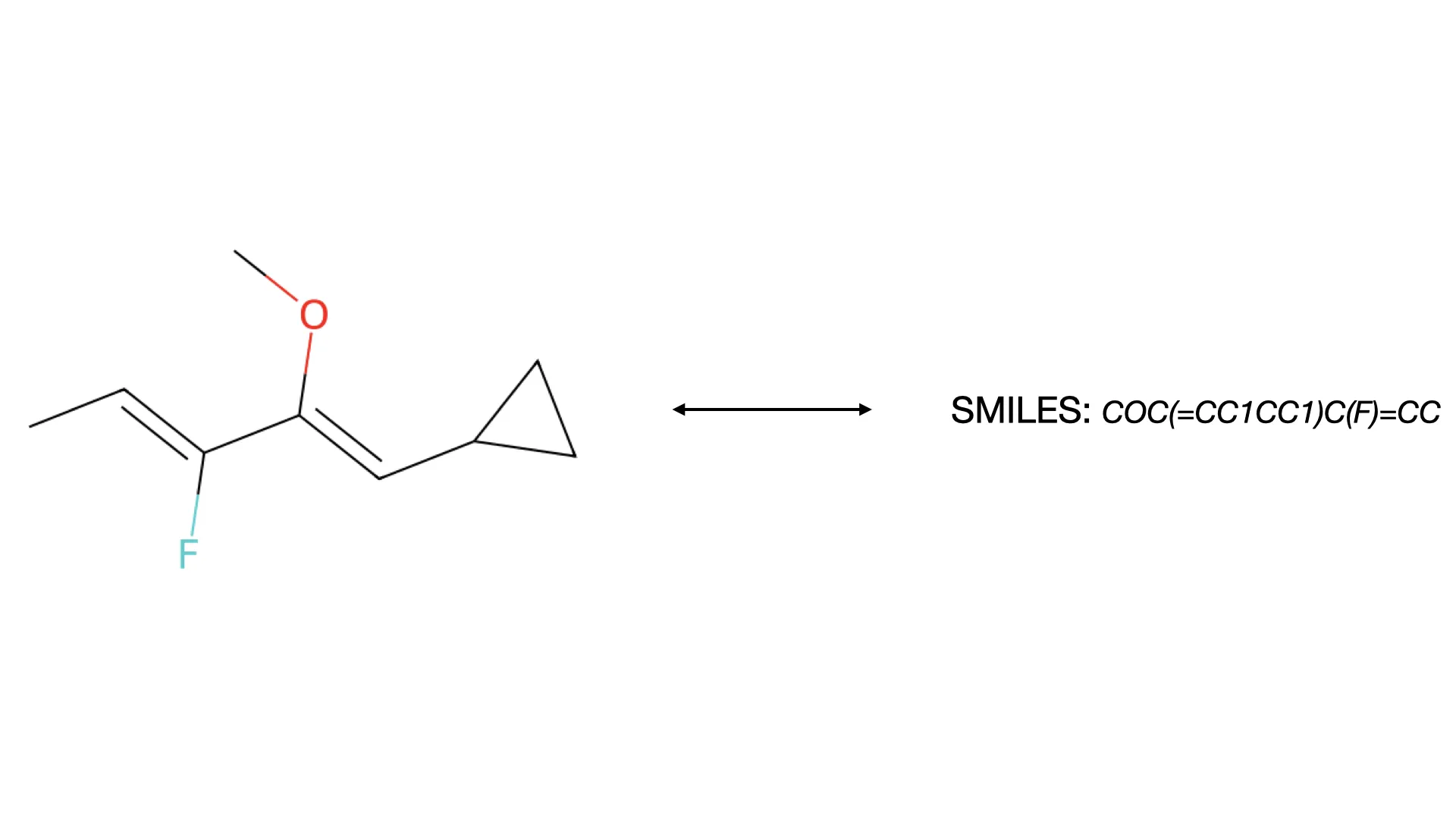
Optical chemical structure recognition example

IMG2SMI: Translating Molecular Structure Images to SMILES

A 2021 image-to-text approach treating OCSR as an image captioning task. It uses Transformers with SELFIES representation to convert molecular structure diagrams into SMILES strings, enabling extraction of visual chemical knowledge from scientific literature.

Optical Chemical Structure Recognition

Kekulé: OCR-Optical Chemical Recognition

This 1992 paper introduces Kekulé, one of the first complete Optical Chemical Structure Recognition (OCSR) systems. It details a pipeline integrating raster-to-vector conversion, neural network-based OCR, and rule-based logic to convert printed chemical diagrams into connection tables.

Machine Learning
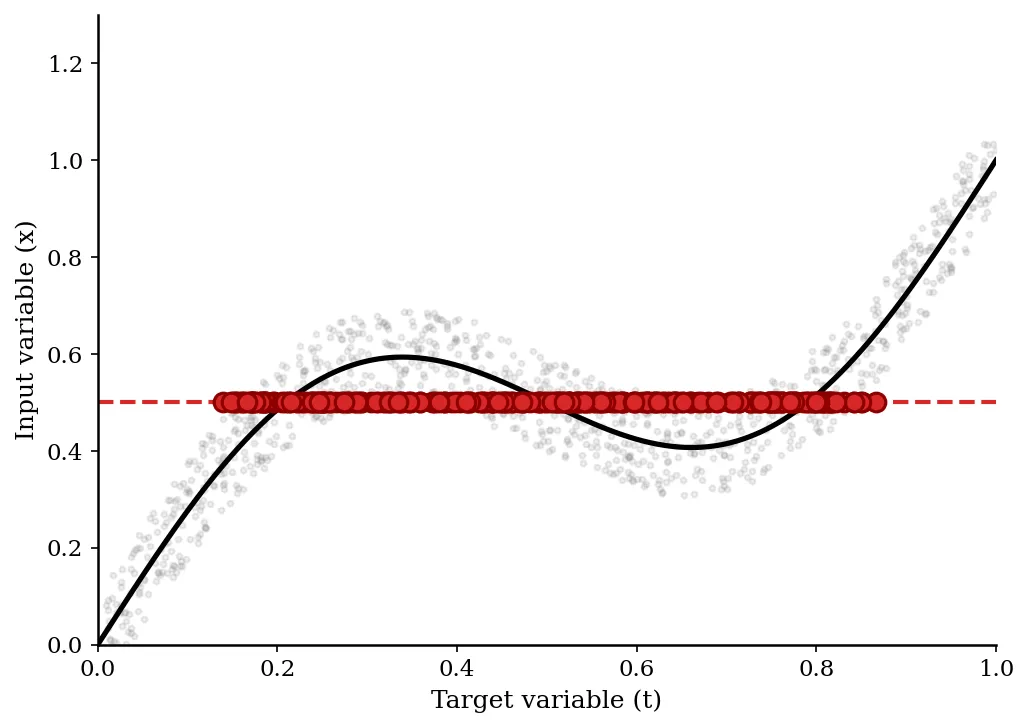
Visualization of inverse problem showing one input mapping to multiple valid outputs

Mixture Density Networks: Modeling Multimodal Distributions

A 1994 paper identifying why standard least-squares networks fail at inverse problems (multi-valued mappings). It introduces the Mixture Density Network (MDN), which predicts the parameters of a Gaussian Mixture Model to capture the full conditional probability density.

Optical Chemical Structure Recognition
Early optical recognition system converts scanned chemical diagrams to connection tables

Optical Recognition of Chemical Graphics

This paper describes an early prototype system that digitizes chemical structure diagrams from scanned documents. It employs a multi-stage pipeline involving convex bounding polygon extraction, vectorization, and rule-based heuristics to generate MDL Molfiles.

Molecular Simulation
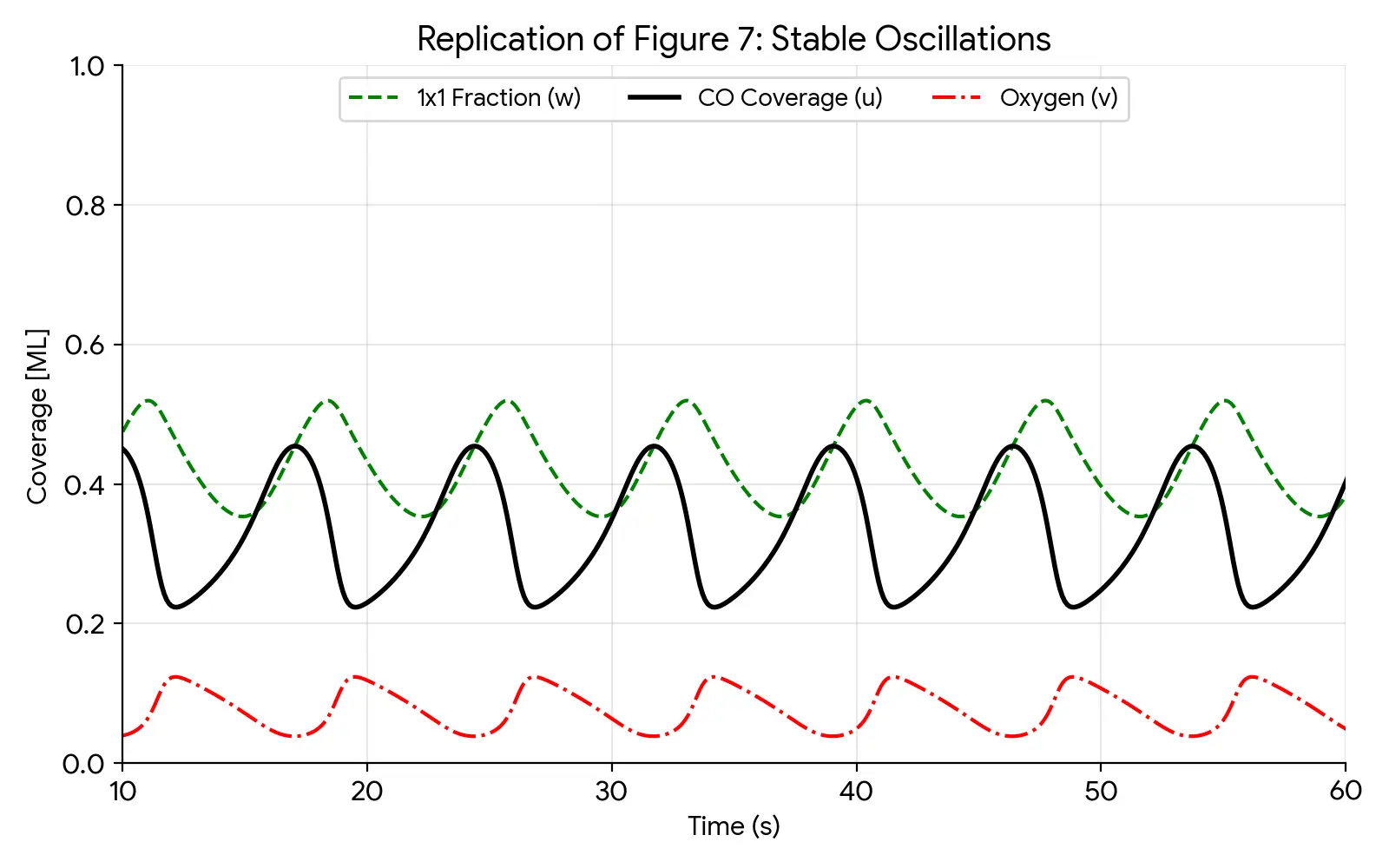
Replication of Figure 7 showing stable oscillations in CO oxidation on Pt(110)

Oscillatory CO Oxidation on Pt(110): Temporal Modeling

This paper presents a 4-variable kinetic model coupling surface reaction dynamics with structural phase transitions to reproduce complex oscillatory behavior on Pt(110).

Computational Social Science
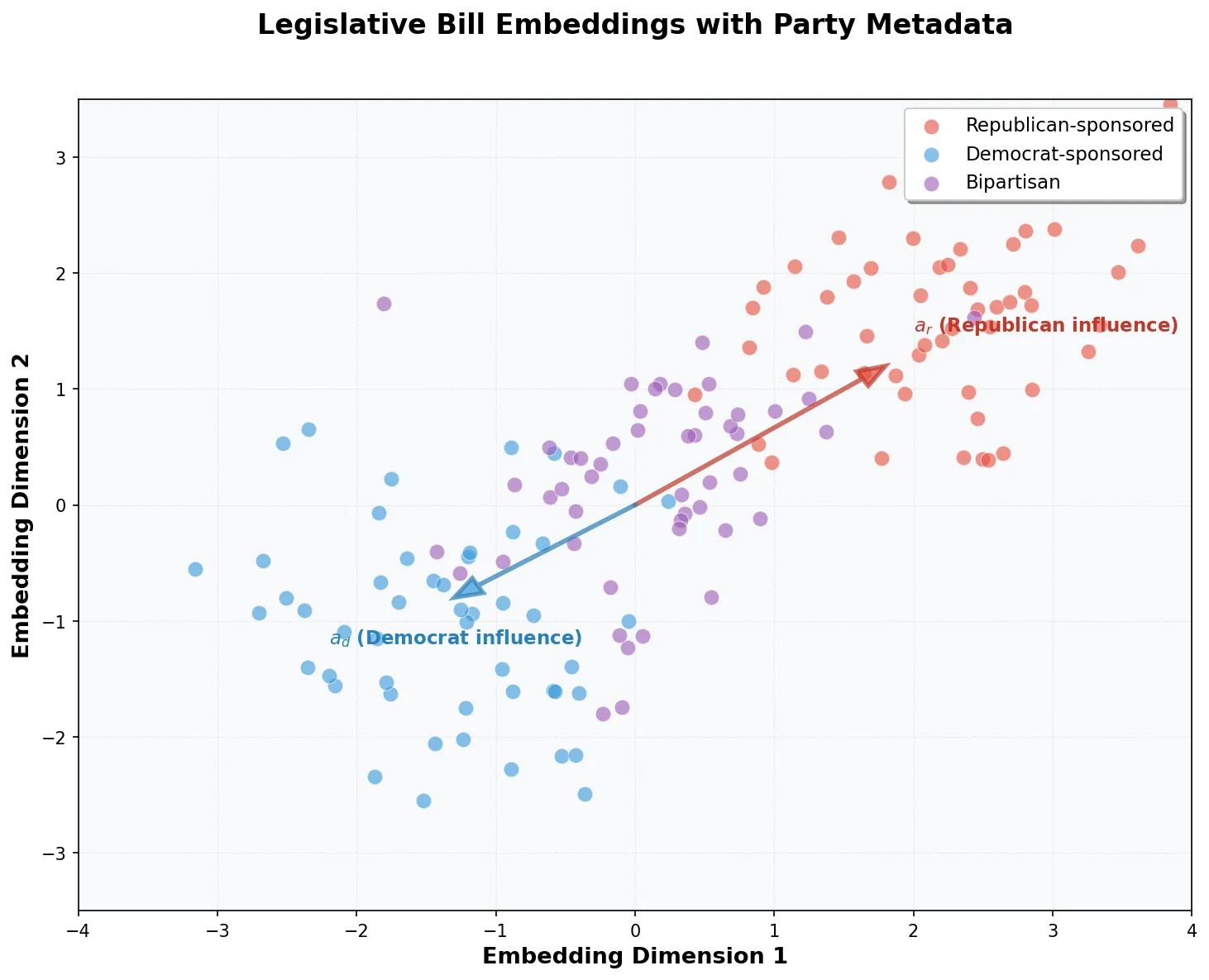
Visualization of party-based legislative embeddings

Party Matters: Enhancing Legislative Vote Embeddings

This paper introduces a neural architecture that combines bill text embeddings (CNN/MWE) with sponsor ideology metadata to improve vote prediction accuracy, particularly in out-of-session contexts where political dynamics shift.

Optical Chemical Structure Recognition
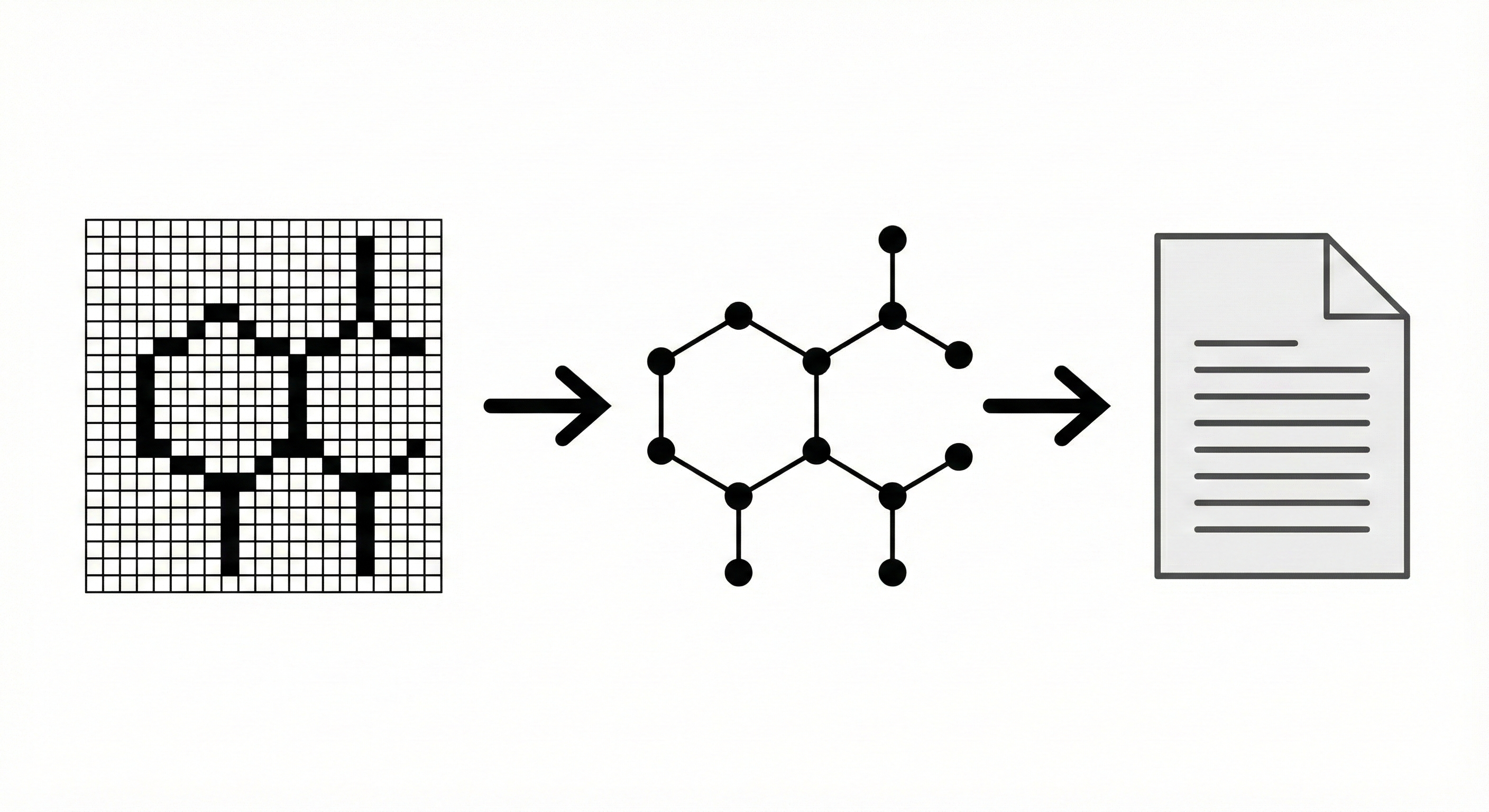
Five-stage pipeline for reconstructing chemical molecules from raster images

Reconstruction of Chemical Molecules from Images

This methodological paper proposes a comprehensive pipeline to digitize chemical structure images. It achieves 97% reconstruction accuracy on benchmarks by combining a topology-preserving vectorizer with a chemical knowledge validation module.

Scientific Computing
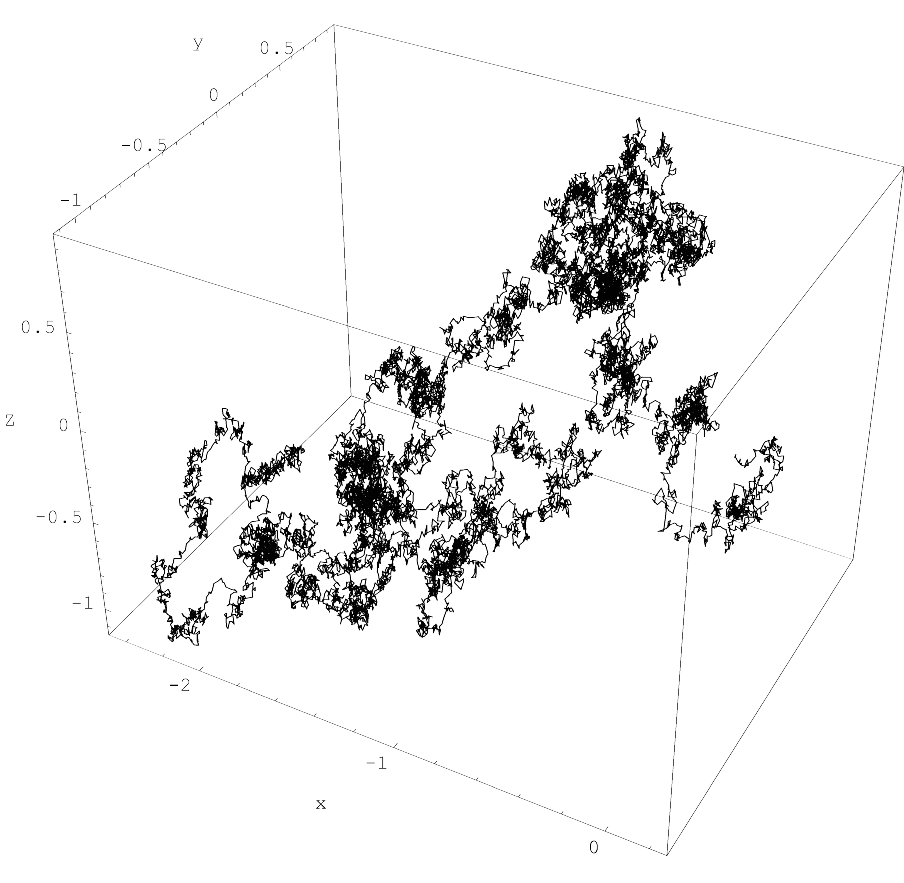
Three-dimensional Brownian motion trajectory showing random walk behavior

Second-Order Langevin Equation for Field Simulations

Proposes the Hyperbolic Algorithm for Euclidean field theory simulations. By adding a second-order fictitious time derivative to the Langevin equation, the method reduces systematic errors from O(ε) down to O(ε²).