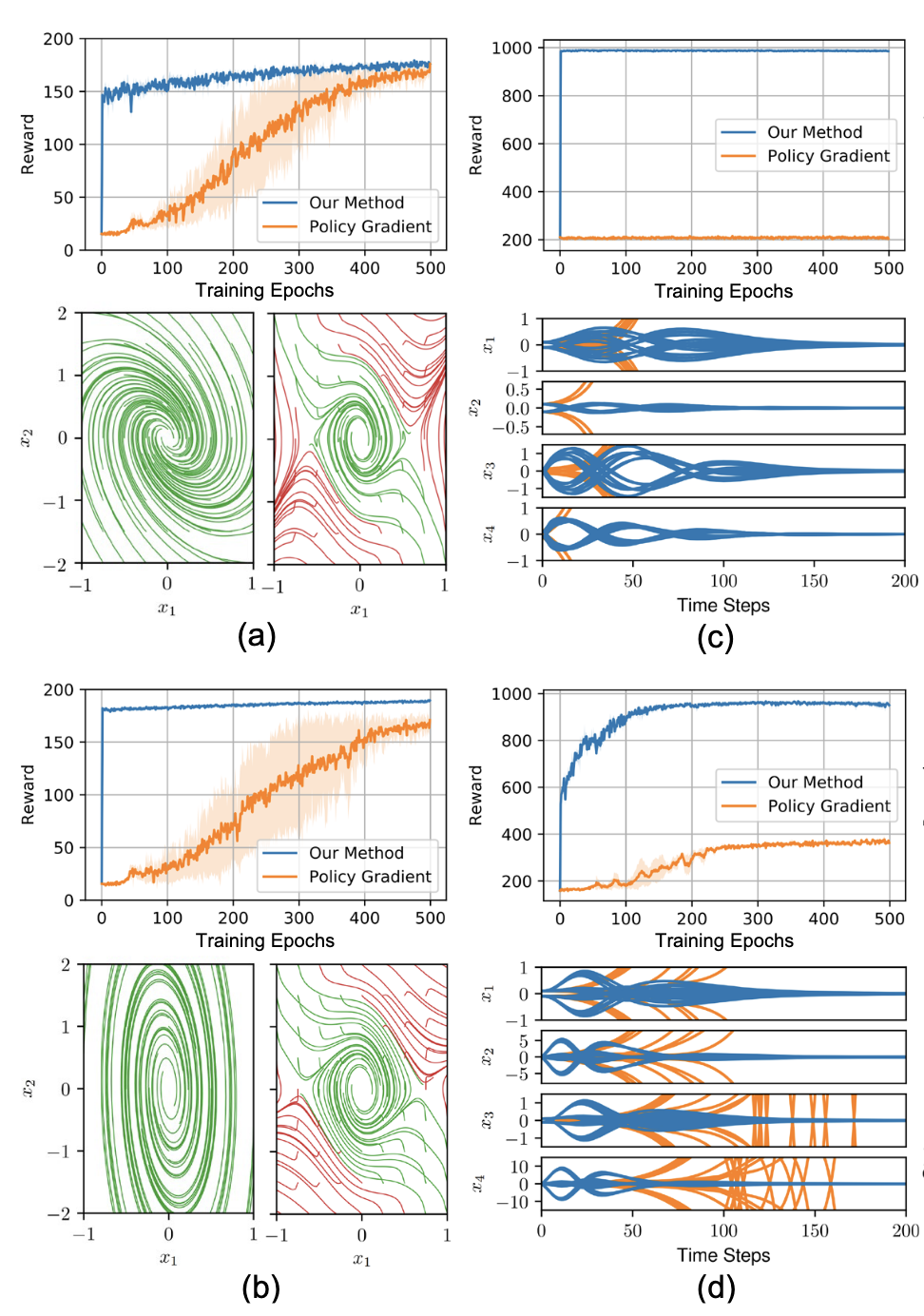
IQCRNN: Certified Stability for Neural Networks
A PyTorch implementation enforcing Lyapunov stability on RNN controllers, solving a semidefinite program inside the training loop to certify safety.
A PyTorch implementation enforcing Lyapunov stability on RNN controllers, solving a semidefinite program inside the training loop to certify safety.
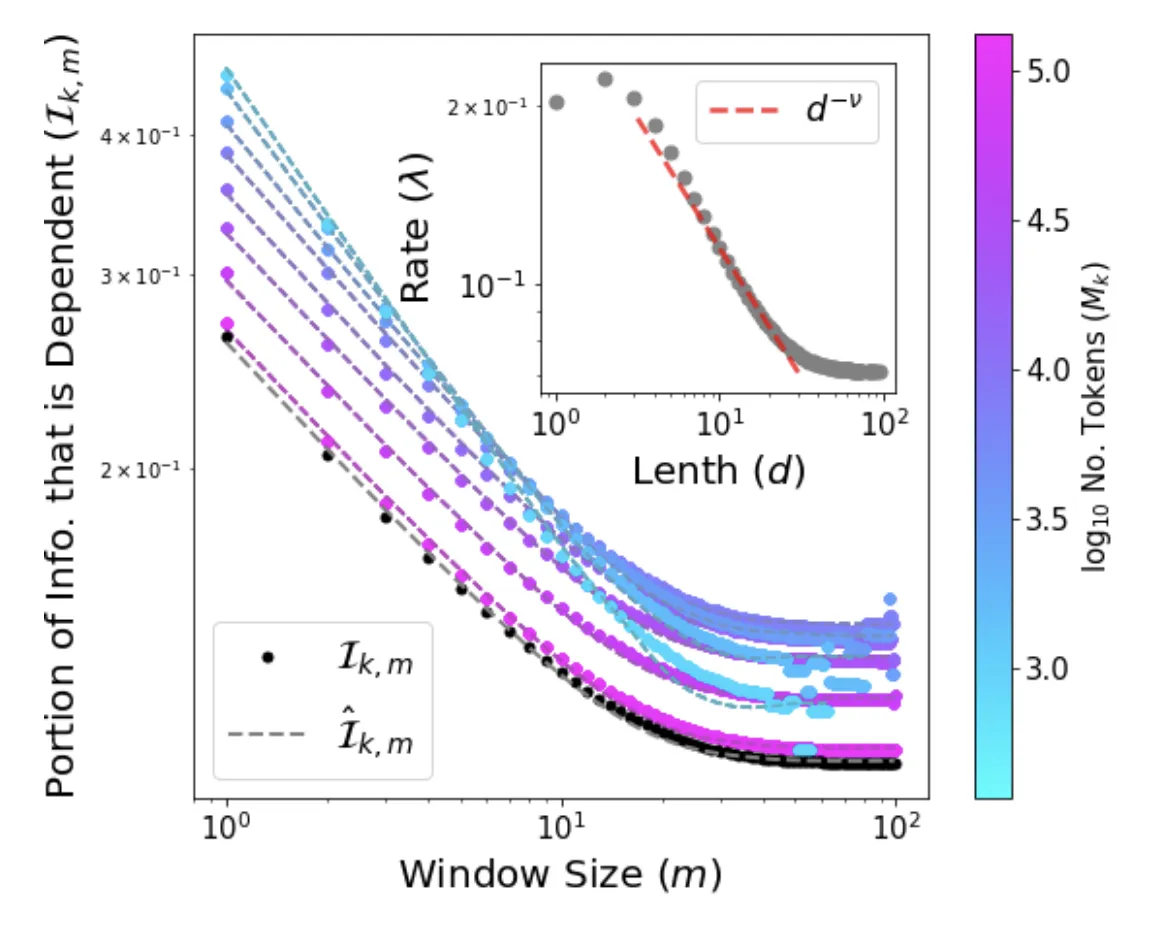
We provide the first known analytical solution to Word2Vec’s softmax skip-gram objective, introducing the Independent Frequencies Model and deriving a low-cost, training-free method for measuring semantic bias directly from corpus statistics.
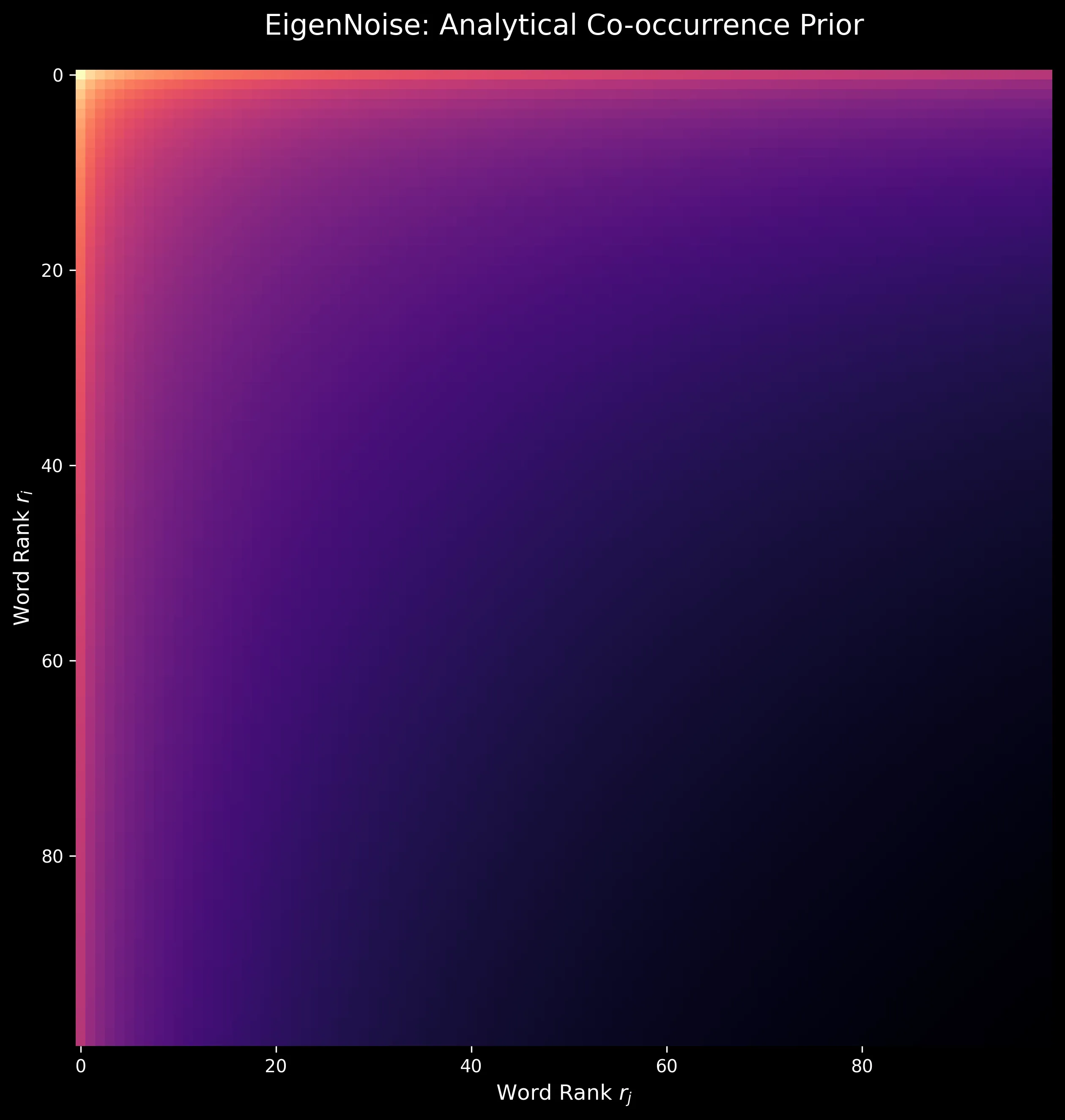
We develop EigenNoise, a zero-data initialization method for word vectors that synthesizes representations from Zipf’s Law alone, demonstrating competitive performance to GloVe after fine-tuning without requiring any pre-training corpus.
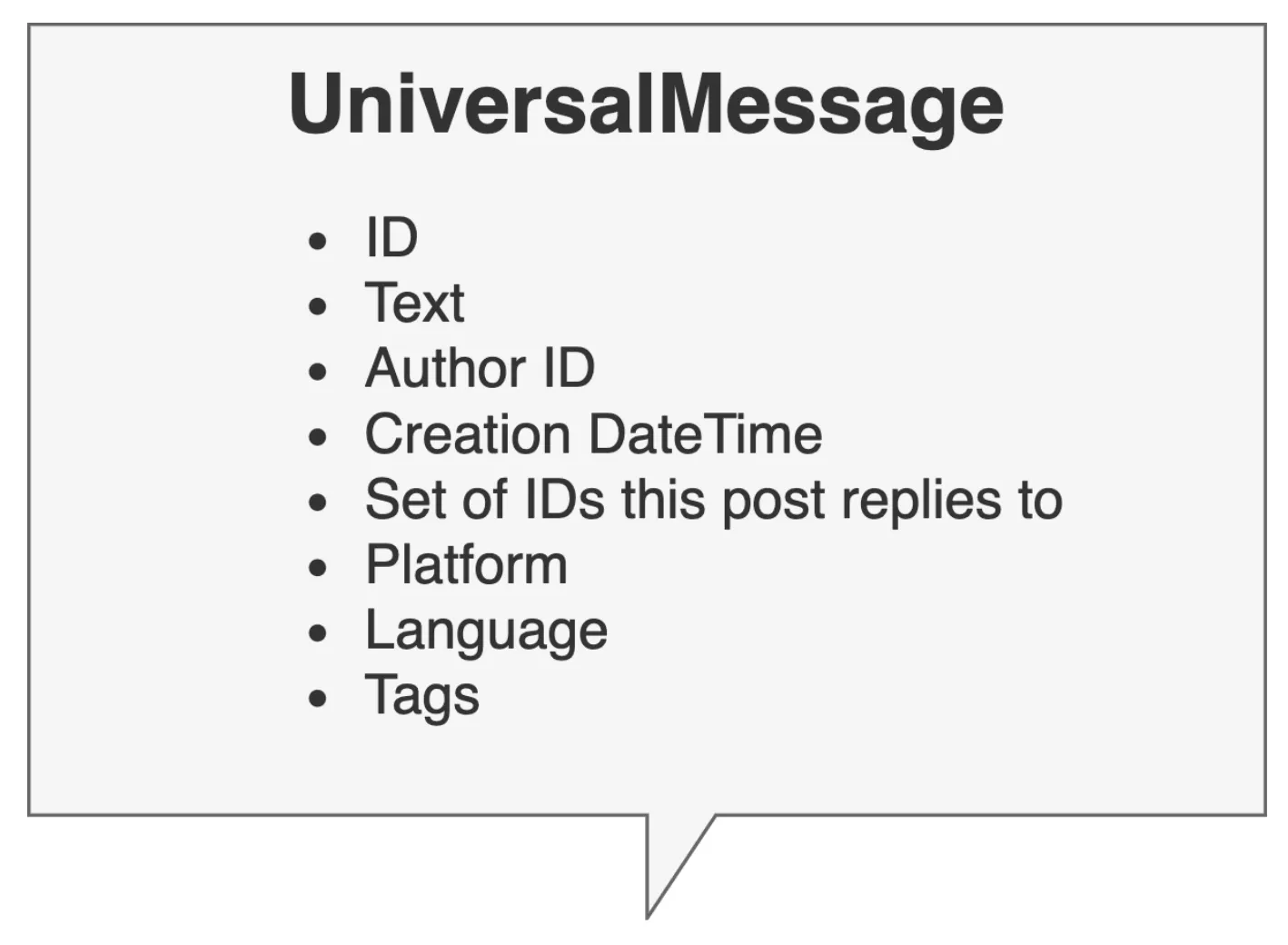
Bachelor’s thesis introducing PyConversations, an open-source library that normalizes over 308 million posts from Twitter, Reddit, Facebook, and 4chan into a unified data model for cross-platform social media research.

We demonstrate that universal adversarial triggers can control both the topic and stance of GPT-2’s generated text, revealing security vulnerabilities in deployed language models and proposing constructive applications for bias auditing.

Key dimensions that have helped me understand multi-arm bandit problems: action space, problem structure, external information, reward mechanism, and learner feedback.
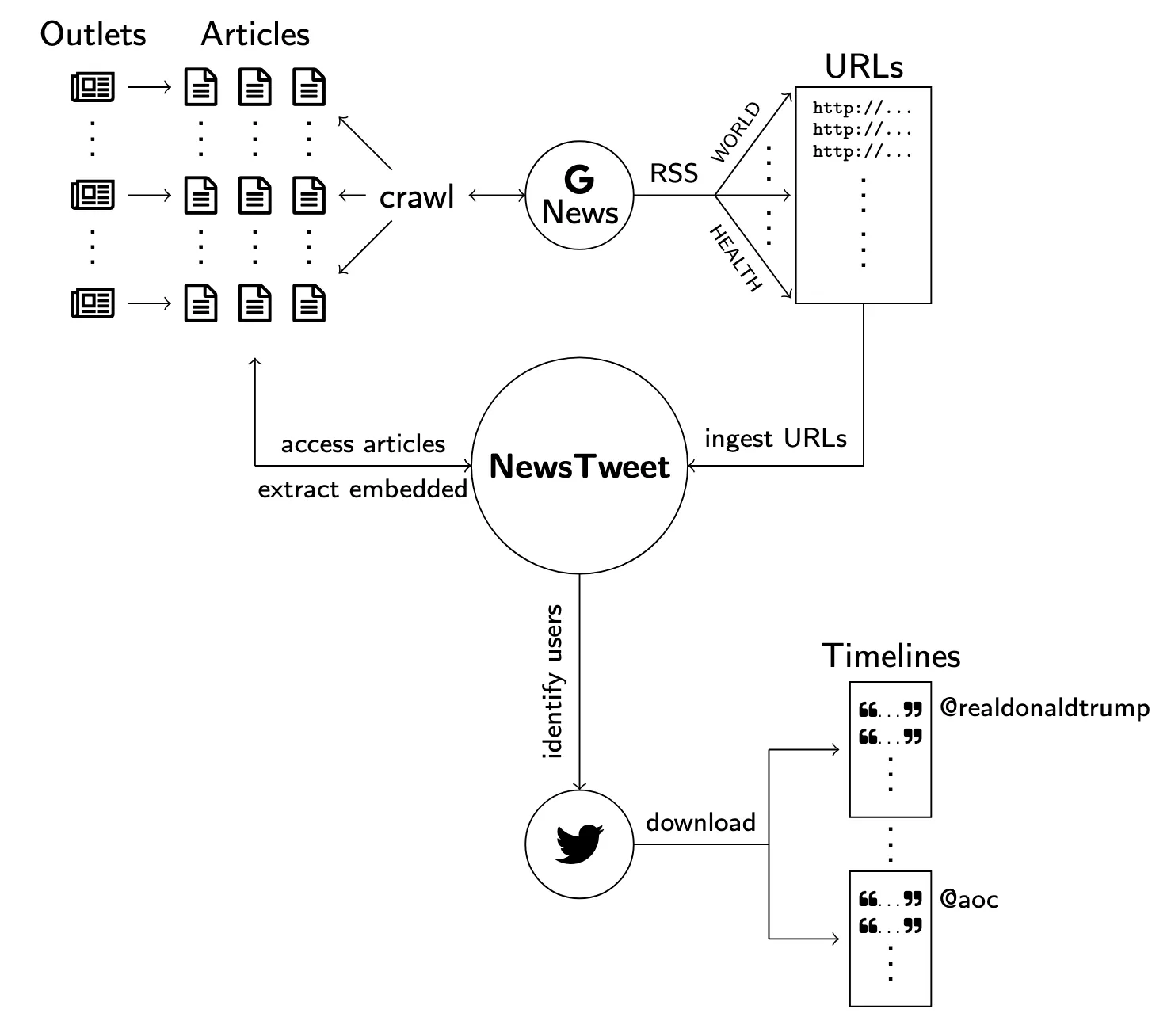
We introduce NewsTweet, a dataset and pipeline for studying embedded tweets in digital journalism, revealing that 13% of Google News articles incorporate tweets and providing insights into how social media becomes newsworthy.
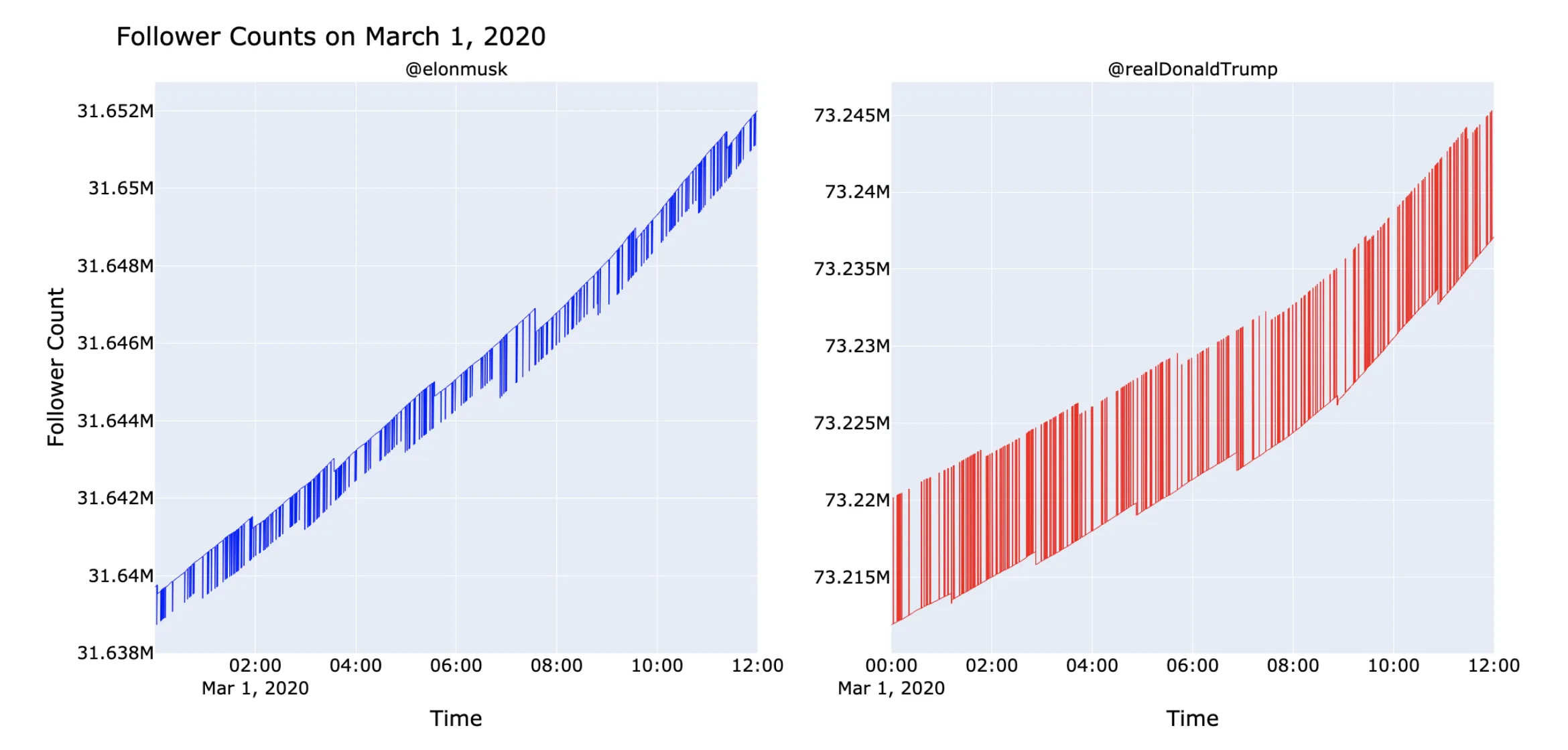
We developed high-frequency monitoring tools to detect coordinated manipulation on Twitter, documenting anomalous follower patterns including sub-second spikes, sawtooth waves, circulating accounts, and dormant pre-2010 accounts resurfacing in bulk on high-profile political accounts.
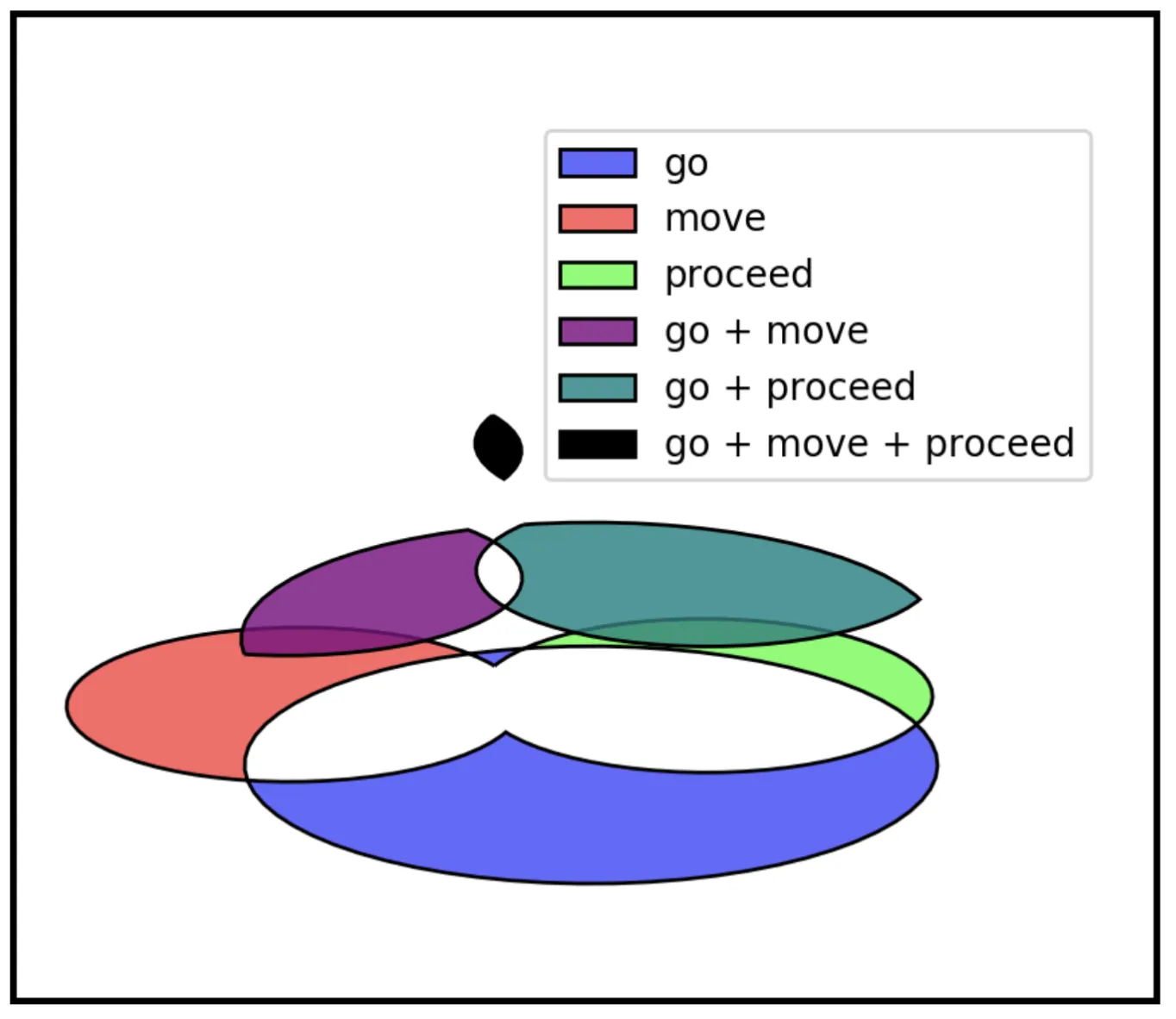
We present an unsupervised algorithm for inducing semantic networks from Wiktionary’s crowd-sourced data, creating a WordNet-like resource more than 5x larger than Princeton WordNet with over 344,000 linked example sentences.
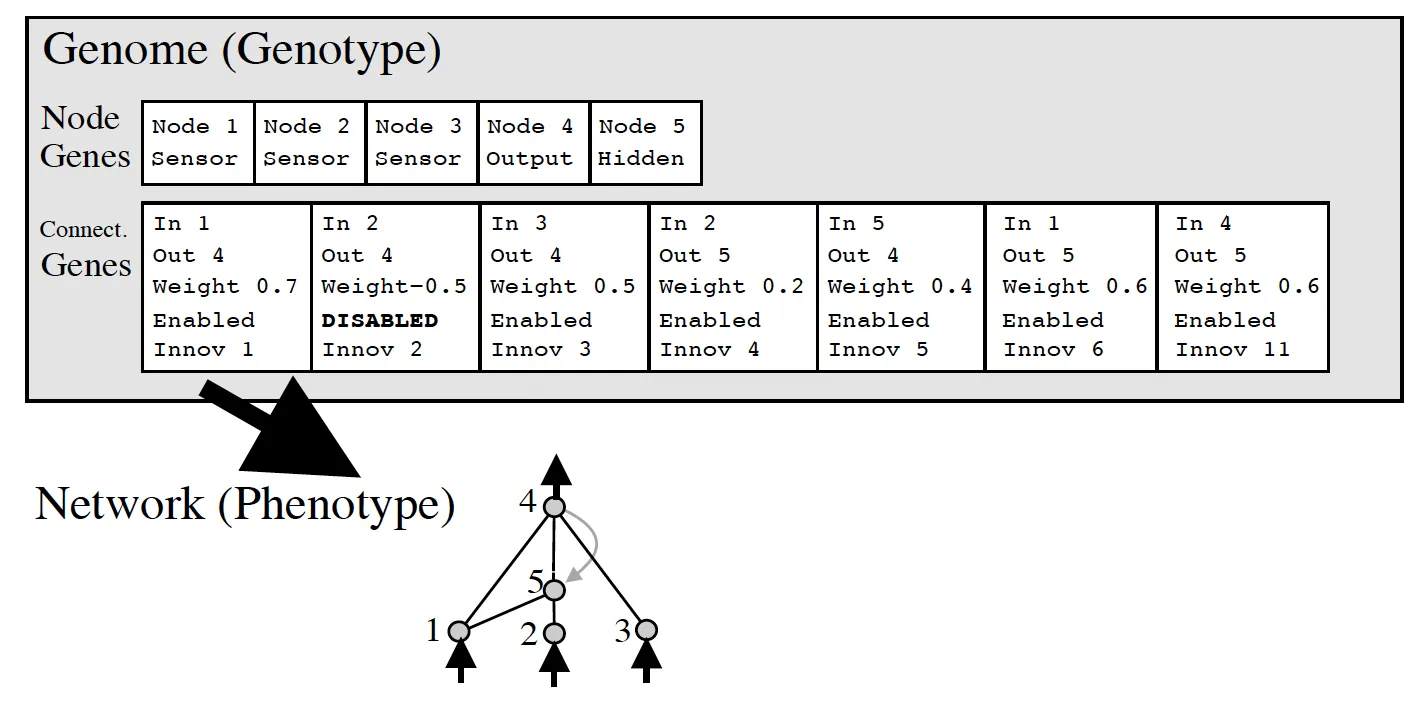
Discover how NEAT and HyperNEAT changed neuroevolution by automatically designing neural network architectures and scaling them through geometric patterns.
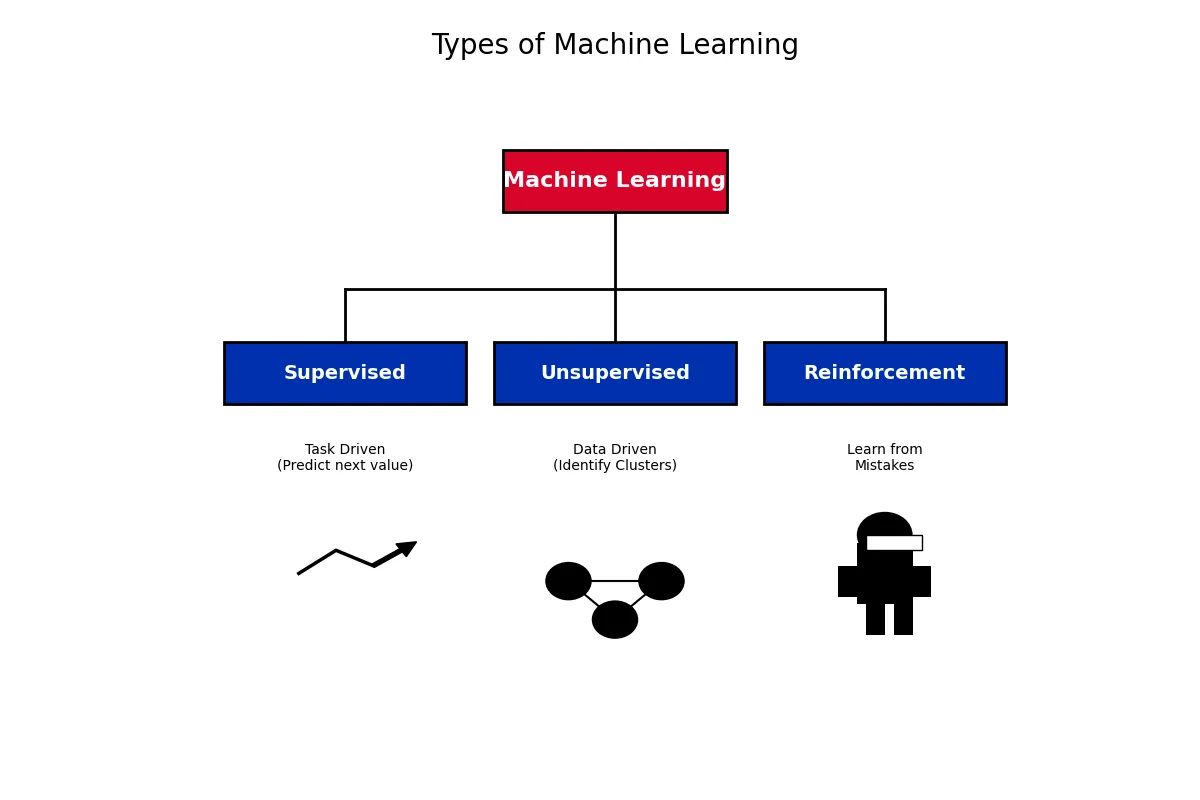
Understand the pattern recognition behind Netflix recommendations, email spam filters, and game-playing AI through three core machine learning approaches.
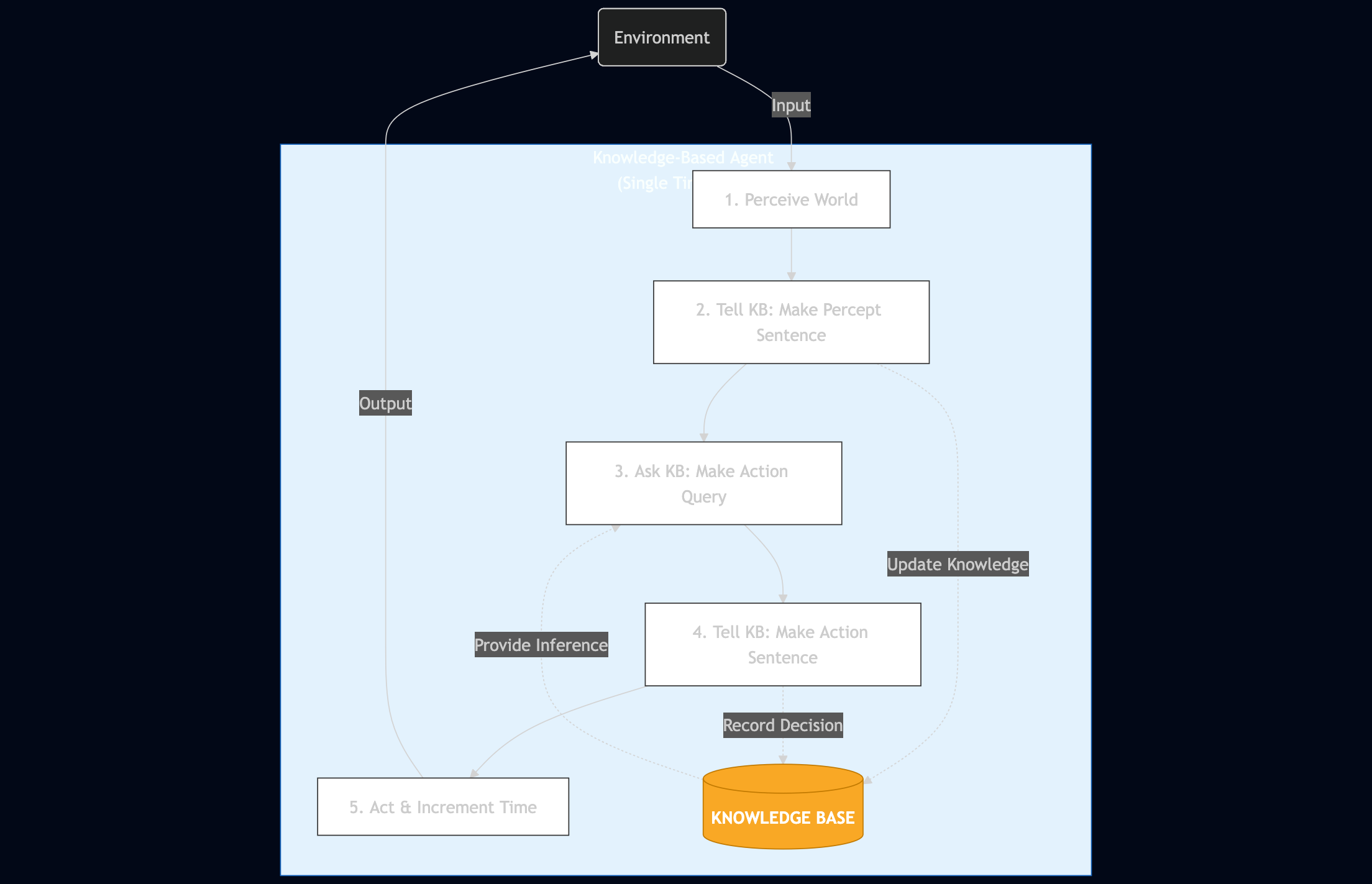
Explore the building blocks of classic AI reasoning, from knowledge bases and logic to how systems draw new conclusions from existing knowledge.