Hunter Heidenreich | ML Research Scientist — Page 30

Molecular Simulation
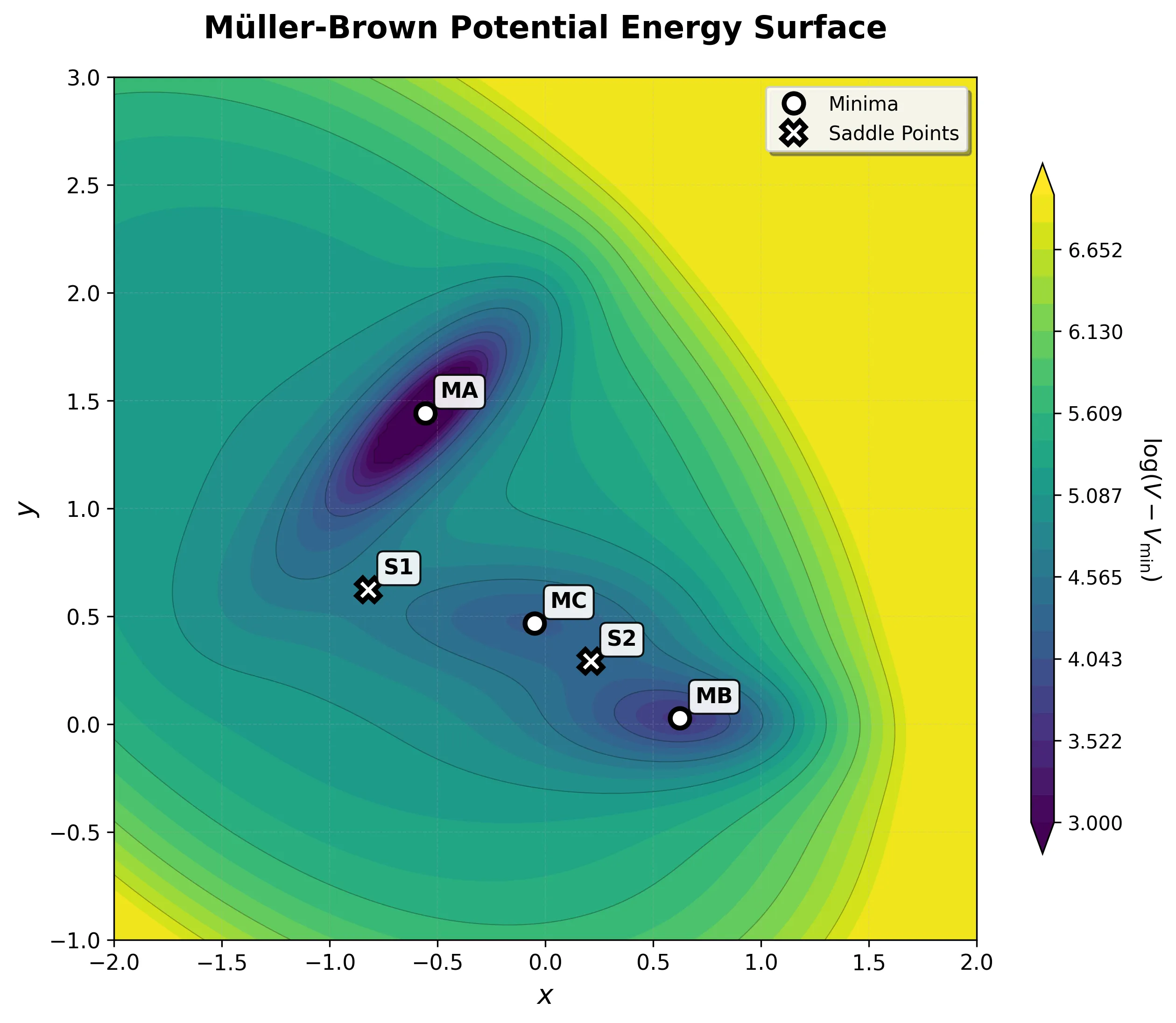
Müller-Brown Potential Energy Surface showing the three minima and two saddle points

Implementing the Müller-Brown Potential in PyTorch

Step-by-step implementation of the classic Müller-Brown potential in PyTorch, with performance comparisons between analytical and automatic differentiation approaches for molecular dynamics and machine learning applications.
Molecular Simulation
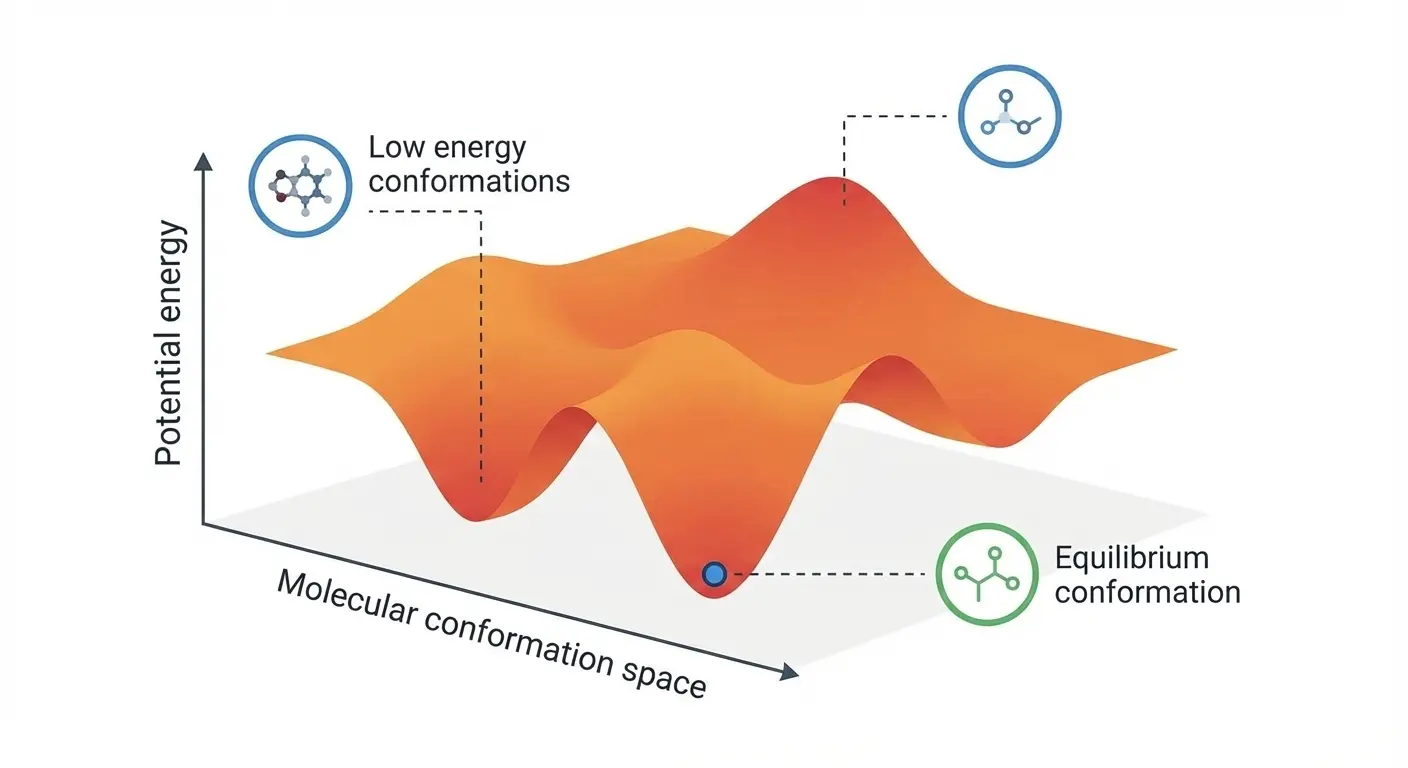
Müller-Brown Potential Energy Surface showing the three minima and two saddle points

Müller-Brown Potential: A PyTorch ML Testbed

A high-performance, GPU-accelerated PyTorch testbed for ML-MD algorithms featuring JIT-compiled analytical Jacobian force kernels achieving 3-10x speedup over autograd, robust Langevin dynamics with Velocity-Verlet integration, and modular architecture designed as ground-truth validation for novel machine learning approaches in molecular dynamics.

Molecular Simulation
Potential energy surface showing molecular conformation space with equilibrium and low energy conformations

DenoiseVAE: Adaptive Noise for Molecular Pre-training

ICLR 2025 paper introducing DenoiseVAE, which learns adaptive, atom-specific noise distributions through a VAE framework to improve denoising-based pre-training for molecular force field prediction, outperforming fixed Gaussian noise approaches on quantum chemistry benchmarks.

Molecular Simulation
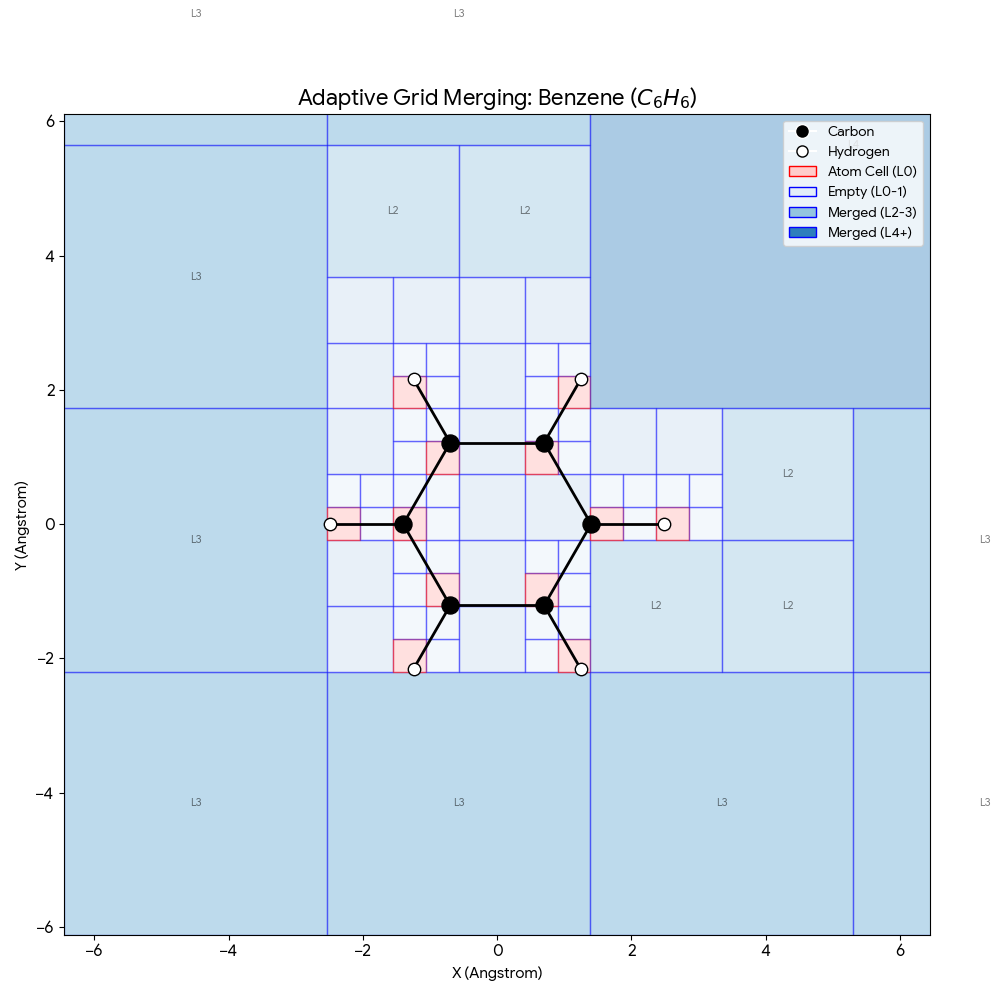
Adaptive grid merging visualization for benzene molecule showing multi-resolution spatial discretization

Beyond Atoms: 3D Space Modeling for Molecular Pretraining

ICML 2025 paper introducing SpaceFormer, a Transformer architecture that challenges the atom-centric paradigm by modeling the continuous 3D space surrounding molecules using adaptive multi-resolution grids, ranking first in 10 of 15 molecular property prediction tasks.

Molecular Simulation
A mathematical representation of a potential energy surface (PES)

Dark Side of Forces: Non-Conservative ML Force Models

ICML 2025 analysis rigorously quantifying when non-conservative force models (which predict forces directly) fail in molecular dynamics, demonstrating simulation instabilities and proposing hybrid architectures that capture speed benefits without sacrificing physical correctness.

Molecular Simulation
Spherical harmonics visualization

Efficient DFT Hamiltonian Prediction via Adaptive Sparsity

ICML 2025 methodological paper introducing SPHNet, which uses adaptive network sparsification to overcome the computational bottleneck of tensor products in SE(3)-equivariant networks, achieving up to 7x speedup and 75% memory reduction on DFT Hamiltonian prediction tasks.

Molecular Simulation
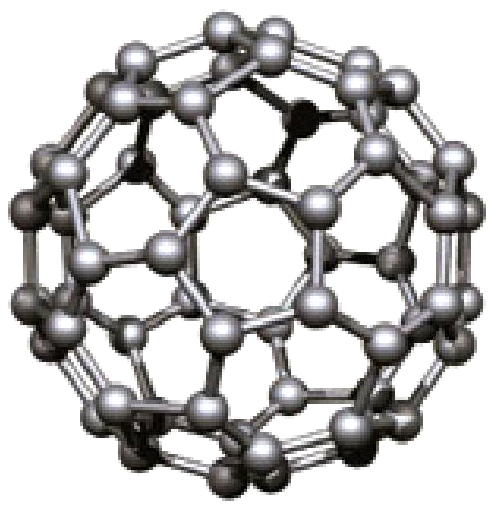
Atomic structure of a spherical fullerene

eSEN: Smooth Interatomic Potentials (ICML Spotlight)

ICML 2025 paper proposing energy conservation metrics as critical diagnostics for machine learning interatomic potentials and introducing eSEN, a novel architecture designed to bridge the gap between test-set accuracy and real simulation performance on materials property prediction.

Scientific Computing
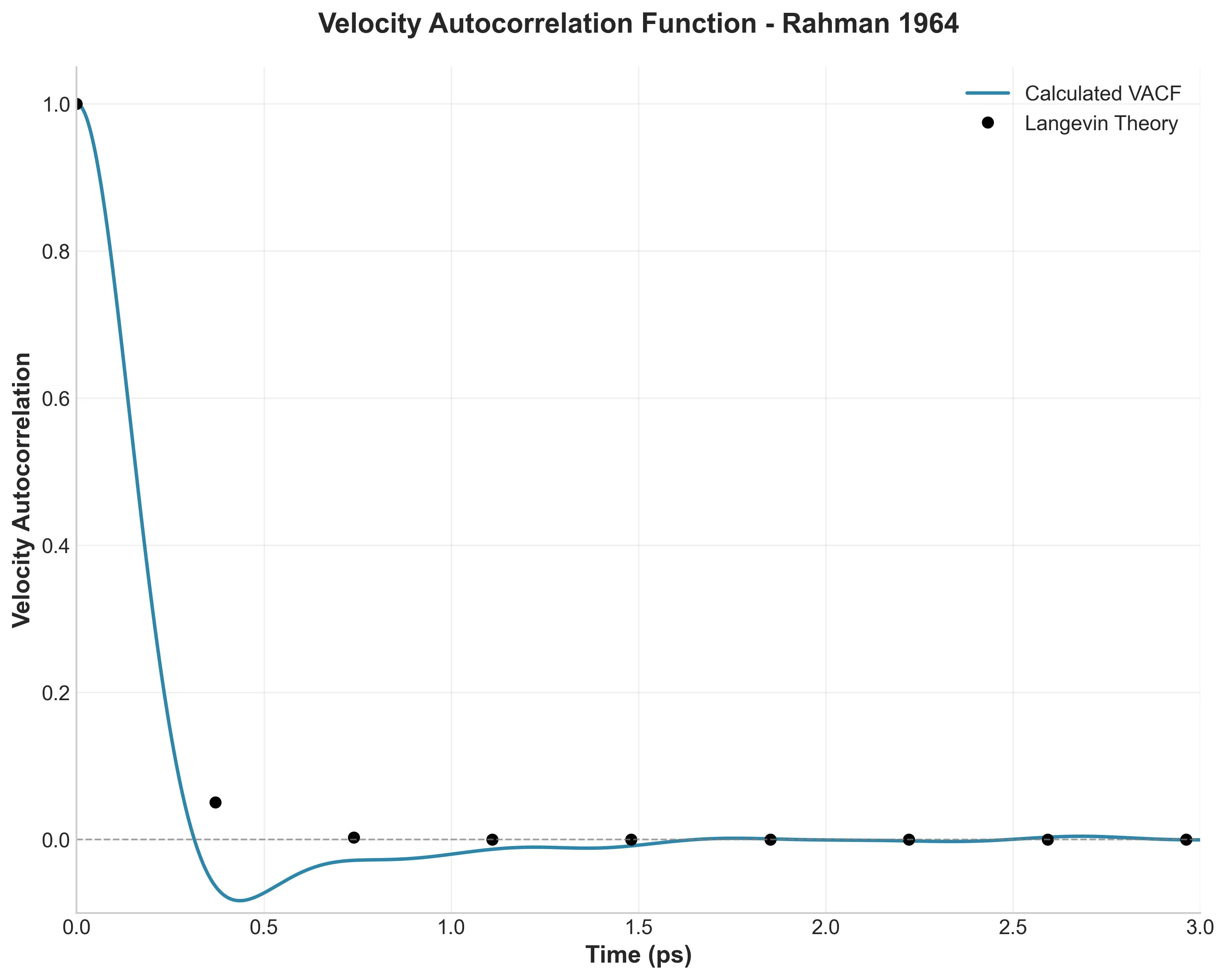
Velocity Autocorrelation Function showing the signature negative region characteristic of liquid dynamics and the cage effect discovered by Rahman

Modernizing Rahman''s 1964 Argon Simulation

A digital restoration of Rahman’s seminal 1964 molecular dynamics paper using LAMMPS and a production-grade Python analysis pipeline featuring intelligent decorator-based caching, fully vectorized NumPy computations for O(N^2) operations, and modern tooling (uv, type hints, Makefile automation) transforming academic scripts into reproducible research toolkit.

Scientific Computing
Velocity Autocorrelation Function showing the signature negative region characteristic of liquid dynamics

Modernizing Rahman's 1964 Argon Simulation

I replicated Rahman’s landmark 1964 liquid argon molecular dynamics simulation using modern tools, building a production-grade Python analysis pipeline with intelligent caching, vectorization, and type safety to bridge vintage science with contemporary software engineering.

Molecular Simulation
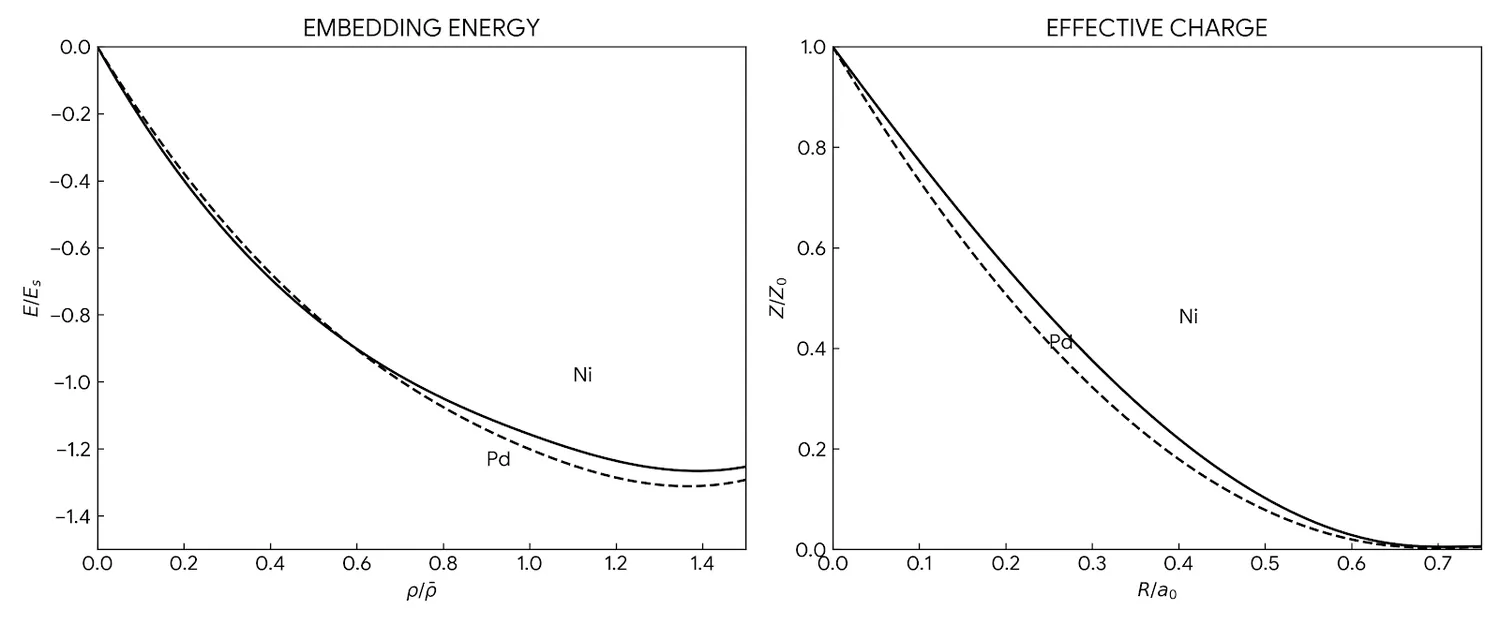
Embedding energy and effective charge functions for Ni and Pd from the original EAM paper

Embedded-Atom Method: Impurities and Defects in Metals

The foundational 1984 paper introducing EAM, a semi-empirical many-body interatomic potential that incorporates density functional theory concepts to accurately simulate metallic systems while maintaining computational efficiency comparable to pair potentials.

Molecular Simulation
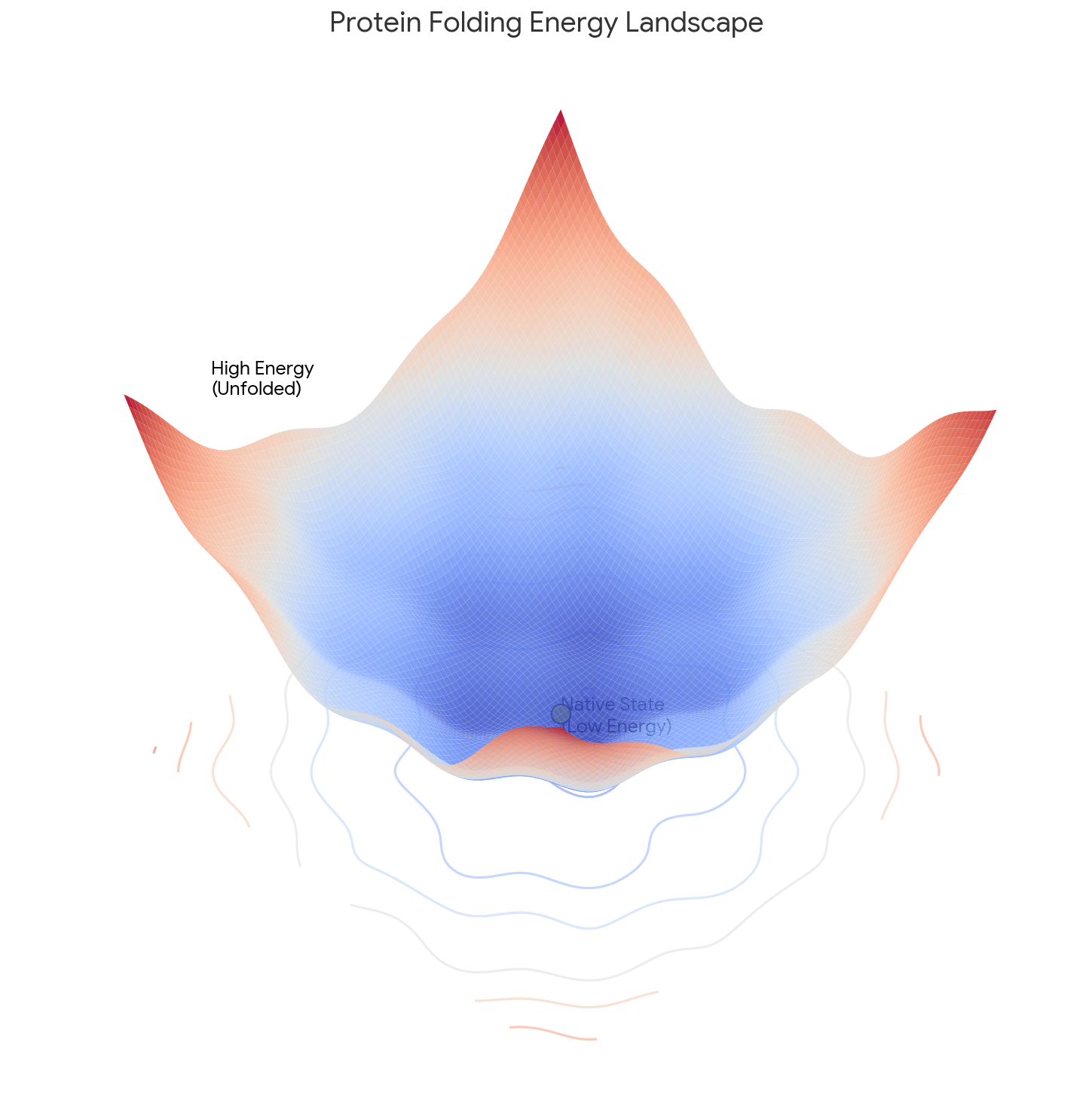
Protein folding funnel diagram illustrating energy landscape

Umbrella Sampling: Monte Carlo Free-Energy Estimation

Torrie and Valleau’s 1977 paper introducing importance sampling with non-physical distributions to overcome the sampling gap problem in Monte Carlo free-energy calculations, particularly for phase transitions.

Generative Modeling
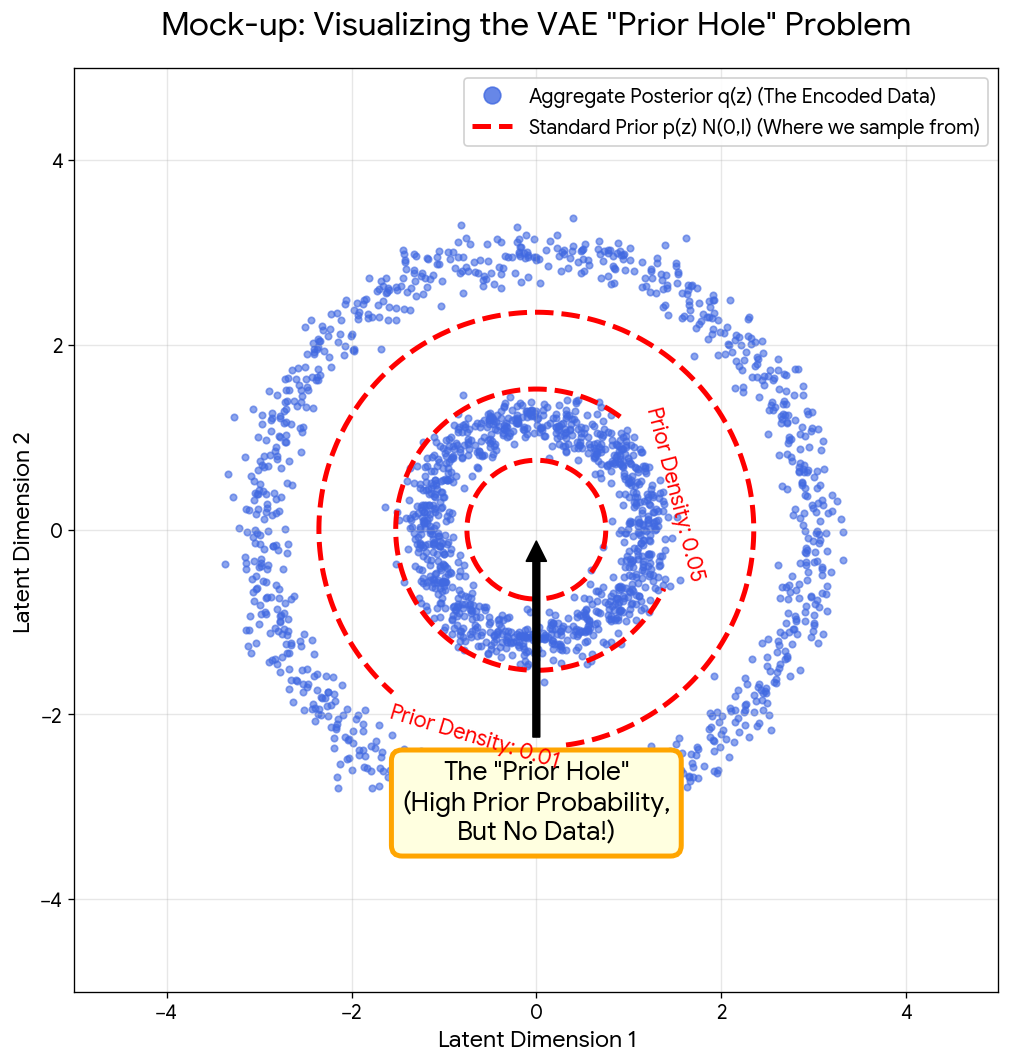
Visualization of the VAE prior hole problem showing a ring-shaped aggregate posterior with an empty center where the Gaussian prior has highest density

Contrastive Learning for Variational Autoencoder Priors

A NeurIPS 2021 method paper introducing Noise Contrastive Priors to address the VAE ‘prior hole’ problem, where standard Gaussian priors assign high density to regions of latent space that don’t correspond to realistic data, using energy-based models trained with contrastive learning to match the aggregate posterior.