
AI & Physical Sciences Taxonomy: A Seven-Vector Framework
Personal working taxonomy for categorizing papers as Method, Theory, Resource, Systematization, Position, Discovery, or Application contributions using a superposition model.
Personal working taxonomy for categorizing papers as Method, Theory, Resource, Systematization, Position, Discovery, or Application contributions using a superposition model.
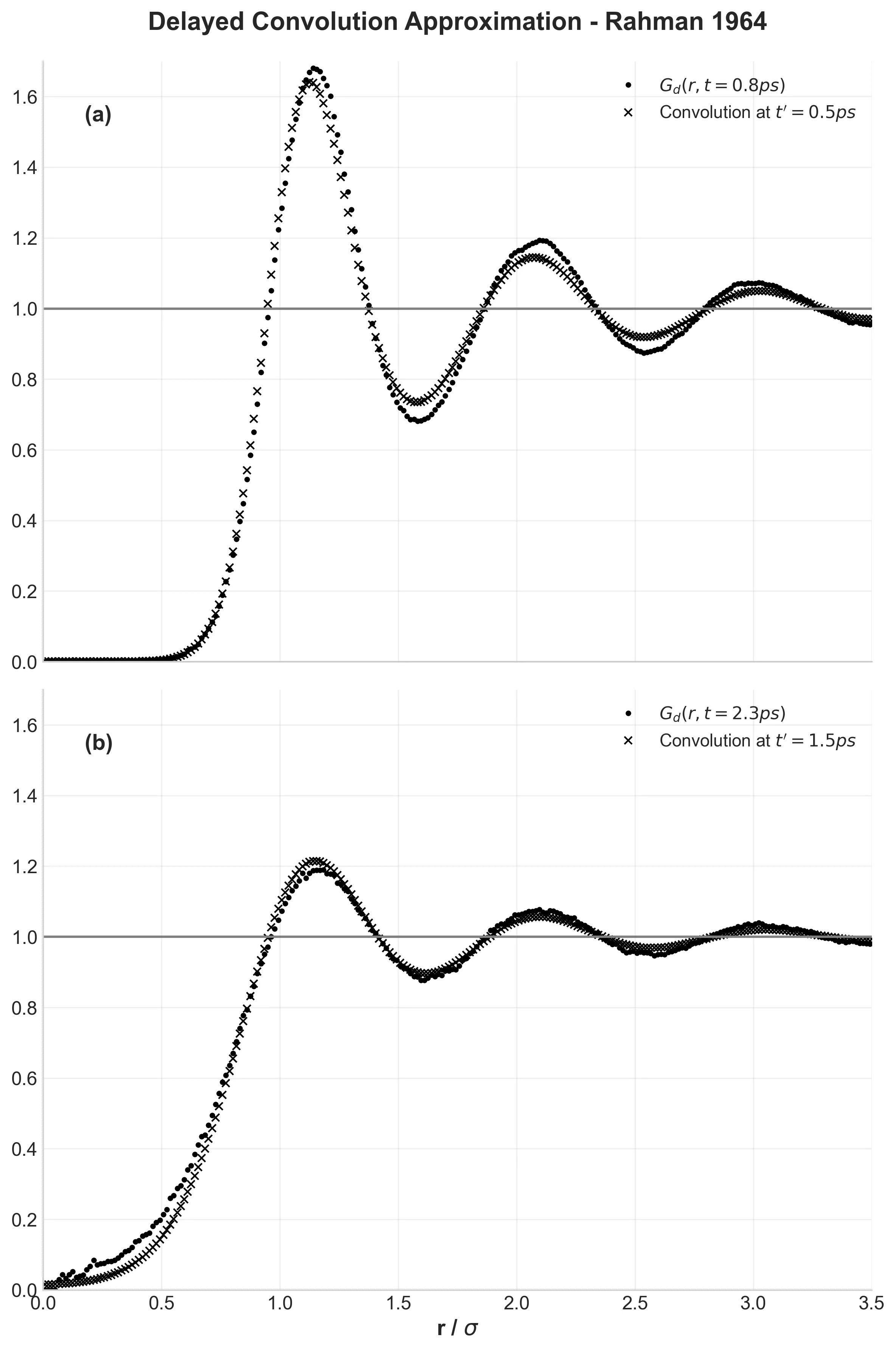
This work validated classical Molecular Dynamics for simulating liquids, revealing the ‘cage effect’ in velocity autocorrelation and establishing predictor-corrector integration algorithms for N-body problems.
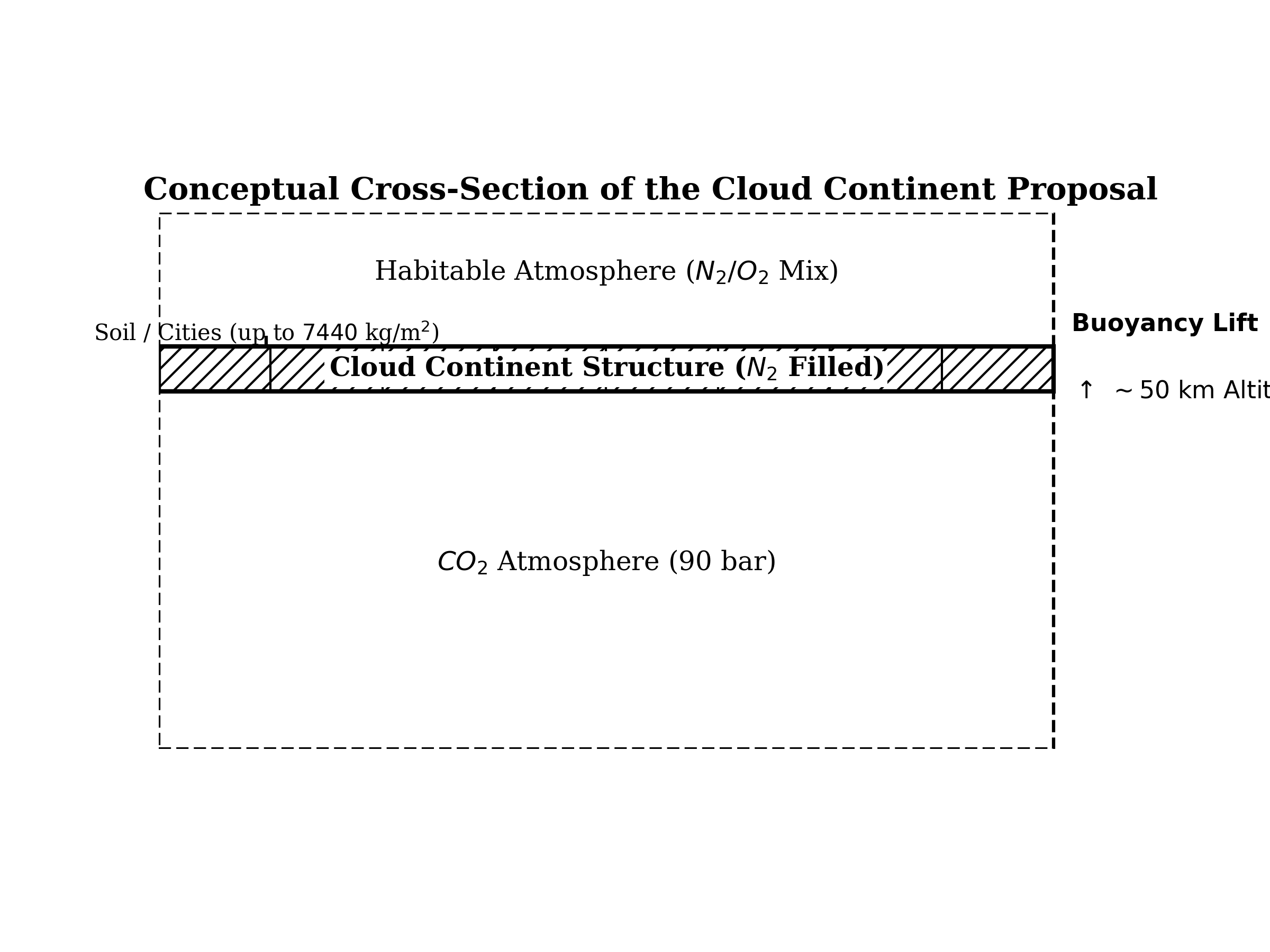
A speculative 2022 engineering proposal for terraforming Venus by constructing a nitrogen-filled honeycomb structure floating at 50 km altitude where temperature and pressure are Earth-like, avoiding the need to remove Venus’s massive atmosphere while using CO2 electrolysis to produce breathable oxygen and carbon nanostructures for construction.
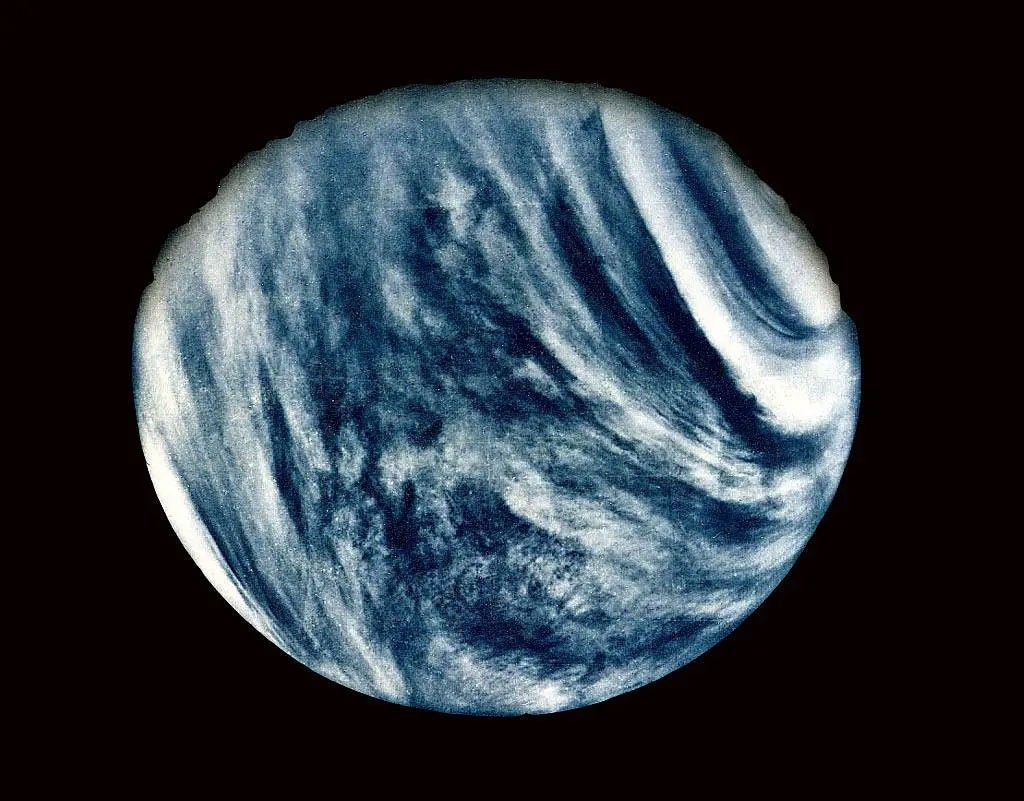
A comprehensive 2023 roadmap for Venus exploration synthesizing open questions about the planet’s evolution from potentially habitable to extreme greenhouse state, detailing the coordinated VERITAS, DAVINCI, and EnVision missions planned for the 2030s and identifying future technology requirements for answering fundamental habitability questions.
A deep dive into the physical limits of life on Venus, reviewing Charles Cockell’s foundational 1999 analysis while connecting it to modern discoveries like the 2020 phosphine detection and upcoming DAVINCI+ missions.
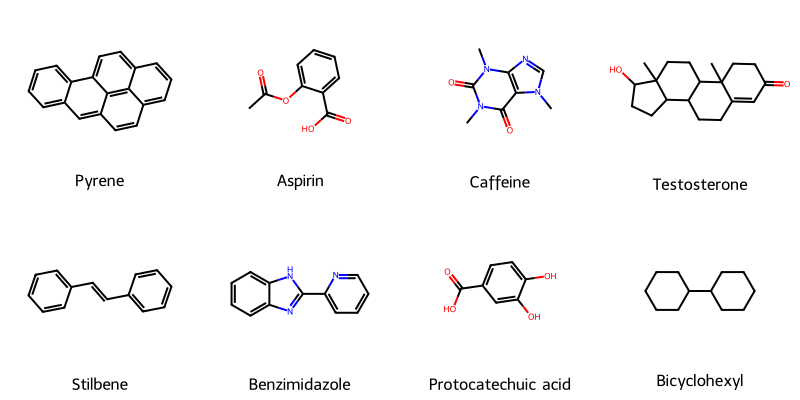
A fault-tolerant RDKit wrapper treating molecular visualization as a software engineering problem, implementing strategy pattern for SVG generation with automatic raster fallback, native SELFIES support for generative AI workflows, and strict type safety for reliable batch processing of millions of molecules in training pipelines.
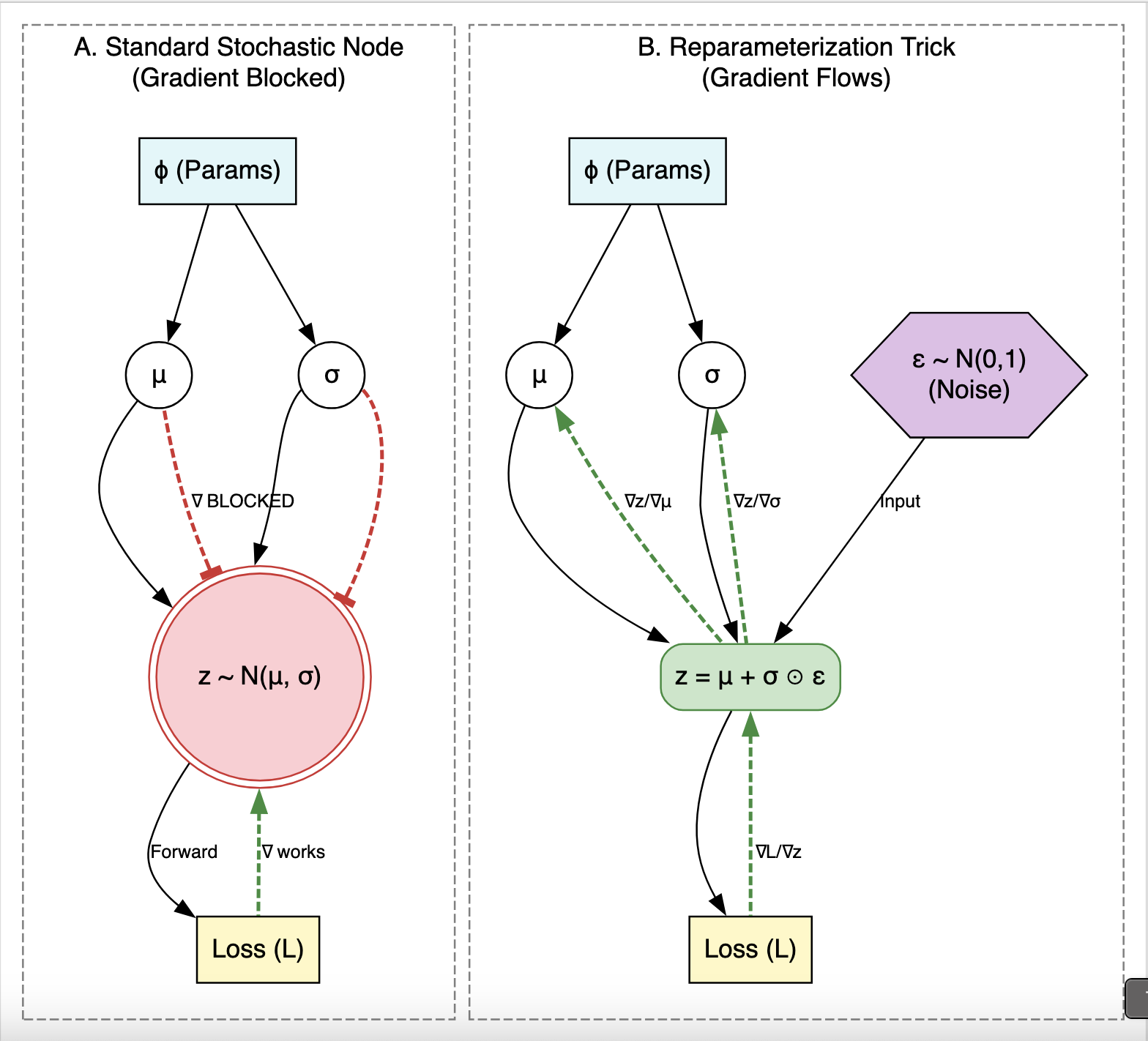
Kingma and Welling’s 2013 paper introducing Variational Autoencoders and the reparameterization trick, enabling end-to-end gradient-based training of generative models with continuous latent variables by moving the stochasticity outside the computational graph so that gradients can flow through a deterministic path.
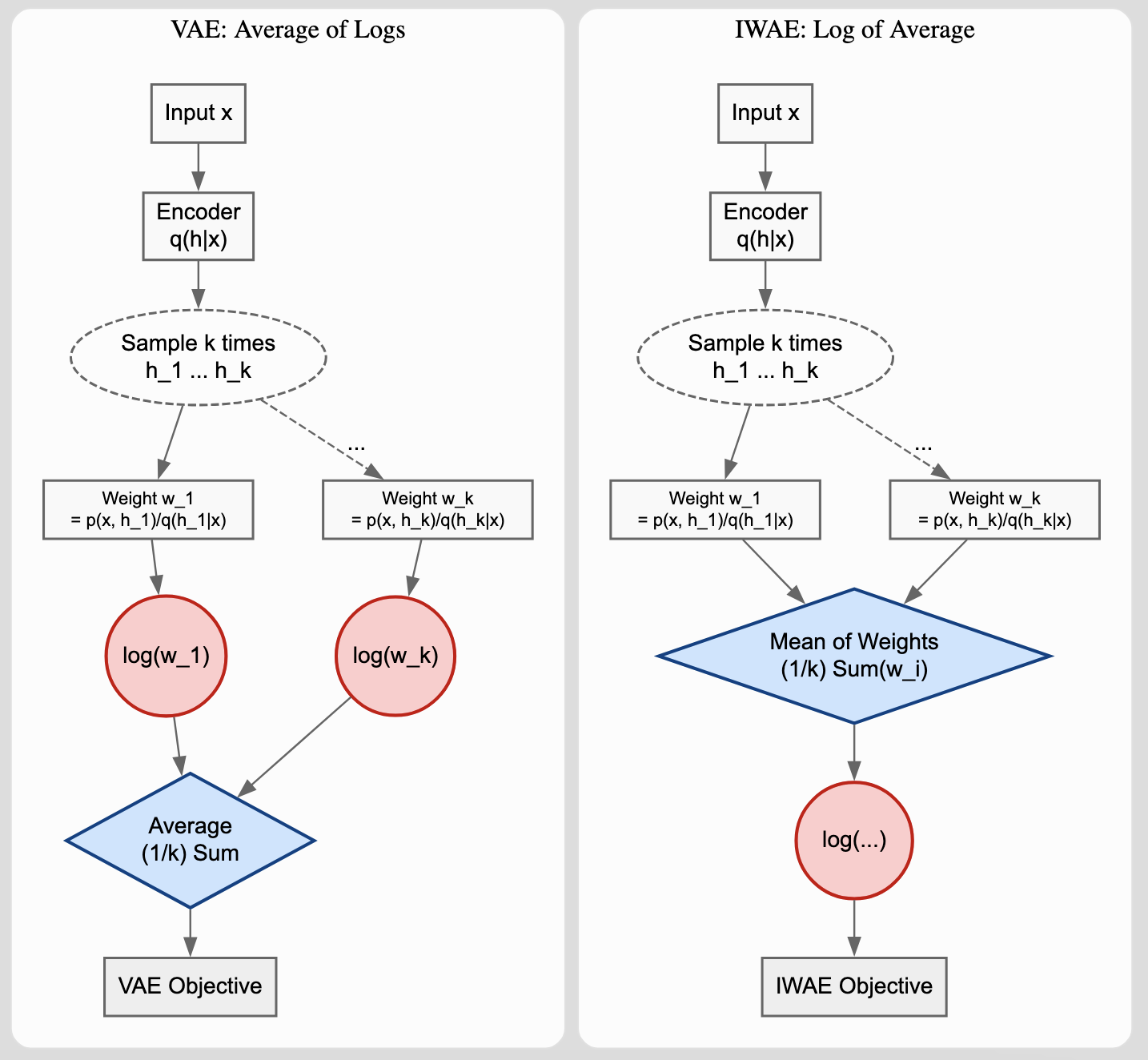
Burda et al.’s ICLR 2016 paper introducing Importance Weighted Autoencoders, which use importance sampling to derive a strictly tighter log-likelihood lower bound than standard VAEs, addressing posterior collapse and improving generative quality. The model architecture remains the same.
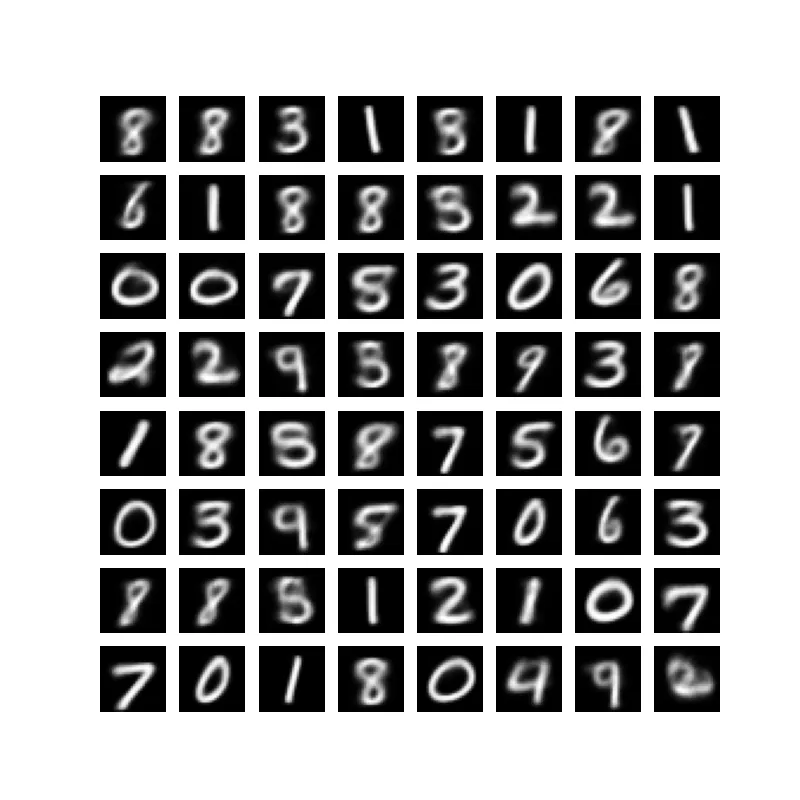
Discover how Importance Weighted Autoencoders (IWAEs) use the same architecture as VAEs with a fundamentally more powerful objective to leverage multiple samples effectively.
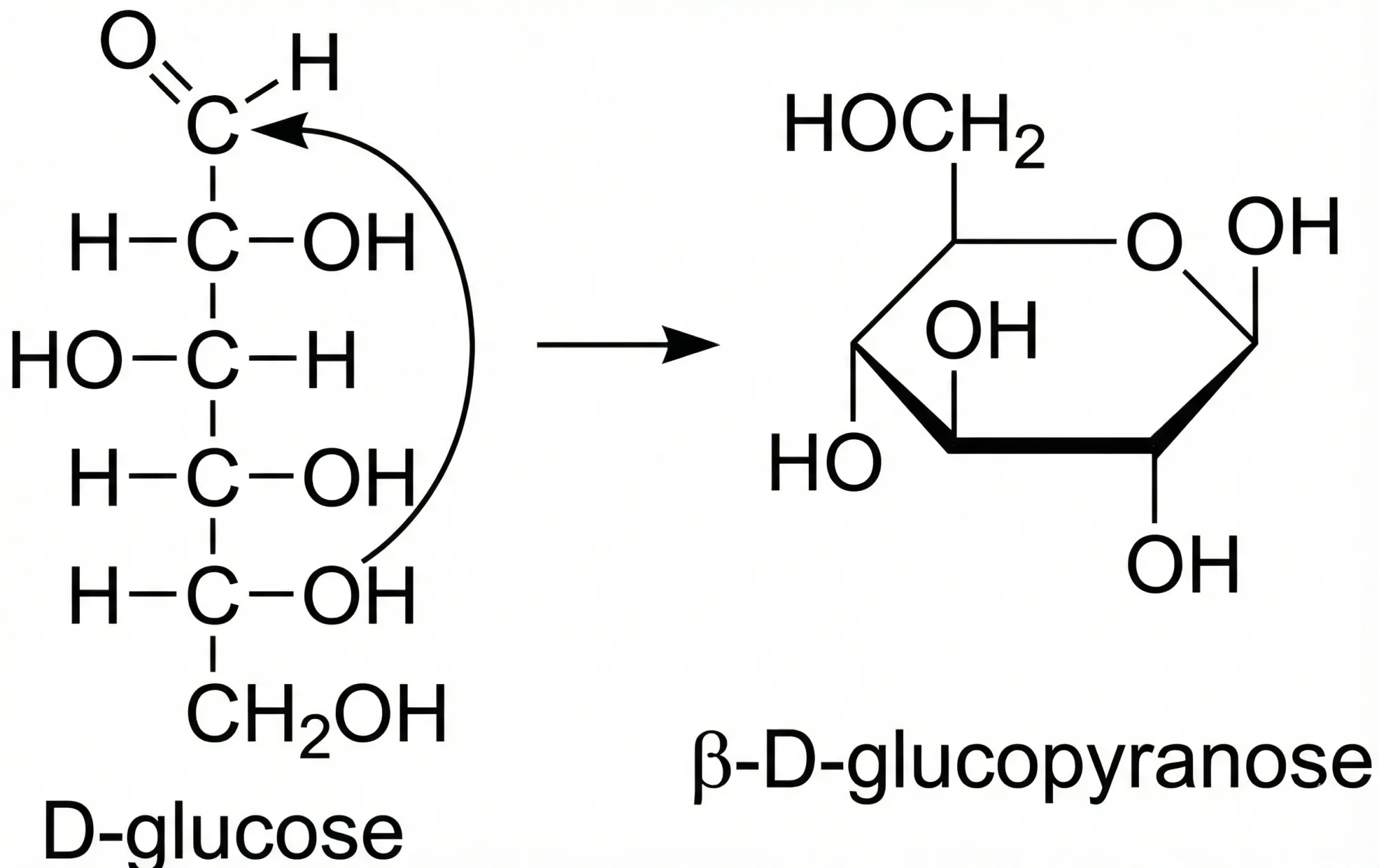
A comprehensive 2020 analysis of the tautomerism problem in chemical databases, compiling 86 tautomeric transformation rules (20 existing, 66 new) and validating them across 400M+ structures to inform algorithmic improvements for InChI V2.
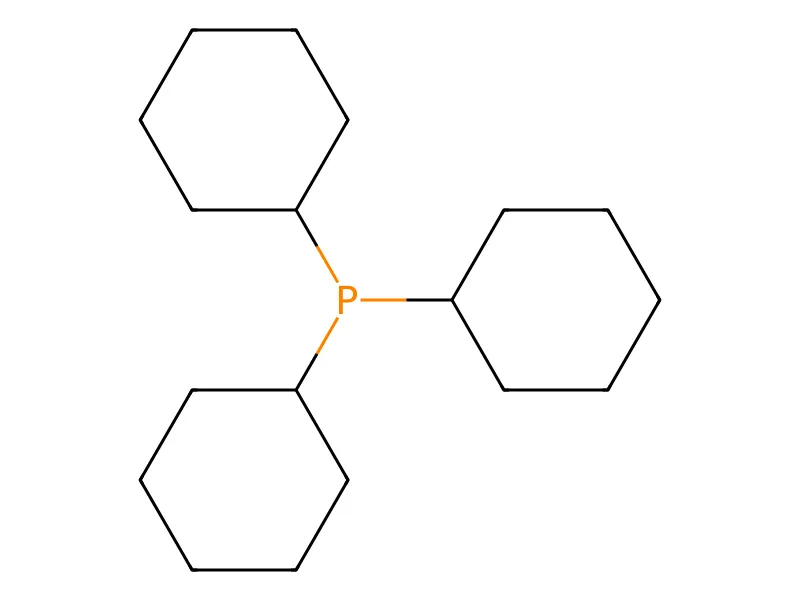
A comprehensive 2013 review explaining how InChI emerged as the global standard for chemical structure identifiers, covering its history as a response to the Internet’s need for non-proprietary molecular linking, its governance under IUPAC, and the technical layers that ensure uniqueness across diverse chemical databases.
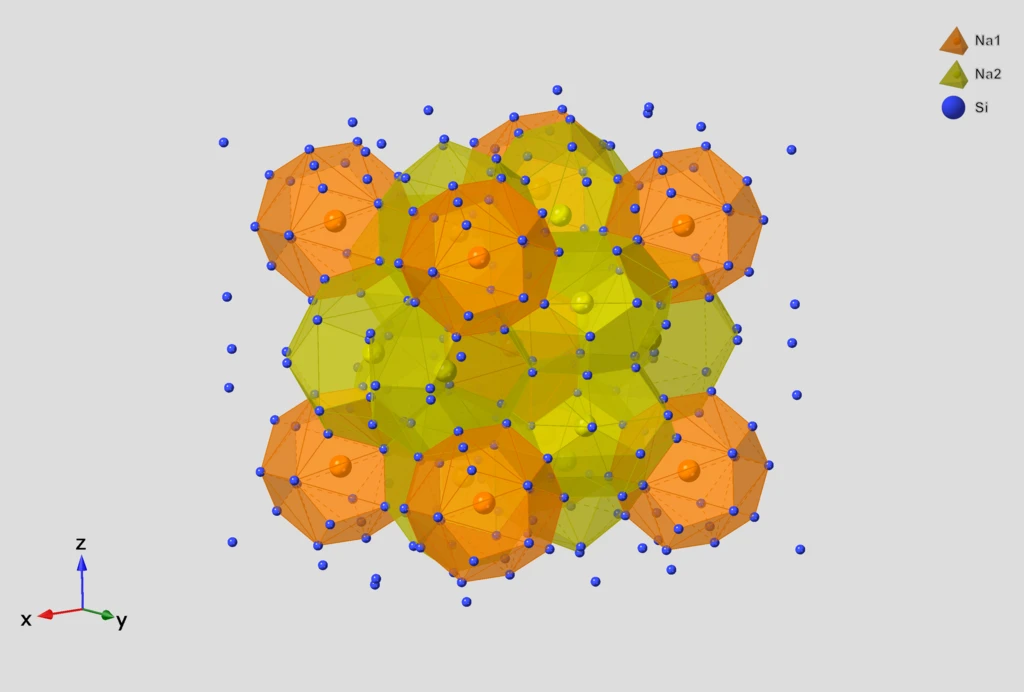
A 2025 Faraday Discussions paper describing the major overhaul of InChI v1.07 that fixed more than 3000 bugs, added support for inorganic and organometallic compounds, and modernized the system to align with FAIR data principles for chemistry databases.