Hunter Heidenreich | ML Research Scientist — Page 13

Machine Learning Fundamentals
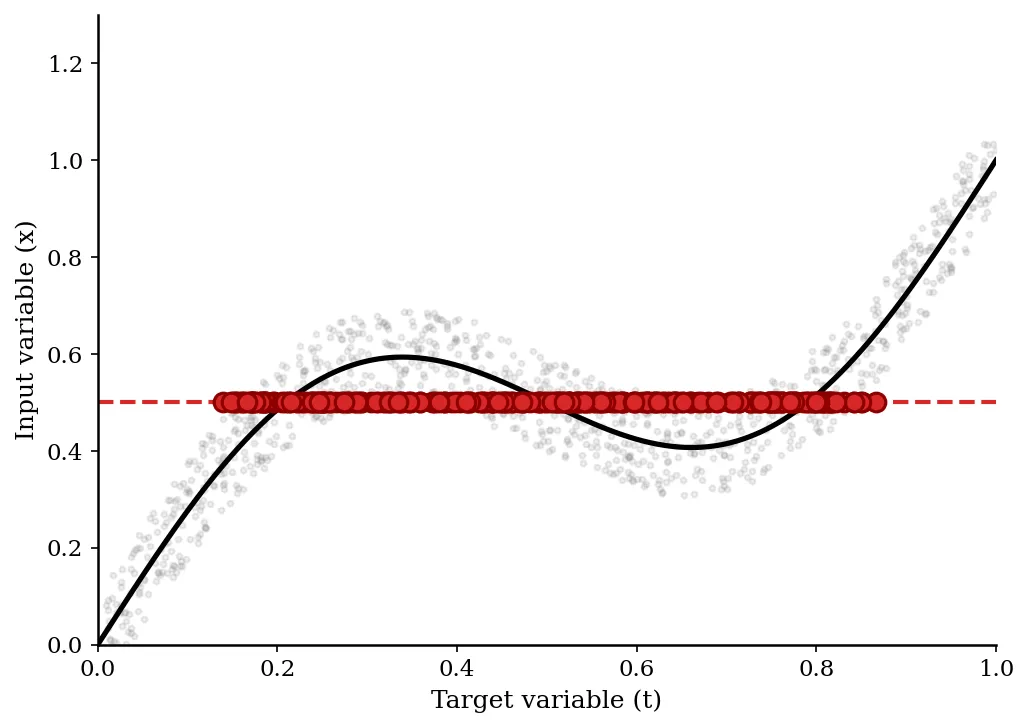
Visualization of inverse problem showing one input mapping to multiple valid outputs

Mixture Density Networks: Modeling Multimodal Distributions

A 1994 paper identifying why standard least-squares networks fail at inverse problems (multi-valued mappings). It introduces the Mixture Density Network (MDN), which predicts the parameters of a Gaussian Mixture Model to capture the full conditional probability density.
Computational Chemistry

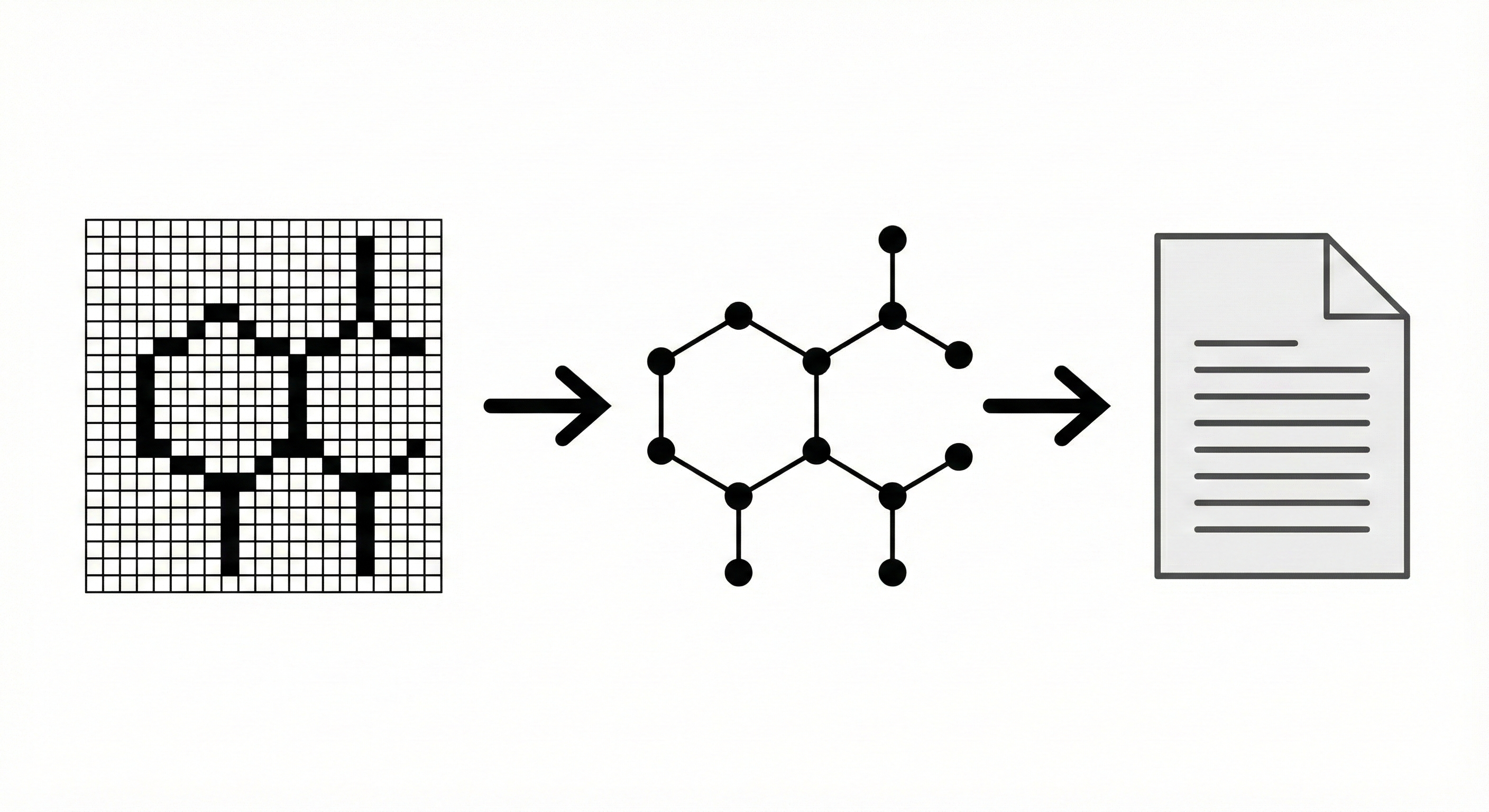
OCSR Methods: A Taxonomy of Approaches

A comprehensive categorization of OCSR methods, organizing techniques by their fundamental approach: deep learning, traditional ML, and rule-based systems.

Computational Chemistry
Early optical recognition system converts scanned chemical diagrams to connection tables

Optical Recognition of Chemical Graphics

This paper describes an early prototype system that digitizes chemical structure diagrams from scanned documents. It employs a multi-stage pipeline involving convex bounding polygon extraction, vectorization, and rule-based heuristics to generate MDL Molfiles.

Computational Chemistry
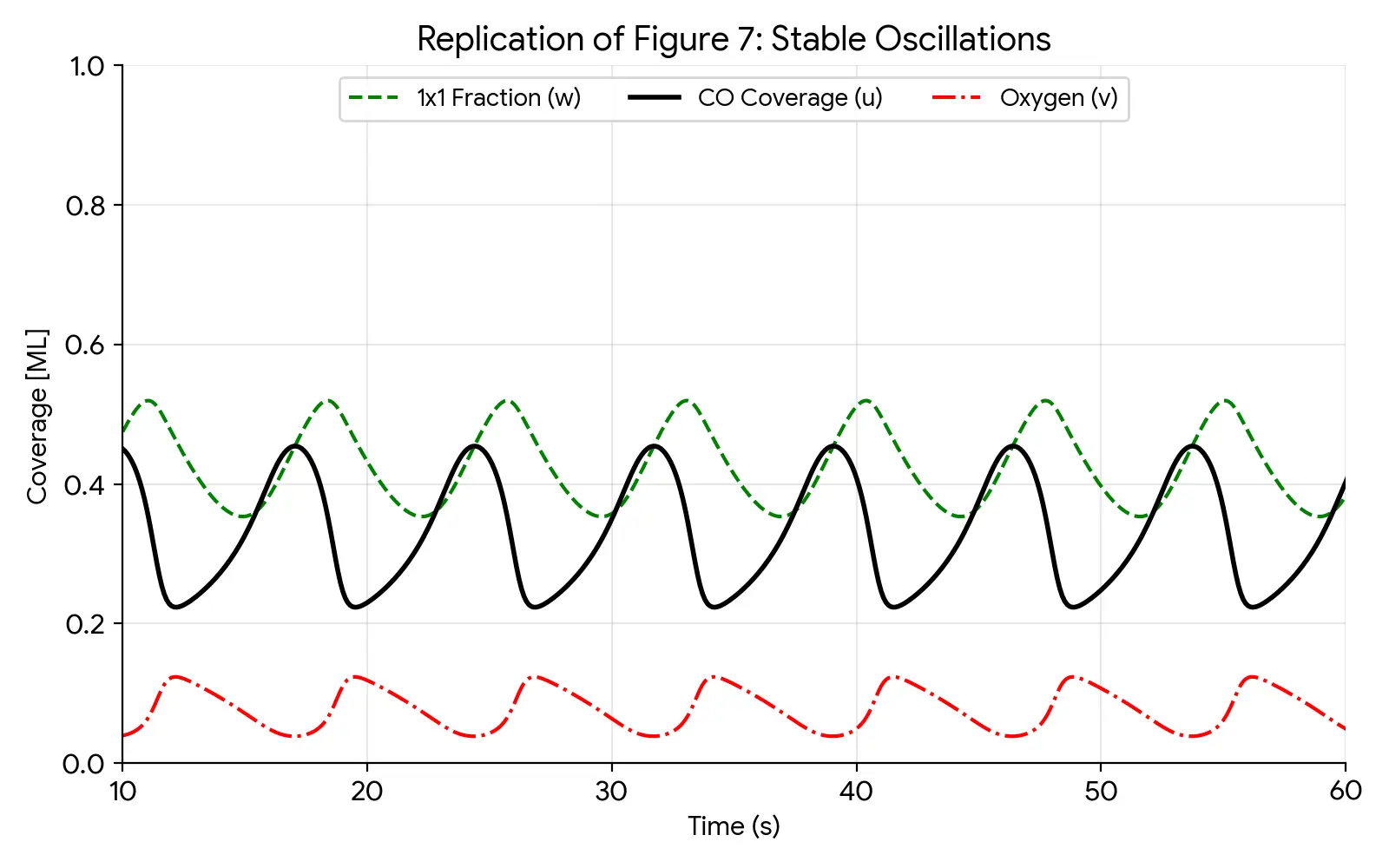
Replication of Figure 7 showing stable oscillations in CO oxidation on Pt(110)

Oscillatory CO Oxidation on Pt(110): Temporal Modeling

This paper presents a 4-variable kinetic model coupling surface reaction dynamics with structural phase transitions to reproduce complex oscillatory behavior on Pt(110).

Computational Chemistry
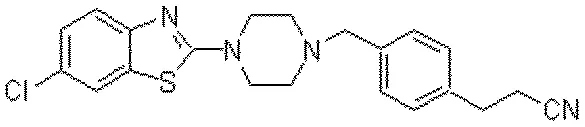
Chemical structure diagram for optical recognition

OSRA: Open Source Optical Structure Recognition

This paper presents OSRA, the first open-source utility for converting graphical chemical structures from documents into machine-readable formats (SMILES/SD). It outlines a pipeline combining existing image processing tools with custom heuristics for bond and atom detection, establishing a foundation for accessible chemical information extraction.

Computational Social Science
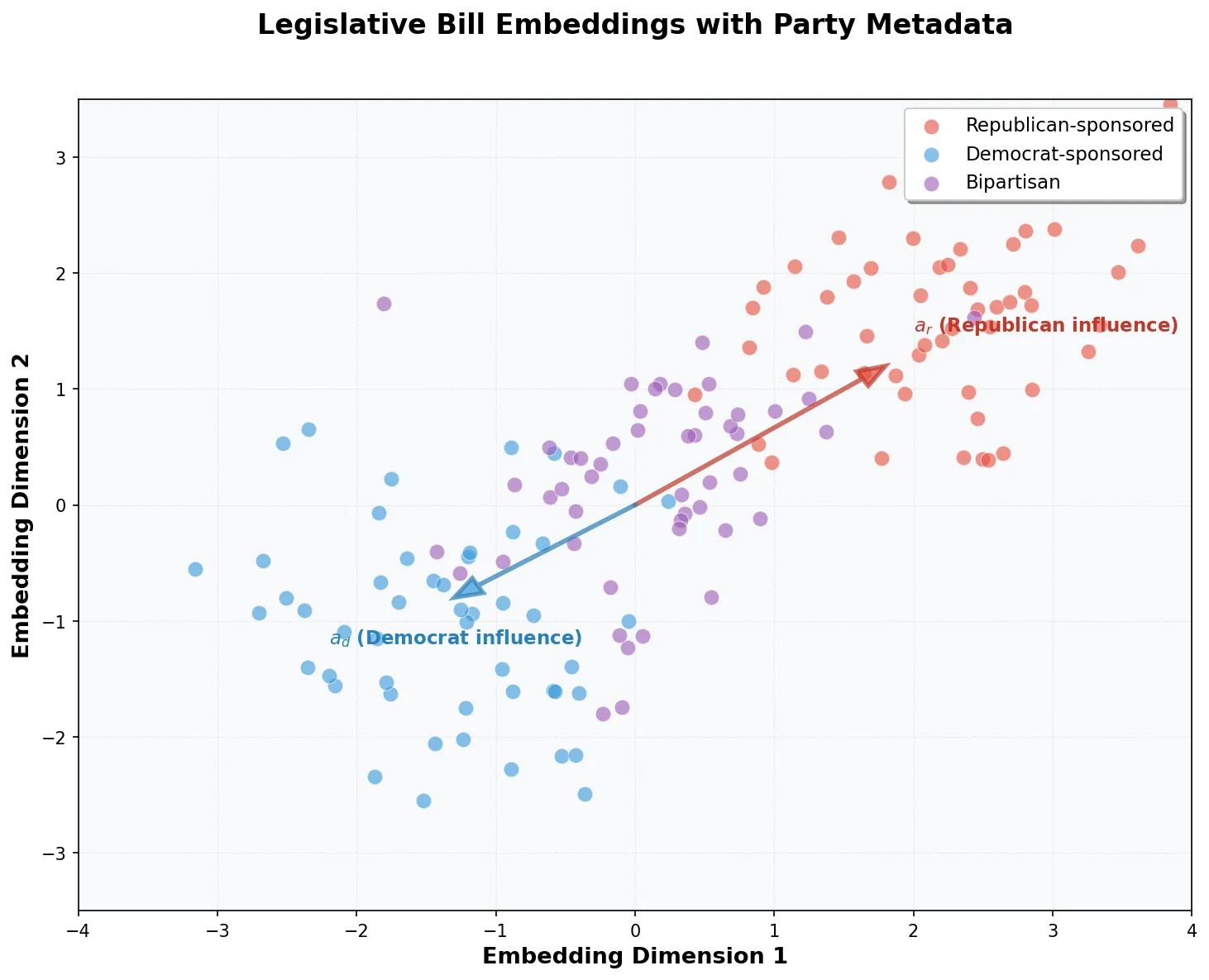
Visualization of party-based legislative embeddings

Party Matters: Enhancing Legislative Vote Embeddings

This paper introduces a neural architecture that combines bill text embeddings (CNN/MWE) with sponsor ideology metadata to improve vote prediction accuracy, particularly in out-of-session contexts where political dynamics shift.

Computational Chemistry
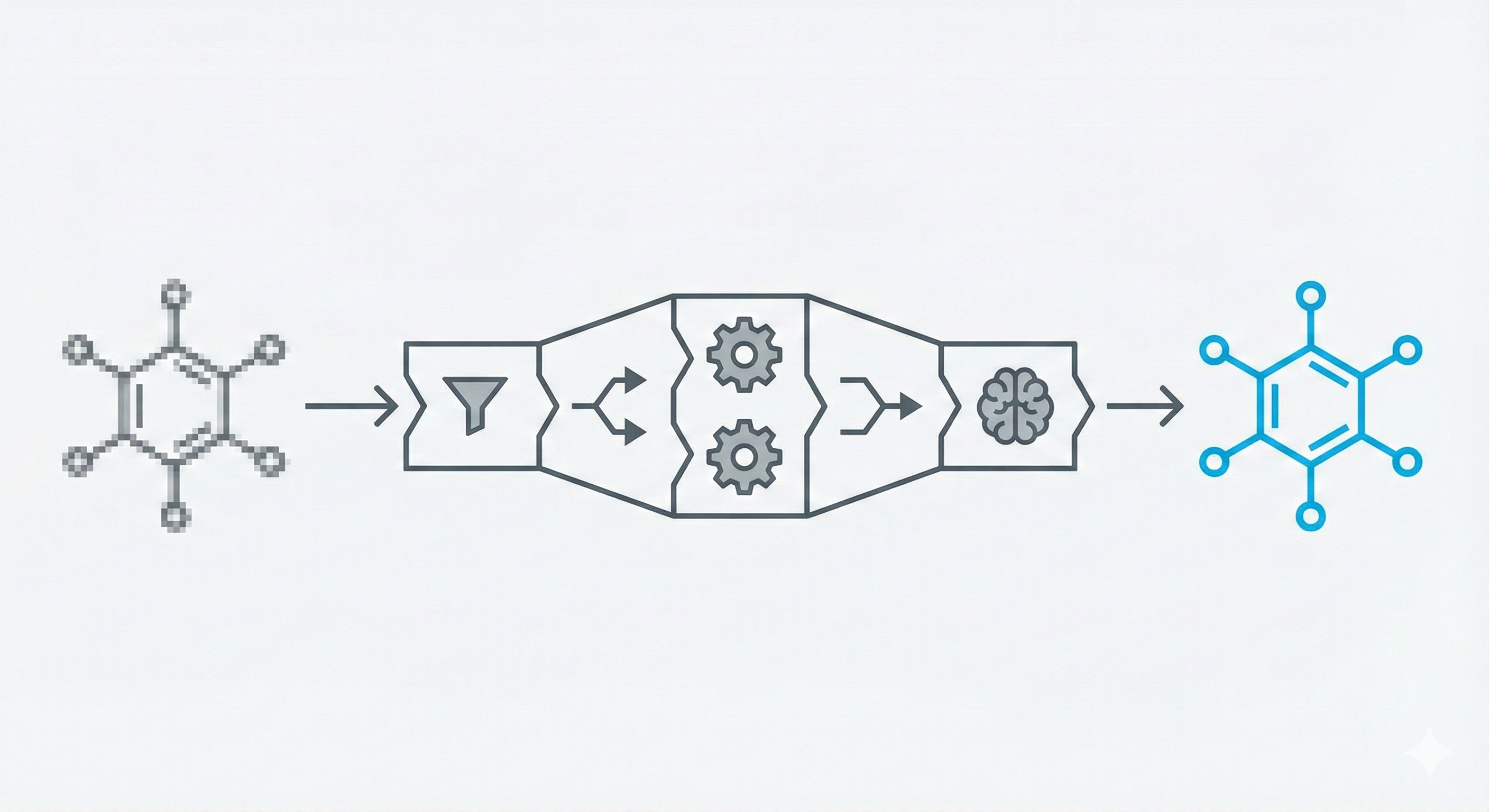
Five-stage pipeline for reconstructing chemical molecules from raster images

Reconstruction of Chemical Molecules from Images

This methodological paper proposes a comprehensive pipeline to digitize chemical structure images. It achieves 97% reconstruction accuracy on benchmarks by combining a topology-preserving vectorizer with a chemical knowledge validation module.

Scientific Computing
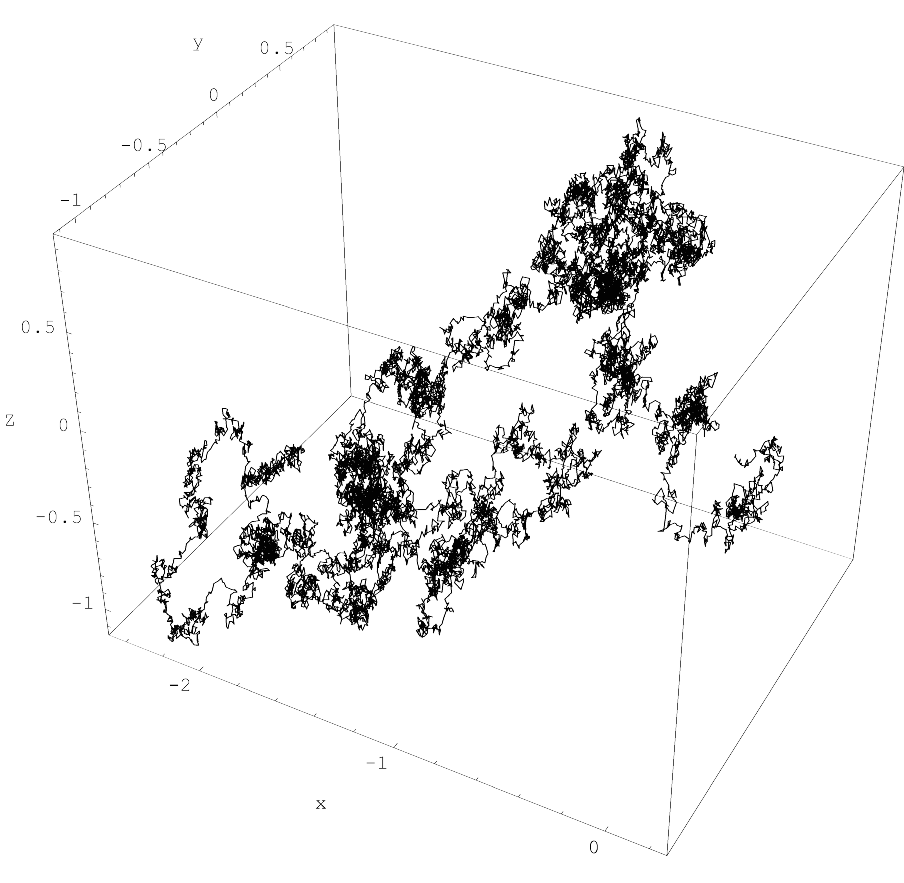
Three-dimensional Brownian motion trajectory showing random walk behavior

Second-Order Langevin Equation for Field Simulations

Proposes the Hyperbolic Algorithm for Euclidean field theory simulations. By adding a second-order fictitious time derivative to the Langevin equation, the method reduces systematic errors from O(ε) down to O(ε²).

Computational Chemistry
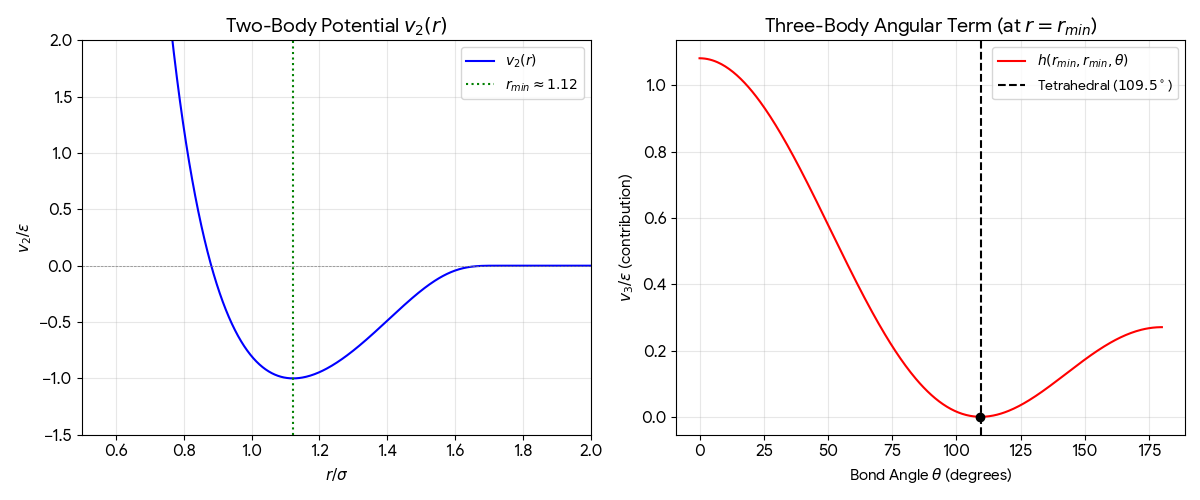
Visualization of the Stillinger-Weber potential showing the two-body radial term and three-body angular penalty

Stillinger-Weber Potential for Silicon Simulation

Stillinger and Weber propose a 3-body interaction potential that stabilizes the diamond crystal structure of silicon and reproduces liquid properties through molecular dynamics, addressing the inability of standard pair potentials to model tetrahedral semiconductors.

Computational Social Science
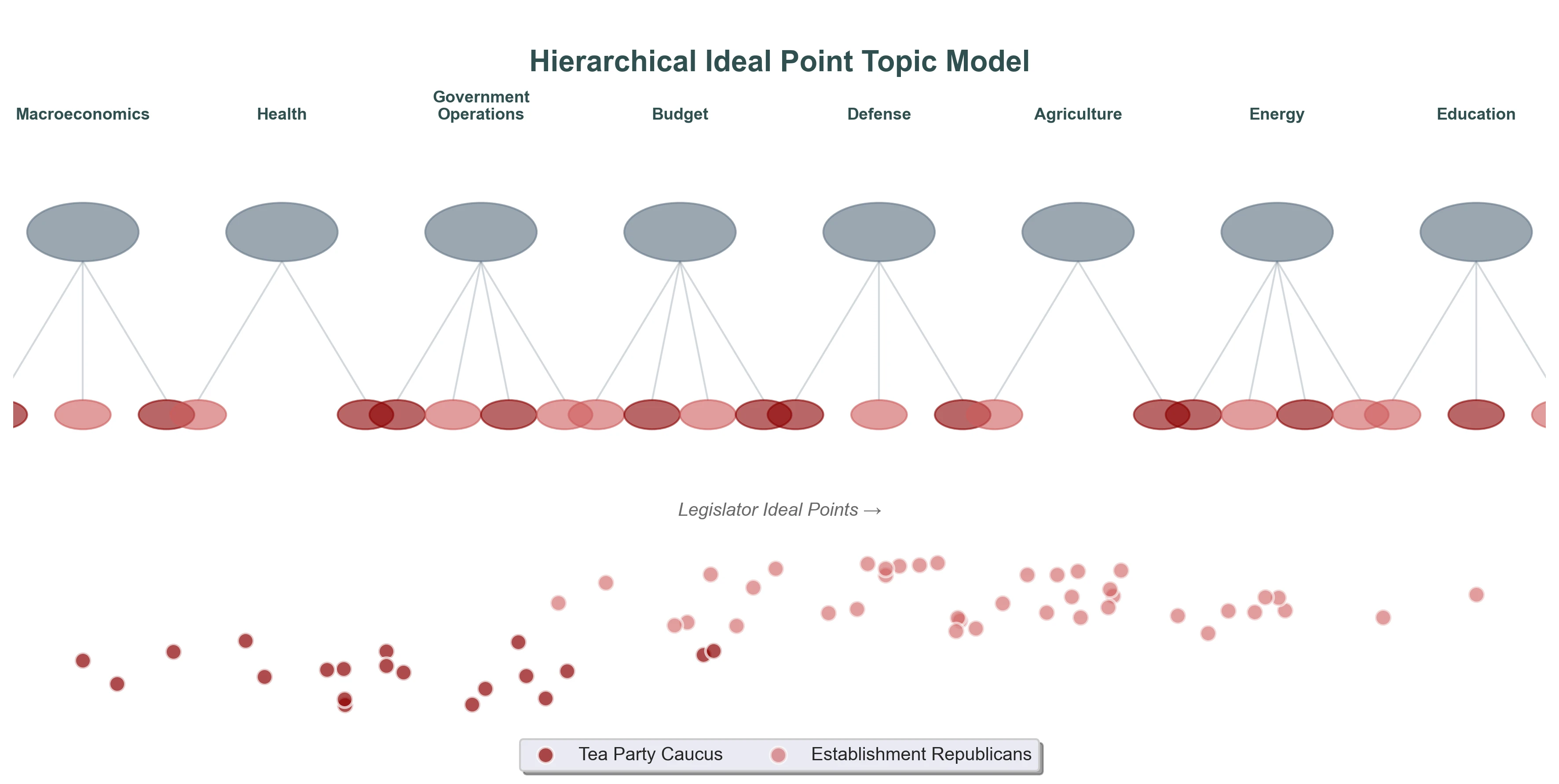
Hierarchical Ideal Point Topic Model visualization showing political polarization

Tea Party in the House: Legislative Ideology via HIPTM

This paper introduces the Hierarchical Ideal Point Topic Model (HIPTM) to analyze the 112th U.S. Congress. By jointly modeling votes and text, it uncovers how Tea Party Republicans and establishment Republicans differ in both voting records and how they frame specific policy issues.

Evolutionary Biology
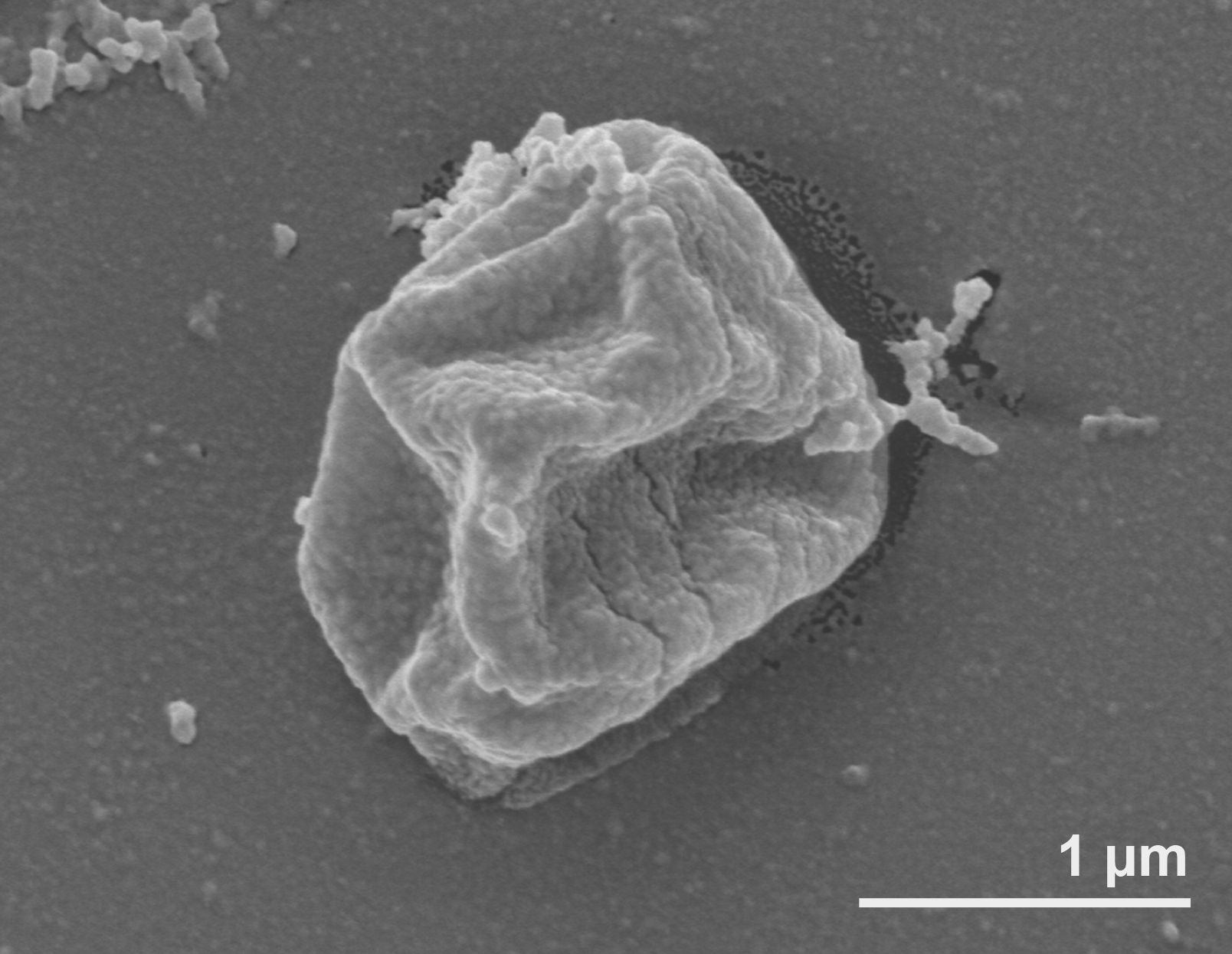
Electron microscope image of Pyrolobus fumarii showing irregular coccoid cell structure

Three Domains of Life: Woese's Phylogenetic Revolution

This paper established the three-domain classification system (Bacteria, Archaea, Eucarya) based on molecular evidence from ribosomal RNA sequences, arguing that the prokaryote-eukaryote dichotomy obscures the deep evolutionary divergence of Archaea from Bacteria.

Computational Chemistry
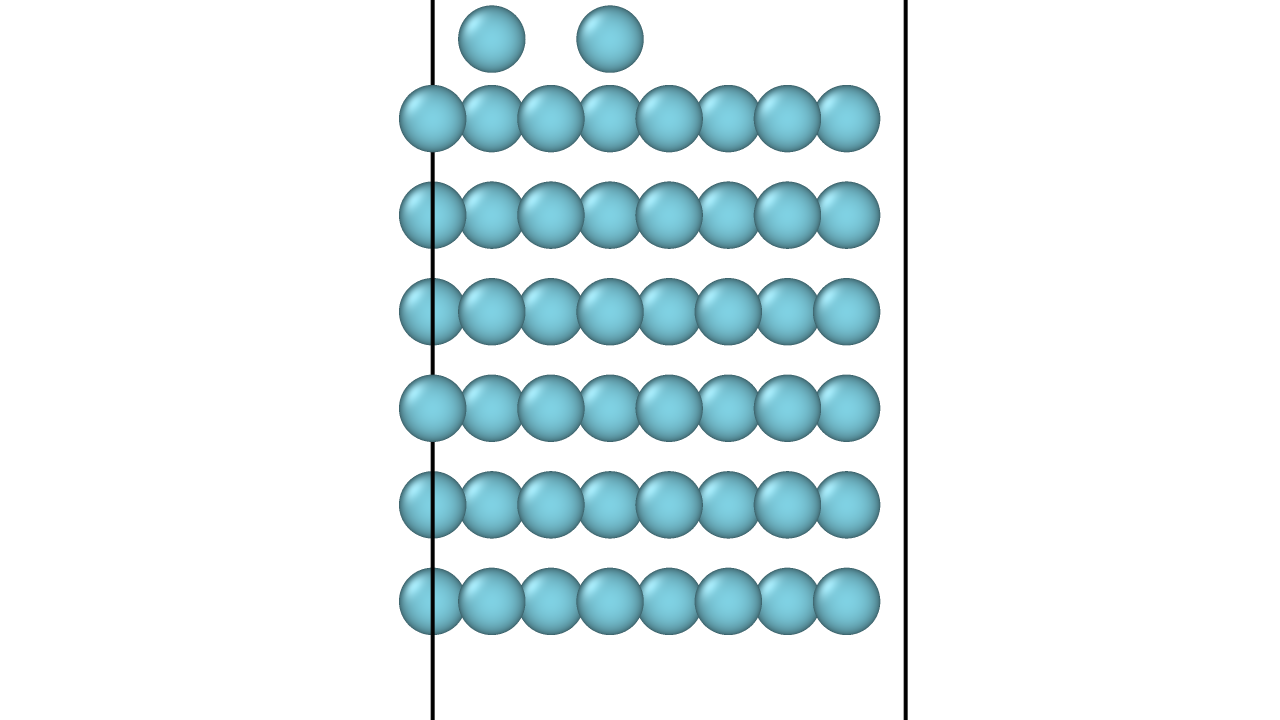
Visualization of argon dimer on fcc(111) surface

Adatom Dimer Diffusion on fcc(111) Crystal Surfaces

This molecular dynamics study reveals that adatom dimers on fcc(111) surfaces exhibit simultaneous multiple jumps at intermediate temperatures, migrating with mobility comparable to single adatoms.