Scientific Computing
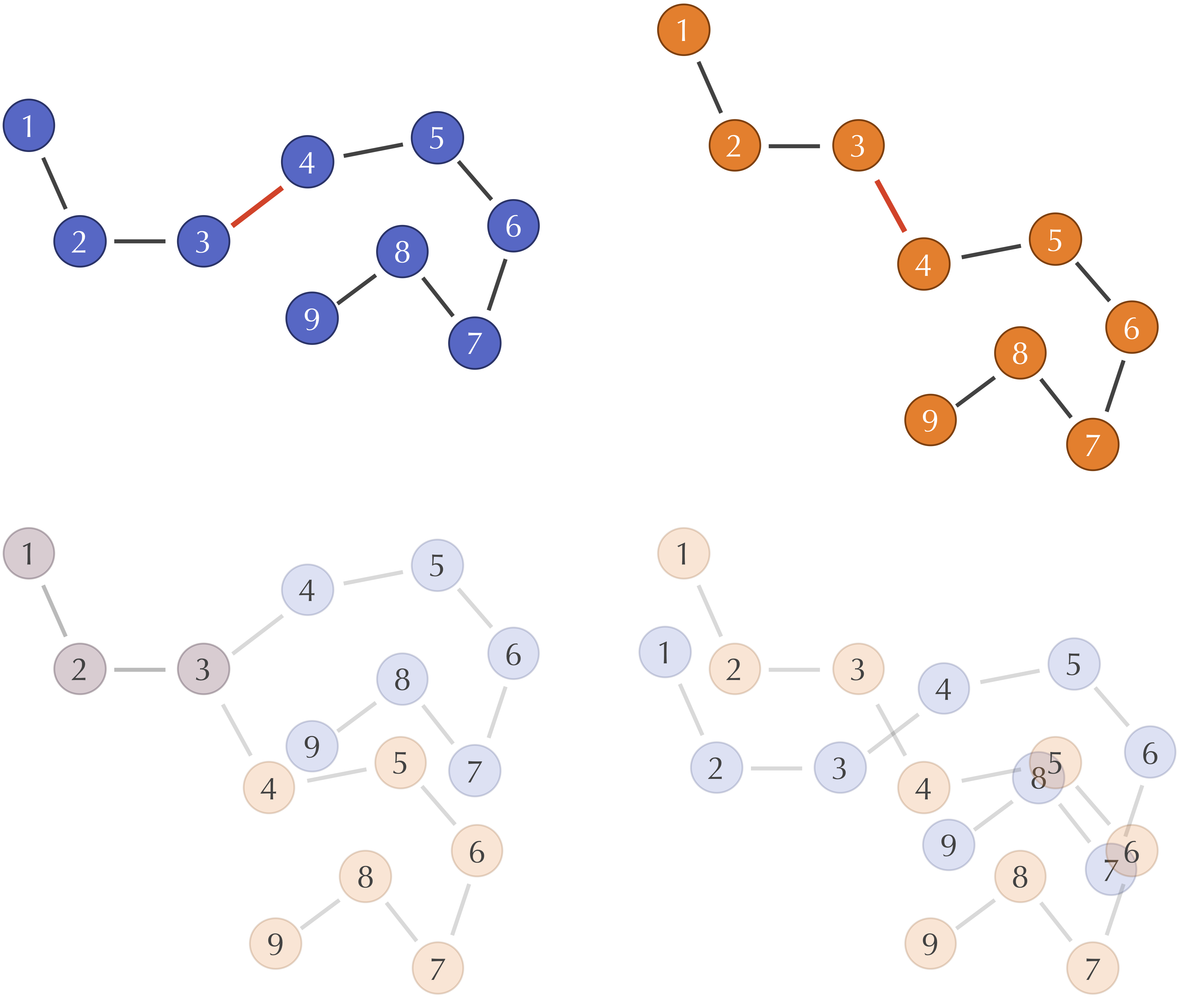
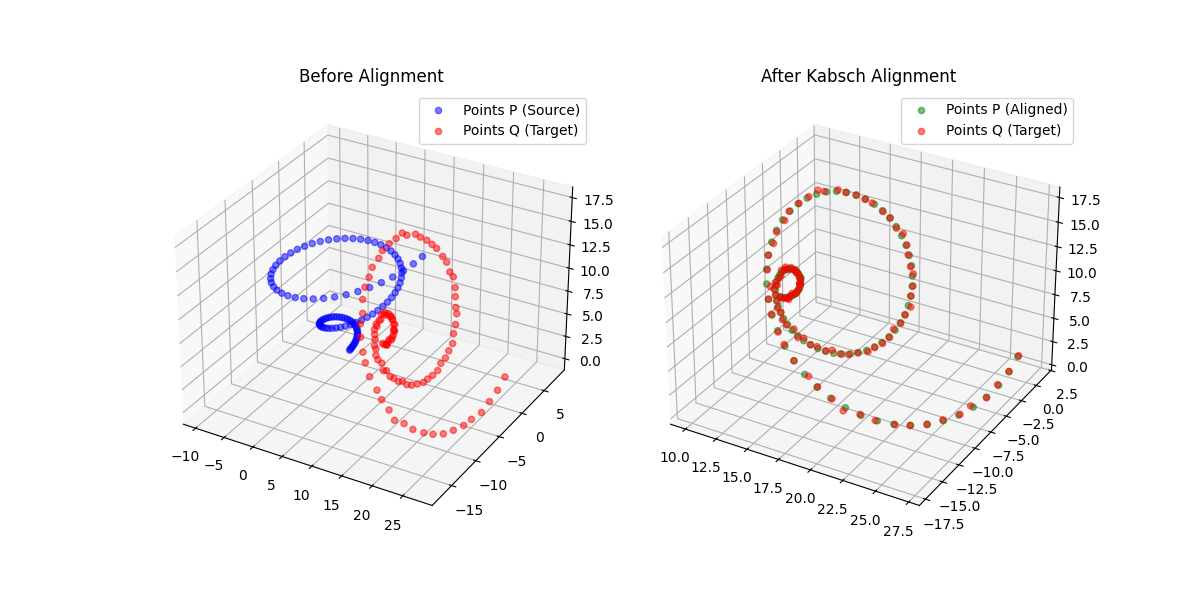
Before and after visualization of point-set alignment using the Kabsch algorithm

Kabsch-Horn Cookbook: Differentiable Alignment

A differentiable point-set alignment library implementing N-dimensional Kabsch, Horn quaternion, and Umeyama scaling algorithms with per-point weights, batch dimensions, and custom autograd across NumPy, PyTorch, JAX, TensorFlow, and MLX.
Scientific Computing
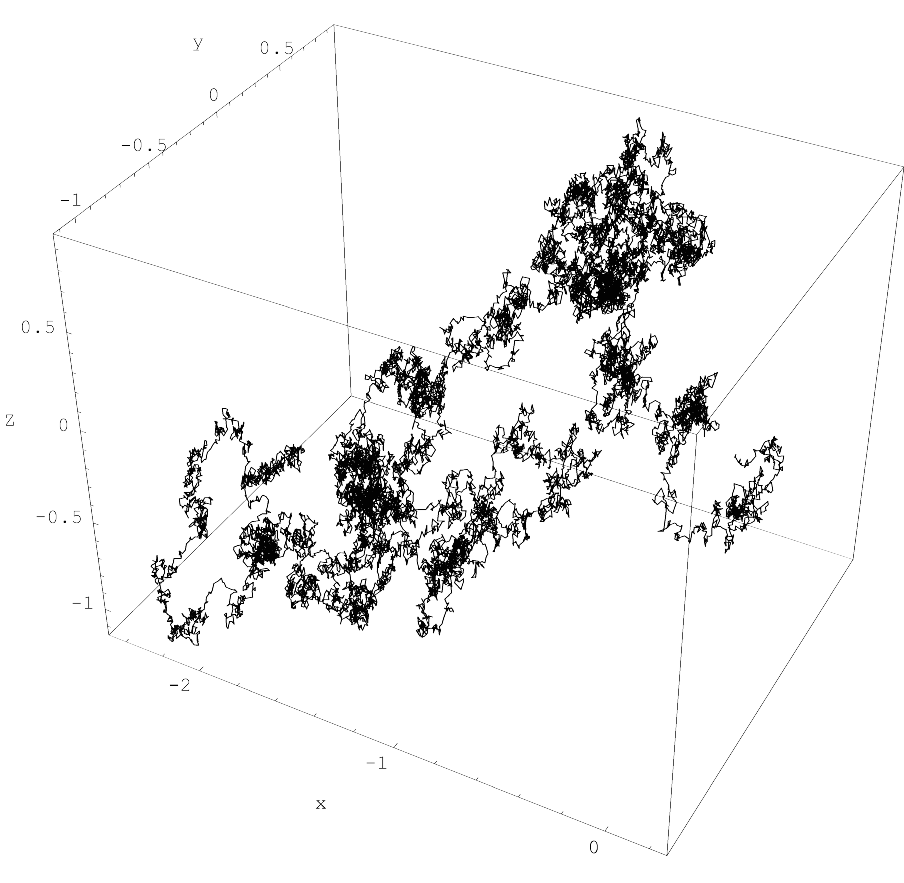
Three-dimensional Brownian motion trajectory showing random walk behavior

Second-Order Langevin Equation for Field Simulations

Proposes the Hyperbolic Algorithm for Euclidean field theory simulations. By adding a second-order fictitious time derivative to the Langevin equation, the method reduces systematic errors from O(ε) down to O(ε²).

Scientific Computing
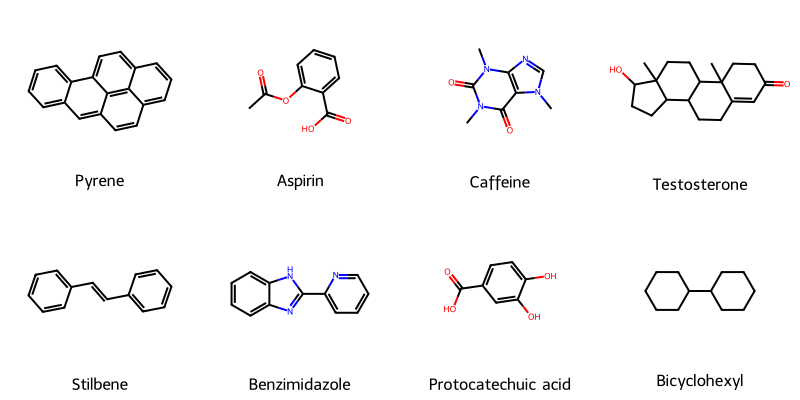
Grid of complex molecular structures rendered from SELFIES and SMILES strings

Molecular String Renderer: Robust Visualization Tool

A fault-tolerant RDKit wrapper treating molecular visualization as a software engineering problem, implementing strategy pattern for SVG generation with automatic raster fallback, native SELFIES support for generative AI workflows, and strict type safety for reliable batch processing of millions of molecules in training pipelines.

Scientific Computing
Comparison of exponential sampling methods showing histograms from both inverse transform and von Neumann methods overlaid with the theoretical exponential distribution

Exponential Random Numbers: Two Classic Algorithms

Explore two fundamental approaches to generating exponentially distributed random numbers: the modern inverse transform method using logarithms and von Neumann’s ingenious 1951 comparison-based algorithm that avoids transcendental functions entirely.

Scientific Computing
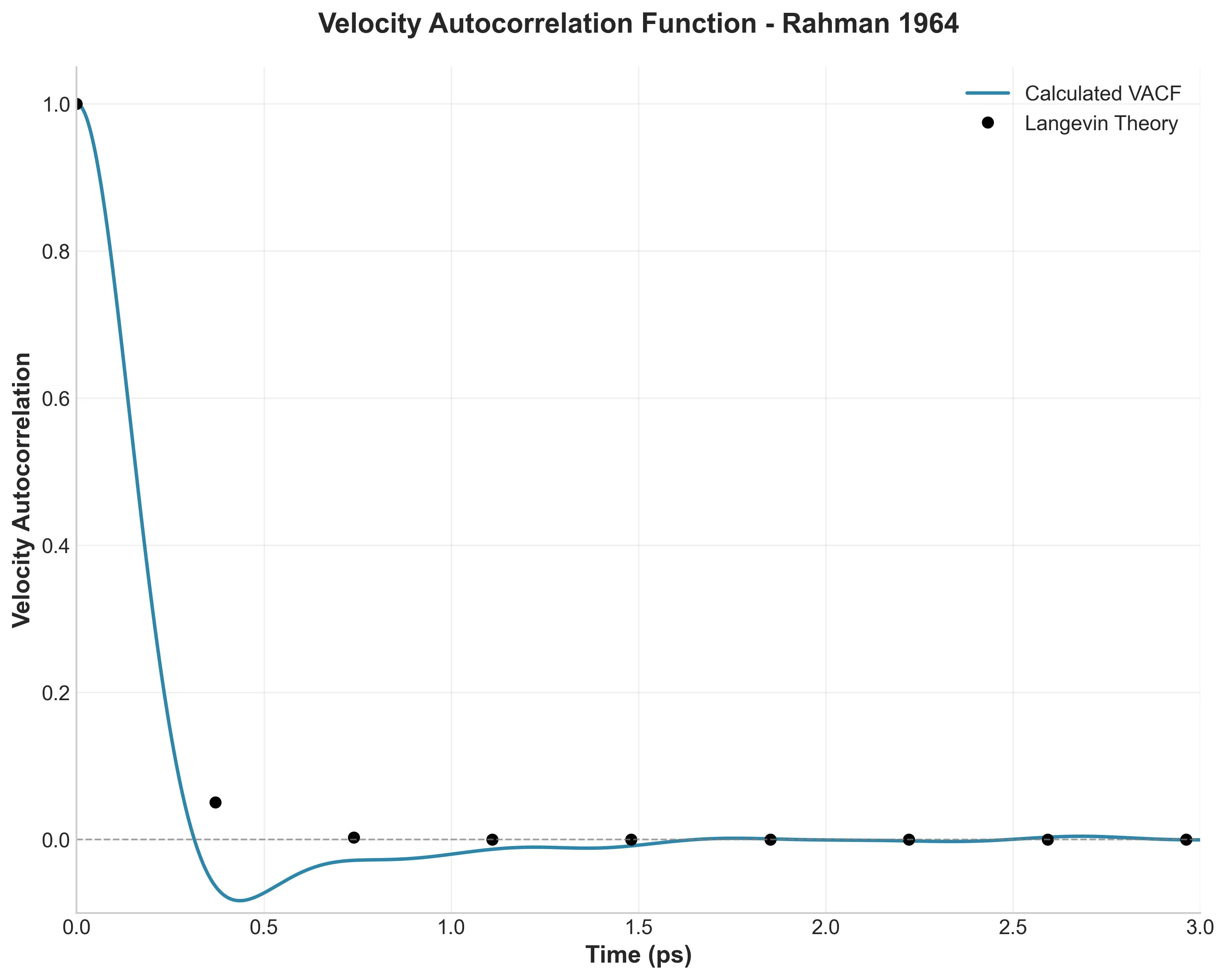
Velocity Autocorrelation Function showing the signature negative region characteristic of liquid dynamics and the cage effect discovered by Rahman

Modernizing Rahman''s 1964 Argon Simulation

A digital restoration of Rahman’s seminal 1964 molecular dynamics paper using LAMMPS and a production-grade Python analysis pipeline featuring intelligent decorator-based caching, fully vectorized NumPy computations for O(N^2) operations, and modern tooling (uv, type hints, Makefile automation) transforming academic scripts into reproducible research toolkit.

Scientific Computing
Velocity Autocorrelation Function showing the signature negative region characteristic of liquid dynamics

Modernizing Rahman's 1964 Argon Simulation

I replicated Rahman’s landmark 1964 liquid argon molecular dynamics simulation using modern tools, building a production-grade Python analysis pipeline with intelligent caching, vectorization, and type safety to bridge vintage science with contemporary software engineering.

Scientific Computing
Molecular structure alignment showing protein conformations and RMSD calculation

Kabsch Algorithm: NumPy, PyTorch, TensorFlow, and JAX

Learn to align molecular structures and point clouds using the Kabsch algorithm, with differentiable implementations for modern ML frameworks.

Scientific Computing
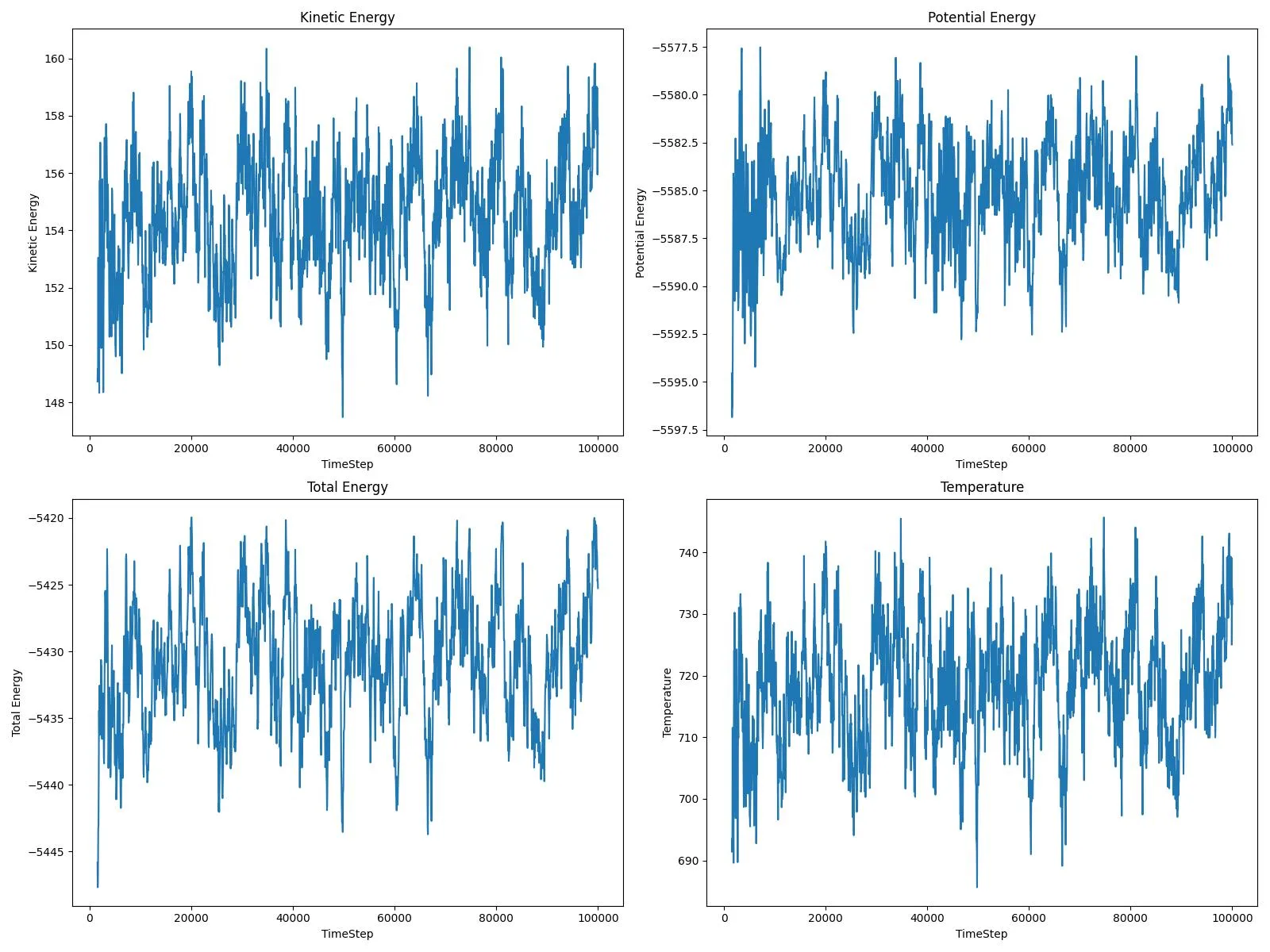
Energy conservation plot showing kinetic, potential, and total energy oscillations for a copper adatom diffusion simulation

Automated Adatom Diffusion Workflow

A complete input-to-analysis workflow for simulating adatom diffusion on FCC metal surfaces using LAMMPS and EAM potentials, providing comparative datasets for copper and platinum that demonstrate how atomic mass and bonding strength affect surface dynamics, with automated Python analysis generating publication-ready visualizations.

Scientific Computing
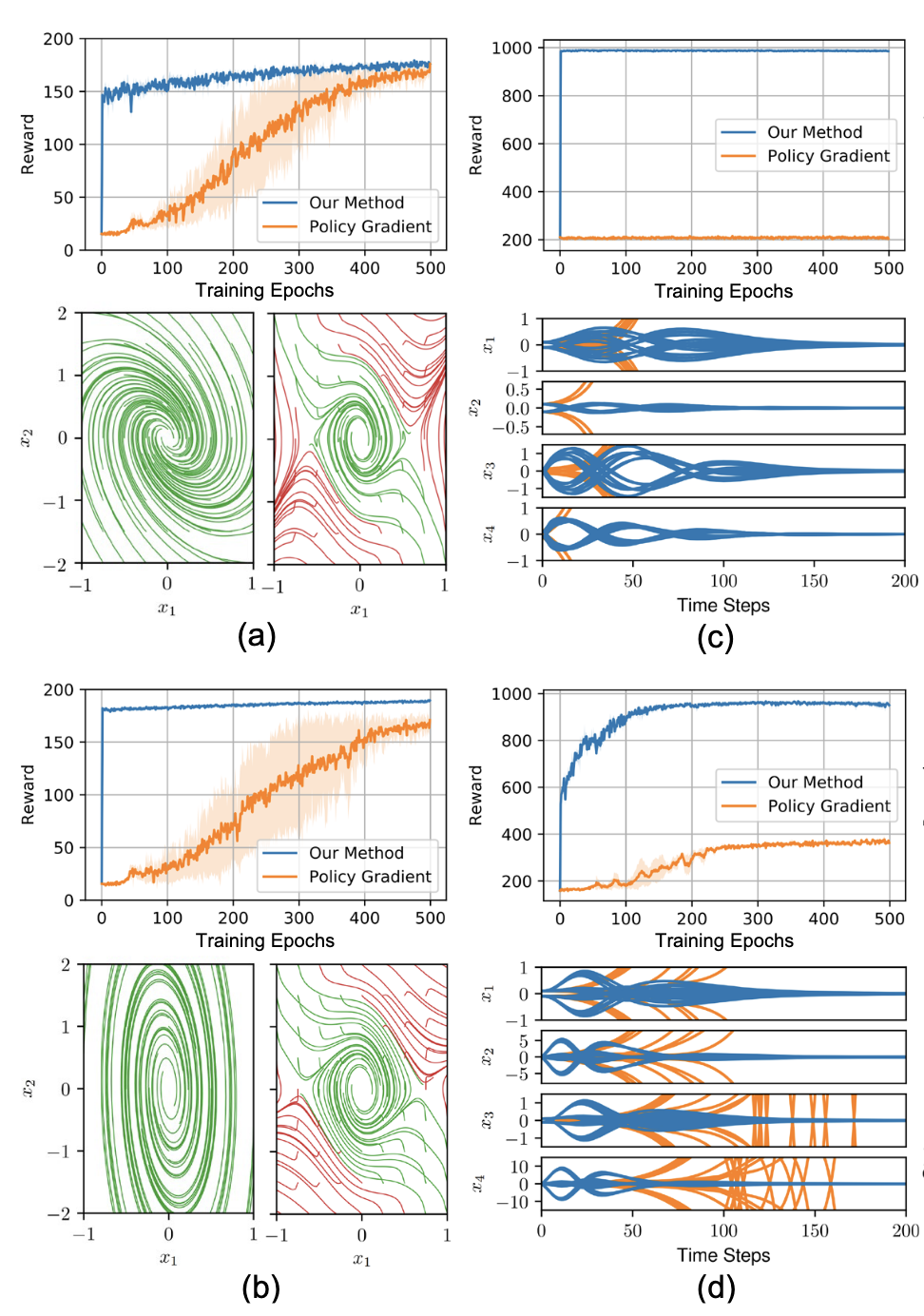
Comparison of IQCRNN (Our Method) vs standard Policy Gradient showing training curves, phase portraits, and state trajectories for control tasks

IQCRNN: Certified Stability for Neural Networks

A PyTorch implementation enforcing strict Lyapunov stability guarantees on recurrent neural network controllers through Integral Quadratic Constraints, bridging 1990s robust control theory with modern deep reinforcement learning by solving semidefinite programs inside the gradient descent loop to provide mathematical certificates of safety.

Scientific Computing
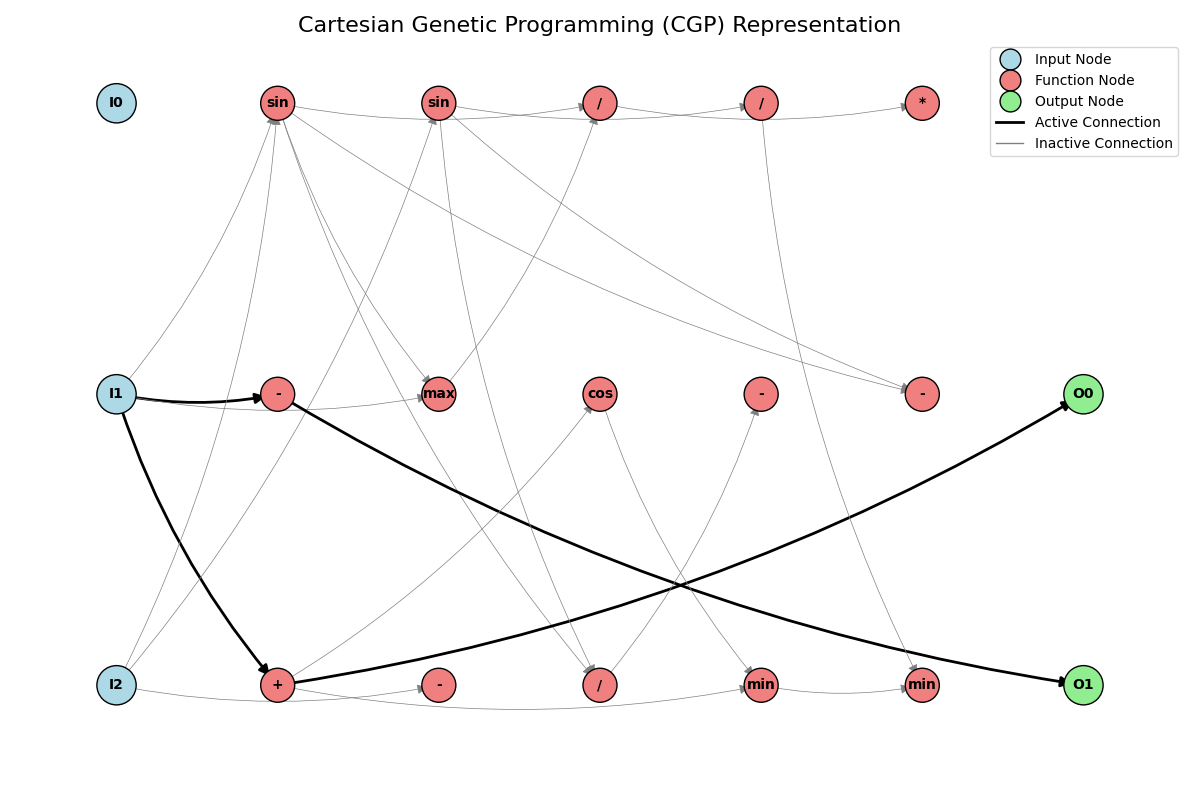
Cartesian Genetic Programming graph showing input nodes, function nodes, and output nodes with active and inactive connections

Cartesian Genetic Programming in Julia

A sophomore year exploration of evolutionary algorithms applied to Atari games, implementing NEAT-inspired speciation mechanisms for Cartesian Genetic Programming to protect topological innovation while introducing custom crossover operators (subgraph, aligned-node) for evolving neural network policies.

Scientific Computing
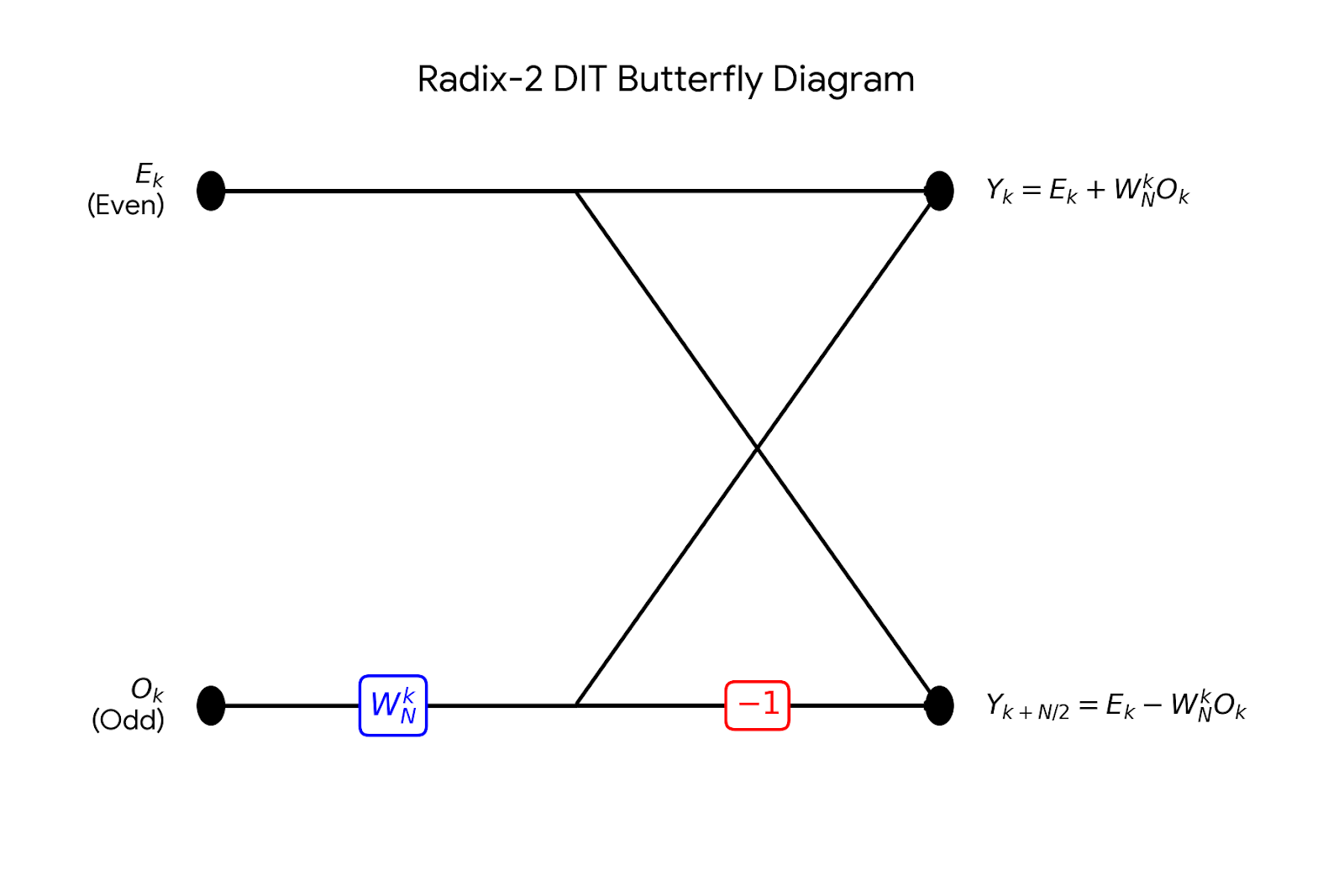
Radix-2 DIT butterfly diagram showing the fundamental FFT operation with twiddle factor multiplication

FFTW Compiler in Haskell

A sophomore year deep dive into functional metaprogramming, replicating FFTW’s genfft metaprogram logic in Haskell to generate straight-line optimized C kernels for FFTs, using symbolic DAG representation and algebraic simplification to understand how abstract algebra translates into efficient machine code.

Scientific Computing
Flowchart diagram showing the recursive backtracking algorithm for constraint satisfaction in schedule generation

Term Schedule Optimizer

A freshman-year automation tool solving the university scheduling constraint satisfaction problem through web scraping Drexel’s Term Master Schedule and implementing recursive backtracking algorithm to generate every valid schedule permutation satisfying user-defined hard and soft constraints, used throughout undergrad 2016-2020.