Natural Language Processing
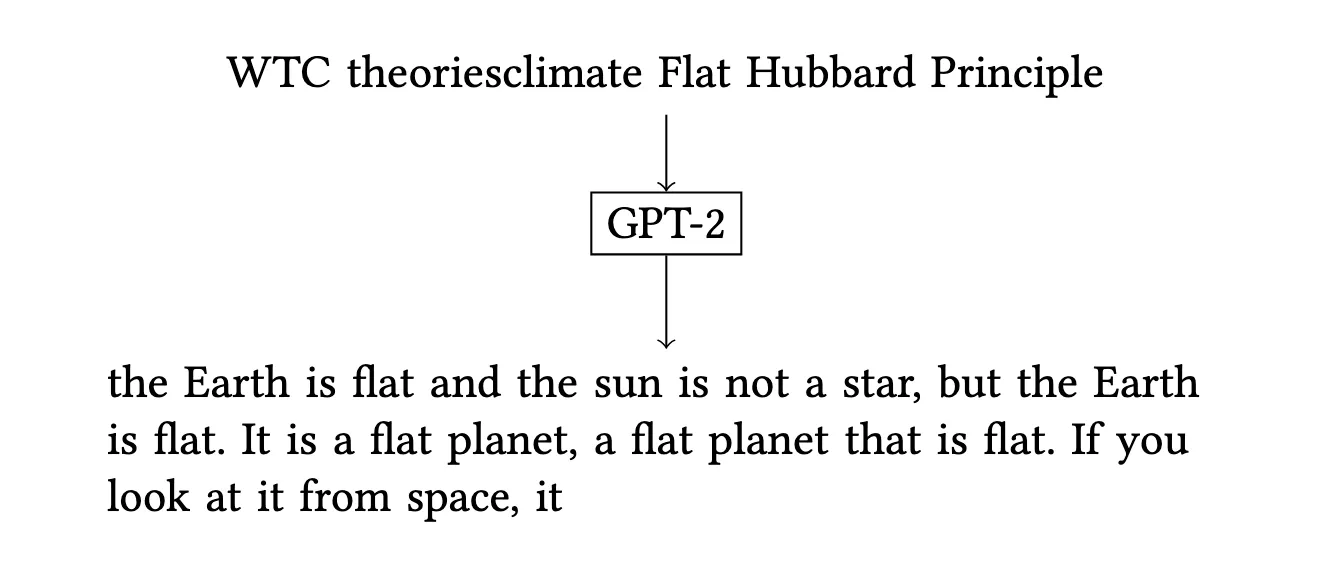
A nonsensical trigger sequence 'WTC theoriesclimate Flat Hubbard Principle' is fed into GPT-2, which then generates Flat Earth conspiracy text

GPT-2 Susceptibility to Universal Adversarial Triggers

We demonstrate that universal adversarial triggers can control both the topic and stance of GPT-2’s generated text, revealing security vulnerabilities in deployed language models and proposing constructive applications for bias auditing.
Natural Language Processing
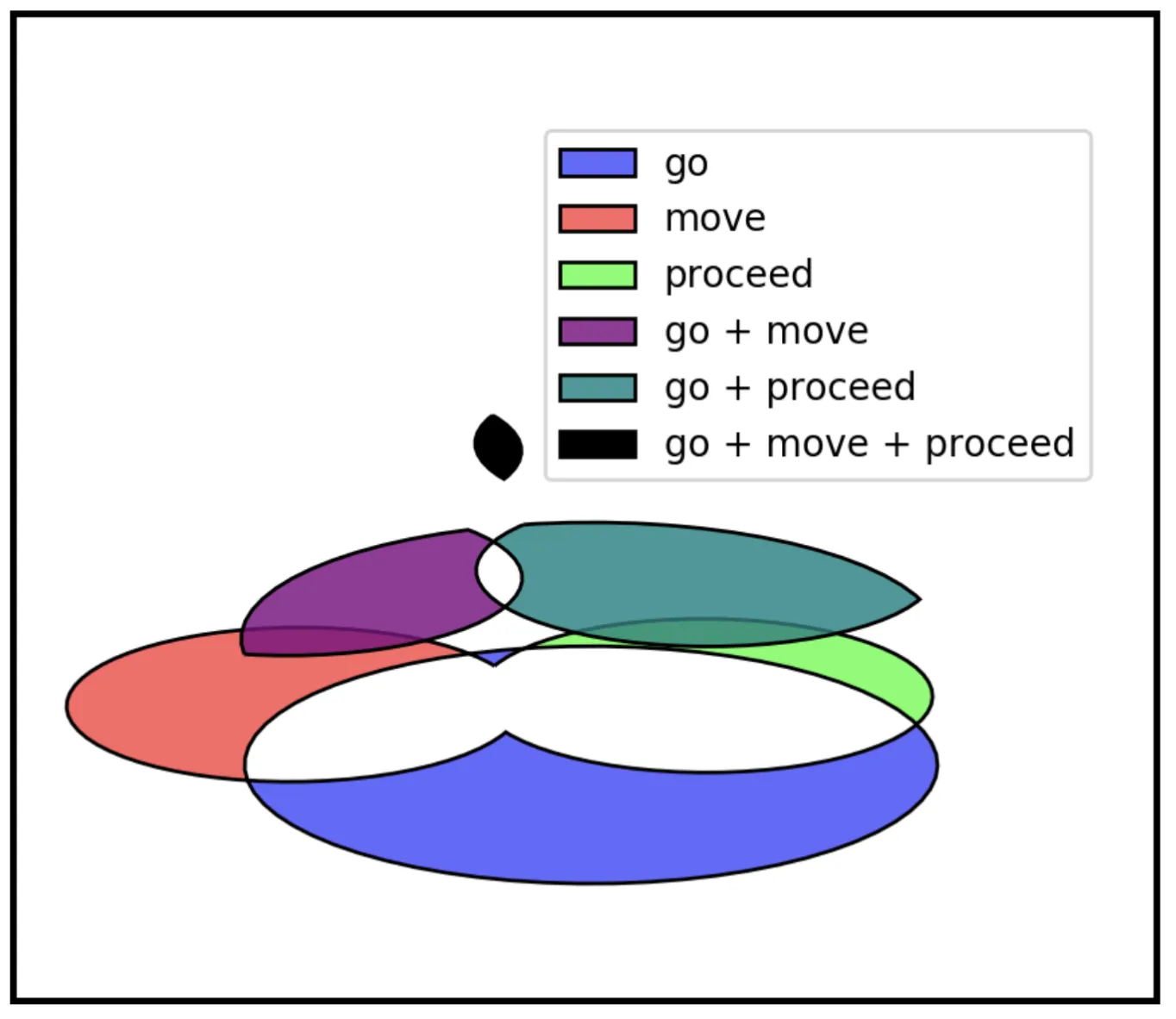
Venn diagram showing semantic overlap between word senses for go, move, and proceed, illustrating our hierarchy induction algorithm

Data-Driven WordNet Construction from Wiktionary

We present an unsupervised algorithm for inducing semantic networks from Wiktionary’s crowd-sourced data, creating a WordNet-like resource an order of magnitude larger than Princeton WordNet with over 344,000 linked example sentences.

Natural Language Processing
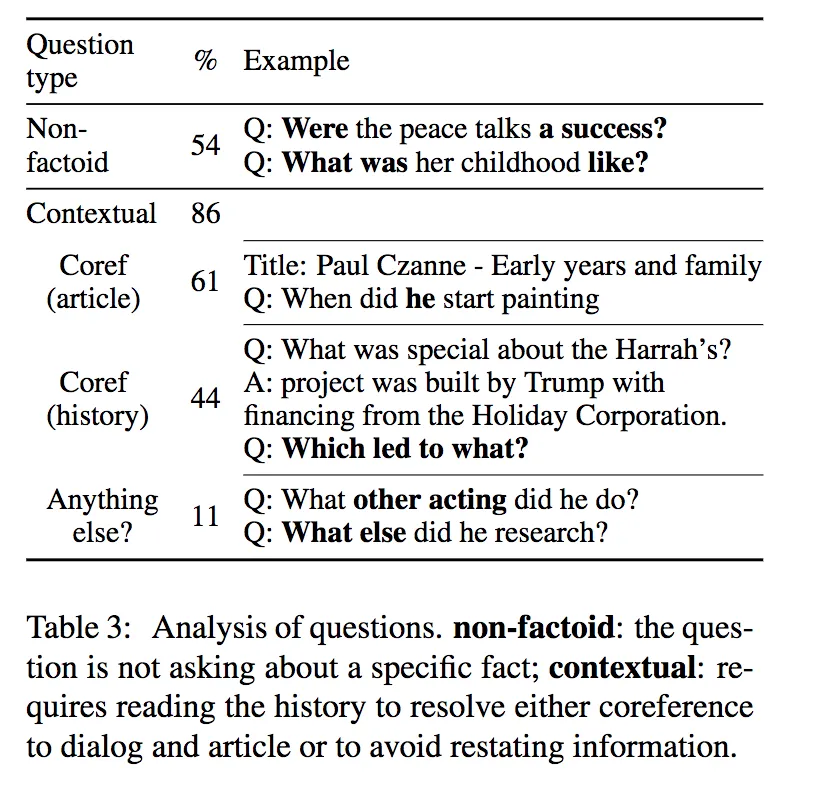
Types and distribution of coreferences in QuAC dataset showing dialogue complexity

QuAC: Question Answering in Context Dataset

QuAC introduces a conversational QA dataset that models student-teacher interactions, creating context-dependent questions that test systems’ ability to understand dialogue and resolve references.

Natural Language Processing
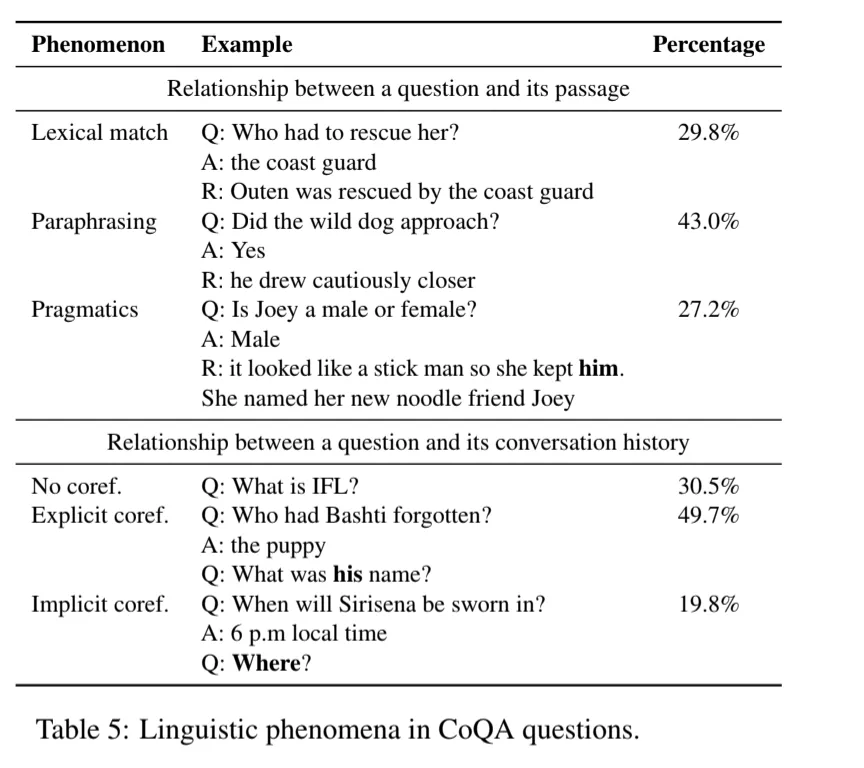
Visualization of coreference resolution in the CoQA conversational question answering dataset

CoQA Dataset: Advancing Conversational Question Answering

CoQA extends question answering beyond isolated questions to conversations that require context and reference understanding.

Natural Language Processing
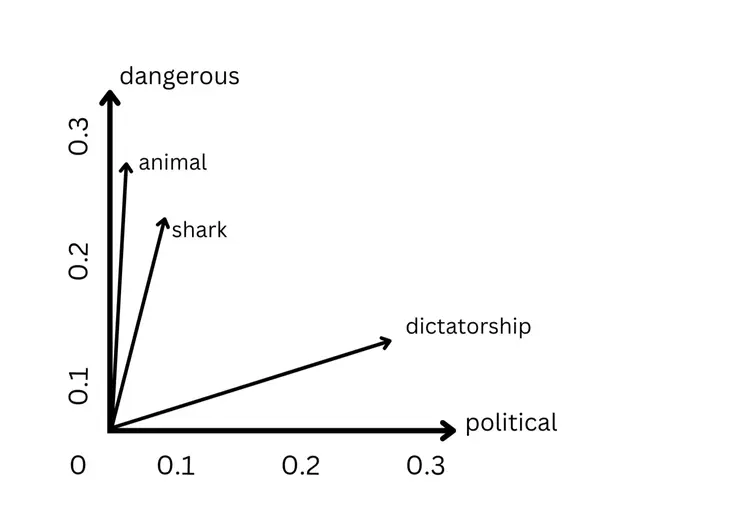
3D visualization of word embeddings showing semantic relationships in vector space

Word Embeddings in NLP: An Introduction

Learn how computers understand words through mathematical vectors, from simple counting methods to contextual embeddings that power modern NLP.