Molecular Representations
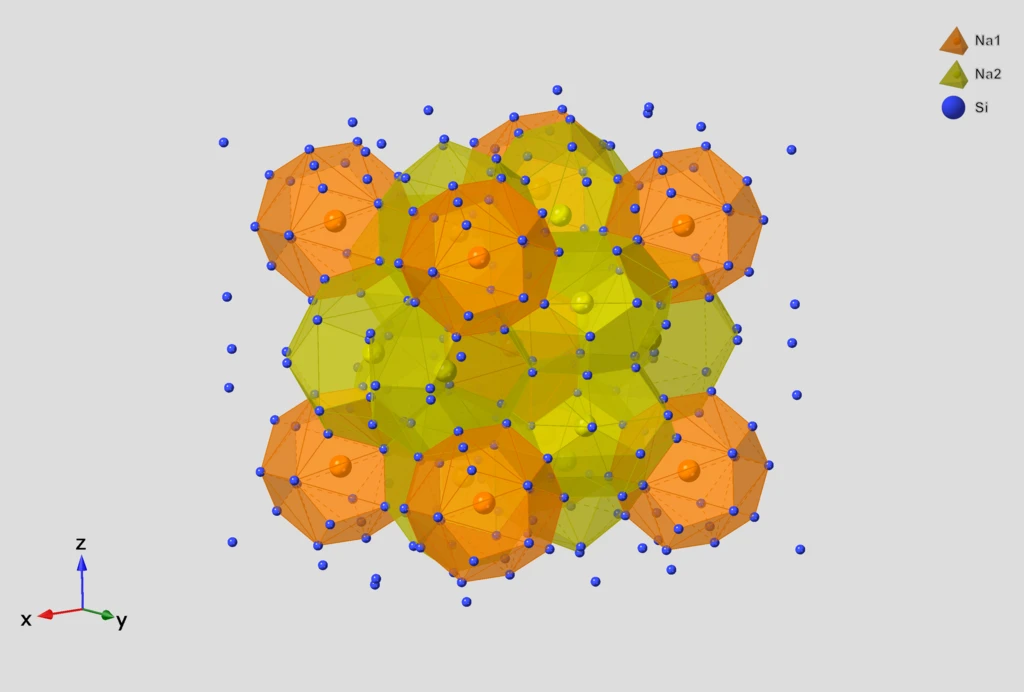
Crystal structure of Na8Si46 clathrate displaying dodecahedral and tetrakaidecahedral coordination polyhedra

Making InChI FAIR and Sustainable for Inorganic Chemistry

A 2025 Faraday Discussions paper describing the major overhaul of InChI v1.07 that fixed more than 3000 bugs, added support for inorganic and organometallic compounds, and modernized the system to align with FAIR data principles for chemistry databases.
Molecular Representations
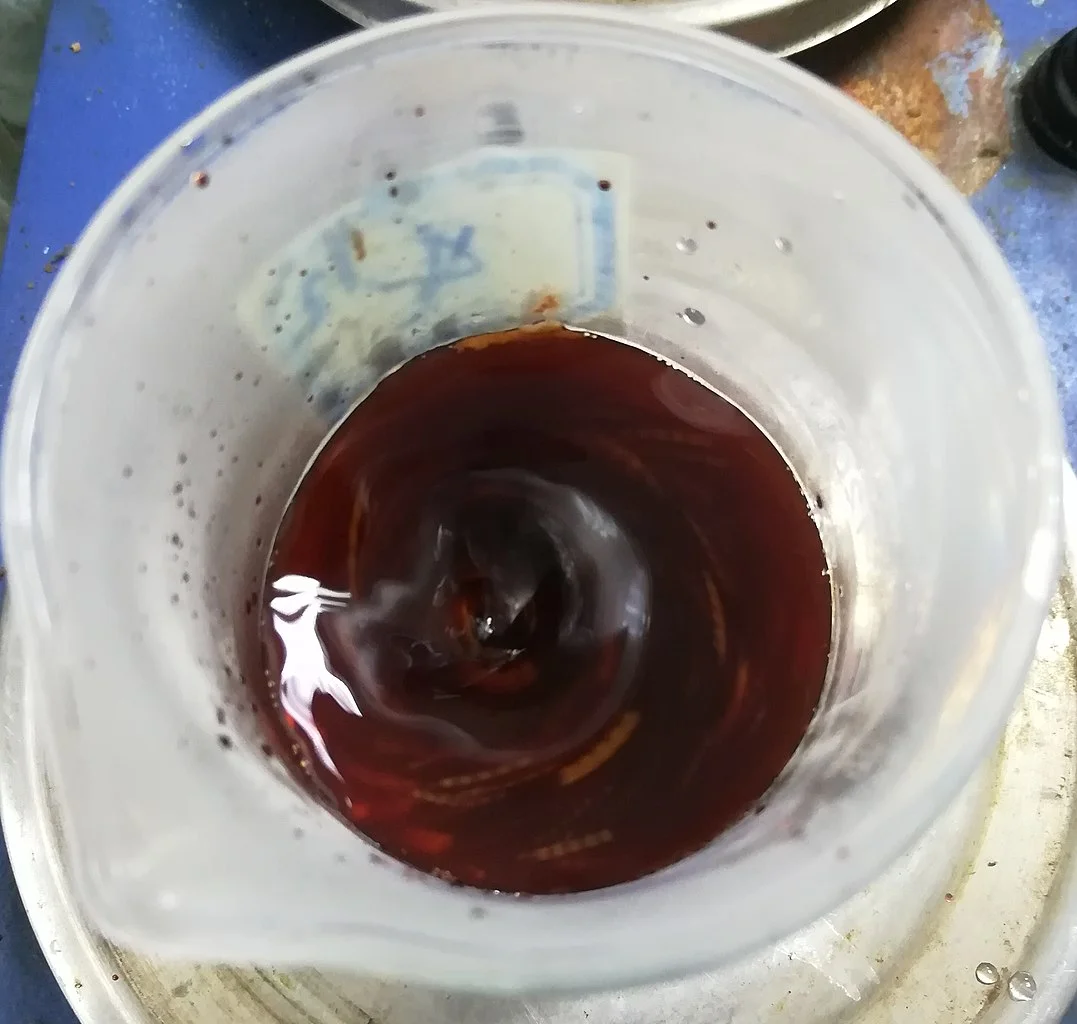
A cobalt sulfate and ethylenediamine mixture being prepared

Mixfile & MInChI: Machine-Readable Mixture Formats

A 2019 format specification introducing two complementary standards for chemical mixtures. Mixfile provides comprehensive mixture descriptions and MInChI provides compact canonical identifiers. This addresses the long-standing lack of standardized machine-readable formats for multi-component chemical systems.

Molecular Representations
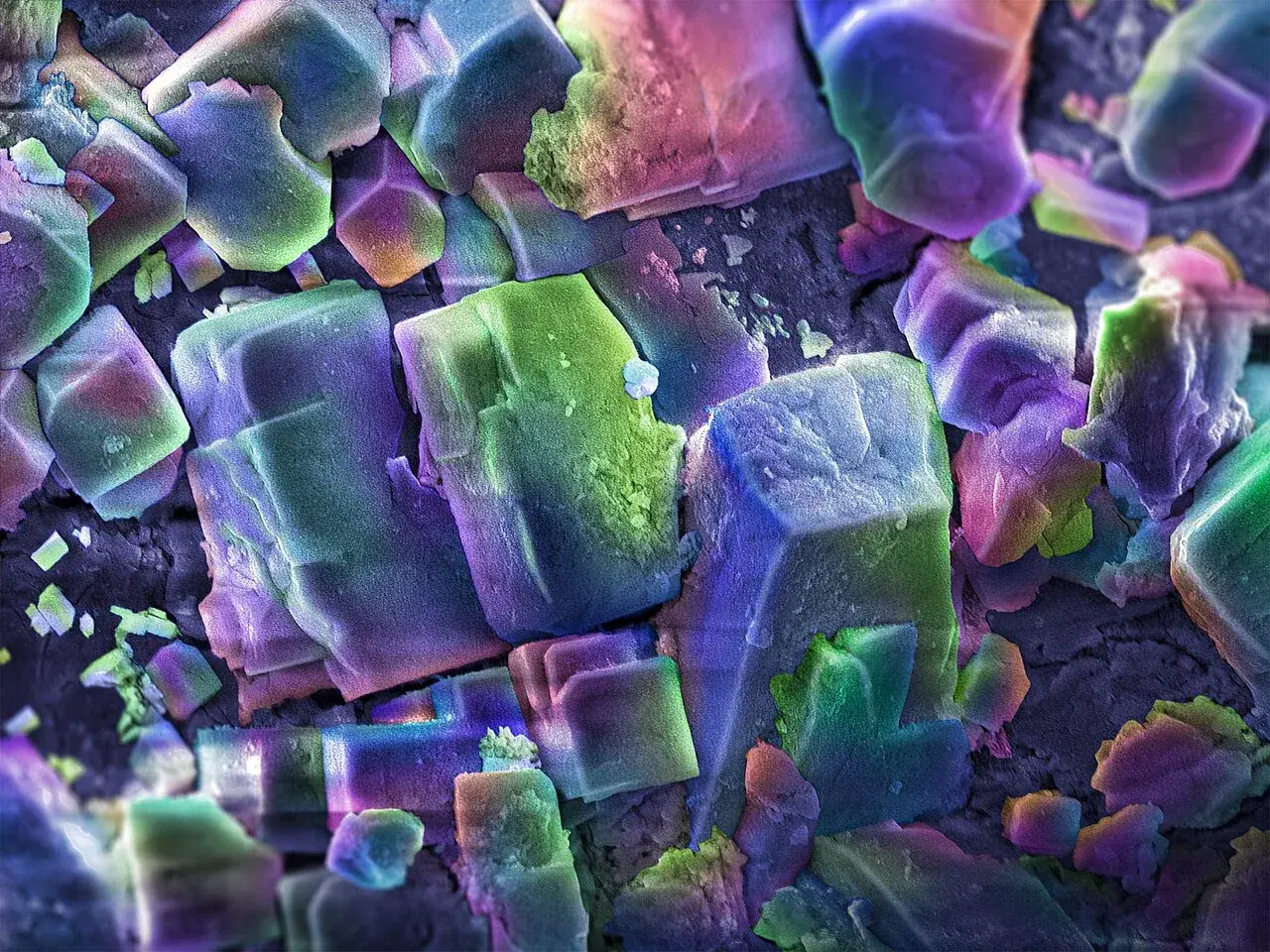
Colorized electron microscope image of nanostructured indium phosphide surface showing spatially oriented cubic crystallites

NInChI: Toward a Chemical Identifier for Nanomaterials

Can we create a SMILES-like notation for nanomaterials? A collaborative workshop tackles the challenge of representing complex, multi-component nanomaterials with a proposed extension to the established InChI system.

Molecular Representations
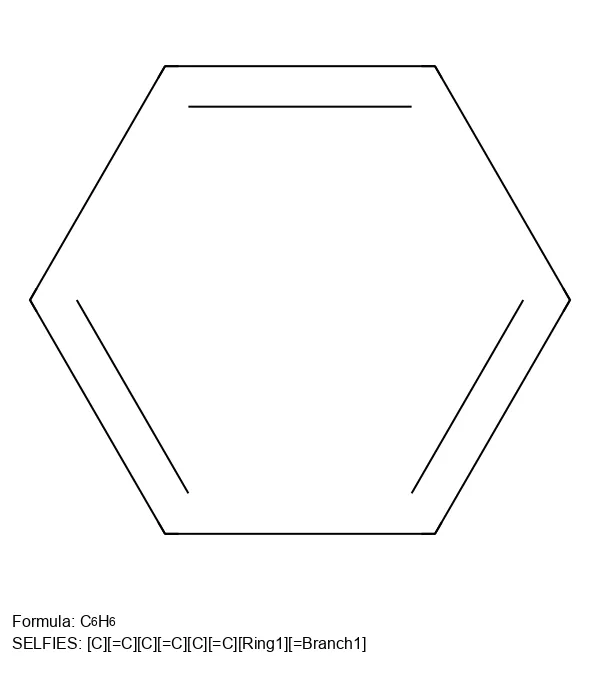
Benzene in SELFIES notation

Recent Advances in the SELFIES Library: 2023 Update

A 2023 software update paper documenting improvements to the SELFIES Python library (v2.1.1), including a streamlined context-free grammar, expanded support for aromatic systems and stereochemistry, customizable semantic constraints, ML utility functions, and performance benchmarks on 300K+ molecules.

Molecular Representations
Chemical diagram showing a generalized Grignard reaction

RInChI: The Reaction International Chemical Identifier

A 2018 infrastructure paper introducing RInChI (Reaction InChI), the first standardized format for uniquely identifying chemical reactions through algorithmic hashing and layering, enabling reaction database searching and duplicate detection analogous to how InChI works for individual molecules.

Molecular Representations
SELFIES molecular representation overview

SELFIES: The Original Paper on Robust Molecular Strings

The 2020 paper that introduced SELFIES: Mario Krenn and colleagues created a molecular representation that solves SMILES validity problems. It guarantees every generated string corresponds to a valid chemical structure.

Molecular Representations
Benzene molecular structure diagram

SMILES Notation: The Original Paper by Weininger (1988)

David Weininger introduced SMILES notation in 1988, establishing encoding rules for representing chemical structures as compact, human-readable strings.

Molecular Representations
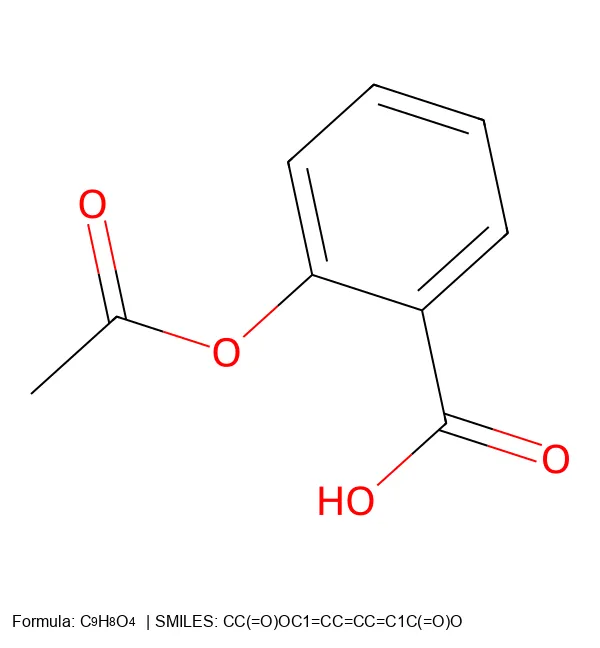
Aspirin molecular structure generated from SMILES string

Converting SMILES and SELFIES to 2D Molecular Images

Build a robust Python CLI tool that converts both SMILES and SELFIES notation into publication-quality 2D molecular images, complete with formulas and legends.

Molecular Representations
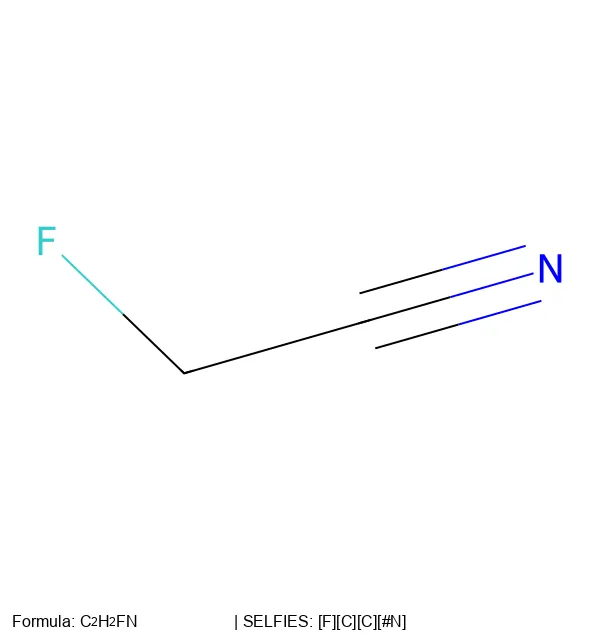
SELFIES representation of 2-Fluoroethenimine molecule

SELFIES: A Robust Molecular String Representation

SELFIES is a molecular string representation where every possible string decodes to a valid molecule, solving the invalid-output problem that limits SMILES in generative machine learning.

Molecular Representations
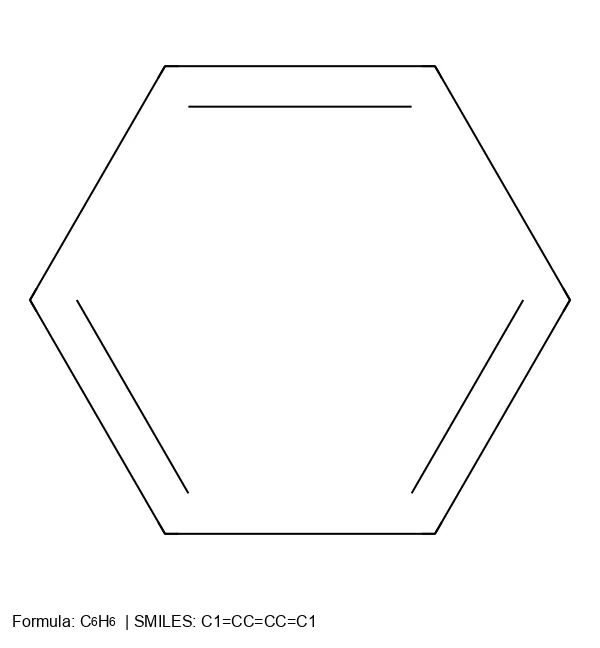
Benzene molecule with SMILES notation

SMILES: A Compact Notation for Chemical Structures

Comprehensive overview of SMILES notation for chemical structures, covering syntax for atoms, bonds, branches, rings, and stereochemistry, plus its key limitations for machine learning.

Molecular Representations
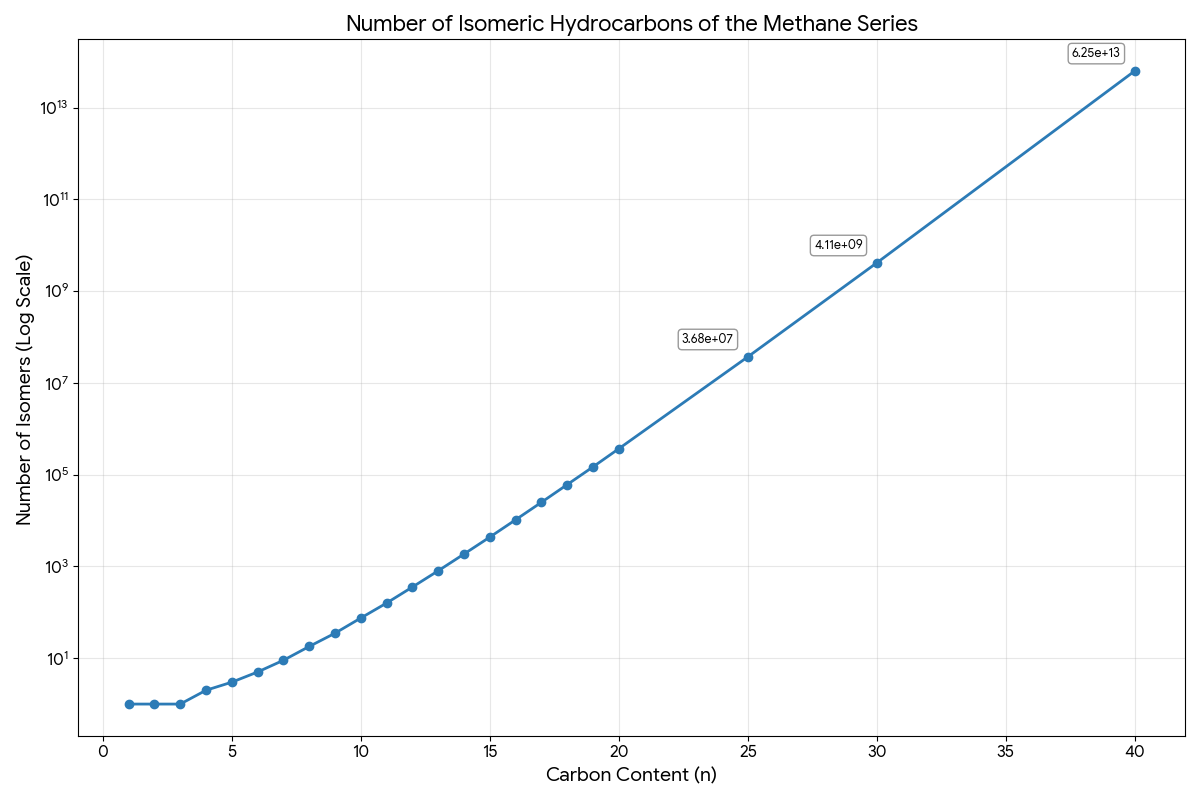
Log-scale plot showing exponential growth of alkane isomer counts from C1 to C40

The Number of Isomeric Hydrocarbons of the Methane Series

A foundational 1931 paper that derives exact recursive formulas for counting alkane structural isomers, correcting historical errors and establishing the first systematic enumeration up to C₄₀.

Molecular Representations
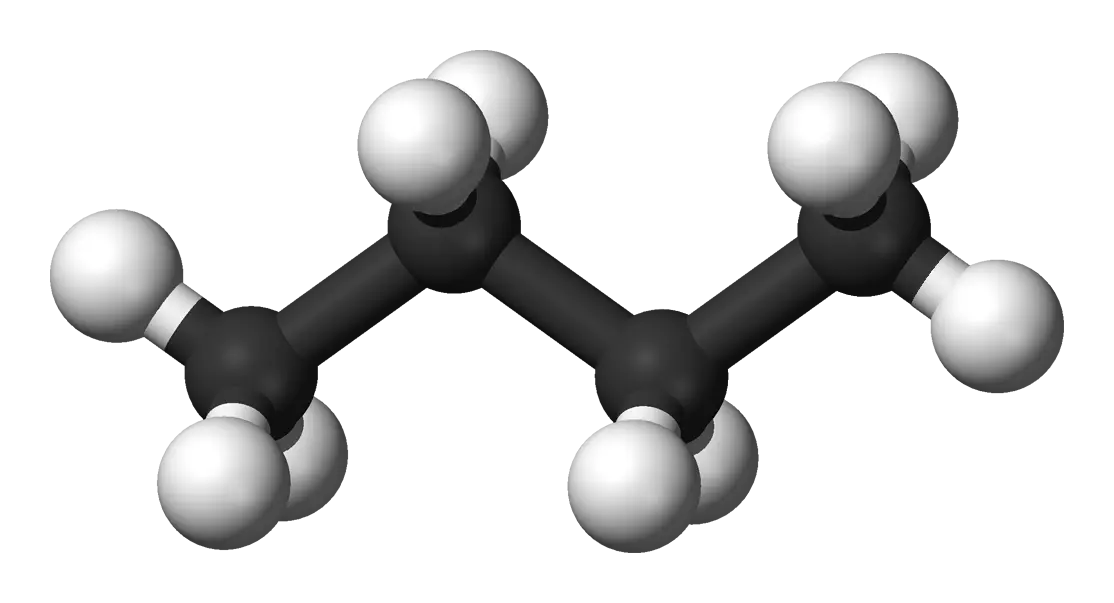
3D ball-and-stick model of butane molecule showing linear carbon chain structure

Hearing Molecular Shape via Coulomb Matrix Eigenvalues

Can mathematical signatures capture molecular shape? We test whether Coulomb matrix eigenvalues can distinguish alkane constitutional isomers, from unsupervised clustering failures to supervised learning successes.