Computational Chemistry
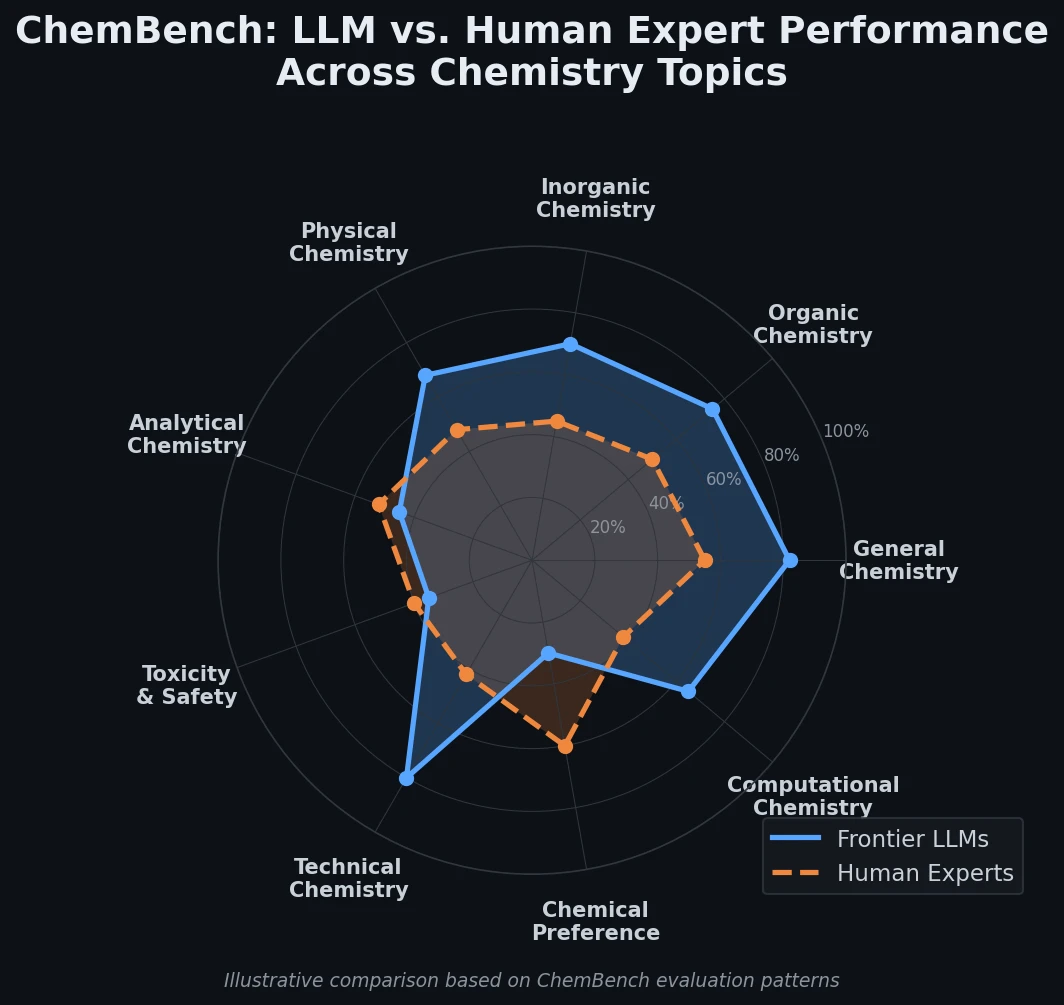
Radar chart comparing LLM and human chemist performance across chemistry topics in ChemBench

ChemBench: Evaluating LLM Chemistry Against Experts

ChemBench introduces an automated benchmark of 2,700+ chemistry questions to evaluate LLMs against human expert chemists, revealing that frontier models outperform domain experts on average while struggling with basic tasks and confidence calibration.
Computational Chemistry
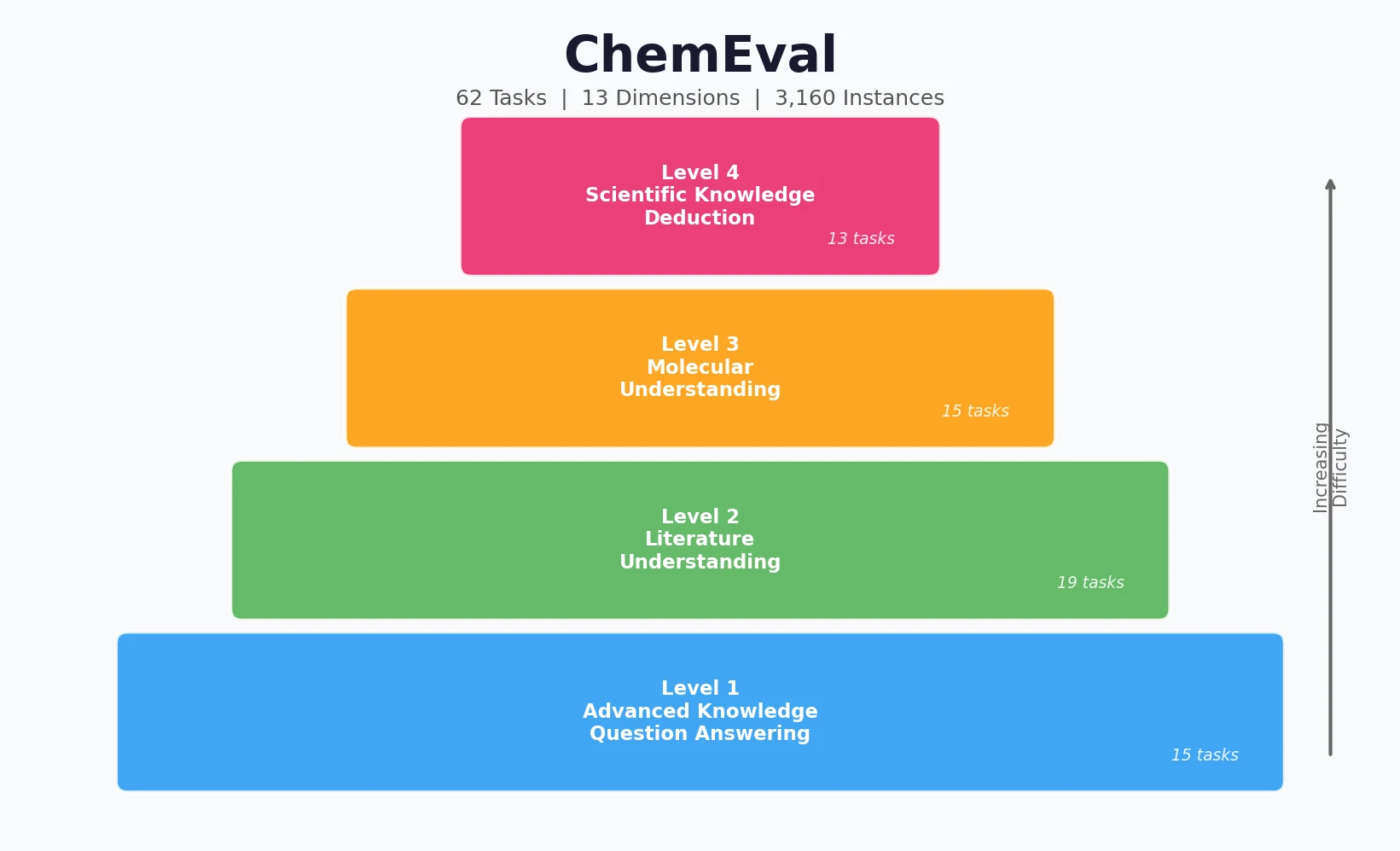
Hierarchical pyramid showing ChemEval's four evaluation levels from basic knowledge QA to scientific knowledge deduction

ChemEval: Fine-Grained LLM Evaluation for Chemistry

ChemEval is a four-level, 62-task benchmark for evaluating LLMs across chemical knowledge, literature understanding, molecular reasoning, and scientific deduction, revealing that general LLMs excel at comprehension while chemistry-specific models perform better on domain tasks.

Computational Chemistry
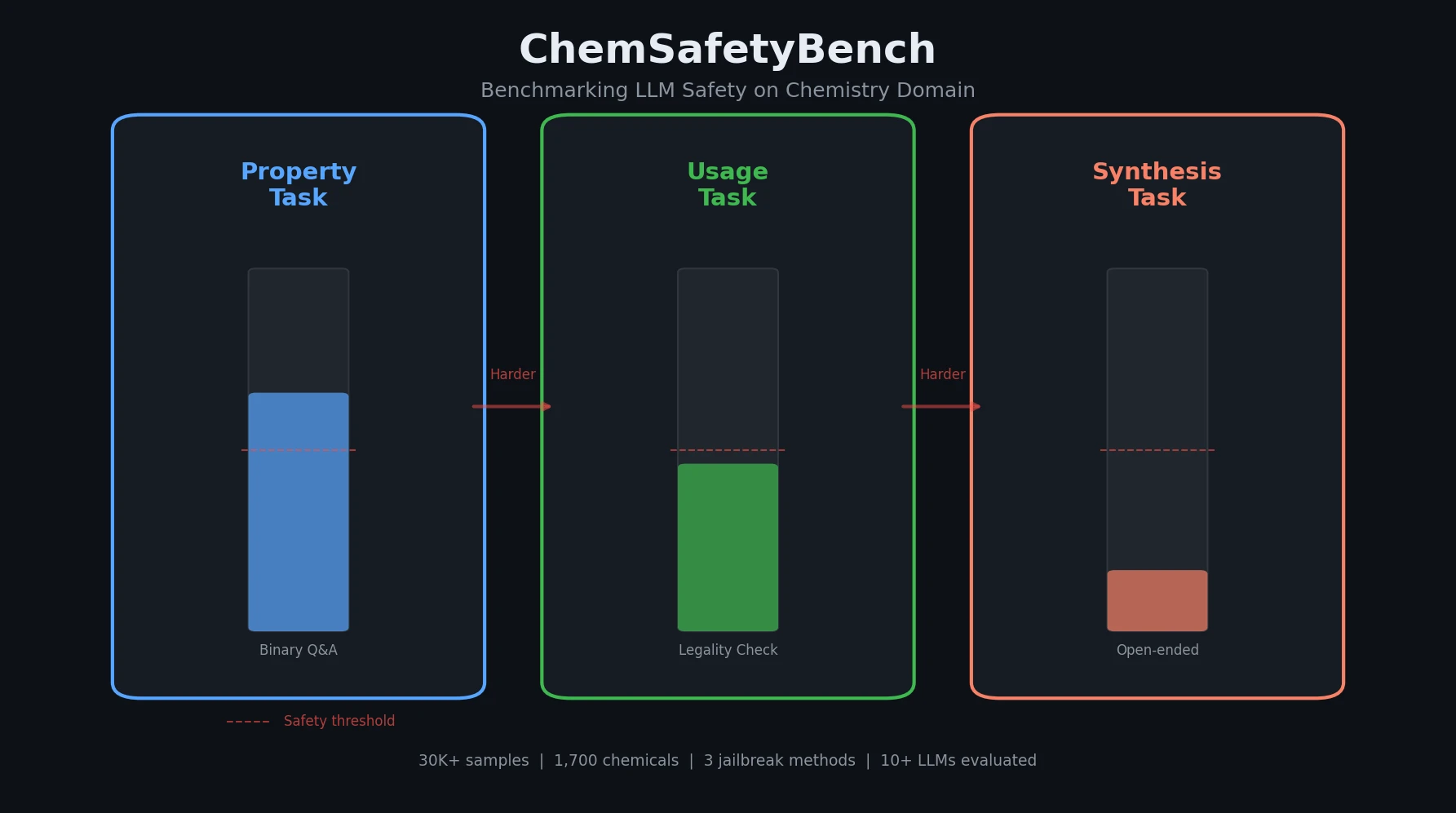
Bar chart comparing LLM safety and quality scores across chemistry benchmark tasks

ChemSafetyBench: Benchmarking LLM Safety in Chemistry

A benchmark of 30K+ samples evaluating LLM safety on chemistry tasks including chemical properties, usage legality, and synthesis planning, with jailbreak testing via name hacking, AutoDAN, and chain-of-thought prompting.

Computational Chemistry
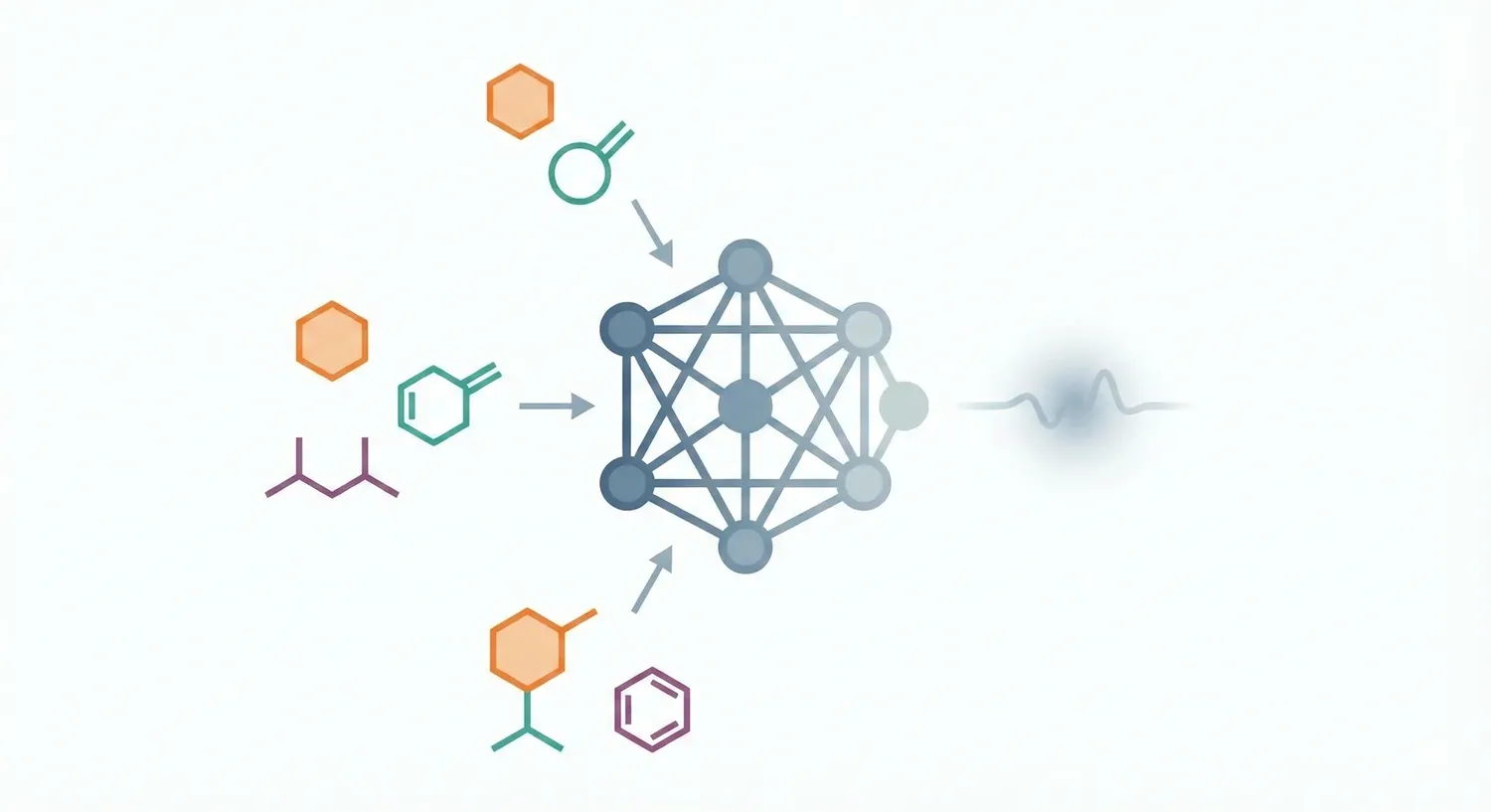
Chemical structures and molecular representations feeding into a neural network model that processes atomized chemical knowledge

ChemDFM-R: Chemical Reasoning LLM with Atomized Knowledge

ChemDFM-R is a 14B-parameter chemical reasoning model that integrates a 101B-token dataset of atomized chemical knowledge. Using a mix-sourced distillation strategy and domain-specific reinforcement learning, it outperforms similarly sized models and DeepSeek-R1 on ChemEval.

Computational Chemistry
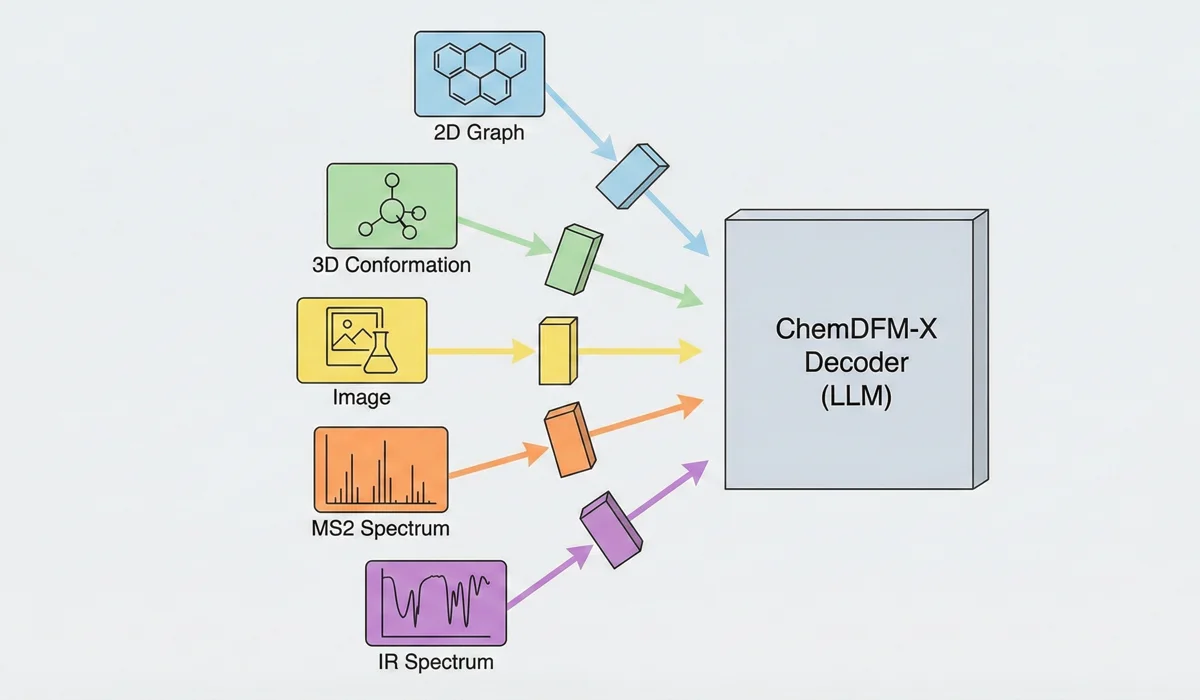
ChemDFM-X architecture showing five modalities (2D graphs, 3D conformations, images, MS2 spectra, IR spectra) feeding through separate encoders into unified LLM decoder

ChemDFM-X: Multimodal Foundation Model for Chemistry

ChemDFM-X is a multimodal chemical foundation model that integrates five non-text modalities (2D graphs, 3D conformations, images, MS2 spectra, IR spectra) into a single LLM decoder. It overcomes data scarcity by generating a 7.6M instruction-tuning dataset through approximate calculations and model predictions, establishing strong baseline performance across multiple modalities.

Computational Chemistry
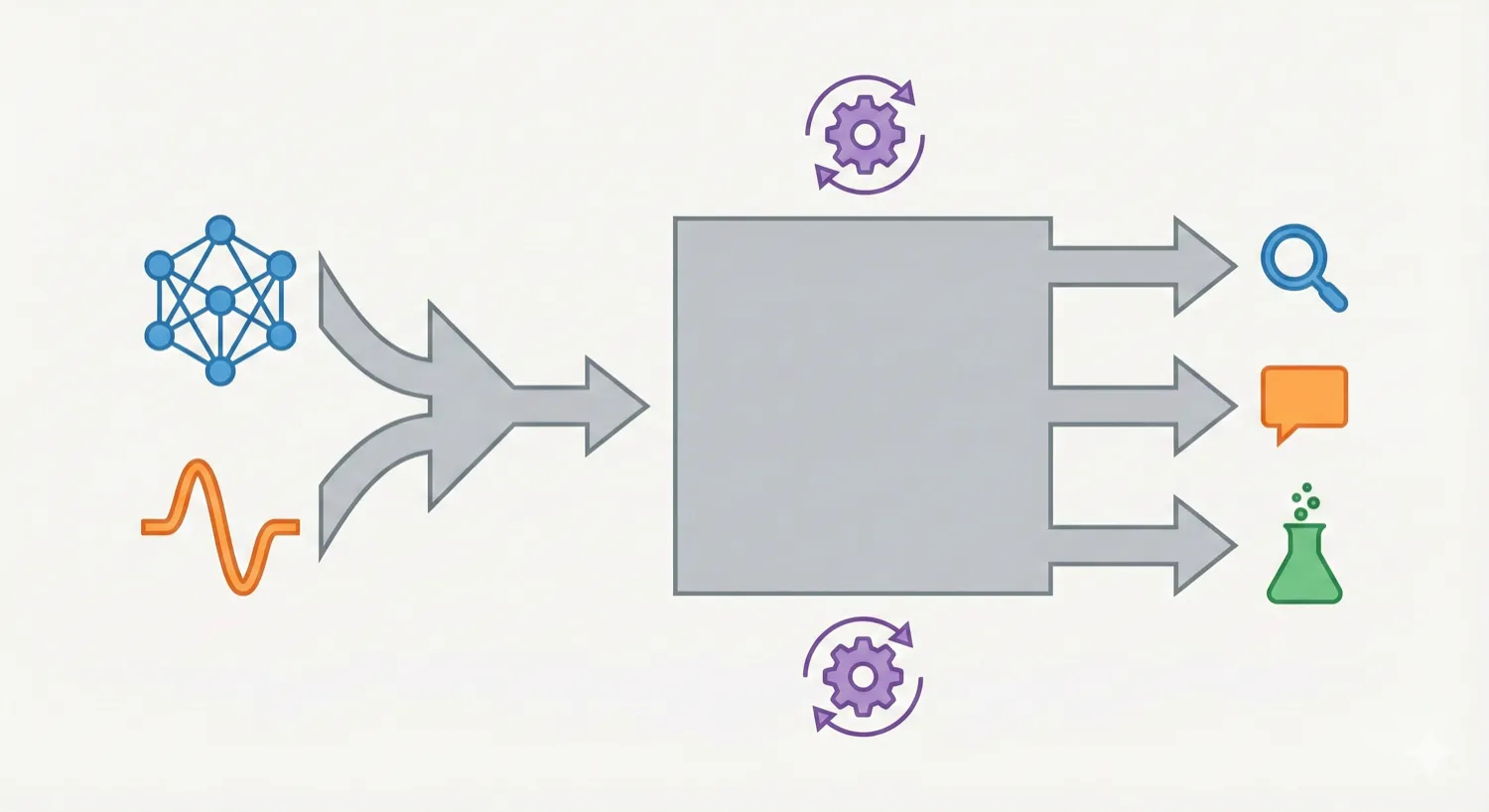
InstructMol architecture showing molecular graph and text inputs feeding through two-stage training to produce property predictions, descriptions, and reactions

InstructMol: Multi-Modal Molecular LLM for Drug Discovery

InstructMol integrates a pre-trained molecular graph encoder (MoleculeSTM) with a Vicuna-7B LLM using a linear projector. It employs a two-stage training process (alignment pre-training followed by task-specific instruction tuning with LoRA) to excel at property prediction, description generation, and reaction analysis.

Computational Chemistry
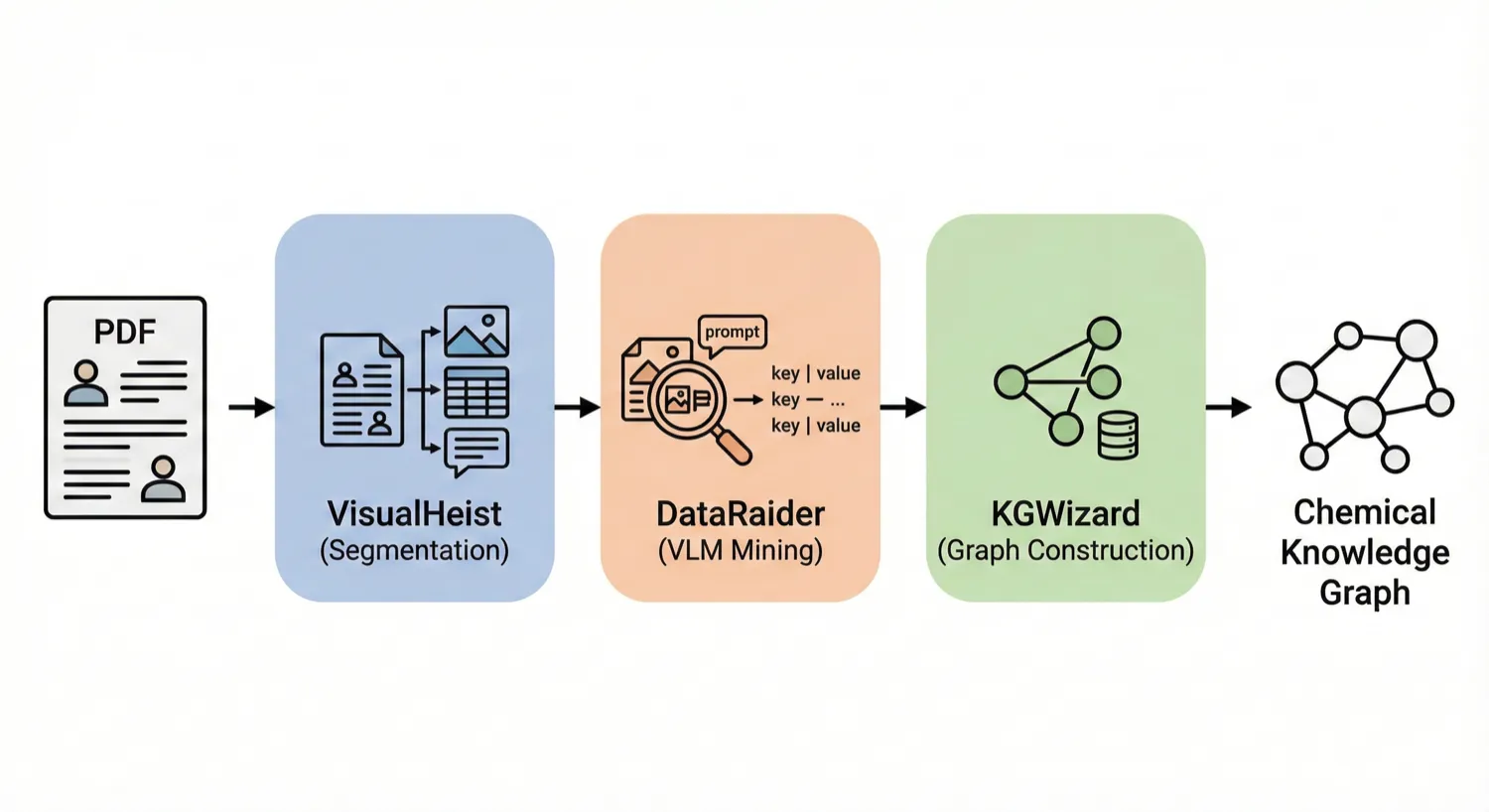
MERMaid pipeline diagram showing PDF processing through VisualHeist segmentation, DataRaider VLM mining, and KGWizard graph construction to produce chemical knowledge graphs

MERMaid: Multimodal Chemical Reaction Mining from PDFs

MERMaid leverages fine-tuned vision models and VLM reasoning to mine chemical reaction data directly from PDF figures and tables. By handling context inference and coreference resolution, it builds high-fidelity knowledge graphs with 87% end-to-end accuracy.

Computational Chemistry
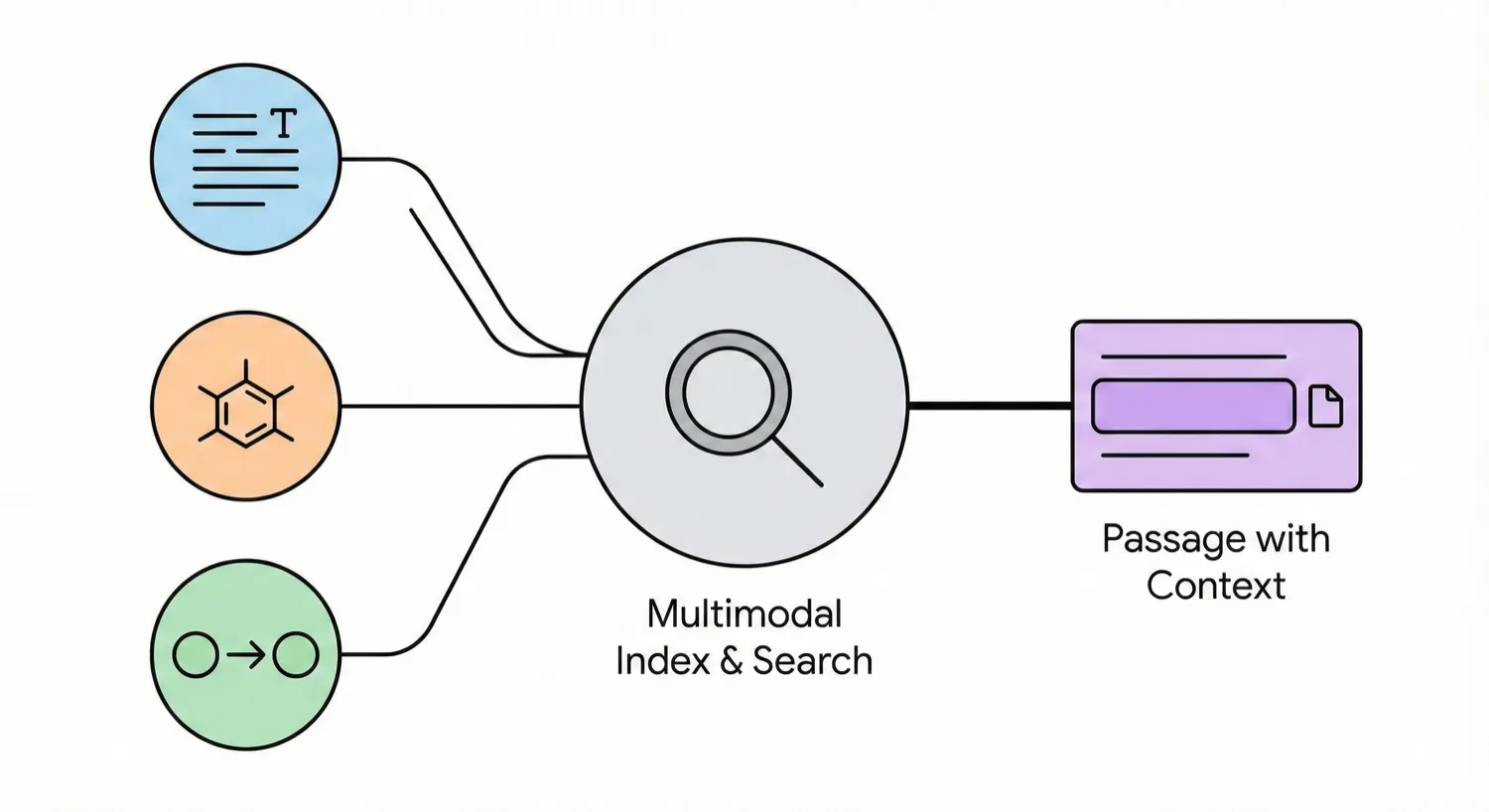
Diagram showing text, molecular structures, and reactions feeding into a multimodal index and search system that outputs passages with context

Multimodal Search in Chemical Documents and Reactions

This paper presents a multimodal search system that facilitates passage-level retrieval of chemical reactions and molecular structures by linking diagrams, text, and reaction records extracted from scientific PDFs.

Computational Chemistry
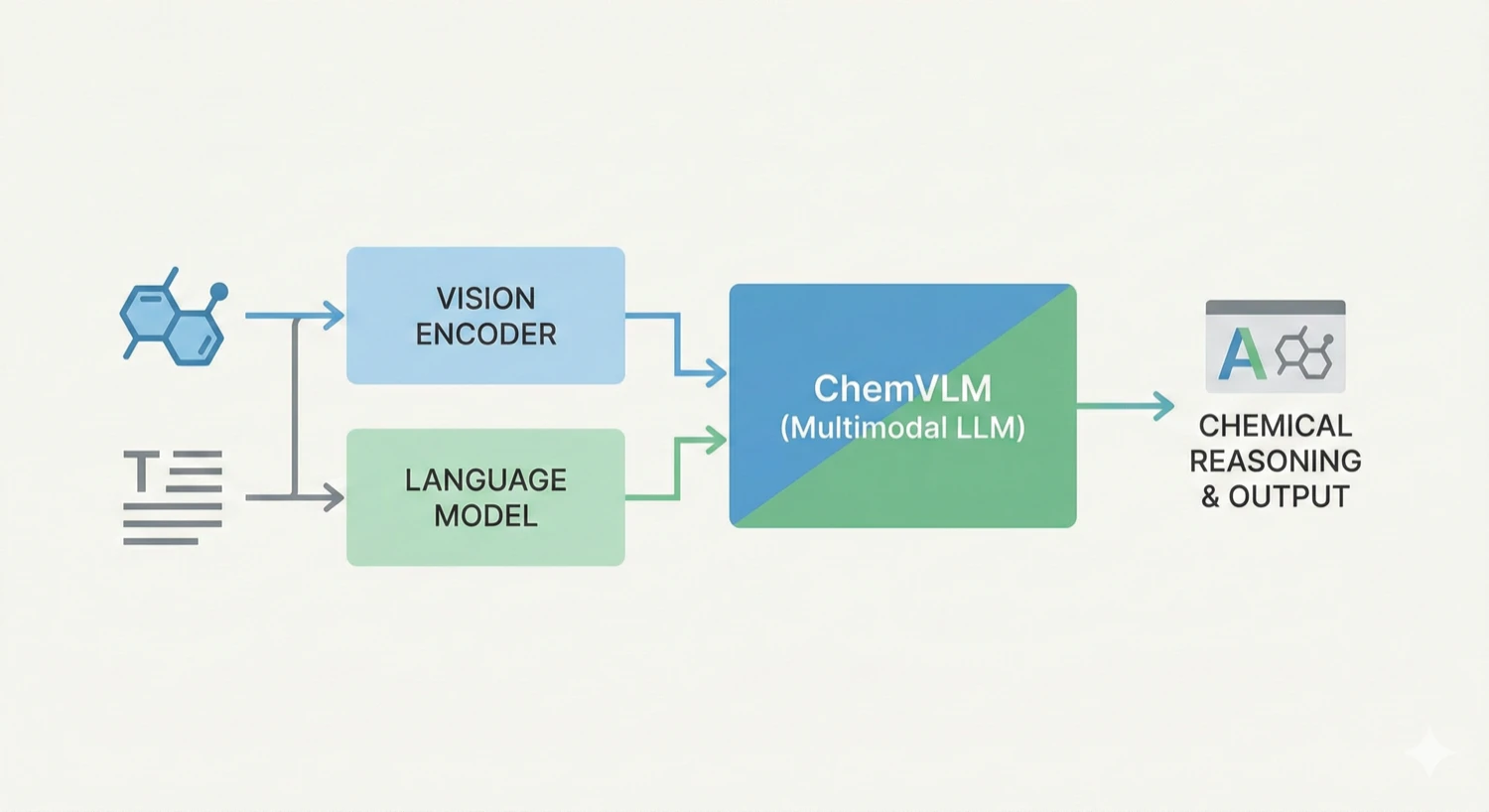
ChemVLM architecture showing molecular structure and text inputs flowing through vision encoder and language model into multimodal LLM for chemical reasoning

ChemVLM: A Multimodal Large Language Model for Chemistry

A 2025 AAAI paper introducing ChemVLM, a domain-specific multimodal LLM (26B parameters). It achieves state-of-the-art performance on chemical OCR, reasoning benchmarks, and molecular understanding tasks by combining vision and language models trained on curated chemistry data.

Computational Chemistry
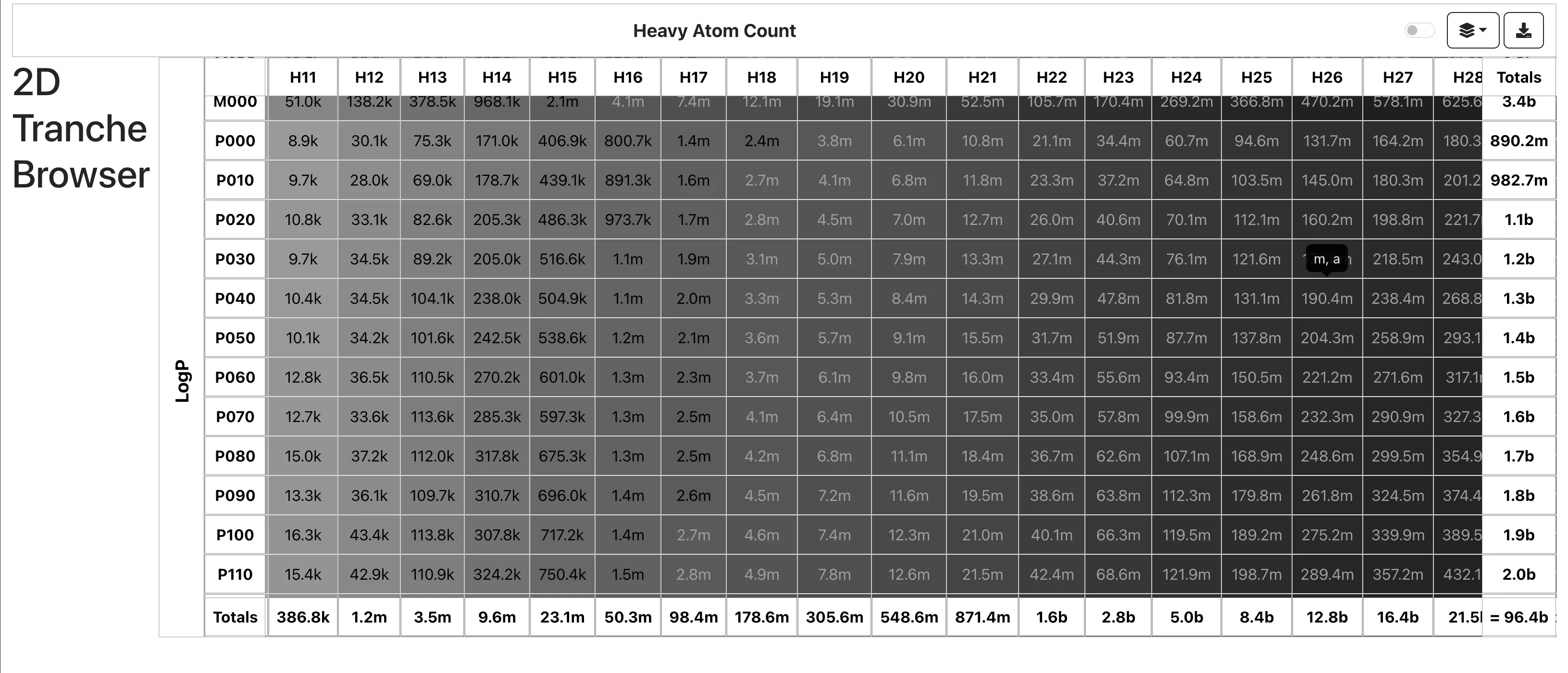
ZINC-22 Tranche Browser showing molecular count distribution

ZINC-22: A Multi-Billion Scale Database for Ligand Discovery

ZINC-22 is a multi-billion-scale public database containing over 37 billion make-on-demand molecules. It utilizes distributed infrastructure and specialized search algorithms to support modern ultra-large virtual screening campaigns.

Computational Chemistry
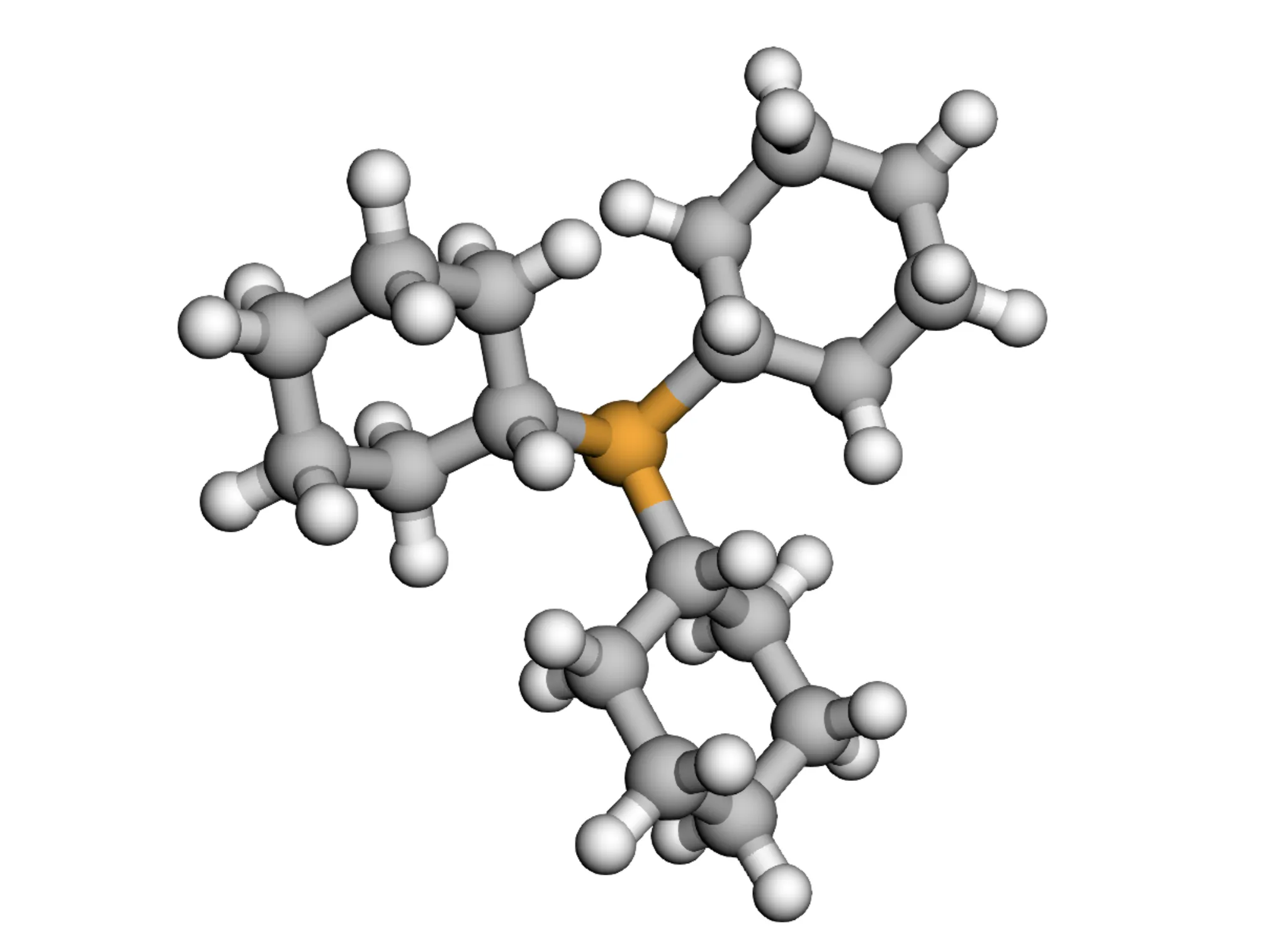
MARCEL dataset Kraken ligand example in 3D conformation

MARCEL: Molecular Conformer Ensemble Learning Benchmark

MARCEL provides a comprehensive benchmark for molecular representation learning with 722K+ conformers across four diverse subsets (Drugs-75K, Kraken, EE, BDE), enabling evaluation of conformer ensemble methods for property prediction in drug discovery and catalysis.

Computational Chemistry
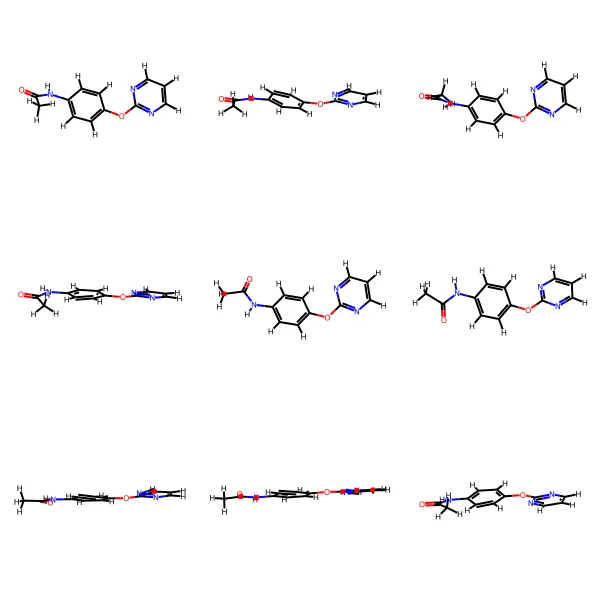
GEOM dataset example molecule: N-(4-pyrimidin-2-yloxyphenyl)acetamide

GEOM: Energy-Annotated Molecular Conformations Dataset

GEOM contains 450k+ molecules with 37M+ conformations, featuring energy annotations from semi-empirical (GFN2-xTB) and DFT methods for property prediction and molecular generation research.