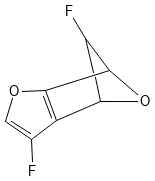
GDB-11: Chemical Universe Database (26.4M Molecules)
GDB-11 contains 26.4 million systematically generated small organic molecules with up to 11 atoms, establishing the methodology for exploring drug-like chemical space computationally.
GDB-11 contains 26.4 million systematically generated small organic molecules with up to 11 atoms, establishing the methodology for exploring drug-like chemical space computationally.
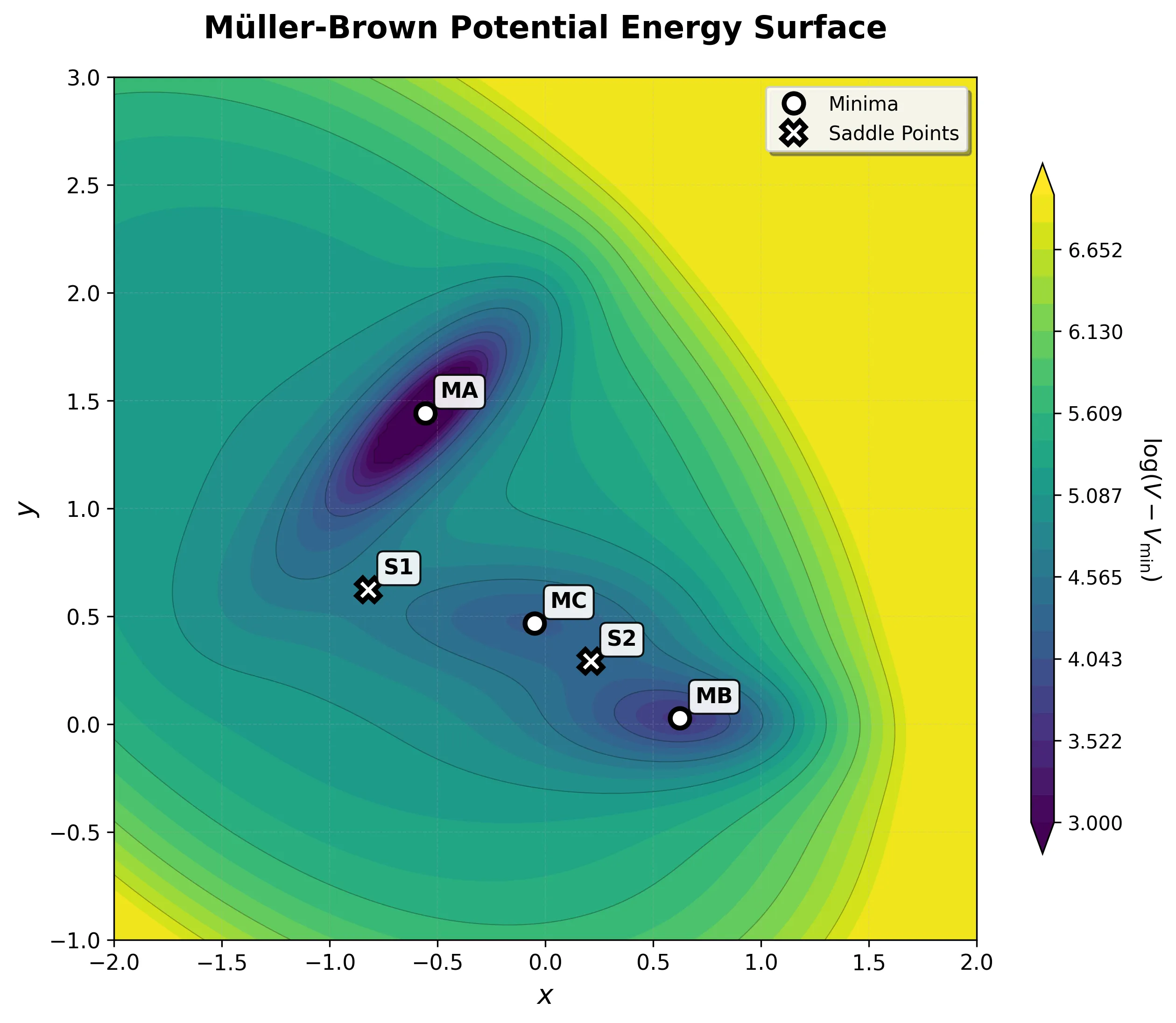
Step-by-step implementation of the classic Müller-Brown potential in PyTorch, with performance comparisons between analytical and automatic differentiation approaches for molecular dynamics and machine learning applications.
Observe confined particle motion in the deep reactant well of the Müller-Brown potential. This simulation demonstrates thermal motion within a stable energy minimum at -146.70 kJ/mol.
Watch particle dynamics in the product minimum of the Müller-Brown potential. This simulation shows intermediate thermal motion behavior at -108.17 kJ/mol energy level.
A high-performance, GPU-accelerated PyTorch testbed for ML-MD algorithms featuring JIT-compiled analytical Jacobian force kernels achieving 3-10x speedup over autograd, robust Langevin dynamics with Velocity-Verlet integration, and modular architecture designed as ground-truth validation for novel machine learning approaches in molecular dynamics.
Experience rare transition events between energy basins in this extended Müller-Brown simulation. Watch as particles overcome energy barriers to explore different regions of the potential energy landscape.
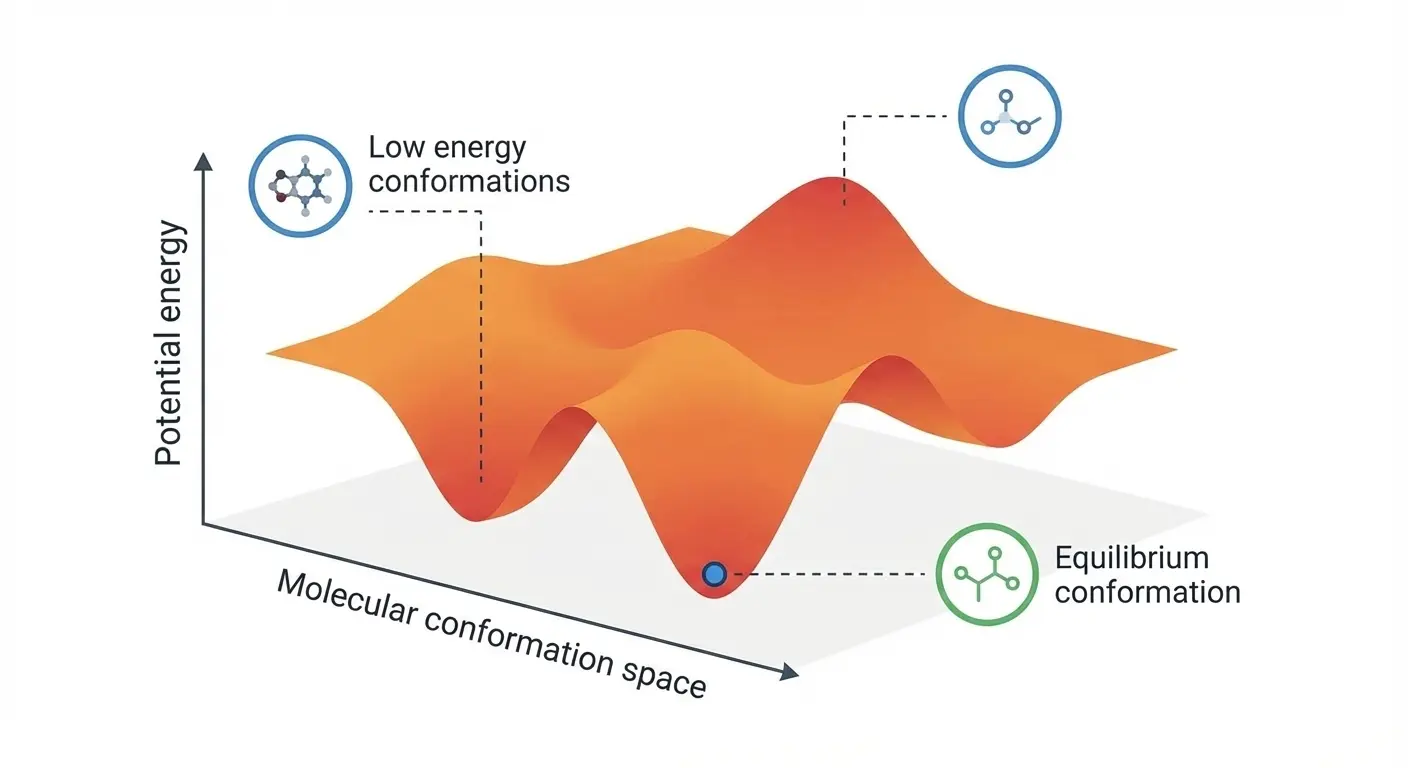
ICLR 2025 paper introducing DenoiseVAE, which learns adaptive, atom-specific noise distributions through a VAE framework to improve denoising-based pre-training for molecular force field prediction, outperforming fixed Gaussian noise approaches on quantum chemistry benchmarks.
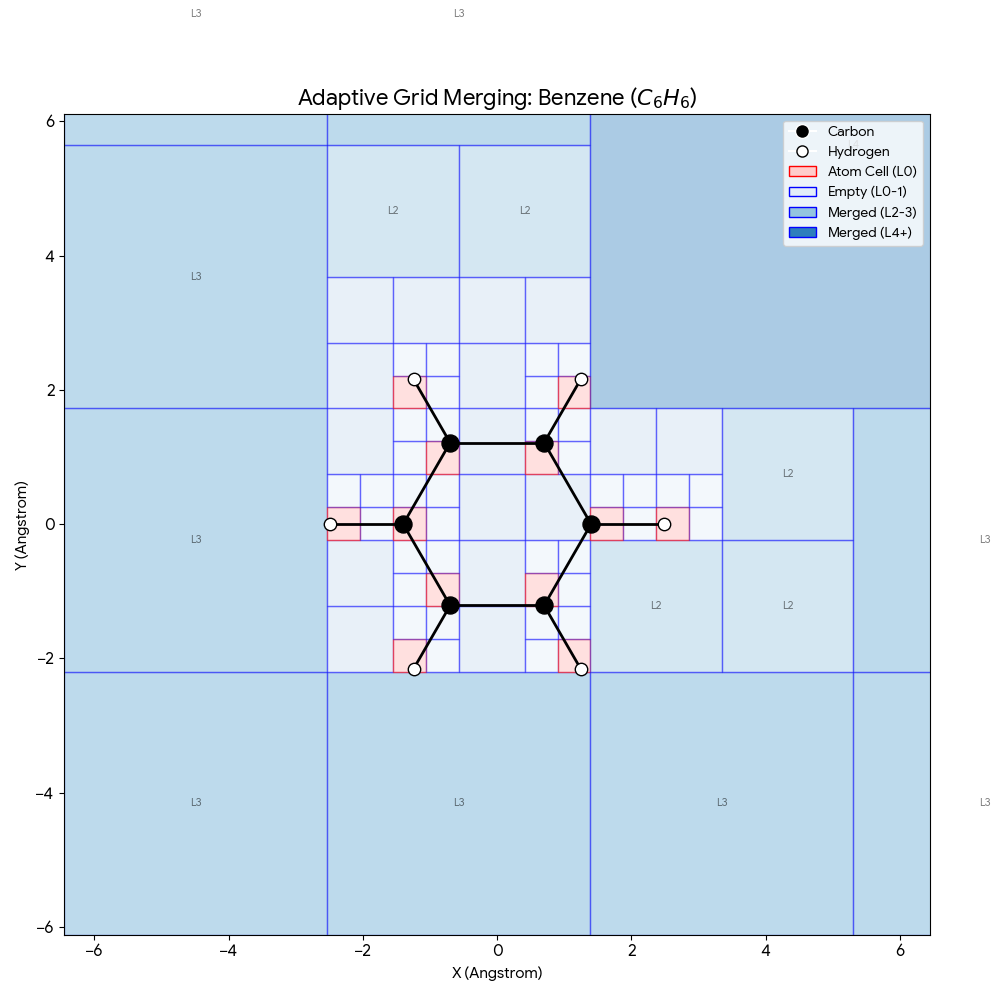
ICML 2025 paper introducing SpaceFormer, a Transformer architecture that challenges the atom-centric paradigm by modeling the continuous 3D space surrounding molecules using adaptive multi-resolution grids, ranking first in 10 of 15 molecular property prediction tasks.
ICML 2025 analysis rigorously quantifying when non-conservative force models (which predict forces directly) fail in molecular dynamics, demonstrating simulation instabilities and proposing hybrid architectures that capture speed benefits without sacrificing physical correctness.
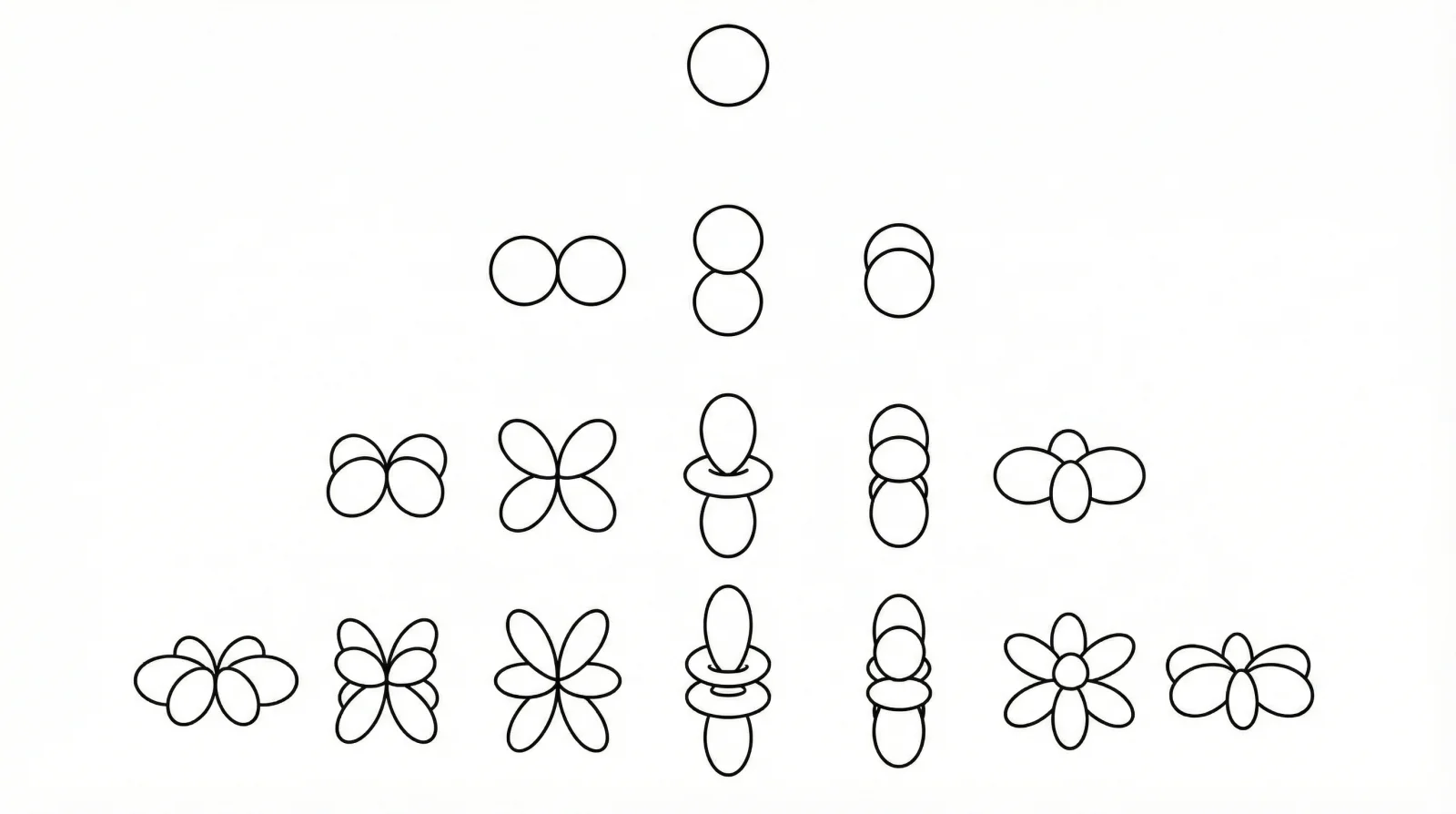
ICML 2025 methodological paper introducing SPHNet, which uses adaptive network sparsification to overcome the computational bottleneck of tensor products in SE(3)-equivariant networks, achieving up to 7x speedup and 75% memory reduction on DFT Hamiltonian prediction tasks.
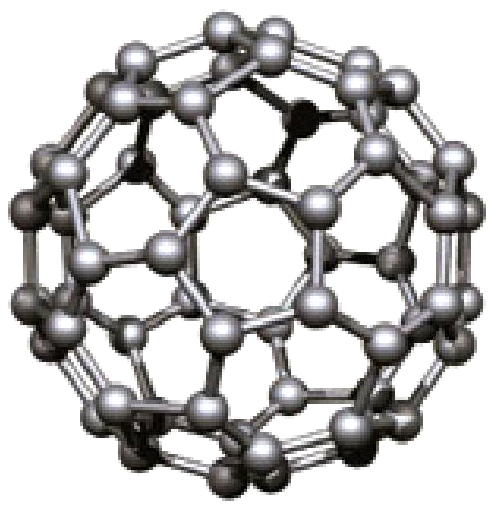
ICML 2025 paper proposing energy conservation metrics as critical diagnostics for machine learning interatomic potentials and introducing eSEN, a novel architecture designed to bridge the gap between test-set accuracy and real simulation performance on materials property prediction.
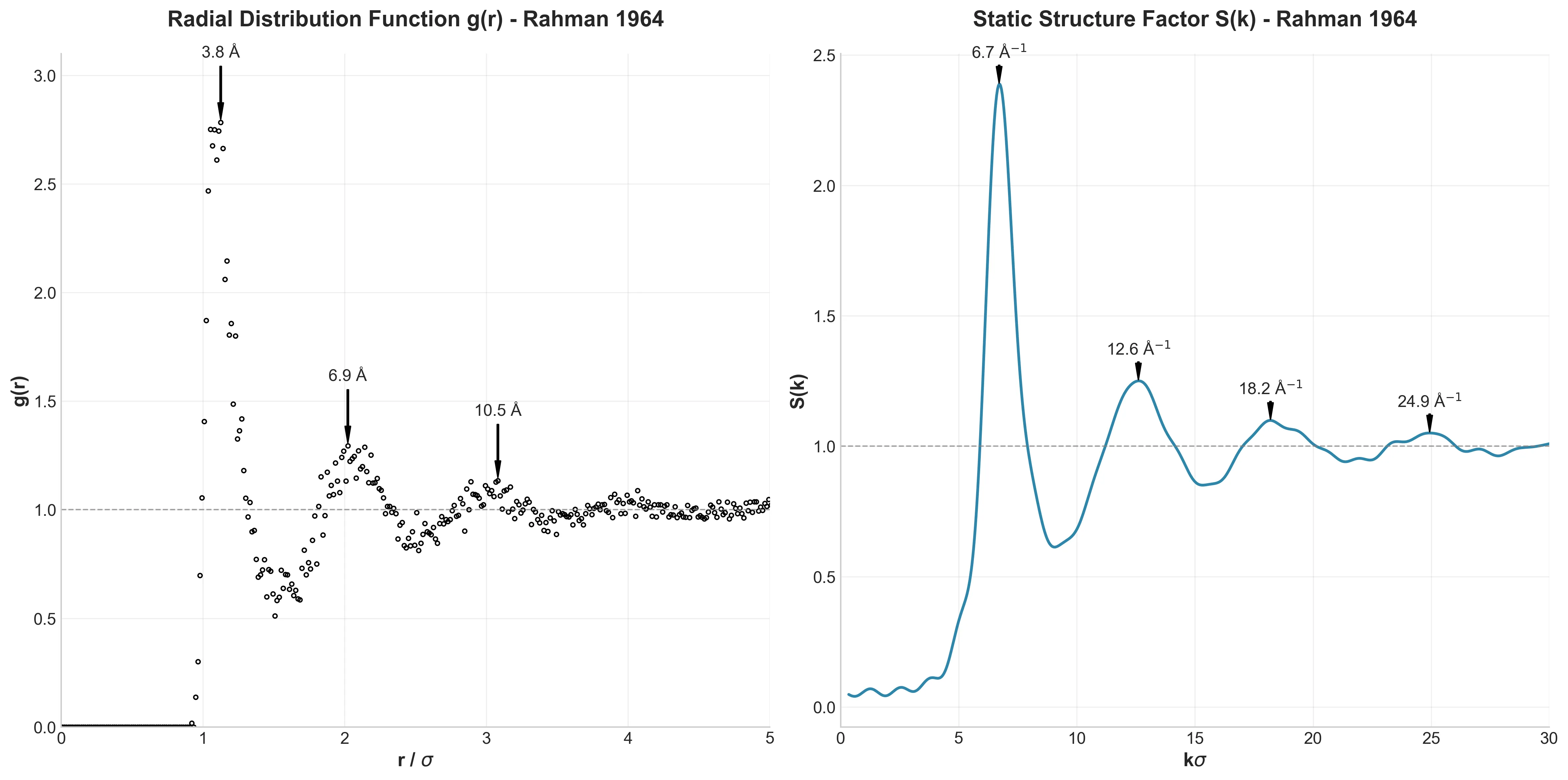
Explore the molecular dynamics of liquid argon in this fundamental LAMMPS simulation. This classic system demonstrates liquid-state behavior and serves as a benchmark for molecular dynamics methods.