Computational Chemistry
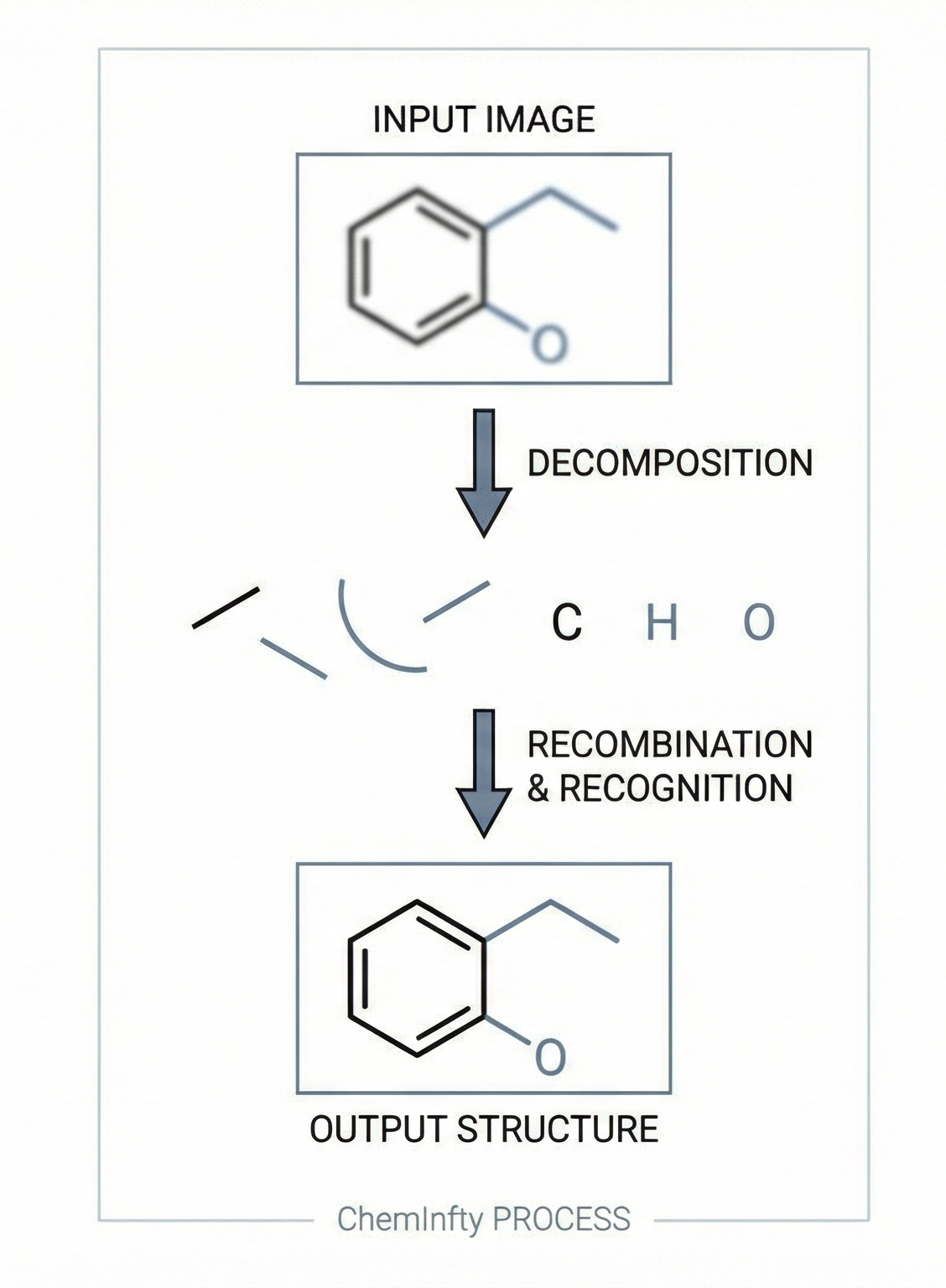
Segment-based chemical structure recognition pipeline for low-quality patent images with touching characters and broken lines

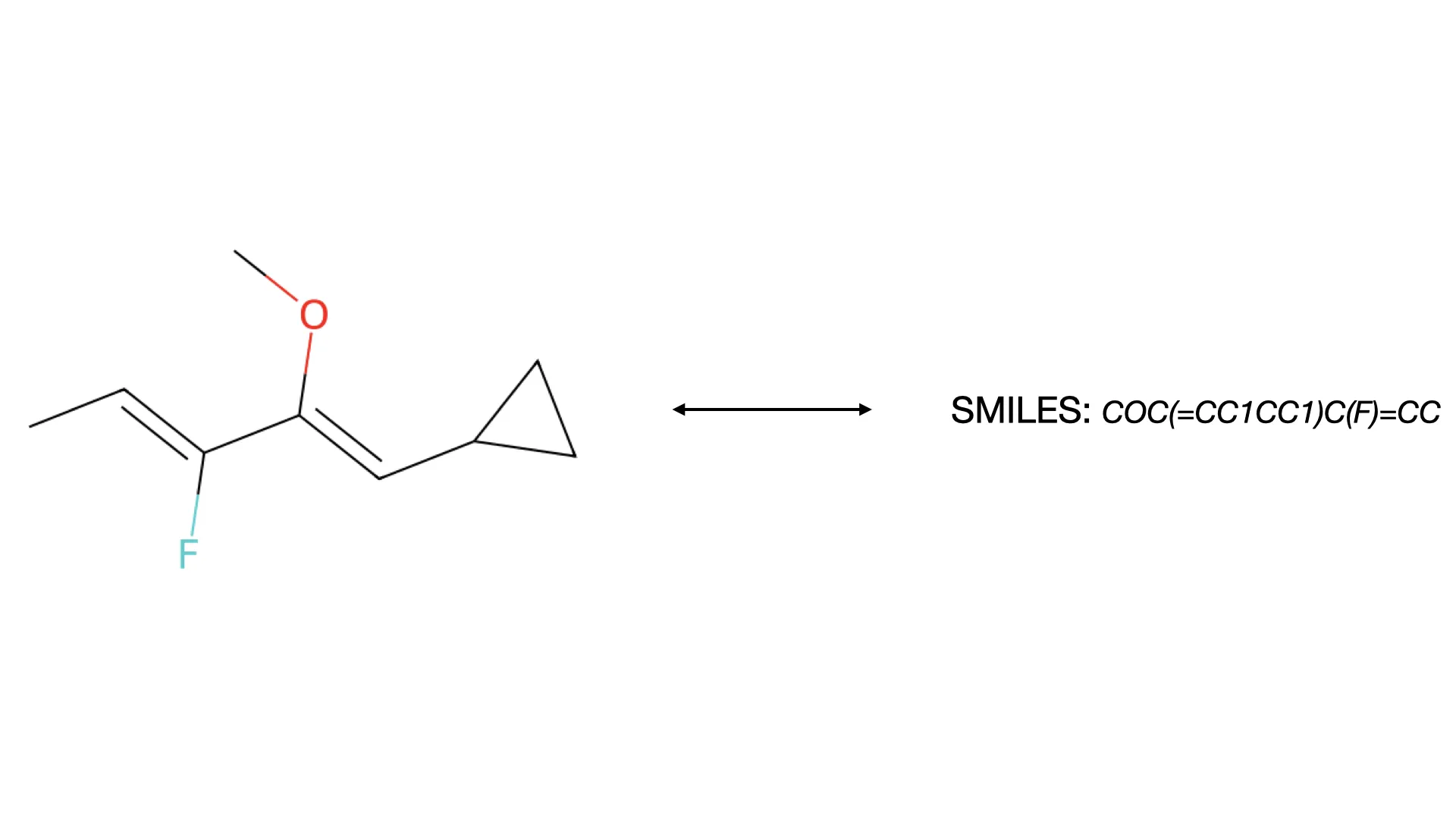
ChemInfty: Chemical Structure Recognition in Patent Images

A 2011 rule-based OCSR system designed specifically for the challenging low-quality images in Japanese patent applications, using segment-based methods to handle pervasive problems like touching characters, merged atom labels with bonds, and broken lines.
Computational Chemistry
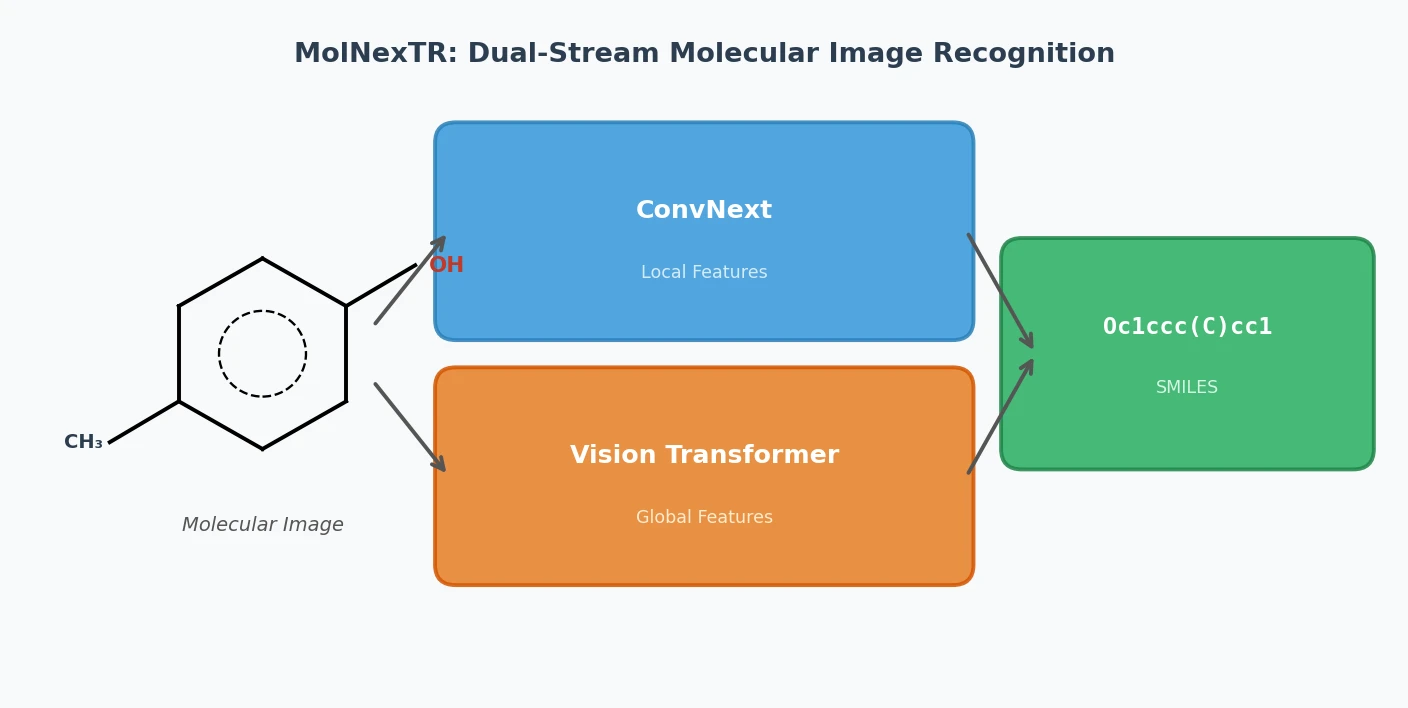
Diagram showing MolNexTR's dual-stream architecture: a molecular image feeds into parallel ConvNext and Vision Transformer encoders, producing a SMILES string.

MolNexTR: A Dual-Stream Molecular Image Recognition

MolNexTR proposes a dual-stream architecture combining ConvNext and Vision Transformers to improve molecular image recognition (OCSR). It achieves 81-97% accuracy across diverse benchmarks utilizing simultaneous local and global feature extraction alongside specialized image contamination augmentations.

Computational Chemistry
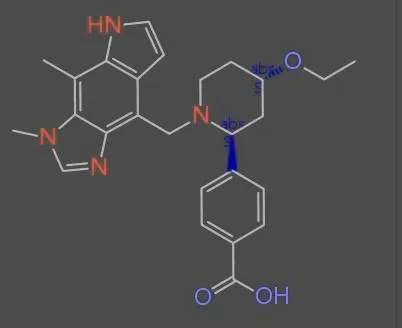
A colored molecule with annotations, representing the diverse drawing styles found in scientific papers that OCSR models must handle.

MolParser-7M & WildMol: Large-Scale OCSR Datasets

The MolParser project introduces two key datasets: MolParser-7M, the largest training dataset for Optical Chemical Structure Recognition (OCSR) with 7.7M pairs of images and E-SMILES strings, and WildMol, a new 20k-sample benchmark for evaluating models on challenging real-world data. The training data uniquely combines millions of diverse synthetic molecules with 400,000 manually annotated in-the-wild samples.

Computational Chemistry
Optical chemical structure recognition example

MolParser: End-to-End Molecular Structure Recognition

A 2025 end-to-end OCSR system addressing both technical and data challenges, introducing MolParser-7M (7M+ image-text pairs) and MolDet (YOLO-based detector) for extracting and recognizing molecular structures from real-world documents with diverse quality and styles.

Computational Chemistry
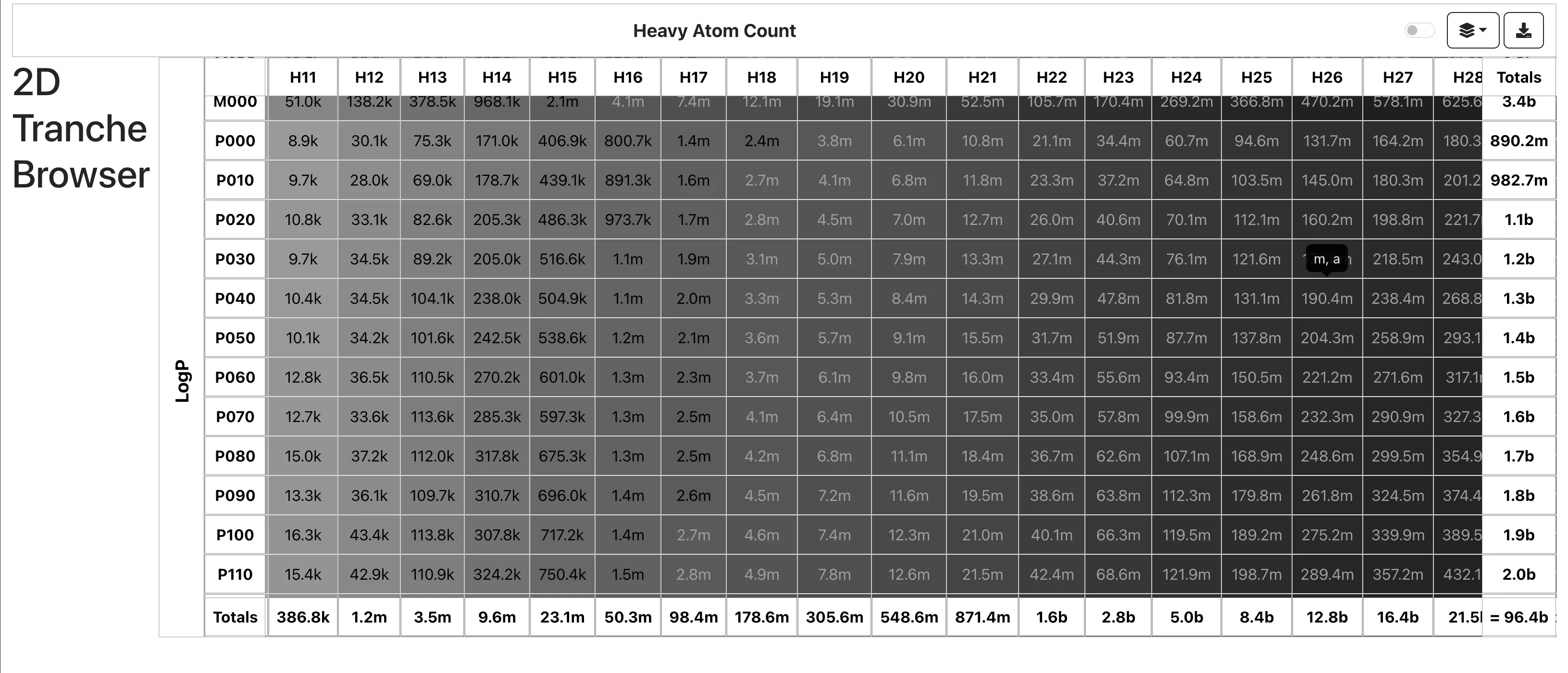
ZINC-22 Tranche Browser showing molecular count distribution

ZINC-22: A Multi-Billion Scale Database for Ligand Discovery

ZINC-22 is a multi-billion-scale public database containing over 37 billion make-on-demand molecules. It utilizes distributed infrastructure and specialized search algorithms to support modern ultra-large virtual screening campaigns.

Computational Chemistry
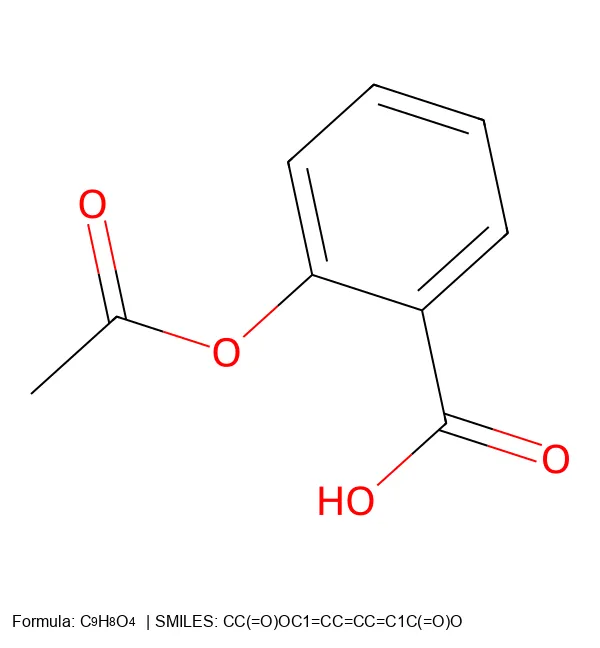
Aspirin molecular structure generated from SMILES string

Converting SMILES and SELFIES to 2D Molecular Images

Build a robust Python CLI tool that converts both SMILES and SELFIES notation into publication-quality 2D molecular images, complete with formulas and legends.

Computational Chemistry
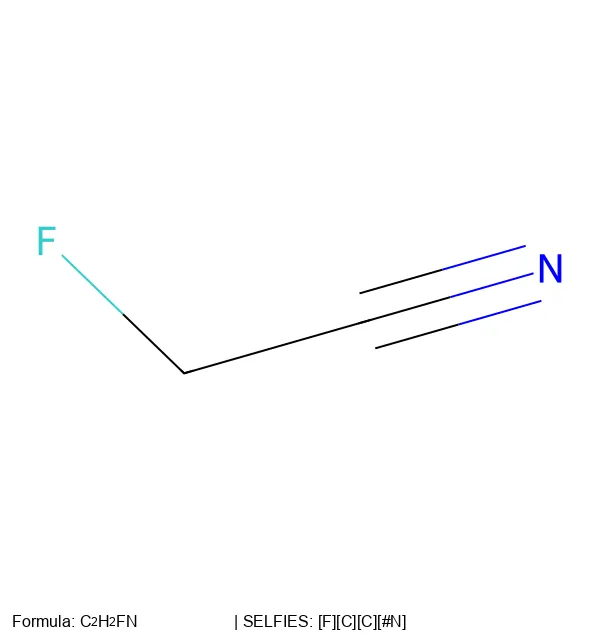
SELFIES representation of 2-Fluoroethenimine molecule

SELFIES: A Robust Molecular String Representation

SELFIES is a molecular string representation where every possible string decodes to a valid molecule, solving the invalid-output problem that limits SMILES in generative machine learning.

Computational Chemistry
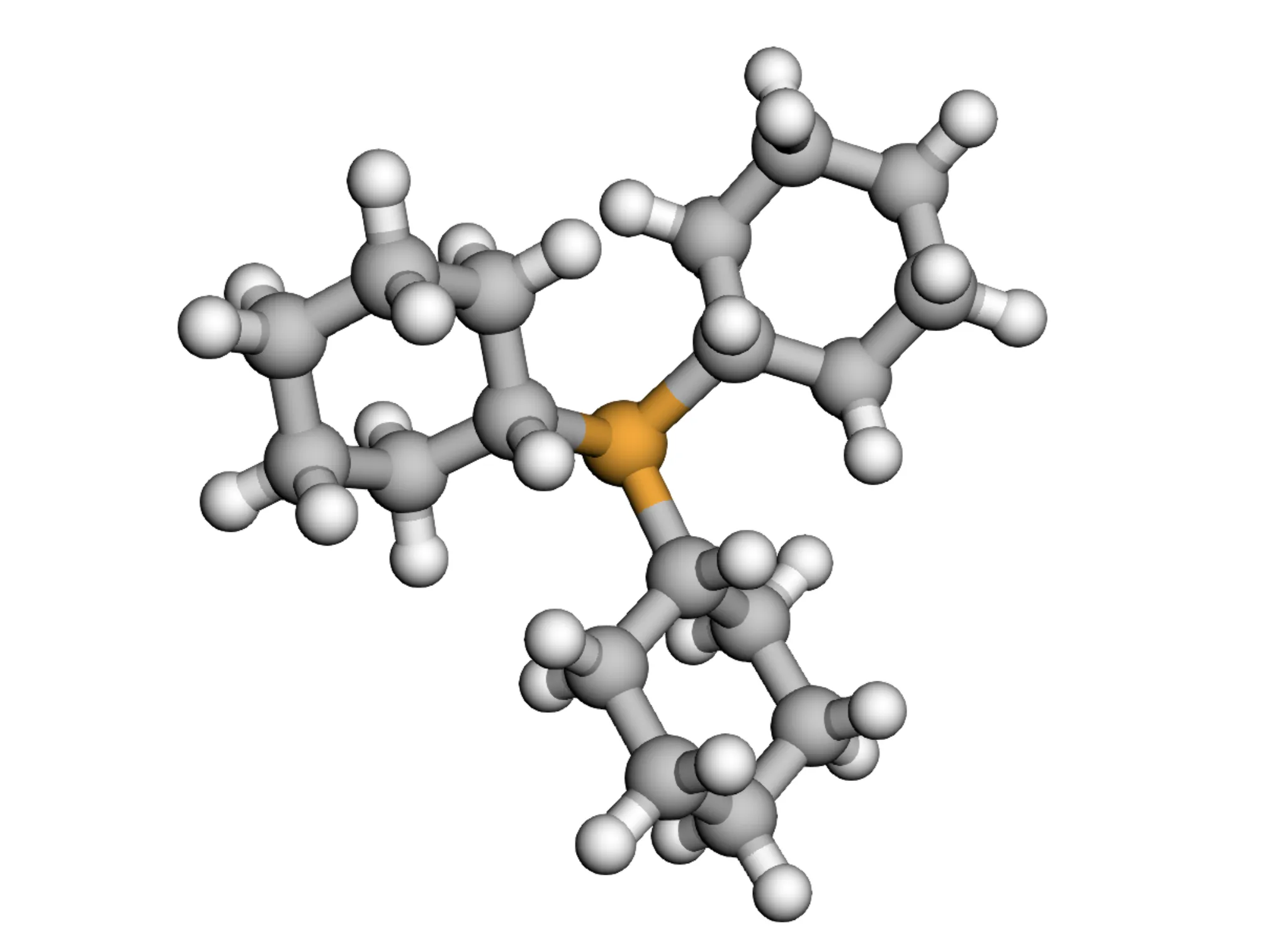
MARCEL dataset Kraken ligand example in 3D conformation

MARCEL: Molecular Conformer Ensemble Learning Benchmark

MARCEL provides a comprehensive benchmark for molecular representation learning with 722K+ conformers across four diverse subsets (Drugs-75K, Kraken, EE, BDE), enabling evaluation of conformer ensemble methods for property prediction in drug discovery and catalysis.

Computational Chemistry
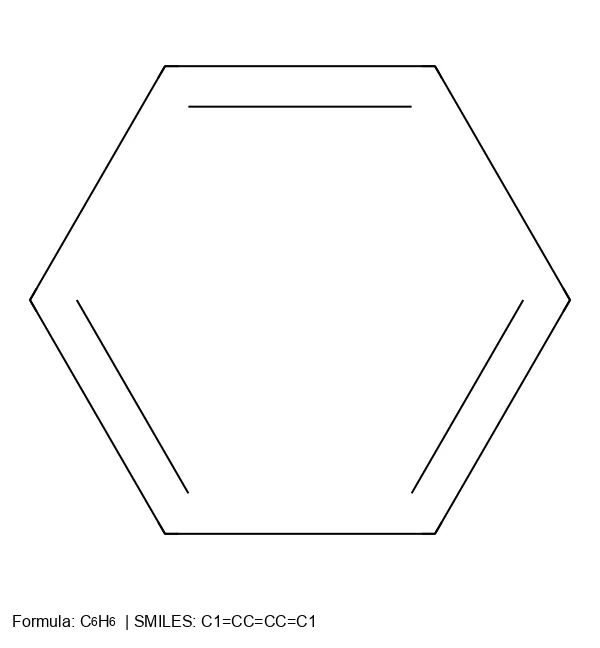
Benzene molecule with SMILES notation

SMILES: A Compact Notation for Chemical Structures

Comprehensive overview of SMILES notation for chemical structures, covering syntax for atoms, bonds, branches, rings, and stereochemistry, plus its key limitations for machine learning.

Computational Chemistry
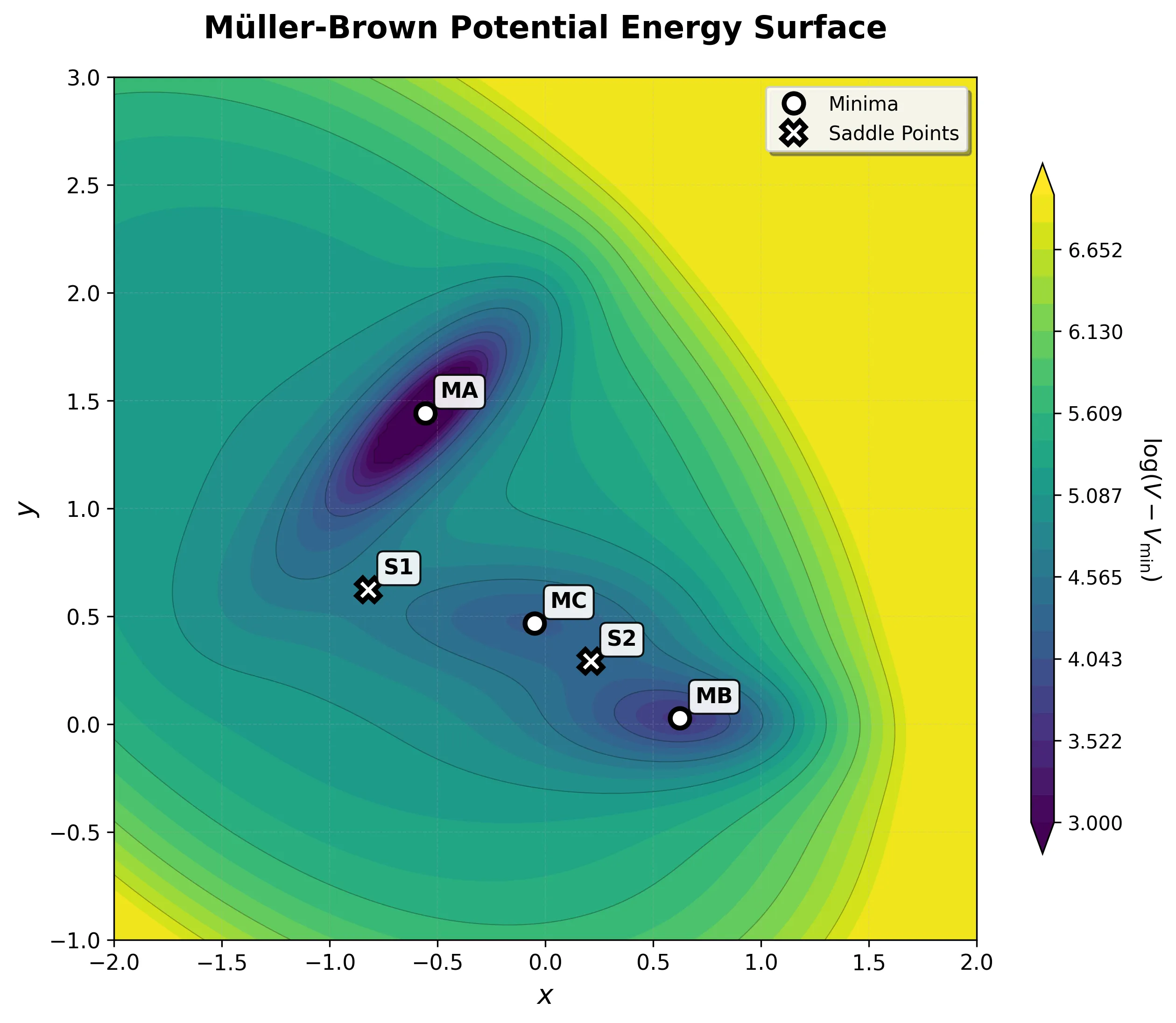
Müller-Brown Potential Energy Surface showing the three minima and two saddle points

The Müller-Brown Potential: A 2D Benchmark Surface

A two-dimensional analytical potential energy surface introduced in 1979 for testing optimization algorithms. It features three minima and curved transition pathways that evaluate an algorithm’s ability to navigate non-trivial topologies.

Computational Chemistry
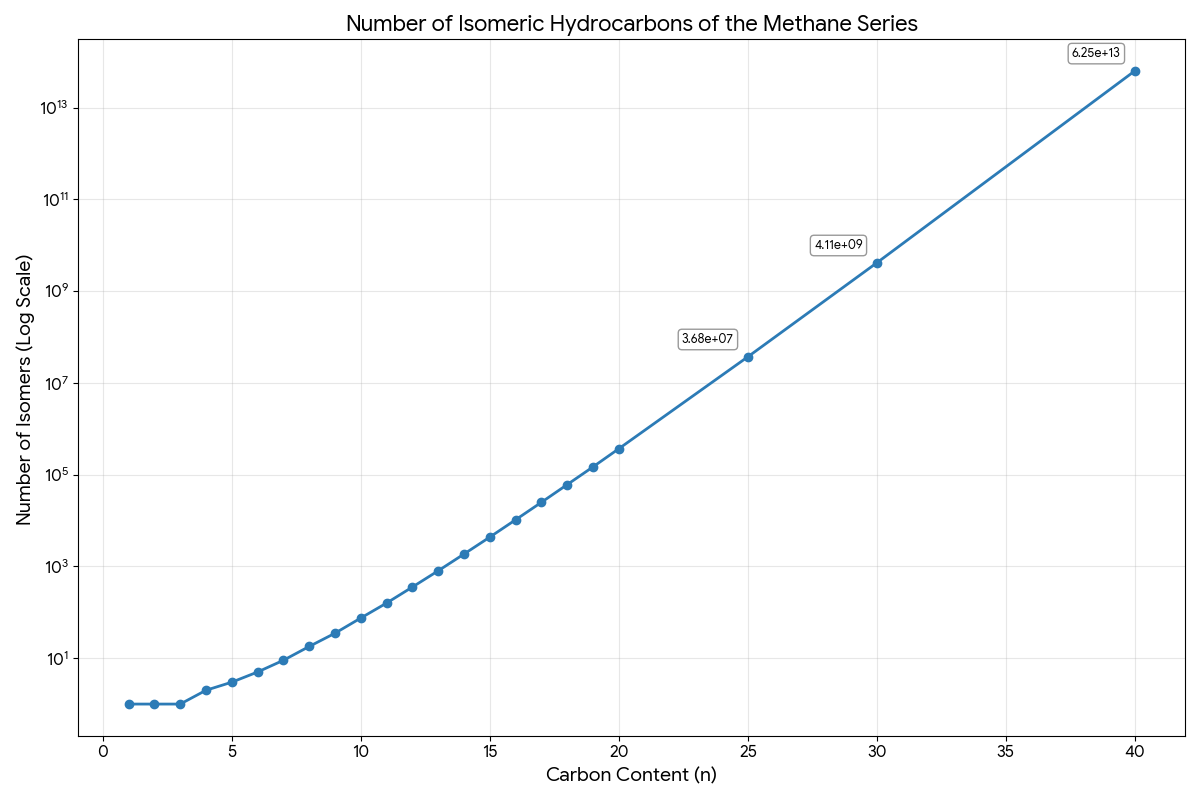
Log-scale plot showing exponential growth of alkane isomer counts from C1 to C40

The Number of Isomeric Hydrocarbons of the Methane Series

A foundational 1931 paper that derives exact recursive formulas for counting alkane structural isomers, correcting historical errors and establishing the first systematic enumeration up to C₄₀.

Computational Chemistry
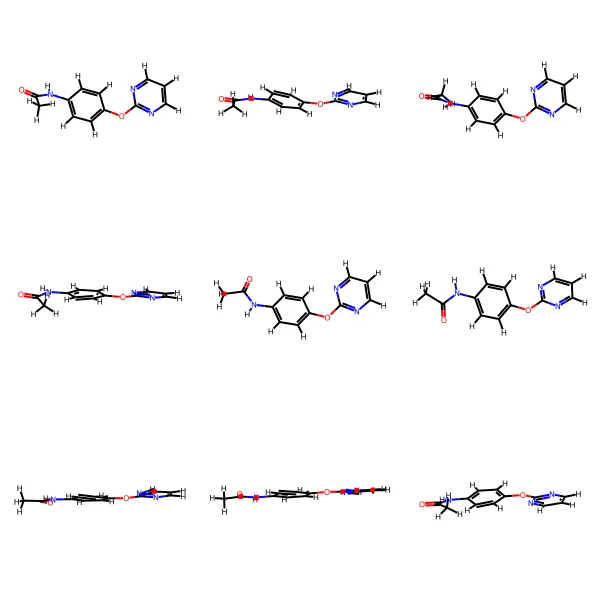
GEOM dataset example molecule: N-(4-pyrimidin-2-yloxyphenyl)acetamide

GEOM: Energy-Annotated Molecular Conformations Dataset

GEOM contains 450k+ molecules with 37M+ conformations, featuring energy annotations from semi-empirical (GFN2-xTB) and DFT methods for property prediction and molecular generation research.