Computational Biology
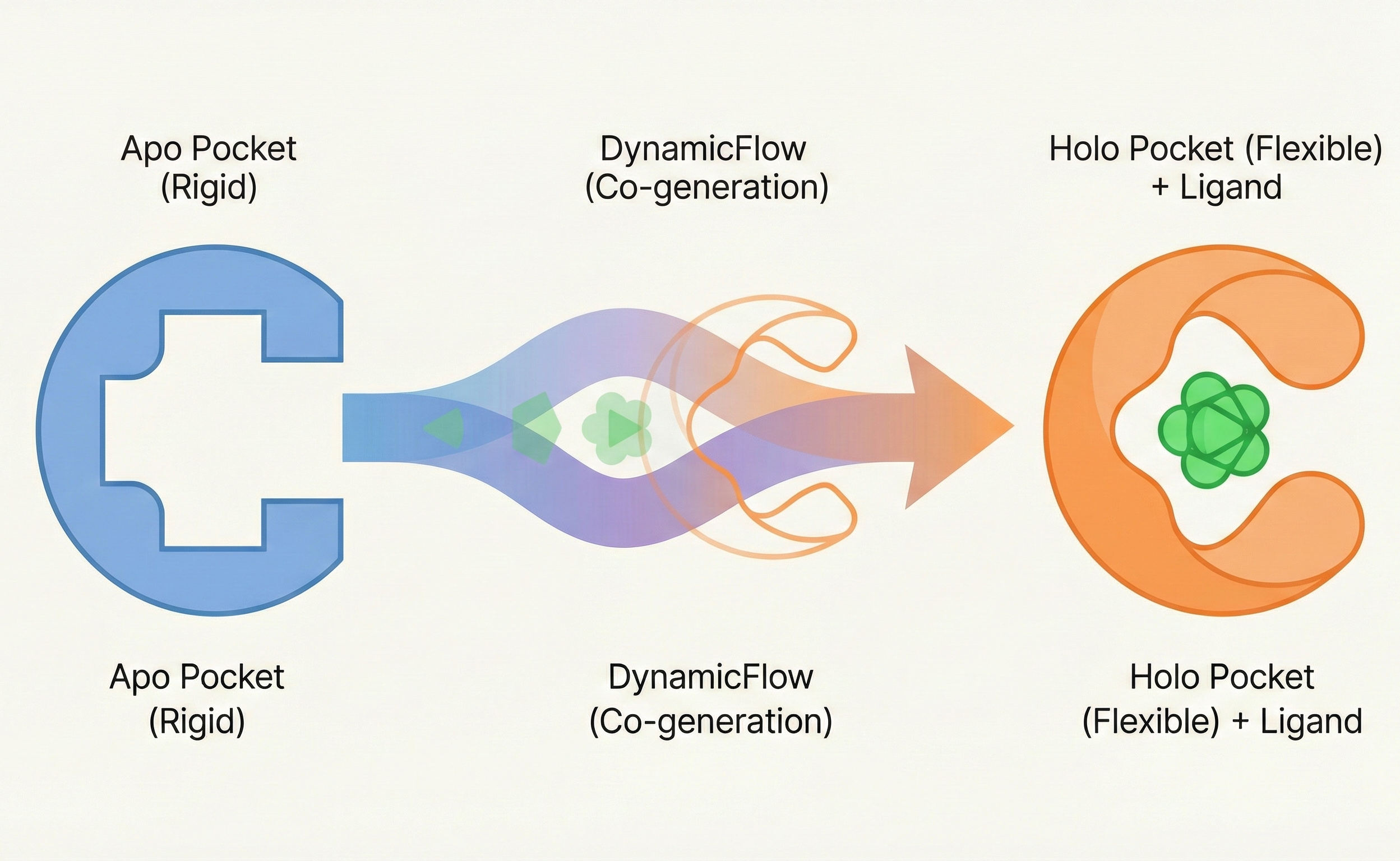
DynamicFlow illustration showing the transformation from apo pocket to holo pocket with ligand molecule generation

DynamicFlow: Integrating Protein Dynamics into Drug Design

This paper introduces DynamicFlow, a full-atom stochastic flow matching model that simultaneously generates ligand molecules and transforms protein pockets from apo to holo states. It also contributes a new dataset of MD-simulated apo-holo pairs derived from MISATO.

Computational Biology
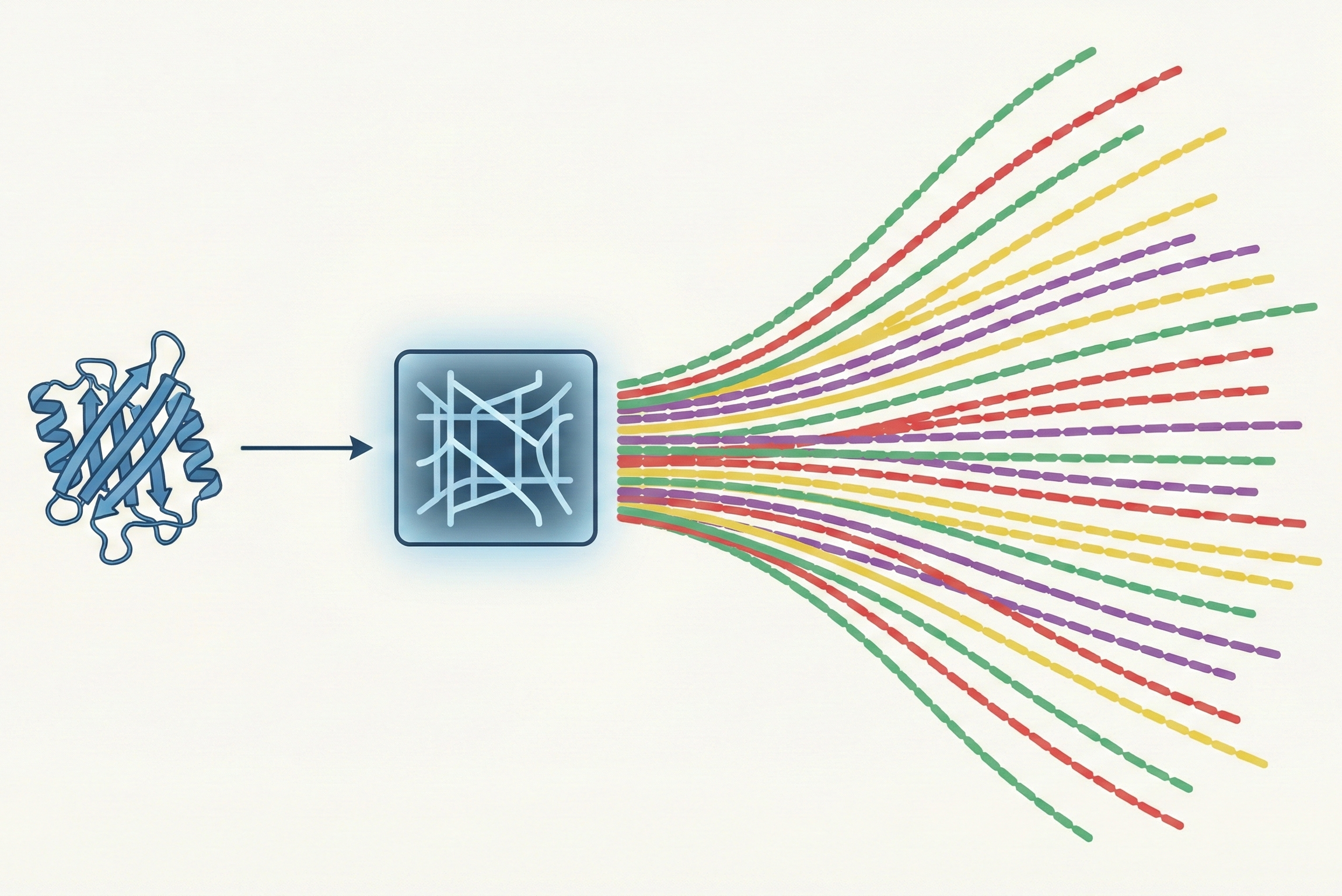
InvMSAFold generates diverse protein sequences from structure using a Potts model

InvMSAFold: Generative Inverse Folding with Potts Models

InvMSAFold replaces autoregressive decoding with a Potts model parameter generator, enabling diverse protein sequence sampling orders of magnitude faster than ESM-IF1.

Computational Biology
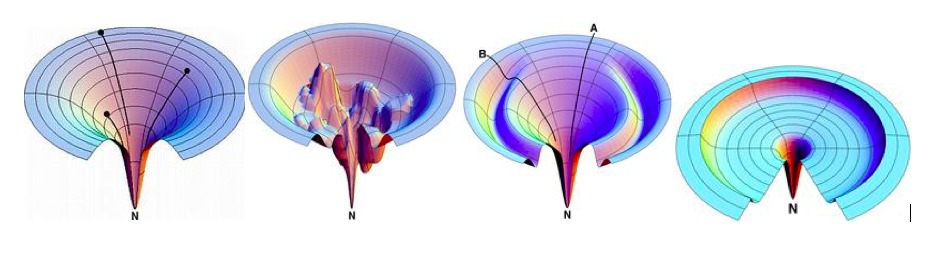
Four types of protein folding energy landscapes from left to right: smooth funnel, rugged funnel with kinetic traps, moat funnel, and champagne glass funnel

Funnels, Pathways, and Energy Landscapes of Protein Folding

This seminal work resolves Levinthal’s paradox by replacing the single-pathway view with a statistical energy landscape approach. It introduces the concepts of the folding funnel, the glass transition in proteins, and the ‘stability gap’ as a design principle for foldable sequences.

Computational Biology
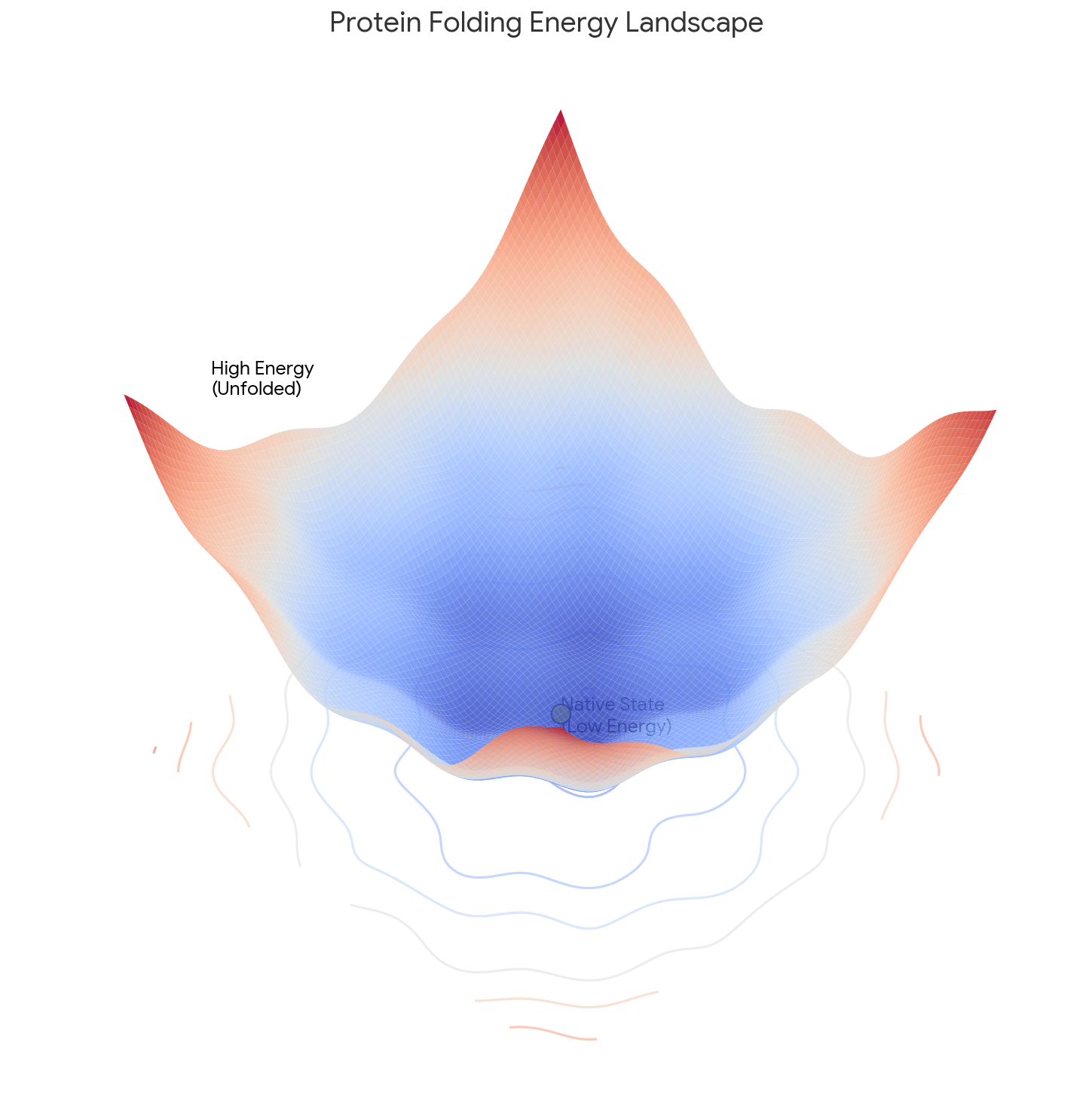
Protein folding energy landscape funnel showing high-energy unfolded states converging to the native state

How to Fold Graciously: The Levinthal Paradox

Levinthal’s 1969 perspective paper defined the protein folding paradox by demonstrating the impossibility of random search, establishing the need for kinetic pathways that guide folding faster than thermodynamic equilibration allows.

Computational Biology
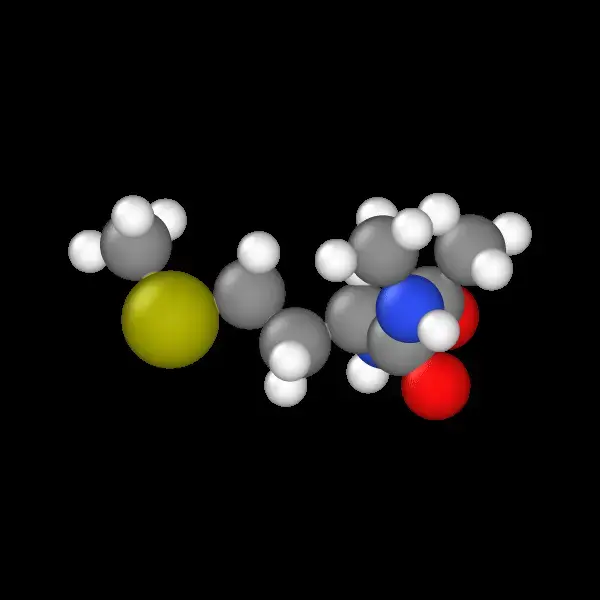
Molecular visualization of a methionine dipeptide structure from MD simulation

Generating Mini-Protein Trajectories with GROMACS

A practical guide to simulating mini-proteins using GROMACS; from alanine dipeptide to tryptophan systems for ML training data generation.

Computational Biology
Molecular visualization of a methionine dipeptide structure from MD simulation

Mini-Protein Trajectory Generation

An automated GROMACS pipeline for generating high-fidelity molecular dynamics datasets suitable for machine learning, simulating capped dipeptides across nine residue types with 0.1 ps resolution and atomic force extraction optimized for training Neural Network Potentials.